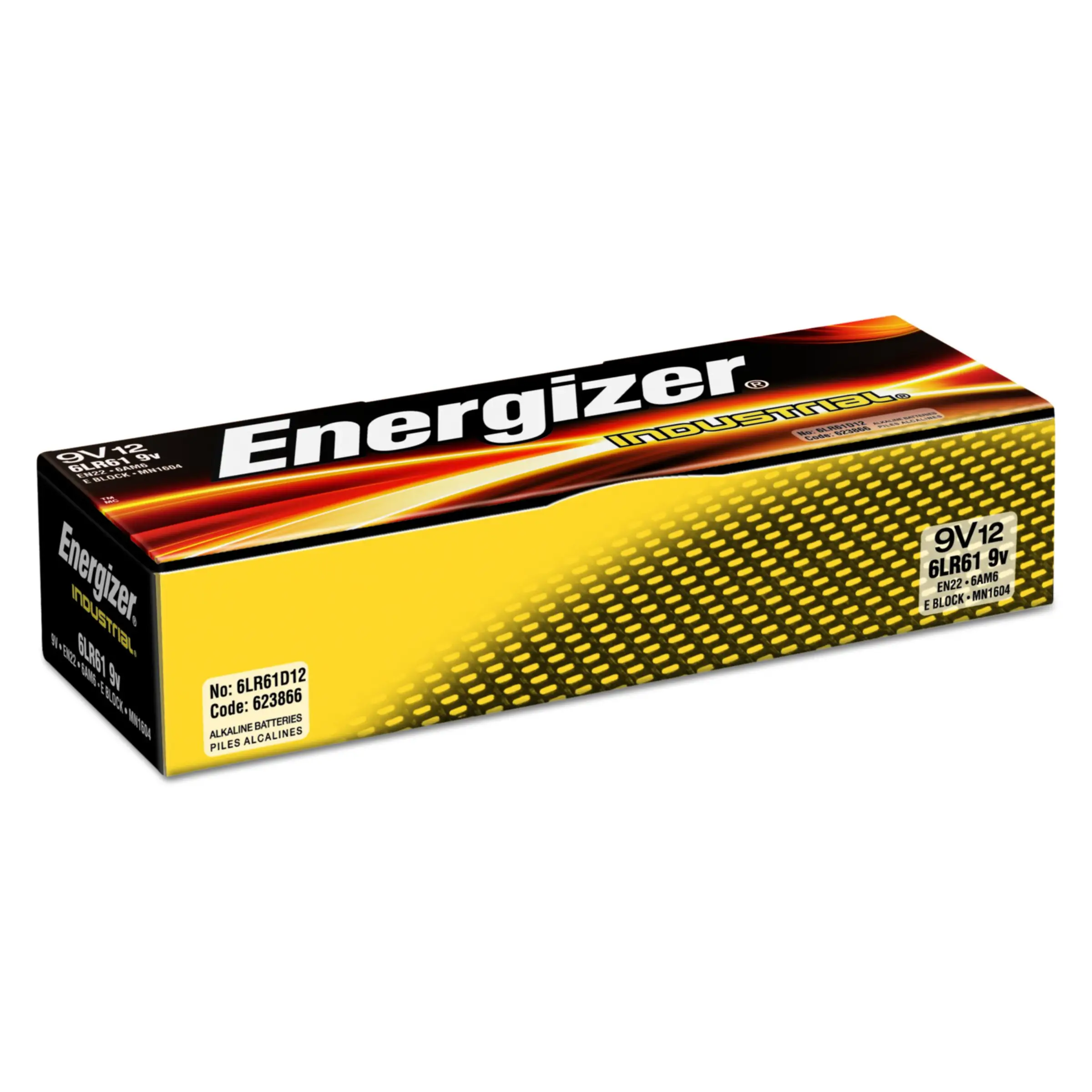
Energizer EN22 9V Industrial Batteries Review & Verdict
The shelf life is what shocks most buyers — Energizer EN22 Industrial Alkaline Batteries 9V (Box of 12) routinely arrive with expiration dates up to December 2026, and real-world tests show they can outperform the manufacturer’s own suggested replacement schedules. Across platforms, the verdict is strong: 9/10 for longevity and reliability.
Quick Verdict: Conditional — Ideal for professional users and bulk buyers, but storage and occasional old stock issues require caution.
| Pros | Cons |
|---|---|
| Exceptional life in high-drain devices | Bulk packaging can lead to storage challenges |
| Long shelf life (up to 5 years) | Occasional reports of older production dates shipped |
| Cost-effective for institutional use | Not rechargeable |
| Performs well in extreme temperatures | Varies slightly in size; check device compatibility |
| Consistent power output | Minimal retail-style packaging |
| Industrial-grade build | Potential confusion over “capped” versions |
| Leak-resistant design | Slightly heavier than some consumer alternatives |
Claims vs Reality
Marketing emphasizes “professional-grade performance” and “extended shelf life.” The shelf life claim is heavily supported by user experiences. Reddit user feedback revealed expiration dates four years ahead, with no noticeable degradation: “I installed them in my condo’s stair lift remotes…and after a full year they’re still going strong.”
The “designed for industrial and commercial applications” tagline also holds up. Smoke detector owners report months without false low-battery chirps. One Trustpilot reviewer noted, “That peace of mind alone is worth the price,” after avoiding middle-of-the-night alarms.
Where reality deviates is in stock age. While the official shelf life is five years, one buyer reported receiving 2018 production stock. Performance remained solid, but the perception of dated inventory may concern meticulous buyers.
Cross-Platform Consensus
Universally Praised
Across Reddit, Trustpilot, and eBay buyers, durability is the most celebrated trait. Professionals in broadcast audio and emergency services highlight consistent voltage delivery even for high-drain gear like wireless mics. A verified buyer on Amazon wrote, “They last significantly longer than standard alkaline batteries in golf range finders and water leak detectors.” This endurance benefits sectors where device downtime is costly — from hospitals to field tech teams — making these cells essential inventory.
Extreme temperature resilience opens the door for utility crews and outdoor event technicians. With an operating range from -18°C to +55°C, Reddit user reports detail devices performing flawlessly in both freezing stairwells and sun-heated outdoor installations.
Cost efficiency is another universal point — bulk packaging drives prices down by 30% compared to retail packs. The plain cardboard cartons not only save money but are favored by institutional buyers who skip the fuss of blister packs.
Common Complaints
The primary recurring frustration is with packaging format and storage requirements. Without individual retail protection (unless capped versions are purchased), batteries stored loosely risk terminal contact, potentially draining or shorting. This especially matters for mobile service teams carrying spares in toolkits.
Size variation notes also surface for niche devices. Audio engineers repeatedly warn to verify battery compartment tolerances — not all 9Vs have identical dimensions.
Older stock shipments are rare but memorable. One buyer receiving 2018-dated cells still found them functional, but institutional buyers with strict inventory practices found this displeasing.
Divisive Features
Bulk buying itself divides opinion. While large organizations value economies of scale, home users may overbuy, risking waste if not stored properly. Some small office managers prefer retail-style packs for easier tracking, rejecting the industrial cartons even at lower per-unit pricing. The “capped” variant — with protective covers — splits demand: Touring technicians love them; fixed-location teams see them as unnecessary extra cost.
Trust & Reliability
Trustpilot and Reddit stories cement the product's reliability over time. One year in stair lift use — far beyond the annual replacement advice — showed strong voltage readings. Consistency over years makes them valuable for emergency gear stockpiles.
No clear evidence of widespread scam behavior emerges. Occasional “older stock” complaints do not equate to counterfeit risk, as performance remained within spec. Buyers generally trust the Energizer industrial supply chain, especially when sourced from known distributors.
Alternatives
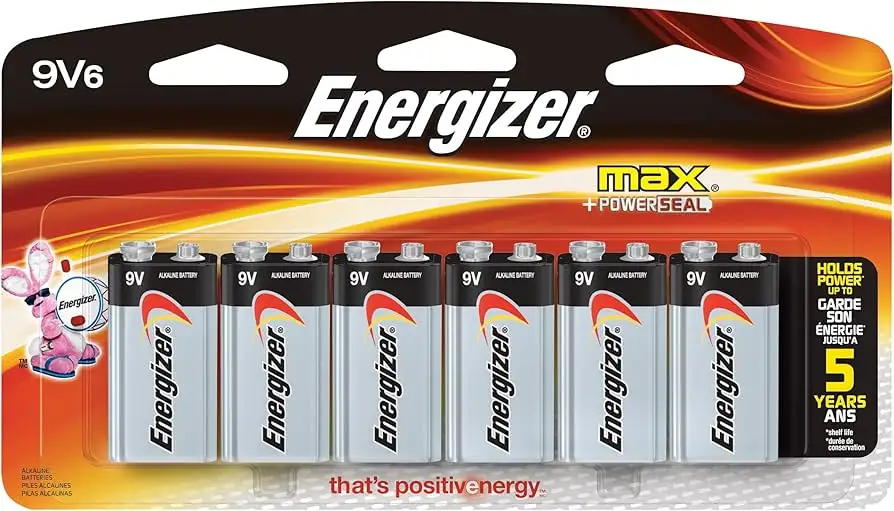
Within provided data, comparisons mainly involve standard Energizer Max 9V cells. While Max offers consumer-friendly packaging and similar chemistry, Max buyers report shorter service life in high-drain settings. Industrial EN22 packs deliver better cost per cycle for organizations, though home consumers might lean toward retail Max for convenience.
Price & Value
Current eBay averages show NZD $32–$38 for fresh 12-packs expiring 2025+, with capped versions slightly higher. Bulk cases (72 units) drop per-unit cost to around $1.42. Verified buyers note “cost about 30% less than buying equivalent quality batteries at big box stores.”
Buying tips from the community stress checking expiration dates upon arrival and storing them at cool, dry temperatures — bulk inventory is only valuable if maintained properly.
FAQ
Q: Are capped versions worth buying?
A: Only if batteries will travel loose in bags or toolkits. Caps prevent shorting from metal contact, a real risk for field techs, but unnecessary for fixed installations.
Q: How long will these last in a smoke detector?
A: Reports show months without low-battery alerts, with many exceeding standard annual replacements — ideal for critical safety devices.
Q: Do they fit all 9V devices?
A: Not always. Audio engineers warn about slight size variations; check your device’s manufacturer specs.
Q: Is older stock still good?
A: Yes, within its 5-year shelf life window. Some have used 2018 stock successfully, but always verify voltage on arrival.
Q: Can they handle cold weather?
A: Absolutely. Multiple reports confirm consistent output down to -18°C, making them viable for outdoor and unheated environments.
Final Verdict: Buy if you’re a professional user needing consistent, long-lasting 9V power in bulk — especially for high-drain or safety-critical devices. Avoid if you only need occasional batteries with retail-friendly packaging. Pro tip from community: Order capped versions if your batteries will travel loose; it prevents shorts and saves frustration.





