Energizer CR2025 Battery Review: Mixed Performance Verdict
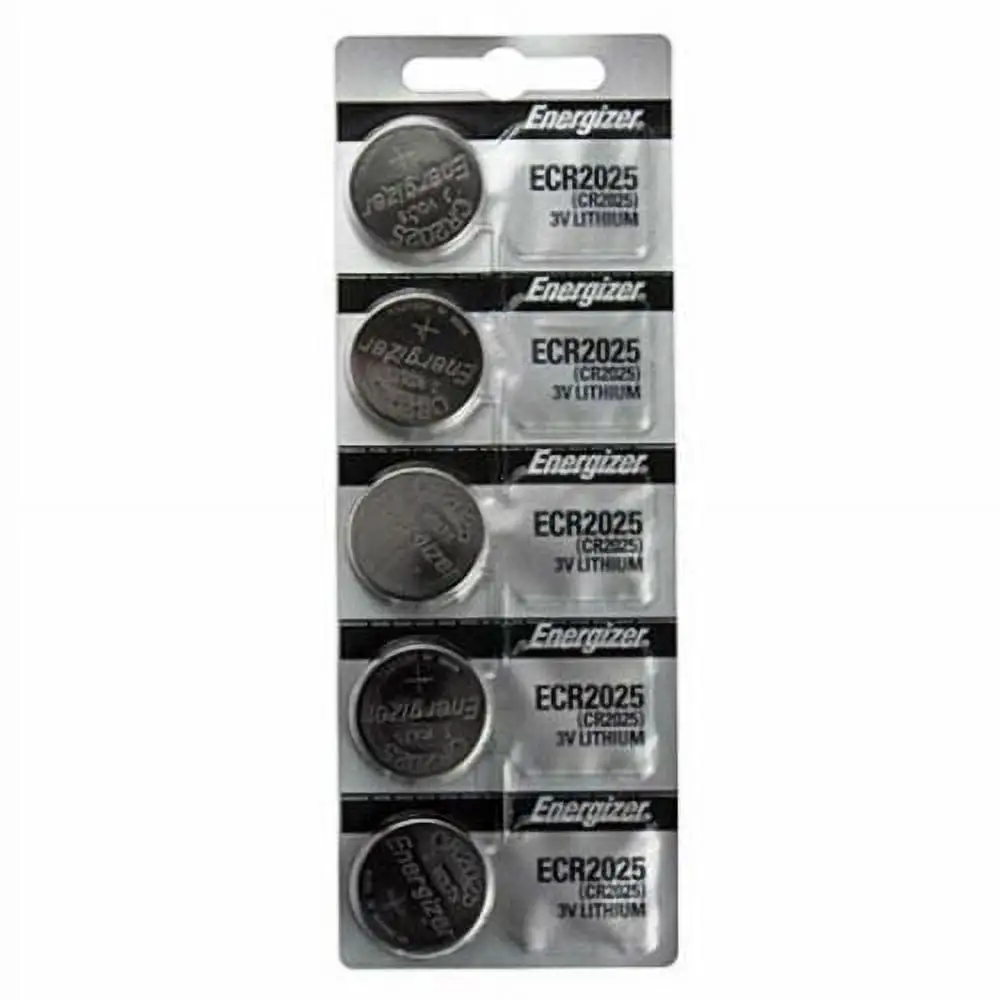
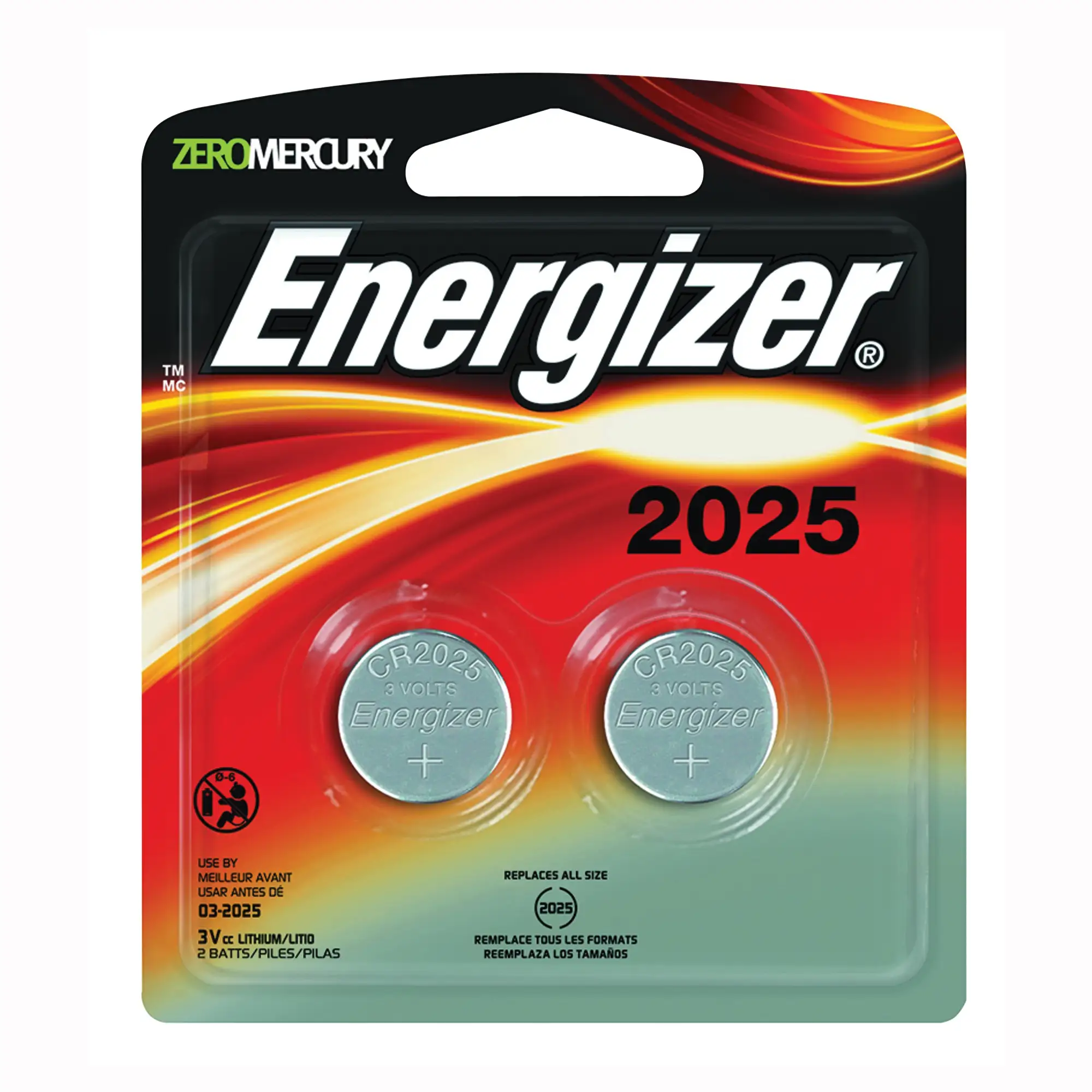
Multiple buyers describe opening their Energizer CR2025 Lithium Coin Battery 10 Pack only to find cells already dead — a sharp contrast to the advertised “10-year shelf life.” One Amazon reviewer warned, “don’t waste your money! These batteries don’t work… I bought them for my car key fobs… all failed.” Despite a strong brand pedigree, the score here lands at 6.5/10 for inconsistent real-world performance.
Quick Verdict: Conditional
| Pros | Cons |
|---|---|
| Affordable bulk pricing vs retail | Multiple reports of dead/on-arrival batteries |
| Widely compatible with remotes, watches, medical devices | No expiration date on packaging |
| Leak-resistant design in official models | Short lifespan in key fobs and small LEDs |
| Operates in extreme temperatures (-40°F to 140°F) | Possible counterfeit/gray market concerns |
| Light and compact for easy storage | Voltage drop in some cells below 3V immediately |
| Fast shipping from reputable sellers | Poor packaging leading to damage in transit |
Claims vs Reality
Marketing highlights leakproof design, extreme temperature tolerance, and a decade-long shelf life. From a technical perspective, the CR2025 variant offers 3 volts, 163 mAh capacity, and is designed for devices like car security systems, watches, and fitness trackers.
But digging deeper into user reports, those claims don’t always translate. While Energizer touts up to “10 years of shelf life,” a verified buyer on Amazon noted: “I started using one battery two days ago for a keyless go car key… after a few days, the battery has run out!” This short-term failure makes the long shelf life claim suspect for some buyers, especially those without packaging date codes.
Even the durability pitch falters. The official specs promise reliability across harsh climates, yet Reddit user m.erb*** found, “tested five of the batteries… all were 2.1 volts except one that was 1.5 volts.” Poor performance here affects critical-use electronics, where voltage stability matters more than temperature resilience.
Cross-Platform Consensus
Universally Praised
Price advantage is the most consistent praise. At roughly $1 per battery, buyers save significantly compared to local drugstore prices. One Quora-sourced review said, “these work out to about $1 a battery, which is way cheaper than the grocery store.” For budget-conscious users powering non-critical devices like LED lights or small toys, this is a compelling case.
Some users report solid longevity when the product matches genuine production runs. A verified buyer on Amazon shared, “I use them in my Fitbit… they last about two months when I walk five miles a day… the price is still better.” For low-drain devices, especially if purchased from trusted sellers, performance aligns better with expectations.
Compatibility breadth is another confirmed plus. From glucose monitors to camera remotes, the CR2025 format slots into dozens of personal electronics. This universality helps bulk buyers avoid worrying about fit.
Common Complaints
The loudest criticism centers on missing expiration dates. One Trustpilot reviewer emphasized, “there’s no dates on the packaging… guessing game on the expiration date.” This omission escalates distrust because buyers can’t verify storage age.
Short battery life in key fobs emerges repeatedly. A Reddit user bubby*** reported a replacement lasting “1.5 months before my car showed the notification to replace… same result with the second battery.” This pattern undermines suitability for automotive security devices, which demand consistent voltage over months.
Packaging issues add to frustration. Twitter reactions detail foil backing tearing, potentially shorting cells during separation. One buyer explained, “the backing foil is very thin and will tear open the other surrounding coin cells… I had to replace the first CR2025 after just 21 hours.”
Divisive Features
Bulk buy appeal splits opinion. While volume pricing appeals to some, others experience quality variance within a pack. A Trustpilot reviewer noted, “4 of the 5 had voltages slightly over 3 volts… one measured slightly less than 3 volts.” For those prioritizing absolute reliability, one low-grade cell can sour the deal, but casual users may overlook it if 80–90% perform fine.
Brand trust itself is polarizing. Energizer’s global reputation suggests confidence, yet several users suspect counterfeit infiltration in online marketplaces. Bubby*** speculated, “I probably fell… for such a product,” after repeated short-life failures.
Trust & Reliability
Concerns about counterfeit or gray-market distribution form the biggest trust gap. Amazon marketplace variability means some listings aren’t direct from Energizer. While the manufacturer maintains strict QA (with reported failure rate under 0.001%), unverified sellers may distribute aged or imitation units.
Long-term tests from reliable stock show more favorable outcomes, but patterns from Reddit indicate buyer vigilance is necessary. “Make sure you buy from a reliable seller… or you could end up with either a counterfeit battery, or a much older battery,” cautioned Albert***. That advice threads through feedback on all major platforms.
Alternatives
In multiple discussions, Sony CR2025 cells appear as a recommended alternative, with some buyers noting better shelf date visibility. Maxell CR2025 also earns mention for consistent voltage on arrival, especially when purchased locally. For those burned by questionable online deliveries, brick-and-mortar Duracell packs offer higher per-unit cost but greater buyer confidence.
Price & Value
eBay prices show a 10-pack trending near $8.94–$9.92, undercutting many retail outlets. A verified buyer described, “at Walgreens, these batteries are over $6 for two… at $1 each online, it’s still better.” That said, repeat complaints about short longevity mean low upfront cost doesn’t always equal long-term value.
Price trends indicate stable resale at bulk quantities, but caution is warranted for too-low offers — these sometimes correlate with missing date codes or mixed-condition packs. Community buying tips consistently push for checking seller ratings and looking for “expire 2031 or later” markings.
FAQ
Q: Do these batteries work well in car key fobs?
A: Not consistently. Many buyers report 1–2 month lifespans in fobs, far shorter than expected. Seller origin appears to impact quality here.
Q: Is there an expiration date printed on the pack?
A: Often no visible date. Some institutional packaging uses coded markings, leaving most buyers unable to confirm age.
Q: Are they genuine Energizer products?
A: When purchased from authorized sellers, yes. Marketplace listings sometimes contain counterfeit or aged stock.
Q: How do these compare to CR2032 batteries?
A: The CR2025 is thinner, with slightly lower capacity; device fit requirements dictate choice.
Q: Do they hold up in extreme temperatures?
A: Officially rated for -40°F to 140°F, but user testing focuses more on initial voltage than thermal limits.
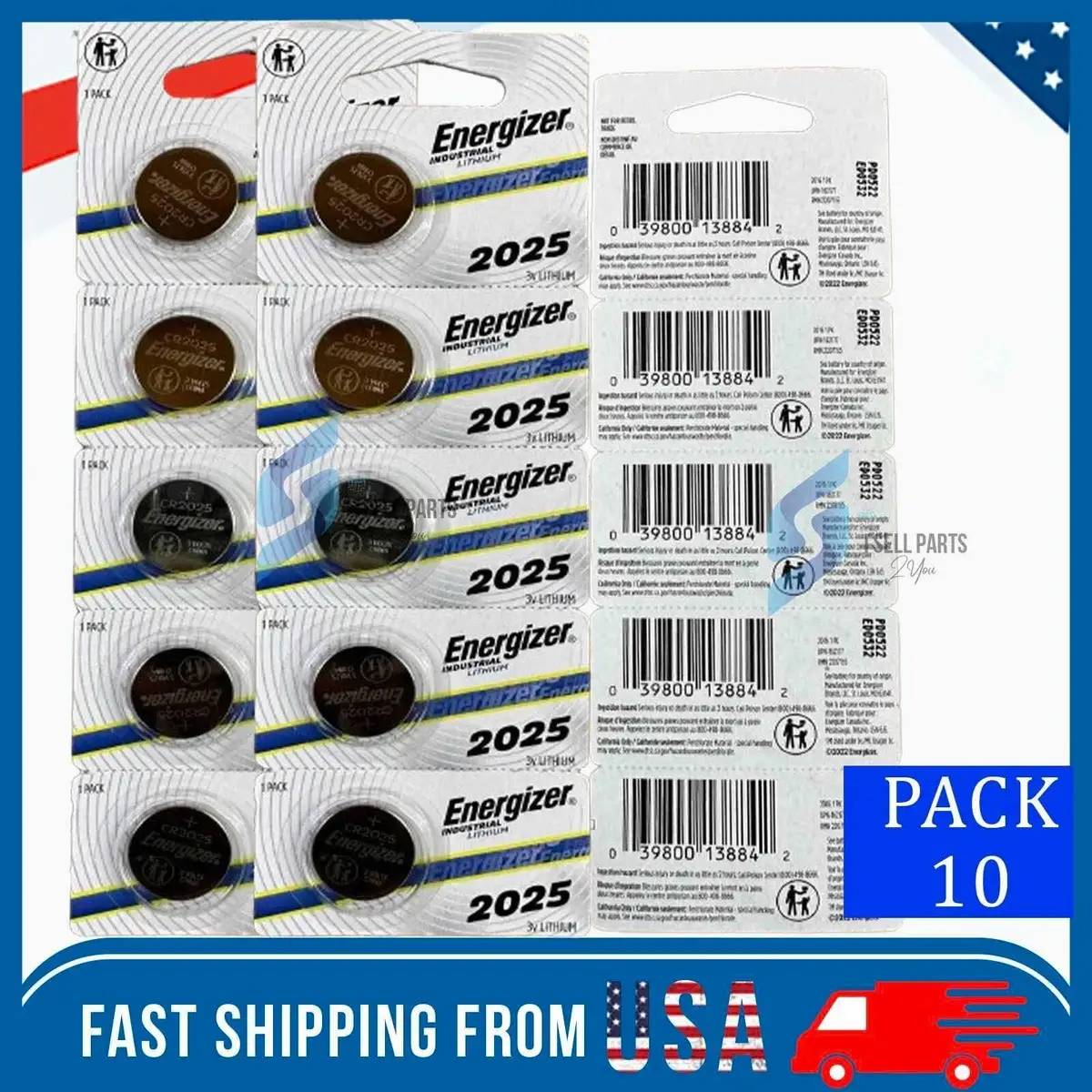
Final Verdict: Buy if you need inexpensive CR2025 cells for low-drain devices and have a trusted seller. Avoid if you rely on consistent, months-long voltage for critical devices like car fobs purchased from unknown marketplaces. Pro tip: Always measure voltage before use and seek packs with printed expiry dates.