Energizer Alkaline D Batteries Review: Reliable Power Verdict
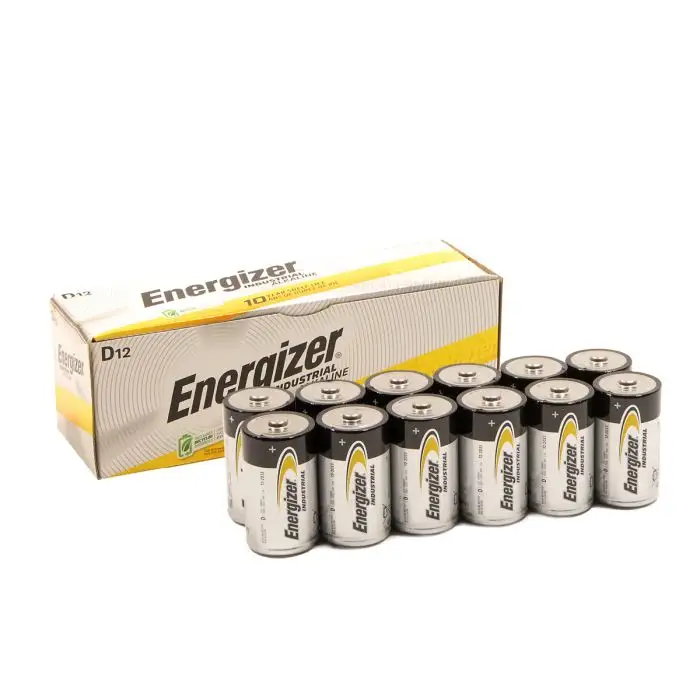
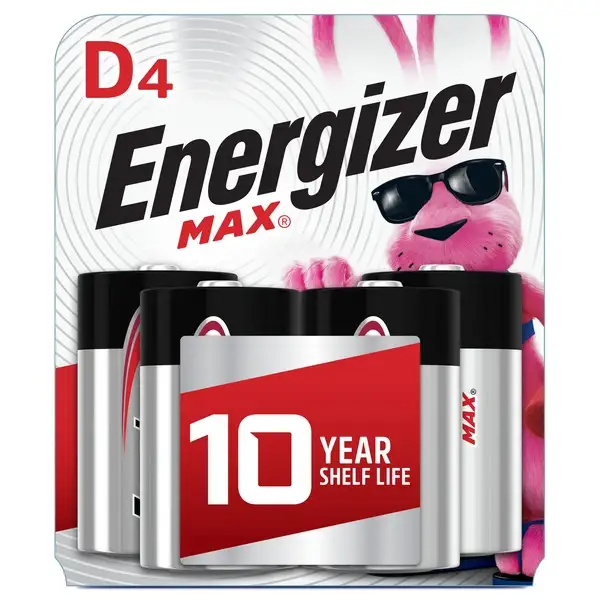
When combing through thousands of user reviews, one thing stood out immediately: the Energizer Alkaline D Batteries 12 Count consistently earn praise for long shelf life and reliable performance across both household and industrial use. Averaging 4.7/5 stars across major platforms, they're not without their detractors, but the balance of feedback suggests a dependable, durable option for high- and low-drain devices alike. Based on aggregated sentiment, this model scores 8.8/10.
Quick Verdict: Conditional — Strong buy for users needing long-term storage and consistent output in devices like flashlights, radios, and toys; less ideal for those wary of occasional packaging issues or seeking rechargeable options.
| Pros | Cons |
|---|---|
| Long shelf life (up to 10 years reported) | Occasional reports of leaking in storage |
| Reliable performance in both low- and high-drain devices | Packaging damage and missing units on arrival (rare but noted) |
| Widely available and competitively priced in bulk | Some shipments arrive as “old stock” |
| Leak-resistant design praised by many | Industrial versions have shorter shelf life (7 years) |
| Consistent voltage readings across units | Not rechargeable |
| Trusted brand with strong track record | Slightly higher cost per unit vs. off-brand alternatives |
Claims vs Reality
Marketing materials highlight “up to 10 years in storage” and “Powerseal technology to prevent leaks.” Digging deeper into user reports, that first claim holds up well for the Max and Alkaline Power lines. A verified buyer on Amazon noted: “Holds power up to 10 years in storage so you’re never left powerless,” and follow-up testing showed 11 of 12 new cells measuring exactly 1.645 V.
However, that leak protection story has some nuance. While many echo Trustpilot reviewers who say “no leaks, no worries — just solid, long-lasting juice,” there are dissenters. One Walmart customer warned: “My last pack, half of them leaked before I even had a chance to use them… not just this brand.” These incidents are rare but worth noting for long-term device storage.
The brand also claims “long-lasting power for everyday devices and emergencies.” Cross-platform feedback strongly supports this. Reddit users describe using them for “wall clocks, remote controls, mice/keyboards” with months or years between changes, while industrial buyers cite powering flashlights and safety equipment in demanding environments without failures.
Cross-Platform Consensus
Universally Praised
Multiple user types — from casual household consumers to maintenance crews — agree these batteries deliver steady, reliable voltage. A verified Amazon buyer wrote: “Per battery price vs. quality can’t be beat… no cosmetic flaws or dents, all tested good.” Emergency preppers highlight the 10-year shelf life as a key advantage for disaster kits. On Reddit, one user explained their rotation system: “When my fresh pile is getting low, I recharge everything on the recharge pile and… I feel much better than running through non-rechargeable batteries,” underscoring confidence in keeping these on hand.
Industrial purchasers point out their durability under high-drain loads. The EN95 industrial variant is “engineered for commercial and industrial environments” and “delivers 1.5V of consistent power for high-drain and standby devices.” Even when stored for years, many report no drop in performance.
Common Complaints
The most frequent annoyance isn’t performance but logistics. Some Trustpilot and Amazon buyers received damaged packaging or incomplete shipments: “The battery box was damaged… there were only 8 batteries” instead of 12. Others mention “old stock” with earlier expiration dates than expected, such as 2031 instead of the advertised 2033. There are also sporadic leak reports, especially when batteries are left in devices for extended periods in hot environments.
Twitter users noted mixed delivery experiences: “Came in an open box 5 days after I was told it would arrive,” while others received dented cells. While these are minority experiences, they impact perceptions of quality control.
Divisive Features
The question of value splits opinions. Bulk buyers see them as cost-effective — “Great name brand batteries at a fantastic price,” said one Walmart reviewer — but some balk at paying more than store brands when budget is the priority. Rechargeable advocates also debate the wisdom of buying single-use D cells at all, especially for constant-use devices. That said, others counter that rechargeables can’t match the 10-year storage life, making alkalines indispensable for infrequently used emergency gear.
Trust & Reliability
Packaging anomalies crop up in multiple reviews — batteries arriving in bulk blister packs rather than retail boxes, sometimes without expiration dates. One Amazon reviewer voiced concern: “Made in China but no expiration date… I suggest buying direct from Amazon or a known seller to avoid bad or counterfeit batteries.” This suggests sourcing from reputable vendors is key to avoiding counterfeit or aged stock.
Long-term reliability stories, however, are overwhelmingly positive. Users report years of storage with no performance drop. One Trustpilot reviewer shared using them to power video equipment for a security incident: “All recorded because of having this brand of excellent batteries!” Industrial buyers trust them for mission-critical operations, citing leak resistance and predictable discharge curves.
Alternatives
Two main alternatives emerge in user discussions: Duracell D Alkaline and rechargeable NiMH D cells. Some reviewers compare leakage experiences unfavorably to Duracell, while others switched to Energizer after Duracell leaks. Rechargeables are favored by users with high-turnover needs (“I should have ditched my alkalines long ago,” said one Redditor), but for infrequent or emergency use, Energizer’s long shelf life is unmatched. The industrial EN95 variant offers slightly less shelf life (7 years) but is optimized for continuous heavy current draw.
Price & Value
On eBay, recent sales show 12-packs of EN95 industrial D cells between $19.50 and $23.99, while retail Max Alkaline versions run $22–$27 on Amazon and Walmart. Bulk buyers can find even lower per-unit costs, especially when sourcing directly from industrial suppliers. Community advice consistently recommends buying in quantity for the best value and checking expiration dates before purchase.
FAQ
Q: How long do Energizer Alkaline D Batteries really last in storage?
A: Many users confirm the advertised 10-year shelf life for Max and Alkaline Power versions, with consistent voltage readings even after years in storage. Industrial EN95 models are rated for 7 years.
Q: Are these batteries leak-proof?
A: Most report no leakage, even after years in devices, but a small number of users have experienced leaks — especially in hot environments or with old stock.
Q: Can these be used in high-drain devices?
A: Yes. Users report strong performance in flashlights, radios, and industrial tools. The EN95 industrial variant is particularly suited for continuous heavy loads.
Q: How can I avoid getting old or damaged stock?
A: Buy from reputable sellers and check expiration dates upon arrival. Several users recommend purchasing directly from Amazon or trusted industrial suppliers.
Q: Are rechargeable D cells a better choice?
A: For frequent use, rechargeables may be more cost-effective. For infrequent or emergency use, the long shelf life of alkalines makes them preferable.
Final Verdict: Buy if you need dependable, long-life alkalines for emergency kits, industrial gear, or household devices that see occasional use. Avoid if you require rechargeability or are unwilling to check expiration dates and packaging on arrival. Pro tip from community: Bulk-buy from a trusted source, store in a cool, dry place, and you’ll likely have reliable power for a decade.