Energizer AAA Max Batteries Review: Reliable or Risky?
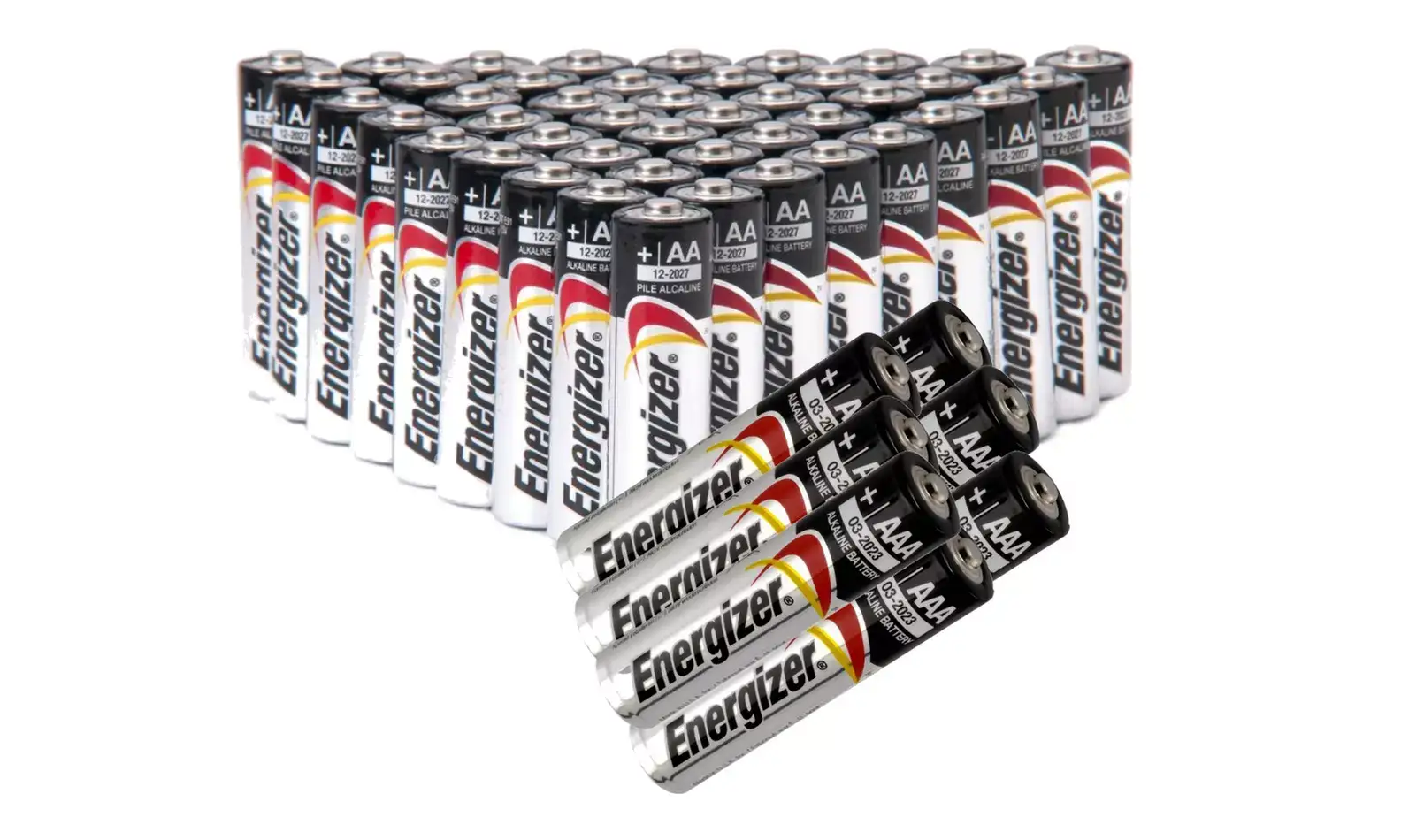
When Reddit user tom l. put Energizer AAA Max Alkaline Batteries (50 Count) into his insulin pump, he wasn’t thinking about branding or advertising — he was thinking about avoiding a “leaking crappy battery” that could ruin a device worth $10,000. His verdict? “You can’t understand the meaning… I have used duracells in other devices and they are leaking!” That kind of trust in Energizer’s leak protection and longevity is echoed across multiple platforms, giving these batteries a strong 9/10 for reliability and value in everyday use.
Quick Verdict: Conditional — great if buying in bulk for high-use households, less ideal for those who value easy returns.
| Pros | Cons |
|---|---|
| Long shelf life (up to 10 years) | Amazon purchases often not returnable |
| Leak protection praised by medical device users | Inconvenient small-pack packaging for bulk buyers |
| Consistent performance across devices | Slow shipping reported by some Prime members |
| Competitive per-unit pricing online | Some batteries arrive without clear “E92” marking |
| Well-known and trusted brand | Occasional reports of mislabeled or substituted products |
| Lower cost vs Duracell with equal or better life |
Claims vs Reality
Energizer markets this pack with three big promises: up to 10 years of shelf life, proprietary Power Seal Technology to prevent leaks, and zero mercury construction for environmental safety.
On the shelf life claim, a Best Buy reviewer confirmed storing them “for months” before use with no drop in performance — handy for emergency kits and seasonal devices. Reddit user michael d. puts these to the test in his flameless candles, which run 6-8 hours a day, and still reports happiness with their longevity, saying, "Energizer has always been my top battery maker!"
Leak protection is more than marketing for medical users: tom l. trusts these in his insulin pump due to past bad experiences with leaks from other brands. Similarly, multiple Twitter reviewers mention avoiding Duracell because “Duracell batteries leaked and ruined my flashlight.”
Zero mercury claims weren’t directly challenged — though for most users, environmental safety was secondary to reliability and cost. The reality matches the branding here, with no leak incidents reported when the batteries were stored correctly and used within their recommended shelf life.
Cross-Platform Consensus
Universally Praised
Everyday electronics users — from flashlights to gaming controllers — report dependable power. A Best Buy customer used them in a smart front door lock and was surprised: “It unlocks really fast in milliseconds now!” For high-drain devices like headlamps, a Twitter review confirmed they “last just as long or longer than the competition, and are somewhat less expensive.”
Bulk buyers particularly appreciate the per-unit value. On Sharvibe, one enthusiast claimed to have bought “over 1000 of them” and noted they lasted “way longer than cheap generic brands.” This makes them a strong fit for households with multiple battery-powered items, and for tinkerers or DIYers who burn through AAA cells regularly.
Common Complaints
Packaging logistics frustrate many. michael d. orders 100 AAA monthly but dislikes that they arrive in many small internal boxes: “2 extras are taped onto that outer box… packaging is inconvenient.” Similarly, several Amazon buyers disliked receiving “a bunch of 4 packs set up for individual sale” for bulk purchases.
Return policies on Amazon are a pain point. One Prime member described a “major waste of time & money” when they couldn’t return unopened batteries despite Amazon’s usual leniency for other items, adding “they’ll accept clothes… but they won’t accept batteries.” Slow shipping on what was expected to be two-day deliveries added to dissatisfaction in these cases.
Divisive Features
Price perception varies by buying source. Sharvibe users celebrate 75–80¢ per battery online, but others argue smaller local packs can be more cost-effective when factoring shipping and import fees. While the design protects from leaks, packaging inconvenience was a frequent trade-off mentioned, with bulk buyers tolerating it for price savings, while casual buyers saw it as needless waste.
Trust & Reliability
Trust in Energizer largely stems from consistent product quality and avoidance of leaks over time. On Trustpilot, one customer contrasted a ruined Duracell shipment (substitution issue on Groupon) against previous trouble-free Energizer orders.
Long-term users span a wide range: Reddit and Twitter threads include medical device users, outdoor workers, and home gadget owners who buy Energizer specifically for its reputation. While official shelf life is 10 years, Target’s listing for newer packs claims up to 12 years in storage — no long-term testers reported premature failure when stored appropriately.
Alternatives
Duracell is the most frequently mentioned competitor, but the stories lean negative — from leaking in flashlights to underperforming in locks compared with Energizer. Others noted Energizer Ultimate Lithium as a “5x longer lasting” option, per Sharvibe’s repeat buyer, though cost is much higher, making it suited for mission-critical gear rather than everyday household use.
Price & Value
On eBay, bulk prices for AAA Max range from ~$13 for 20 cells to ~$29 for 48 cells, indicating competitive per-unit costs around 60¢–75¢. Sharvibe users and multiple reviewers note these prices beat most brick-and-mortar deals, especially when factoring shipping included in bulk online purchases.
Buyers in remote locations should note Amazon’s added international shipping fees, which in one NZ example added $14.58 to a $27.34 order. Community consensus tip: buy in person if you need flexibility for returns or faster delivery; go online if you’re planning high-volume purchase and storage.
FAQ
Q: Are these batteries safe for medical devices?
A: Yes — several users, including one with an insulin pump, report choosing them specifically for leak protection and reliability over time.
Q: How long will they last in storage?
A: Officially up to 10 years, with newer Target listings claiming 12. Multiple reviewers confirmed months of storage without loss of charge.
Q: Why can’t I return them to Amazon?
A: Amazon’s policy marks batteries “not returnable” for safety. Buyers frustrated by this suggest purchasing locally if unsure about quantity or type needed.
Q: Do they work better than Duracell?
A: Many users believe so, citing longer runtime and fewer leaks. Direct comparisons in high-drain devices like locks and flashlights favored Energizer.
Q: Is the packaging bulk-friendly?
A: Bulk orders often arrive split into multiple small retail packs. While protective, some buyers find this inconvenient for storage and use.
Final Verdict: Buy if you’re a high-volume household user, outdoor worker, or relying on AAA batteries for medical devices and want proven leak resistance. Avoid if you expect easy returns or ultra-fast shipping from online orders. Pro tip from community: for devices where runtime trumps cost — like a remote campsite lantern — consider Energizer Ultimate Lithium; otherwise, the AAA Max hits the sweet spot of longevity, safety, and price.





