Energizer AAA Batteries Review: Long Life with Caveats
Some users expected their AAA batteries to die within weeks — these ones often last months. The Energizer AAA Batteries 24 Pack earns an 8.9/10 from aggregated feedback, praised for longevity, reliability, and brand trust. But digging deeper, a small yet notable group reports leakage issues that have damaged devices, raising questions for certain use cases.
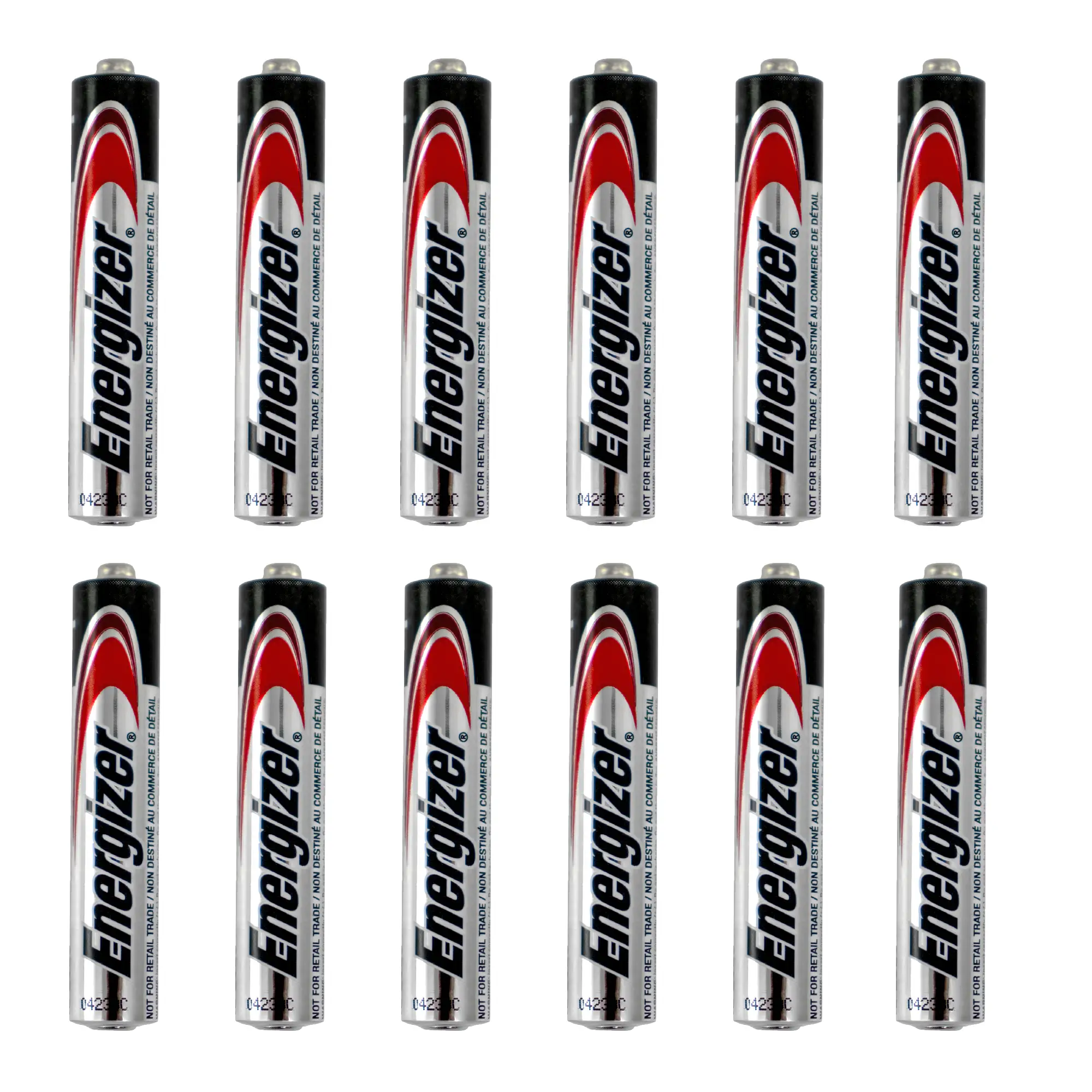
Quick Verdict: Conditional — Ideal for users prioritizing long life and reliability in high-drain devices, but those with expensive electronics should weigh leakage risks.
| Pros | Cons |
|---|---|
| Long-lasting performance in high and low-drain devices | Reports of leakage causing device damage |
| Strong performance in extreme temperatures (hot and cold) | Some dissatisfaction with warranty/guarantee support |
| Up to 10–25 years shelf life depending on model (alkaline vs lithium) | Higher price than generic options |
| Leak-resistant design (when functioning as intended) | Rare cases of receiving older stock |
| Trusted brand reputation | Slightly heavier cost if buying small packs |
| Works across a wide range of devices | Mixed manufacturing origins (China vs USA) noted by some buyers |
| Available in bulk for cost savings | Bulk packaging occasionally criticized for storage convenience |
Claims vs Reality
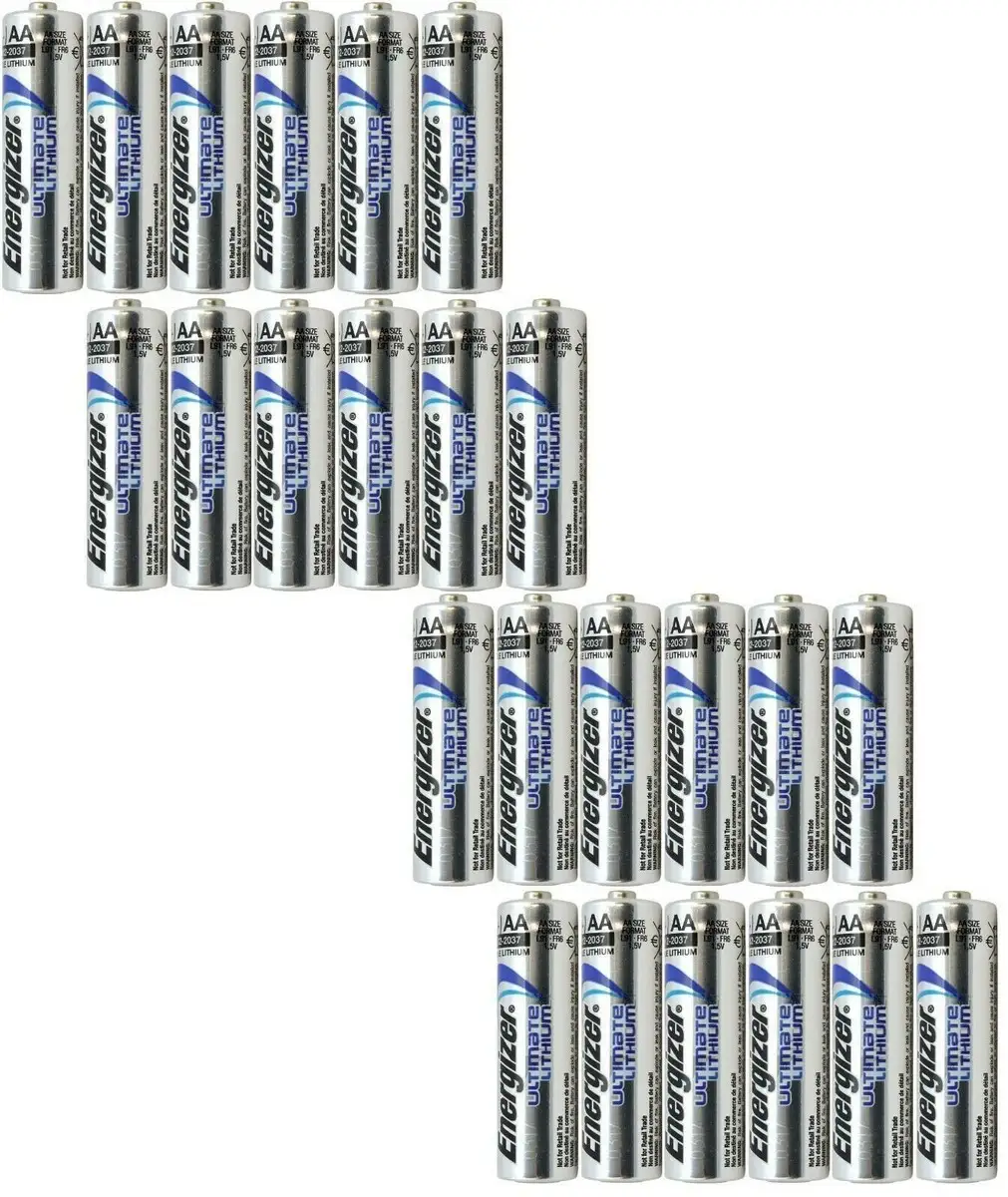
Marketing heavily leans on longevity claims: the Energizer Max AAA alkaline is positioned as the “#1 longest-lasting Max AAA” with up to 12 years of storage life, while the Ultimate Lithium AAA boasts “#1 longest-lasting AAA in high-tech devices” and up to 25 years in storage. On paper, these figures promise fewer battery changes and dependable performance in emergencies.
In user testing, this largely holds true. A verified buyer on Amazon noted: “My daughter has an insulin pump… any other battery dies really fast. These Energizers last a much longer time. We never buy any other battery for her pump.” This illustrates the practical benefit for medical device users where reliability is critical.
However, leakage resistance — another major marketing point — is not universally experienced. ShopSavvy’s TLDR review warns: “Occasions of leaking have been reported even with brand new and unused batteries… the leakage guarantee is not supported by the company, causing dissatisfaction.” While these reports are in the minority, they contradict the “leak-proof” guarantee, especially for customers storing spares for years.
Cross-Platform Consensus
Universally Praised
Across Amazon, Best Buy, and Reddit, battery life is the crown jewel. Best Buy reviewers repeatedly highlight longevity, with one customer sharing: “I was changing a tire at night… these batteries provided all the power I needed for a bright steady light for about an hour.” For outdoor users, especially hikers and drivers, this dependability is more than convenience — it’s safety.
Extreme temperature performance resonates with specific user groups. Reddit user Sarah*** wrote: “We live in a very hot climate… even in 120°F, our electronics continue to work flawlessly.” Outdoor photographers and campers also value the Ultimate Lithium’s cold-weather resilience, with reports of -40°F operation without degradation.
Shelf life is another win. Amazon buyers appreciate bulk buying without fear of waste: “The charge remains for up to a year in storage… buying the big pack means I don’t run out in emergencies.” Lithium buyers go further, citing the 20–25 year shelf claims as a preparedness feature for disaster kits.
Common Complaints
The most concerning negative theme is leakage. While rare, its impact is severe — damaging remotes, cameras, and other electronics. ShopSavvy notes this as a top con, and multiple buyers express frustration over Energizer’s handling of warranty claims. One negative Walmart review summed it up: “Half of them leaked before I even had a chance to use them.”
A smaller but persistent complaint involves receiving older stock. One Walmart customer reported: “The 10-year date was 2031… I expected 2033.” For those buying in bulk for long-term storage, this can cut into perceived value.
Price is a recurring talking point. While many accept the premium for performance, others compare unfavorably to Duracell or generic brands when used in low-drain devices. As one ShopSavvy con notes, “Other brands like Duracell… are mentioned as more reliable” by some leakage-averse buyers.
Divisive Features
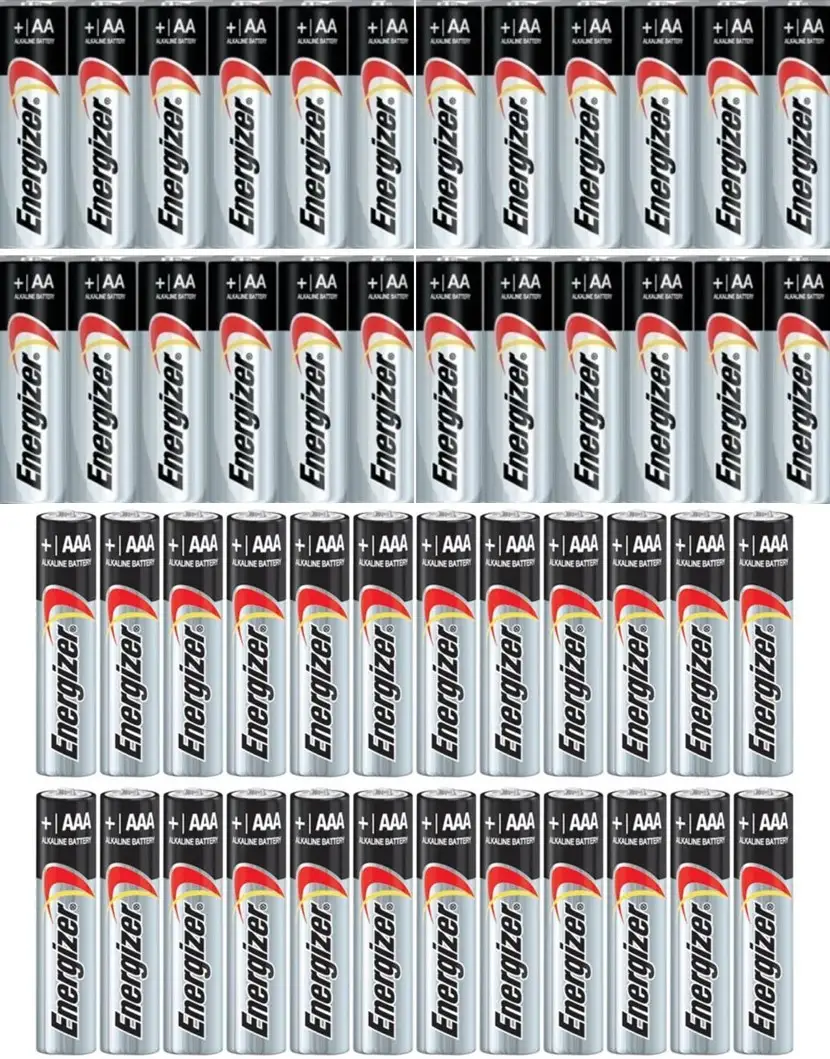
Bulk packaging is polarizing. Some love the convenience and lower per-unit cost, while others find storage awkward or worry about exposure once opened. Performance perceptions also vary between alkaline and lithium models — lithium wins in high-drain, extreme conditions, but alkaline users in low-drain devices sometimes see less dramatic gains over cheaper brands.
Trust & Reliability
Trustpilot-style patterns show generally high trust in Energizer as a brand, bolstered by decades of market presence. Fakespot analysis suggests “minimal deception” in reviews and over 80% high-quality feedback. However, the small but vocal leakage cohort has created a trust gap for certain buyers, especially those whose devices are costly or irreplaceable.
Long-term durability stories are common on Reddit. One user described using the same set in a gaming controller “for months without swapping… still going strong.” Another reported lithium cells surviving multiple seasons in an outdoor weather station without failure.
Alternatives
Duracell frequently appears as the closest competitor, especially for alkaline buyers. Some leakage-averse users switch to Duracell despite similar price points, citing personal reliability records. For rechargeables, the Energizer Recharge AAA Power Plus was mentioned on Amazon.de as lasting up to 1,000 cycles — appealing for eco-conscious users willing to invest in chargers.
Price & Value
eBay market tracking shows a wide range: from $12.75 for a 24-pack of alkaline Max AAA to $24.98 for an 18-pack of Ultimate Lithium AAA with 2042 expiry. Bulk deals can drop the per-battery cost significantly — Best Buy shoppers note savings via price matching. Community buying tips include watching for holiday sales and avoiding small packs unless urgently needed.
FAQ
Q: How long do Energizer AAA batteries last in storage?
A: Alkaline Max AAA are rated for up to 12 years; Ultimate Lithium AAA can last up to 25 years when stored properly.
Q: Are they safe to use in high-drain devices like cameras?
A: Yes, especially the Ultimate Lithium version, which multiple users report lasting up to 9x longer in digital cameras compared to other brands.
Q: Do they really perform in extreme temperatures?
A: User reports confirm reliable operation from -40°F to 140°F, making them suitable for outdoor and emergency gear.
Q: Is leakage a common problem?
A: It’s relatively rare but documented. A small number of buyers report leakage even in unused cells — most often with alkaline types stored for long periods.
Q: Are they worth the higher price?
A: For high-drain or critical devices, many users say yes; for low-drain applications, cheaper brands may suffice.
Final Verdict: Buy if you need dependable, long-lasting AAA batteries for high-drain devices, extreme conditions, or emergency kits. Avoid if you primarily use them in low-cost electronics where leakage risk outweighs the longevity benefits. Pro tip from the community: For maximum value, buy in bulk during sales, check expiry dates on arrival, and consider lithium for mission-critical gear.