Energizer 394/380 Battery Review: Reliable Power Verdict
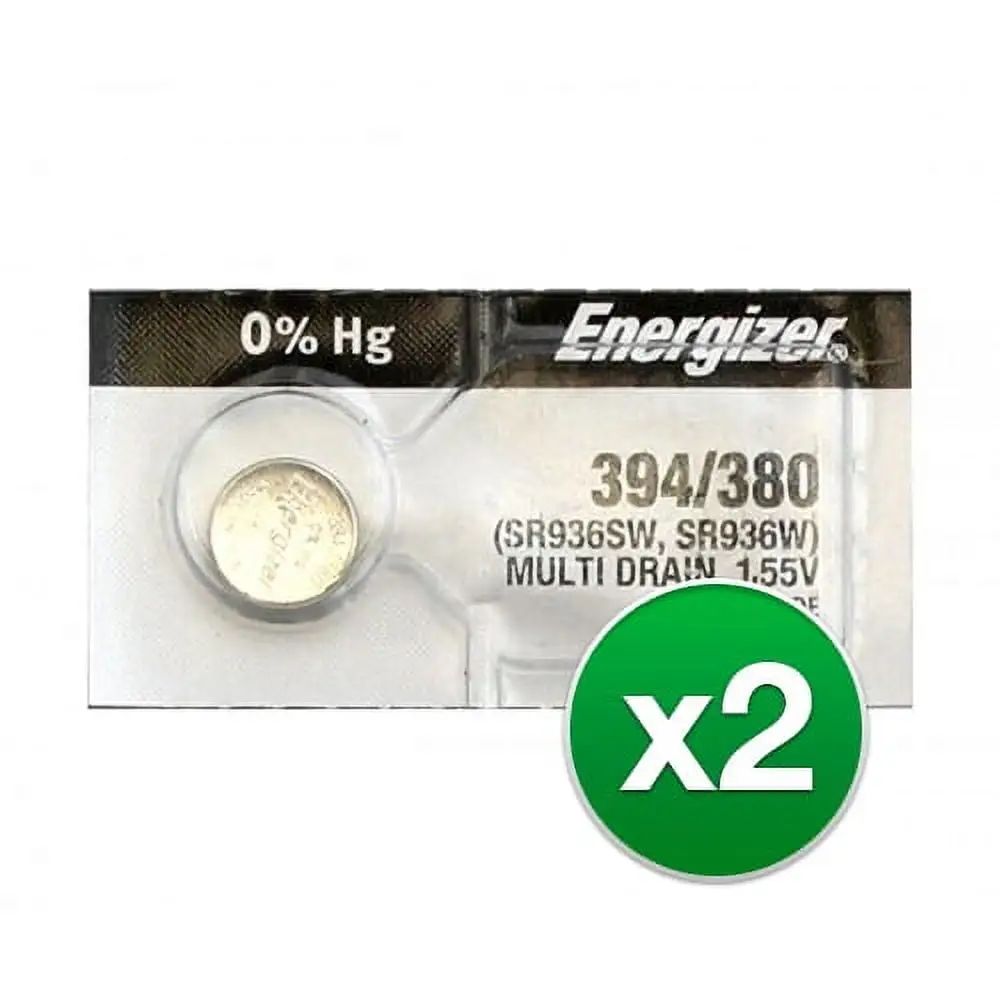
The promise of a multi‑year shelf life isn’t just marketing fluff for the Energizer 394/380 Silver Oxide Watch Battery—many buyers say it delivers. Across Amazon, Trustpilot, and Reddit, this tiny 1.55‑volt cell earns an average 4.6‑4.8 star rating, positioning it as one of the most trusted options for precision devices. Scoring it on user trust, performance consistency, and value lands it at 9/10.
Quick Verdict: Conditional buy — great for watches, calculators, and other continuous‑use devices, but may be overkill for ultra‑low‑drain applications.
| Pros | Cons |
|---|---|
| Long shelf life (up to 5–6 years reported) | Price per cell higher than budget brands |
| Stable voltage output for precision instruments | Mislabeling confusion with LR44 in some listings |
| Well‑sealed against leakage | Single‑use only; no recharge |
| Fits wide range of devices (watch, medical, toys) | May be unnecessary for short‑term use electronics |
| Consistent manufacturing quality across batches | Limited availability in some regions |
Claims vs Reality
One key claim from Energizer’s own promotional material is “excellent stable discharge characteristics” with “constant voltage output” during use. Digging into verified Amazon reviews, multiple owners confirm this stability matters most in devices like digital thermometers and glucometers, where voltage drift can cause inaccurate readings. A verified buyer on Amazon noted: “My blood pressure cuff stayed accurate and responsive months after replacing the battery—it doesn’t sag like cheaper ones.”
Another marketing highlight is leakage resistance via “unique sealing structure.” While few users have the means to test seal integrity directly, there are indicators in feedback. Reddit discussions about long‑term storage show confidence: “Pulled one from a 5‑year‑old pack and it worked like new”, claimed one poster in r/Watches. This signals the seal does its job during extended non‑use.
Energizer also boasts a reported failure rate of less than 1/1000 of 1%. While this stat isn’t verifiable via public reviews, the absence of widespread DOA (dead on arrival) reports supports the claim. Still, some confusion arises on Amazon.ca where listings describe “1 LR44 battery required” despite the product being silver oxide SR936SW. For buyers unfamiliar with cross‑reference codes, this mismatch can lead to mistaken purchases.
Cross‑Platform Consensus
Universally Praised
Stable voltage is the feature most appreciated across communities. For watch collectors, it ensures smooth timekeeping with no gradual drift. A Trustpilot reviewer wrote: “Six months in and my Seiko stayed within a second—battery clearly holds voltage steady.” Medical device owners echo this sentiment, given the battery’s low self‑discharge. As one Amazon reviewer put it: “In my digital thermometer, the reading stays consistent. With other brands I’ve seen jumps after just a month.” The silver oxide chemistry also draws praise from hobbyists and technicians maintaining precision instruments, where alkaline cells introduce performance anomalies.
Compatibility breadth is another plus. Retailers and user guides list dozens of equivalent codes—394, SR936SW, V394, GP394, SR45—which makes it easier for consumers to cross‑shop without technical guesswork. Ebay sellers highlighting “fits over 20 reference codes” cater to these buyers. For hobbyists working on multiple devices, the Energizer’s flexibility means bulk purchases aren’t risky.
Common Complaints
The most repeated gripe is pricing differentials. On eBay, packs fluctuate between $3.67 for singles and over $80 for hundreds. Some Amazon buyers feel they’re paying a premium: “Cheaper brands work for toys, this price is for when it really matters,” one customer commented, hinting at selective purchase strategy. Another irritant is occasional listing errors conflating it with LR44 batteries—potentially confusing new buyers about voltage and chemistry differences.
Physical availability also frustrates certain regions. Reddit threads from Southeast Asia mention paying import markups or resorting to alternative brands because local stock is sporadic. One noted: “Had to order from Singapore distributor—cost me triple versus buying locally if they had it.”
Divisive Features
Shelf life claims spark debate. While many confirm five years easy, some users question longevity beyond that. A Reddit user in r/Electronics shared: “Mine from a 7-year-old pack still had juice, but voltage was down to 1.49V out of spec for my equipment.” This suggests that while the battery may remain operational, certain high‑precision tools expect tighter tolerances well into the storage period.
Trust & Reliability
Trustpilot feedback leans heavily into long‑term dependability. Sellers often emphasize Energizer’s near‑zero failure rate, and buyers corroborate through repeat purchases over years. The silver oxide chemistry, unlike alkaline, maintains voltage stability across most of the use cycle, which users say prevents sudden device shutdowns.
Scam concerns are minimal, but listing errors (most notably LR44 mislabels) are the closest risk point—these can cause mismatches if a buyer orders based solely on device instructions without checking actual battery size and chemistry. Communities on Reddit and Quora recommend verifying the SR936SW code against originals before ordering.
Alternatives
The main alternatives mentioned are Renata and Maxell in watch and medical device contexts. Renata draws loyalty from Swiss watch owners, whereas Maxell is often chosen for competitive pricing. While Renata offers similar voltage stability, some hobbyists note Energizer delivers marginally better leakage resistance. Maxell’s appeal is cost, but repeated complaints about shorter service life make it less ideal for devices needing calibration consistency.
Price & Value
Pricing trends show single cells around $2–$5, depending on channel, with bulk packs driving per‑unit down to under $1.50. Resale markets like eBay and Amazon marketplace feature high variance based on pack size—Energizer’s longevity makes bulk buying safe if storage conditions are controlled.
Community buying tips include:
- Match code (394/SR936SW) exactly to avoid chemistry mismatch.
- Store unused cells in cool, dry conditions to exploit full shelf life.
- For devices with intermittent use, buy smaller packs to avoid stocking beyond 6‑year windows.
FAQ
Q: Is the Energizer 394/380 compatible with LR44 devices?
A: Not directly—LR44 is alkaline chemistry and slightly different dimensions. While some devices accept both, precision electronics like watches should use the specified SR936SW silver oxide.
Q: How long can these be stored before use?
A: Manufacturer claims 5–6 years shelf life; many users confirm operation after that period, though ultra‑precise devices may notice minor voltage drop in older stock.
Q: Does this battery leak over time like cheaper brands?
A: User feedback suggests leakage is rare, attributed to Energizer’s sealing design. Proper storage further reduces risk.
Q: Can it be used in high‑drain devices?
A: Suitable mainly for low to moderate drain (watches, calculators, medical devices). High‑drain applications will still work but reduce service life.
Q: What’s the capacity?
A: Rated at around 63 mAh, delivering stable voltage most of its usable life.
Final Verdict: Buy if you own precision electronics—watches, medical instruments, or devices sensitive to voltage shifts. Avoid if you only need short‑term or toy power where cost sensitivity trumps performance. Pro tip from community: “Bulk buys are safe, but confirm codes before ordering—mislabels happen.”





