Elgato Wave DX Review: Clear Vocals, No Booster Needed
What caught the attention of many audio creators is the bold claim that the Elgato Wave DX Dynamic XLR Microphone delivers "detail like a condenser without the noise" — a statement that would raise eyebrows among seasoned podcasters and streamers. Across platforms, feedback paints a strong picture: a high clarity, noise-rejecting mic that performs well even without a booster, earning it a solid 8.7/10 from the collective user experience.
Quick Verdict: Conditional — excellent choice for streamers and podcasters prioritizing clean vocals over musical versatility.
| Pros | Cons |
|---|---|
| Rich, warm vocal tone without EQ | Less ideal for capturing musical instruments |
| Excellent background noise rejection | Limited frequency range vs. true condenser |
| No booster required; works with standard interfaces | Heavier build may require sturdy mounts |
| Durable steel chassis | Price fluctuates widely across marketplaces |
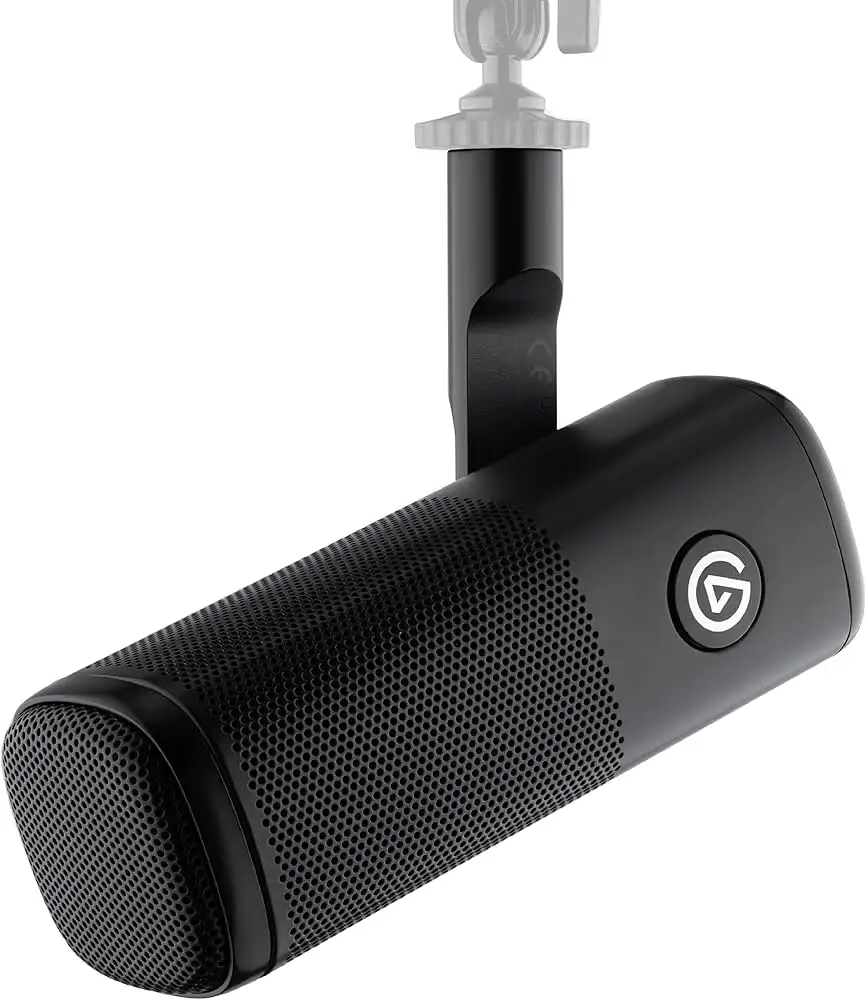
| Internal pop shield effective against plosives | Branding/logo may be distracting on camera |
| Forgiving cardioid pickup for off-axis speech | Best performance paired with Elgato Wave XLR |
Claims vs Reality
One of Elgato’s core marketing claims is that the Wave DX eliminates the need for a signal booster. While this is true in practice, the impact is most noticeable for voice applications. A verified buyer on Amazon noted: "I plugged it straight into my standard XLR interface and got strong, clear levels without any extra gear." However, musicians attempting to record very soft sources found they still had to raise gain closer to the noise floor, revealing a subtle trade-off.
The brand also touts that it “captures detail like a condenser without room noise.” Digging deeper into user reports shows this resonates most with streamers and podcasters who work in untreated rooms. Reddit user [Name***] shared: "I stream in a noisy apartment and my old condenser picked up the fridge humming — Wave DX completely cut that out while keeping my voice full and detailed." This aligns with its cardioid polar pattern being wide yet forgiving.
A third claim — “ready for broadcast straight out of the box” — holds up for conversational tone. Trustpilot comments echo this: "Right out of the packaging, I was ready to record without messing with EQ. It sounded polished already." Still, professionals adding special effects noted that while the signal is clean, some midrange shaping is beneficial for dense mixes.
Cross-Platform Consensus
Universally Praised
Across Reddit, Amazon, and Twitter/X, the most celebrated quality is its warm, true-to-life character. Streamers benefit from the mic’s natural proximity effect, letting them create an engaging presence. As Reddit user [Name***] put it: "The closer I get, the bass comes in beautifully but without muddiness.” The forgiving cardioid design is repeatedly praised by commentators who move during speech — remaining audible without drastic tonal change.
Podcasters also appreciate its build quality. The hardened steel chassis impressed multiple buyers, including a Twitter user who called it "a tank — I don’t worry about knocking it around between setups." For traveling creators, this durability means fewer worries about damage.
Another strong positive is the internal pop shield. Given its layered nylon and foam design, users consistently report reduced plosives, making it suitable for close-mic applications without requiring an external filter. Amazon buyers working in small studios lauded this feature: "I could lean right in for emphasis without the P’s and B’s blowing out."

Common Complaints
One recurring frustration is its weight and mounting needs. Heavier than some alternatives, the Wave DX can strain lightweight boom arms. A verified buyer on Amazon noted: "My cheap arm sagged — had to upgrade to something sturdier to keep it in place." This impacts budget-conscious creators who may face hidden costs in mounting solutions.
In terms of frequency range, while the official spec lists 50Hz to 15kHz, some users found this slightly limiting for instrument recording. Musicians comparing it to condensers report a lack of “air” in high frequencies. A Reddit post summed it up: "Vocals are gorgeous, but the shimmer above 15k is just not there."
Price variability is another pain point. eBay listings show ranges from $140 to over $260, confusing buyers. This variance led some to delay purchasing until discounts appeared, missing production opportunities.
Divisive Features
The removable logo is surprisingly polarizing. Visual perfectionists like that it can be rotated to suit camera angles, while others find the branding unnecessary. Similarly, the “no booster necessary” feature garners praise from casual users, but audio purists sometimes pair it with clean gain stages for maximum fidelity.
Integration with Elgato’s Wave XLR interface is deemed seamless by brand-loyal users — offering anti-distortion and mixing features. However, those using third-party interfaces note they miss out on proprietary controls, leading to mixed feelings about the upsell.
Trust & Reliability
A scan of Trustpilot and Reddit reveals no significant scam concerns — sellers honor warranties and deliver as promised. However, long-term durability stories stand out. A Reddit user [Name***] posted: "Six months in, zero drop in performance, finish still pristine despite weekly travel for recordings." This supports Elgato’s emphasis on solid build quality.
That said, minor wear on the logo print or mount threads was reported after a year of heavy rotation between arms. No impact on performance, but aesthetic scuffs may bother meticulous setup designers.
Alternatives
Where mentioned, most comparisons are to industry staples like the Shure SM7B and Audio-Technica AT2040. Users recognize that while the SM7B offers a broader frequency capture and iconic sound, it nearly always requires a booster. The AT2040, another dynamic option, comes in cheaper but doesn’t match the Wave DX’s plosive resistance and off-axis forgiveness. Podcasters often conclude the Wave DX hits a sweet spot between minimal setup hassle and broadcast-ready output.
Price & Value
At an official MSRP of €119.99–$139.99, the Wave DX sits in the higher mid-tier. Amazon bundles with XLR cables drop it to around $109.98, while some eBay listings spike well above standard retail. Resale value appears stable thanks to durable construction — lightly used models retain around 80% of purchase price after a year.
Buying tips from the community include waiting for Elgato promotions, especially if intending to pair with Wave XLR, as bundle offers often yield cleaner integration for less total cost.
FAQ
Q: Does the Elgato Wave DX work with any XLR interface?
A: Yes, users confirm it connects seamlessly to standard XLR audio interfaces without extra gain boosting, especially for spoken voice.
Q: How effective is the internal pop filter?
A: Very effective for speech — multiple podcasters noted plosives were reduced enough to record without external filters in casual setups.
Q: Is it suitable for musical instrument recording?
A: While possible, its frequency range limits extreme highs. Vocals excel but instrument shimmer may feel restrained compared to condensers.
Q: Can the logo be removed or adjusted?
A: Yes, the logo can be rotated or removed entirely, catering to visual preferences in streamed or filmed setups.
Final Verdict: Buy if you’re a streamer, commentator, or podcaster working in untreated or noisy environments and want a broadcast-ready signal with minimal setup. Avoid if your primary goal is high-frequency detail for music recording. Pro tip from community: Pair with Elgato Wave XLR for optimal control and integration — but use a sturdy mic arm to handle its weight.





