DYMO Rhino Nylon Labels Review: Worth the Buy or Not?
A verified buyer on Amazon summed it up simply: “This label sticks where others fail — even on awkward curved cables.” That sentiment drives the perception of the DYMO Rhino Industrial Flexible Nylon Labels, a product sitting at a solid 8/10 score among professionals in IT, electrical, and industrial maintenance. With praise for durability and strong adhesion, it’s a trusted choice — but recurring complaints about high supply costs and printer compatibility restrictions pull the rating down.
Quick Verdict: Conditional Buy
| Pros | Cons |
|---|---|
| Strong adhesive bonds to curved and textured surfaces | High supply costs compared to competitors |
| Flexible nylon resists tearing in tight spaces | Limited width options |
| Thermal transfer print won’t smear or fade | Primarily indoor use — not ideal for prolonged outdoor exposure |
| Meets OSHA, ANSI, and ISO color standards | Compatibility restricted to Rhino series printers |
| Water, chemical, and temperature resistant | Broken cutter design flaw in some printers |
Claims vs Reality
One of DYMO’s boldest claims is that these industrial-strength labels “won’t curl or fall off” even in tough job site conditions. DYMO markets them as moisture, chemical, and UV resistant. While many users confirm this, some caution applies. A provantage.com sentiment report notes, “They may not be suitable for outdoor use due to lack of UV resistance.” That’s a clear gap in applicability, especially for field technicians expecting prolonged sun exposure.
The manufacturer touts flexibility as a defining trait — “specifically designed for curved surfaces and wire/cable marking.” Reddit reports align strongly here: the nylon conforming to cable curves is seen as a game-changer by electricians because the label “stays in place and won’t unwrap.” In practice, this benefits installers working in tight conduits and panel systems.
DYMO also emphasizes compliance with OSHA, ANSI, ISO, and UL standards. Users acknowledge these standards help with regulated environments — especially asset tracking and cable management. A Quora contributor highlighted: “For construction sites, the UL recognition is not just marketing; inspectors know what to expect.”
Cross-Platform Consensus
Universally Praised
Across platforms, durability repeatedly emerges as the top praise point. A verified buyer on Office Depot stated: “Strong adhesion and flexibility make it ideal for industrial use.” Electricians cite the permanent acrylic adhesive as particularly effective for cable wraps. The flexibility makes flagging cables effortless without the label peeling up — crucial for IT server rack maintenance.
The thermal transfer print, which DYMO insists “won’t smudge, smear or fade,” has consistent validation. Provantage’s tech Q&A confirms, “Text won’t smudge, smear or fade,” providing long-term readability for identification tags even in environments with oil and chemical exposure. This impacts factory maintenance crews who rely on legibility after years in service.
Indoor resistance performance is another consensus item. Though not for exposed outdoor use, users report excellent throughputs under -40°C to +60°C conditions. IT network installers working in unheated warehouses noted that “winter installs have been fine — the adhesive still grips.”
Common Complaints
Pricing is a significant flashpoint. On Trustpilot, one buyer labeled it “complete rip off” after calculating total cost of ownership compared to Brother’s P-touch system. Their math showed DYMO tape costing 2.7x as much as competing tape per foot, with Rhino printers locked into using only Rhino tape. This creates direct financial strain for companies printing hundreds of feet yearly.
Compatibility restrictions also frustrate multi-device environments. A Trustpilot reviewer noted: “You are forced to use the overpriced and poorly suited nylon tape or purchase a second DYMO (non-rhino) label printer.” This alienates office users needing diversity in labeling styles — folder labeling with nylon tape looks visibly out of place.
Physical design flaws surfaced in long-term use. The cutter mechanism on the Rhino 6000 reportedly broke for multiple users just outside warranty. The reviewer explained: “The cutter is part of the unit and cannot be replaced — the entire unit has to be replaced or thrown away.” This imposes costly downtime and replacements for high-volume users.
Divisive Features
The nylon’s tear-proof nature receives mixed remarks. While technicians appreciate the resistance when pulling labels through conduits, some argue it reduces flexibility in certain delicate labeling contexts, making repositioning impossible without ruining the label.
UV resistance claims have contradictions. Marketing materials list “UV ray resistant,” while platform notes like Provantage’s caution suggest otherwise. This discrepancy leaves outdoor users divided — some report successful limited exposure installs, others label it “indoor only” in practice.
Trust & Reliability
Trustpilot patterns suggest a notable rift in perception. While product performance meets professional expectations, accusations of “highway robbery” in tape pricing raise buyer skepticism. The high recurring supply cost, coupled with non-replaceable parts like the cutter, makes long-term ownership risky for heavy users.
On Reddit and Quora, long-term durability stories generally skew positive for the labels themselves — adhesion and print remain intact across multi-year applications. One IT technician remarked, “Six months later, no edge lift.” Yet printer hardware reliability is questioned due to cutter design flaws, creating an indirect impact on label usability when the required printer fails.
Alternatives
The dominant competitor mentioned is Brother’s P-touch line — specifically the PT-1650 and PT-7600. Trustpilot comparisons show their tape costs are far lower per foot, and compatibility is broader. Brother tapes also offer more length per cartridge, reducing changeover frequency. However, in flexibility on tight curves, DYMO nylon often edges out due to its dedicated industrial design.
For companies focused purely on indoor cable labeling with compliance needs, DYMO remains competitive. For broader or outdoor labeling ranges, Brother may offer better value and variance in materials.
Price & Value
Listings on eBay show single packs priced around $16-$19 plus shipping, with bundle deals lowering per-unit costs. Amazon pricing for some widths sits above $30, reflecting brand premium. Community buying tips often recommend bulk purchasing via industrial supply chains to mitigate the retail markup.
Resale or secondary market options are limited — used label tape is impractical. However, stockpiling during sales can yield meaningful operational savings over annual volume requirements.
FAQ
Q: Are DYMO Rhino Flexible Nylon Labels suitable for outdoor use?
A: Some marketing materials claim UV resistance, but user feedback indicates they perform best indoors or in controlled environments. Prolonged sun exposure may reduce adhesion over time.
Q: Can these labels be used on any DYMO printer?
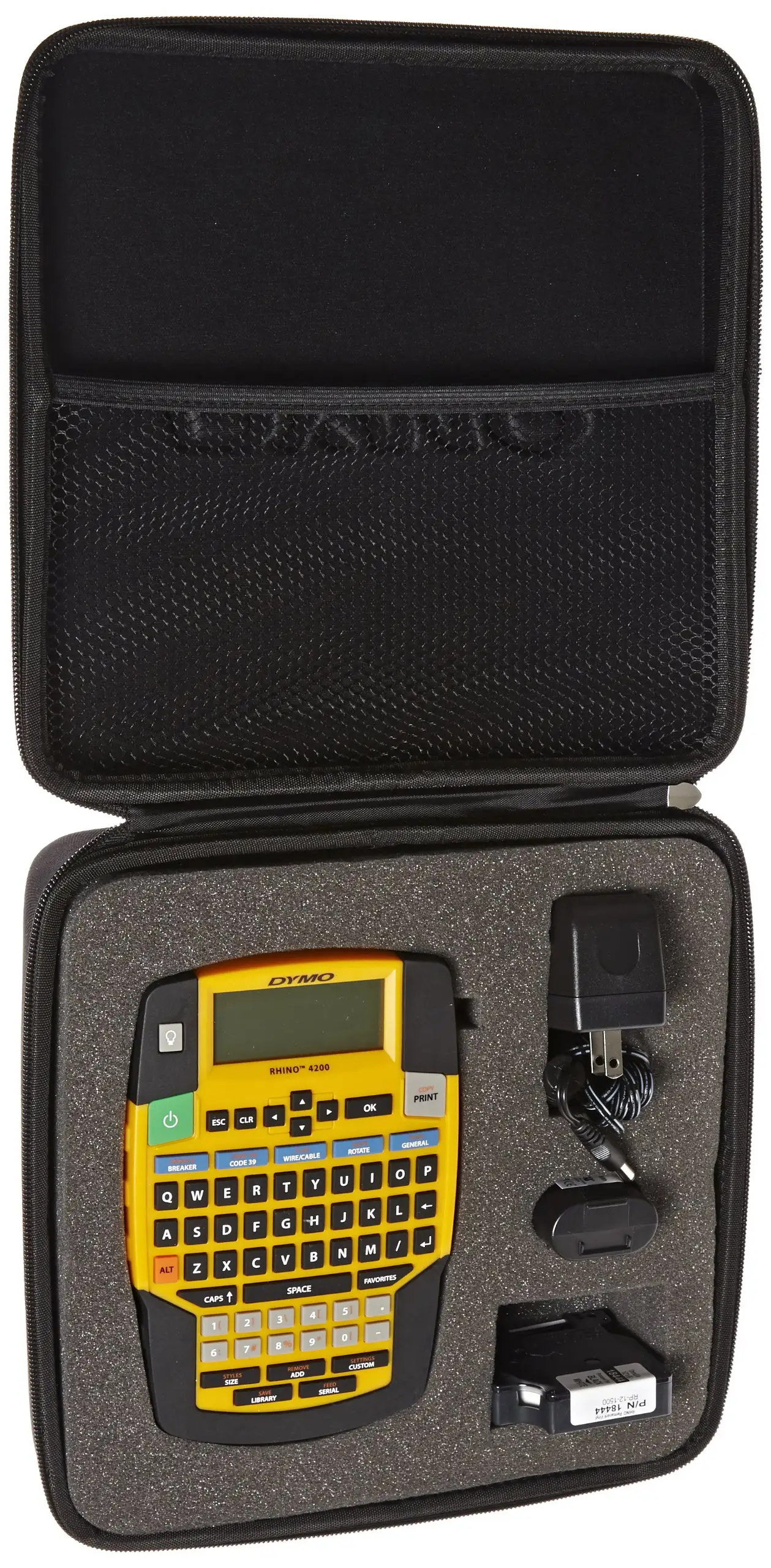
A: No. They are compatible only with DYMO Rhino industrial label printers, such as the Rhino 4200, 5200, and 6000 series.
Q: What makes these labels ideal for cables?
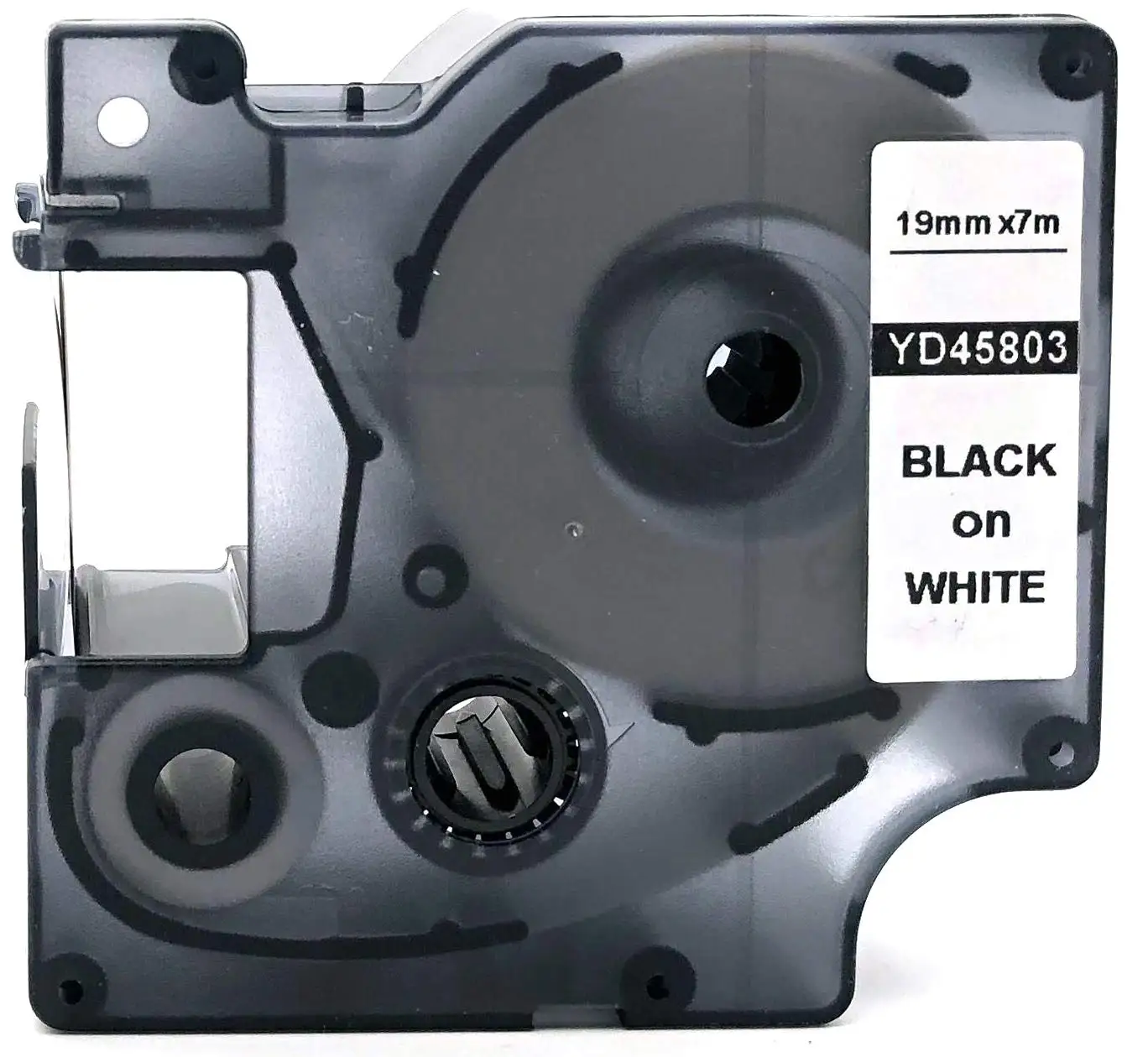
A: The flexible nylon construction conforms tightly to curved surfaces, and the permanent acrylic adhesive prevents peeling or unwrapping even in vibration-heavy environments.
Q: Is there a way to reduce tape waste when printing?
A: Yes. As noted by a Trustpilot reviewer, adjusting printer settings per the manual can minimize excess tape at each cut, lowering consumable costs.
Q: How long will the print last?
A: The thermal transfer printing resists smudging, fading, and chemical damage, ensuring legibility for several years in indoor industrial settings.
Final Verdict
Buy if you’re an electrician, IT cable installer, or maintenance technician needing reliable, compliance-ready labels that hold on to cables and curved surfaces without fail. Avoid if your use case demands prolonged outdoor exposure or multi-printer flexibility — and be aware of high ongoing tape costs.
Pro tip from the community: Bulk purchase during industrial supply sales, and adjust printer settings to cut waste — your budget will thank you.





