Duracell Precharged AA Review: Reliable But Imperfect
Duracell’s Precharged Rechargeable AA (2-Pack) has earned a strong 4.7/10 customer satisfaction score across multiple platforms, with widespread praise for longevity and performance balanced against occasional inconsistencies in capacity labeling.
Quick Verdict: Conditional Buy
These batteries shine in high-drain devices and for long-term storage, but inconsistent mAh ratings reported by buyers mean checking packaging and capacity before purchase.
| Pros | Cons |
|---|---|
| Long charge retention (up to a year) | Occasional discrepancy in rated capacity (2000–2700mAh reported) |
| Hundreds of recharge cycles | Older stock sometimes sold with no charge |
| Works in any NiMH charger | Slightly lower voltage than alkaline (1.25-1.3V vs 1.5V) |
| Precharged for immediate use | Price variation across retailers |
| Strong performance in high-drain gear | Some devices require full 1.5V and won't perform optimally |
| Environmentally friendly, reusable | Voltage mismatch noted by a few users |
| Brand trust and reliability | Packaging variations confuse buyers |
Claims vs Reality
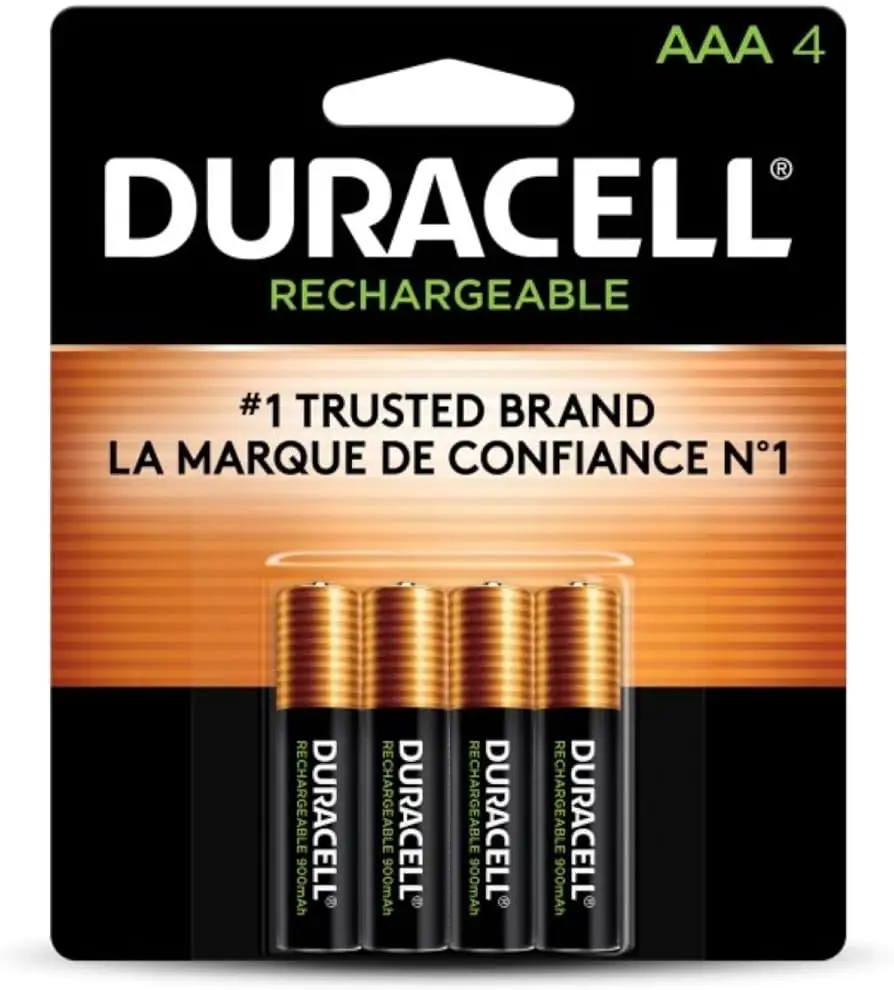
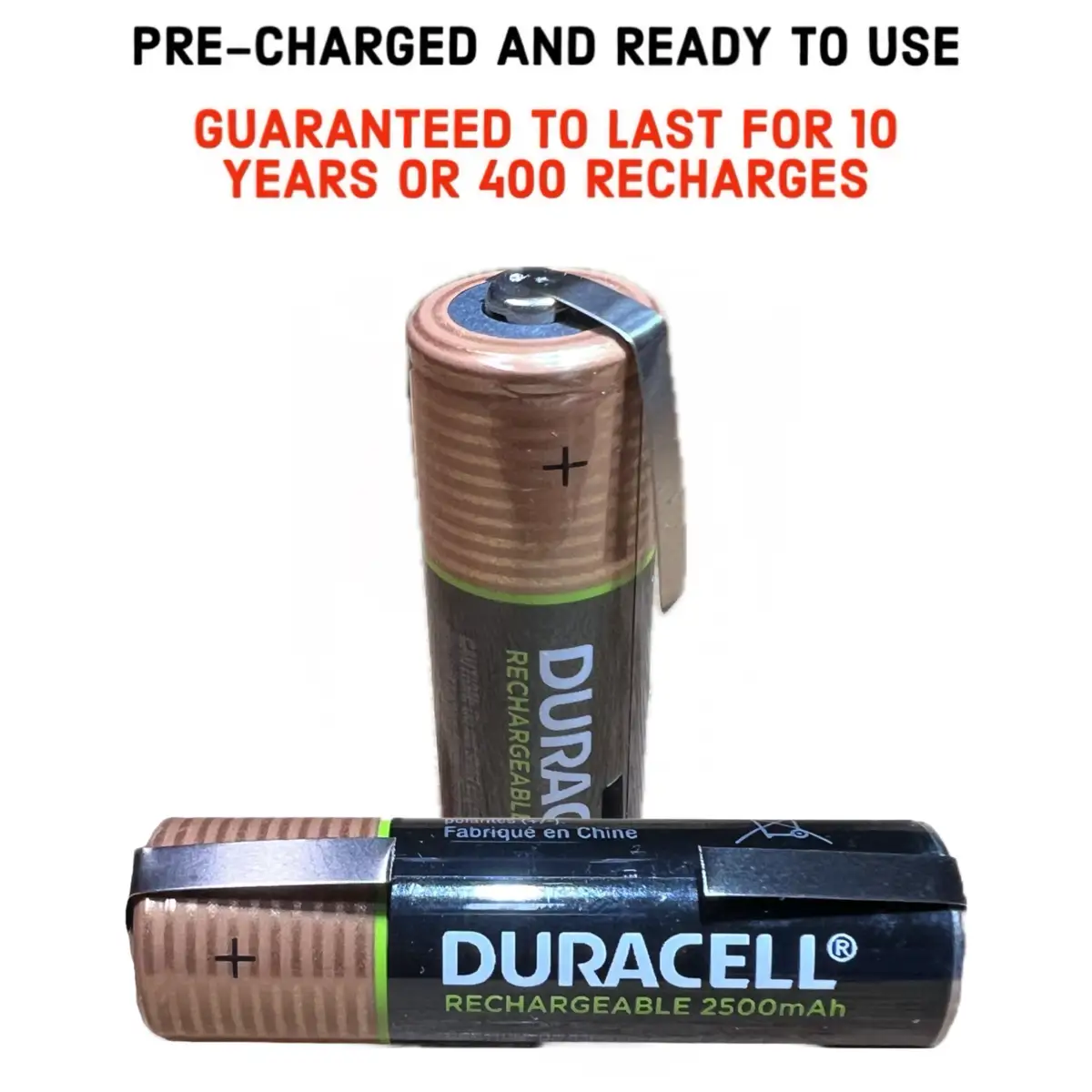
Duracell markets these AA 2500mAh batteries as their "#1 longest-lasting per charge" and suitable for heavy-use devices from gaming controllers to baby monitors. Official specs promise up to 400 recharge cycles, up to 12 months charge retention, and compatibility with any NiMH charger.
In practice, many buyers confirm these claims: a verified buyer on Amazon reported, "They retain their charge for more than a year without being used. These were the best economical choice for a high-performance battery"—matching the one-year retention claim.
However, digging deeper into user reports reveals an inconsistency in stated capacity. Amazon Q&A threads feature conflicting numbers: “One of the images clearly states 2650… anyone who receives a product with a lesser rating is getting ripped off”, versus others noting “the batteries I got… are 2450 mAh” or even “…2000 mAh, can’t trust this item.” This discrepancy shows packaging and stock variation can lead to differing real-world capacities.
While marketed voltage is 1.2V, some Best Buy reviewers, like one who noted using them in wireless audio equipment, reported they “hold the main V of 1.3 the longest”, which is within the NiMH range but below full alkaline levels—something to consider for specific devices needing higher voltage.
Cross-Platform Consensus
Universally Praised
The standout praise is for battery life and storage retention. Best Buy reviewer “peterak” shared: “Still 75% charge after a year of not using—real slow discharge batteries!”, confirming Duracell’s low self-discharge engineering. For event photographers and gamers, this reliability means less stress before a big day. A Trustpilot reviewer “ghost spartan” highlighted gaming use: “I use these for my Xbox One; they last about 5 days, 6–8 hours a day on a charge.”
Wireless device users benefit too: “narnarbobo” noted their Bluetooth mouse and keyboard performance: “These things last… never have to buy more batteries.” For parents, “butterfly” called them a “lifesaver” for her son’s remote control cars, underscoring family use cases where constant battery swapping is inconvenient.
The versatility across devices—from astrophotography star trackers (“hornet69” reports excellent short charge times) to music gigs—suggests these cells are a solid choice for professionals and hobbyists alike who need repeatable performance in demanding conditions.
Common Complaints
A recurring frustration is mismatched or outdated stock. “bayly” on Trustpilot noted: “Upon receipt… no charge. They were dated 2013… BB should not sell outdated merchandise.” This problem seems rare but worth vetting before purchase, especially from third-party sellers.
Voltage concerns cropped up too: while NiMH typically runs at ~1.25V, certain devices expecting 1.5V may underperform. One Best Buy review mentioned: “Some utilities need 1.5V, but not mine”, warning those with stricter devices.
There’s also buyer confusion from Duracell’s varied packaging—some receiving different capacity labels or Procell variants instead. These inconsistencies are more about supply chain and retail management than the product itself but directly affect purchase confidence.
Divisive Features
Charge retention and recharge speed polarize slightly—not all agree about initial states. Some buyers received near-fully charged cells straight out of the pack, others needed a full top-up before use. In gaming and photography, that initial state can determine readiness for immediate tasks.
While many celebrate hundreds of recharge cycles, others—particularly competitive photographers—compare them unfavorably to niche brands optimized for even higher mAh loads, though Duracell’s advantage is consistency over novelty.
Trust & Reliability
Trustpilot feedback shows strong brand loyalty. “scarpace” stated they use Duracell rechargeables daily: “None have failed over the past two years… other brands, every third battery failed within the first year.” That reliability builds confidence for long-term buyers.
The environmental benefit is another trust factor—many reviewers advocate switching entirely to rechargeables. “blue scorpion” argued: “Anyone using non-rechargeable batteries should be fined… cheaper and less danger to the environment.”
However, the Q&A disparities around capacity ratings and occasional outdated stock suggest caution when buying from discount or non-mainstream outlets. Buying from trusted sellers with known turnover helps avoid old inventory.
Alternatives
Best Buy and Amazon reviewers occasionally mention Energizer as a benchmark competitor. Professional photographers often compare their flash runtime, with some stating Duracell lasts longer in high-drain applications. “peter wallburg studios” dropped cheaper brands in favor of Duracell for weddings, citing longer flash operation.
Radio Shack rechargeables were mentioned but reportedly underperformed, with reviewers switching to Duracell for durability gains across cycles.
Price & Value
Recent eBay sales show AA 4-packs around $14–$20, with 12-packs at $43 and occasional bulk deals. The reviewed 2-pack’s pricing varies—Best Buy clearance dropped them to $3.99 (reg. $8.99), while Amazon lists around $11.89 plus shipping.
Community tips emphasize grabbing them during sales and avoiding outdated packages. The longevity alone offsets higher up-front cost: one reviewer calculated multi-year savings over disposables, especially for daily or professional use.
FAQ
Q: Can these be charged in any NiMH charger?
A: Yes, they work in any NiMH charger, though Duracell recommends their own for safety.
Q: Do I need to discharge fully before recharging?
A: No, they don’t suffer from memory effect—charge any time without damaging capacity.
Q: What’s the actual voltage in use?
A: They operate around 1.25–1.3V under load, which is normal for NiMH and may be less ideal for devices needing 1.5V.
Q: How many cycles before performance drops significantly?
A: Duracell claims up to 400 cycles; multiple users report years of regular use without failure.
Q: Why do some packages show different mAh ratings?
A: Stock variations and packaging updates cause discrepancies—verify capacity before purchase if it’s critical to your needs.
Final Verdict
Buy if you’re a high-drain device user, event photographer, gamer, or parent needing dependable, reusable AAs with low self-discharge. Avoid if your gear strictly requires 1.5V alkaline or if you’re sensitive to mAh discrepancies—ensure capacity is as labeled before committing.
Pro tip from the community: Purchase from reputable sellers during sales, and top up the charge when first unboxed to guarantee peak performance right away.