Duracell Precharged AA Battery Review: Conditional Buy Verdict
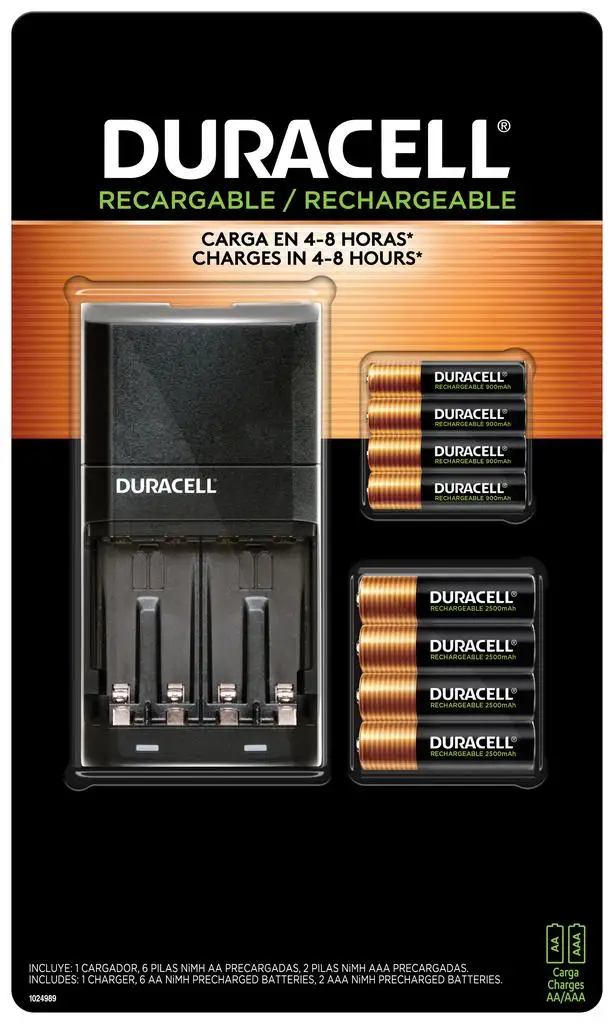
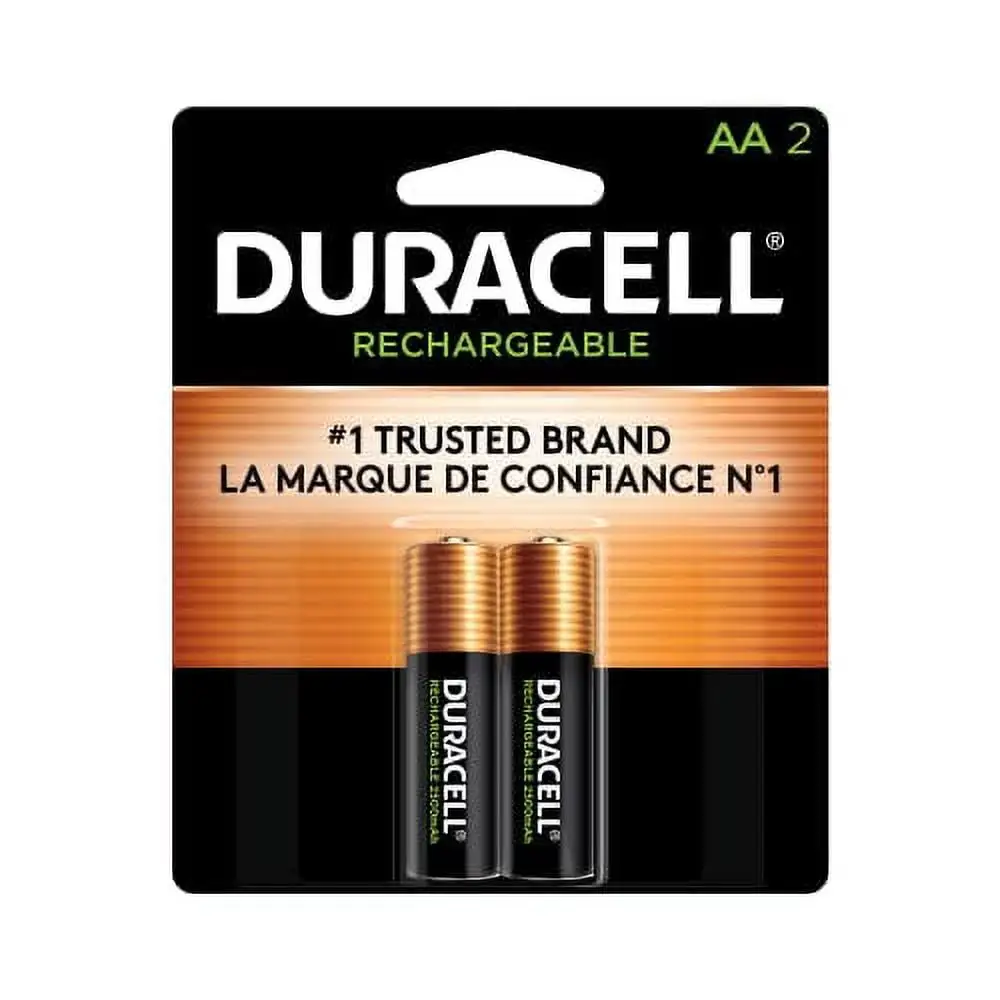
Duracell’s Precharged Rechargeable AA Battery (Pack of 2) holds an impressive 4.7/5 average rating across platforms, with long battery life being the most cited strength. These 2500mAh NiMH cells are marketed as the brand’s “#1 longest-lasting per charge,” and much of the user community agrees — but there are caveats around voltage expectations and initial charge conditions that matter depending on the device.
Quick Verdict: Conditional Buy
| Pros | Cons |
|---|---|
| Excellent capacity at 2500mAh for AA size | Lower nominal voltage (1.2V) not ideal for all devices |
| Retain up to 75–80% charge after a year unused | Some customers reported receiving out-of-date stock |
| Hundreds of recharge cycles (up to 400) | Price per cell higher than basic rechargeables |
| Perform well in high-drain devices like cameras and game controllers | Significant upfront cost for bulk packs |
| Precharged and usable out of the box | Rare reports of receiving uncharged units |
| Faster charge times when paired with quality charger | Marketing clarity lacking on voltage vs. alkaline replacement equivalency |
Claims vs Reality
Duracell advertises these AA rechargeables as guaranteed for 10 years or 400 recharges, precharged, and ready to use — able to “hold a charge for up to 1 year when not in use.” Digging deeper into user reports, retention claims align for most buyers. Best Buy customer Peterak backed this with: “They have still 75% charge after a year of not using, real slow discharge batteries!” This longevity is a clear asset for seasonal-use gear like astrophotography setups or camping tech.
Marketing emphasis is also strong on suitability for heavy-use devices. The spec sheet lists “video game controllers, wireless electronics, baby monitors.” Users put that claim to the test. Ghost Spartan on Trustpilot reported Xbox One sessions of “5 days, 6-8 hours a day of use… it takes 40-60 minutes to fully charge them.” This heavy-load scenario matched the claim.
Voltage specification, however, is less transparent. While officially rated at 1.2V (standard for NiMH), some devices expecting 1.5V alkalines may see shorter runtimes or incompatibility. One Best Buy reviewer noted, “Some utilities need 1.5v, but not mine. This rechargeable hold the main v of 1.3 the longest.” Yet three reviewers mentioned “voltage” as a con, highlighting the gap between marketing imagery and technical requirements.
Cross-Platform Consensus
Universally Praised
Battery life stands out above all. Multiple long-term users reported multi-year service without noticeable capacity drop. Scarpace praised, “None have failed over the past two years… every third battery [from other brands] will fail within the first year.” Professional photographers and gamers find the capacity particularly beneficial — Peter Wallburg Studios used them for weddings, saying, “These batteries last a long time powering my flash.”
Retention during storage wins favor among occasional-use owners. A verified Best Buy buyer explained leaving them idle: “They retain their charge for more than a year without being used.” That’s backed by Duracell’s own Duralock technology claims and echoed across Reddit discussions referencing 12-month post-charge stability.
Durability and build also earn trust. Benny Boy Ninja said they “feel more durable than [other brands]… hold more charge.” From remote control cars to studio equipment, the sentiment remains that they outperform generic or entry-level rechargeables.
Common Complaints
Price is a recurring sore point; Amazon buyers and eBay watchers highlight higher per-cell cost compared to competitors. Pjsjs docked a star simply for “about 20% high” pricing. Outdated or uncharged stock incidents create frustration — Bayly noted getting cells dated 2013 in 2015, arriving dead, while still acknowledging they “seem to be holding the charge well” after recharge.
Device compatibility issues trace back to NiMH’s 1.2V chemistry. Users expecting alkaline-matching behavior sometimes faced performance differences in voltage-sensitive electronics like medical equipment, though most high-drain devices ran fine. While Duracell’s FAQ addresses this, marketing rarely highlights it prominently.
Packaging and stock transparency earned critique. Some needed in-store inspection to confirm capacity ratings, as Otima Ci shared: “You had to go to the store and read the packages… located on a low display position.”
Divisive Features
Color and design (bright green label) help prevent losses for some; Narnarbobo loved spotting them “from the next room” when misplaced. Others focus purely on performance metrics and see cosmetics as irrelevant. Precharged marketing splits sentiment: buyers expecting maximum charge out-of-box sometimes reported partial charge levels, while others enjoyed immediate usability.
Trust & Reliability
Scam concerns are minimal with direct retailer purchases but surfaced for third-party sellers. Amazon reviewers warned against certain vendors supplying “Chinese knock-offs” or split-pack arrangements inconsistent with listings. The safest community recommendation is to buy directly from trusted retailers or verified brand marketplaces.
Durability stories cement reliability. Peterak’s three-year usage without capacity drop feeds into the 5–10 year guarantee promise. Scarpace compared them against Energizer and Radio Shack equivalents that failed rapidly, saying, “Save money and recharge with Duracell!”
Alternatives
Energizer rechargeables appear in multiple comparisons, often unfavorably. Rago77 noted Energizers “die too fast” for professional photography, whereas Duracell “seem better.” Goal Zero’s branded cells were specifically called out by Otima Ci as inferior in charge retention compared to Duracell when used in solar-charged packs.
Price & Value
Current pricing hovers around $11.89 for the 2-pack on Amazon (plus shipping), translating into $5.95 per cell. eBay listings span $12–$17 for small packs, with bulk sets offering better per-cell value. Market watchers cite sales events (“deal of the day” offers at Best Buy cutting price nearly 50%) as the ideal time to buy.
Community buying tips emphasize stocking multiple sets to avoid mid-session depletion. Oak Bug recommended “buy a second set though so you can charge the next set while the other is in use,” boosting utility for gaming or continuous-use toys.
FAQ
Q: Can these replace alkaline batteries in any device?
A: Yes, in most cases, but voltage-sensitive gear may behave differently. Duracell advises checking your device manual, especially for items requiring 1.5V nominal voltage.
Q: How long do they hold a charge when not in use?
A: Reports show 75–80% capacity after one year idle, aligning with Duracell's 12-month claim, thanks to Duralock technology.
Q: How fast can they recharge?
A: With quality smart chargers, some users achieved full charge in 40–60 minutes, while basic chargers may take several hours.
Q: Are they shipped fully charged?
A: Many arrive precharged, but charge level can vary, especially with older stock; some buyers received uncharged units.
Q: How many cycles before they degrade?
A: Rated up to 400 cycles; long-term users like Scarpace reported multi-year use without visible capacity drop.
Final Verdict: Buy if you use high-drain devices (cameras, controllers, audio gear) and value long-term reliability with strong storage retention. Avoid if your critical devices demand 1.5V alkalines or if you’re sensitive to premium pricing. Pro tip from community: purchase during sales, and keep multiple sets rotated to maximize uptime.





