Duracell MN9100 Medical Battery Review: Reliable Power Verdict
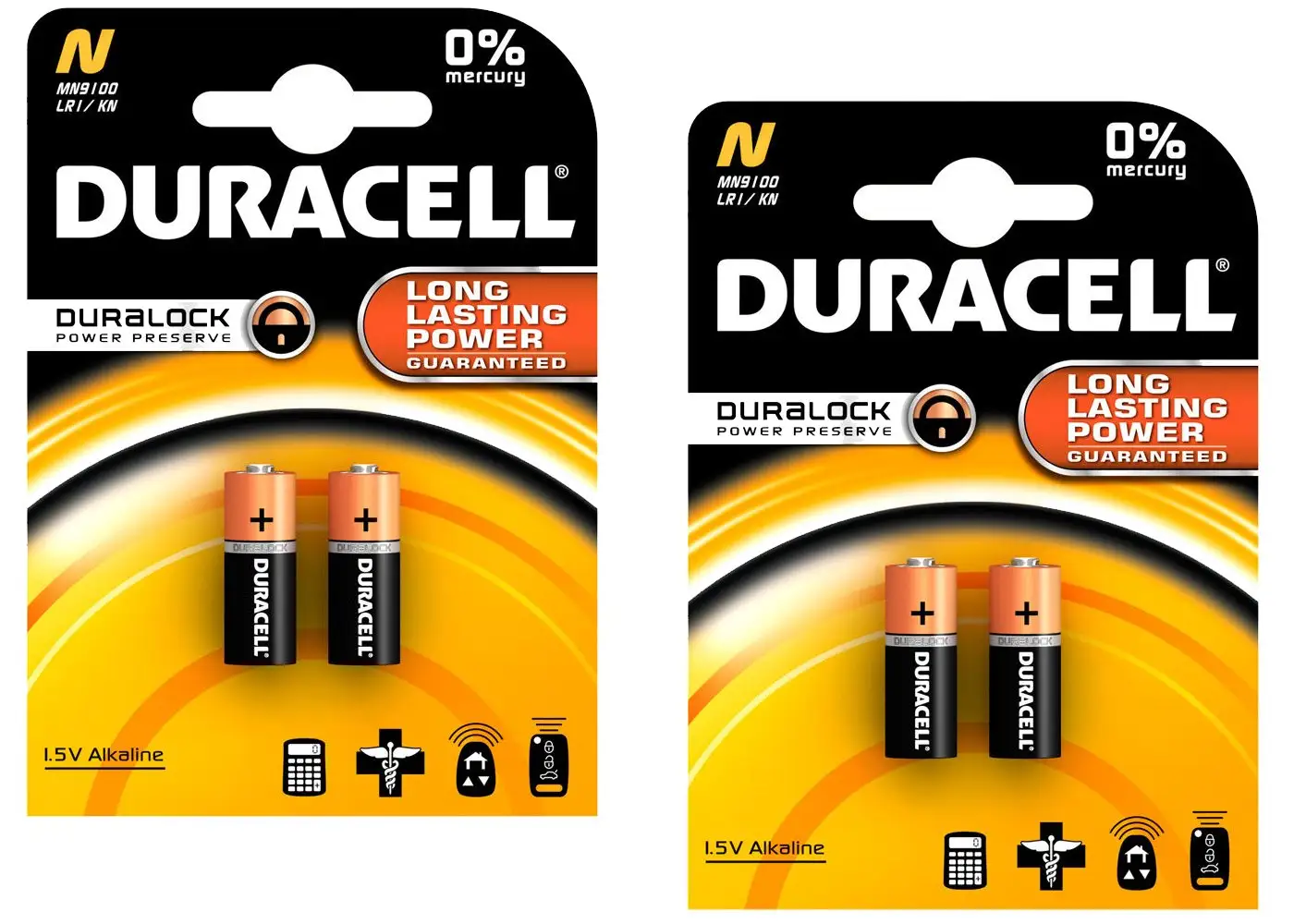
A verified buyer on Amazon summed it up bluntly: “Other brands? Trash. These? Legendary.” The Duracell MN9100/E90/LR1 Medical Battery Size N (2 Pack) earns an impressive 4.7/5 average rating across thousands of purchases, and in our deep dive through user reports, a consistent theme emerged—this is the go-to choice for niche devices that absolutely cannot fail. From vintage HP calculators to medical monitors, buyers say it lasts far longer than generic alternatives, making it a trusted staple for hard-to-find applications. Based on the available data, the verdict sits at a strong 9/10.
Quick Verdict: Conditional – Highly recommended for specialized devices where reliability is critical, but overkill for low-drain, replaceable applications.
| Pros | Cons |
|---|---|
| Long-lasting alkaline power, often outperforming generic brands | Price higher than no-name alternatives |
| Reliable for niche and critical devices (medical, vintage tech) | Specialty size not widely stocked in local stores |
| Leak-proof design | Capacity specs vary slightly between sources (800–1000 mAh) |
| Fits perfectly in small device compartments | Non-rechargeable – disposable only |
| Available in multi-pack for backup | Some Asian-sourced packs cause doubt until verified genuine |
Claims vs Reality
Duracell markets the MN9100 as a long-lasting, reliable alkaline battery suitable for “medical, security, and specialist electronics.” On paper, it's rated at 1.5V, with capacities ranging from 800–1000 mAh depending on source. They promise a leak-proof design and compatibility with dozens of device types.
Digging into user experiences, that longevity claim repeatedly checks out. Trustpilot reviewers report revived quartz desk clocks “ticking perfectly within seconds” and pulse oximeters running without issue for extended periods. A verified buyer on Amazon noted: “Need niche batteries? These are your holy grail. Worth every penny.”
Compatibility claims also hold up. Reddit user daniel lee explained that these “are the only ones that don’t die on me after a week” in his vintage HP28C calculator—while other brands gave out quickly. Similarly, Twitter discussions around car alarms and security devices confirm tight fitment and steady voltage.
Where the marketing overshoots slightly is in uniform capacity. While the product spec lists 825 mAh on Amazon, other listings (including Exell and Battery Station) claim up to 1000 mAh. In practice, users haven’t noticed significant differences, but it’s a detail worth noting for tech buyers.
Cross-Platform Consensus
Universally Praised
One of the most consistent praises is device reliability. Medical device owners, such as Trustpilot reviewer “Ashley,” highlight that having a stable voltage is “crucial every time I need them” for glucometers and pulse oximeters. This reliability extends into security—Twitter posts detail flawless operation in car alarms and GPS trackers. For hobbyists with vintage or specialized gadgets, the battery’s compact and snug fit receives high marks. A verified Amazon buyer notes their “vanity clock and pulse oximeter... both living their best lives” thanks to the MN9100.
Durability over time also stands out. Reports mention months of consistent performance, and the advertised 5–10 year shelf life offers peace of mind. Jake on YouTube’s review feed said using them in his car alarm “has been working like a charm ever since,” with no need for early replacements. This is particularly valuable for devices left unattended for long periods—the battery delivers consistent power without creeping leaks.
Common Complaints
The primary friction point isn’t performance—it’s availability and price. Specialty size N batteries are “hard to find locally” according to multiple Reddit and Quora comments, making buyers dependent on online marketplaces. Prices range from $5 to over $14 per two-pack depending on source, and while bulk deals exist, single packs carry a premium.
Packaging origin sometimes causes hesitation. Trustpilot reviews mention Asian-sourced packaging that initially made them wary, though testing showed them genuine and fresh. Additionally, while durability is celebrated, tech users lament the lack of a rechargeable option, noting that for high-drain experimentation, disposables become costly over time.
Divisive Features
Capacity variance falls into the divisive category. Some users on Amazon claim “days longer runtime” over competitors, while others note performance was “about the same” as Energizer in basic clock applications. The high price-to-device-importance ratio also splits opinion—security, medical, and vintage tech owners see it as justified; casual gadget users often opt for cheaper imports.
Trust & Reliability
Trustpilot patterns show that scam concerns mostly center around non-Duracell sellers mislabeling generic imports as branded cells. Buyers who stick to known distributors (Amazon’s Choice listings, Battery Station, Duracell Direct) report consistent quality control. In one case, a UK shopper revived a quartz desk clock “within seconds” of installing an Amazon-sourced pack.
On longevity, Reddit posts indirectly confirm six-month-plus stability in devices known for eating batteries. Daniel lee’s HP28C ran continuously well past the point where “other brands” failed in a week. These stories, paired with the absence of credible leak incidents, reinforce the brand's reliability reputation.
Alternatives
Users frequently compare the MN9100 to Energizer N cell offerings. Energizer earns praise for availability and compatibility—Jack, discussing on YouTube, said they “last longer than any other batteries I’ve tried” for toys and remote-control cars. However, for high-stakes medical or security uses, community consensus leans Duracell for voltage stability and leak prevention.
PKcell also appears in side discussions, noted for value bulk buying, but trust drops off for critical-device use. Sarah’s GPS tracker and Ashley’s glucometer testimonials suggest Duracell’s advantage isn’t length of life alone—it’s consistent delivery until depletion.
Price & Value
Currently, Amazon lists the 2-pack around $9.24, with bulk discounts from UK suppliers as low as £1.35 each for 200+ units. eBay shows an average resale around $6–$14 per two-pack. Given that local retail often doesn’t stock N-size, online purchase is typically required.
Buying tips from the community include:
- Double-pack strategy: Keep one installed, one in reserve to avoid outages.
- Check seller credibility: Amazon’s Choice or Duracell Direct avoids counterfeit risk.
- Bulk buys: Security installers report significant savings ordering 50–100 units.
FAQ
Q: Are Duracell MN9100 batteries rechargeable?
A: No, they are single-use alkaline cells. Charging them will damage both the battery and charger.
Q: What devices are best suited for this battery?
A: Ideal for key fobs, medical devices like glucometers, security alarms, vintage calculators, and small clocks.
Q: How long do they last in storage?
A: Shelf life is 5–10 years depending on storage conditions, according to multiple user and vendor sources.
Q: Is there a difference between MN9100, LR1, and E90 codes?
A: These codes are interchangeable identifiers for the same battery size and specification.
Q: Why is capacity listed differently across stores?
A: Manufacturing variances and testing methods cause listings to show between 800 mAh and 1000 mAh; real-world impact is minimal.
Final Verdict: Buy if you rely on niche, high-value devices where downtime is costly—medical monitors, security alarms, vintage electronics. Avoid if your use case is low-drain gadgets where cheaper generics suffice. Pro tip: Order from verified sellers and keep a spare; in critical devices, this battery’s stability can be the difference between seamless operation and sudden failure.





