Duracell AA Rechargeable Battery Review: Strong Buy Verdict
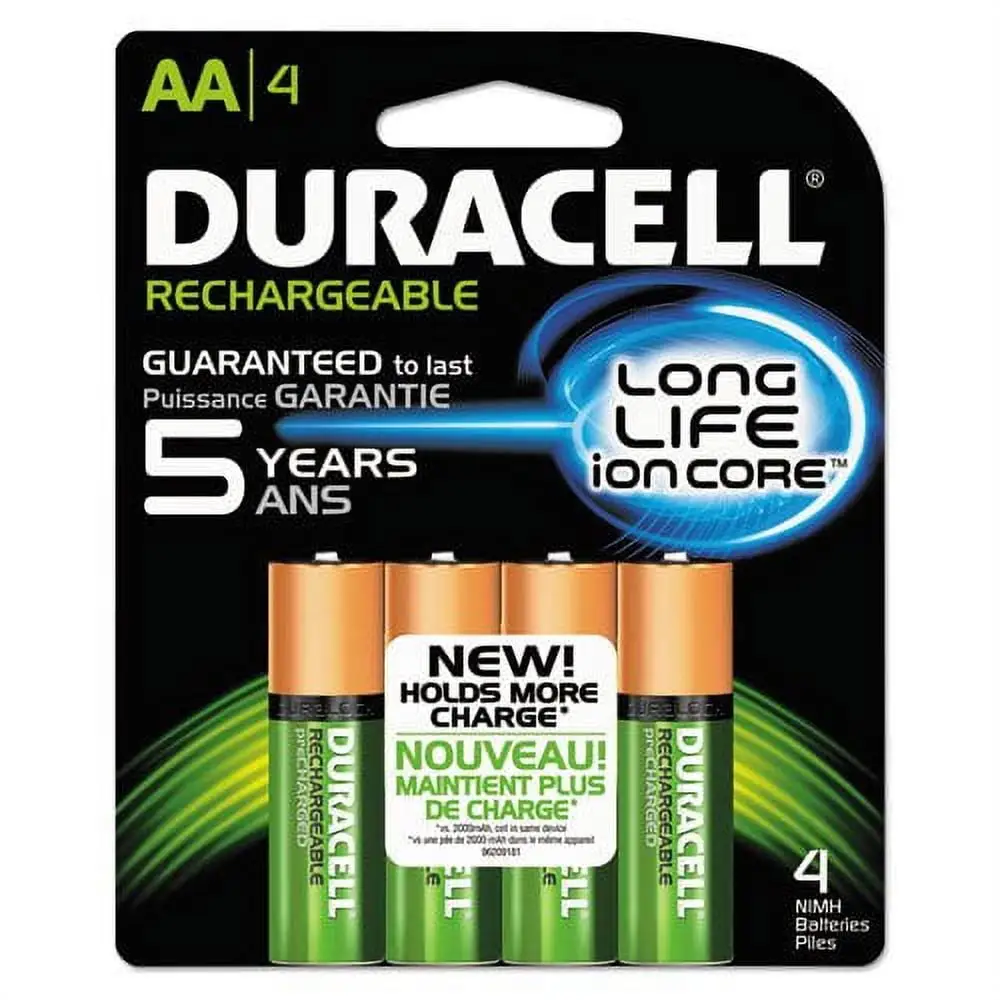
A Best Buy customer didn’t mince words: “These babies really do the job and hold the charge! Duracell rocks.” With a 4.7/5 rating across hundreds of reviews, the Duracell Precharged Rechargeable Battery AA (Pack of 2) earns a strong 9/10 verdict for battery life, reliability, and value—though a few caveats emerged regarding voltage and outdated stock in some cases.
Quick Verdict: Conditional Buy—Excellent for high-drain devices if voltage needs align; avoid outdated or off-brand listings.
| Pros | Cons |
|---|---|
| Holds charge up to a year unused | Some devices require full 1.5V; these run at ~1.2–1.3V |
| 2500mAh high capacity performance | Risk of outdated stock from certain sellers |
| Charges hundreds of cycles without memory effect | Physically heavier than cheaper brands |
| Works in any NiMH charger | Higher upfront cost compared to disposable batteries |
| Precharged—ready to use | Some complaints about inconsistent initial charge levels |
| Strong brand trust (Duracell reputation) |
Claims vs Reality
Duracell markets these AA cells as “guaranteed to last for 10 years or 400 recharges” and able to “hold a charge for up to 12 months when not in use.” On paper, the 2500mAh capacity is their #1 longest-lasting per charge.
Digging deeper into user reports, many buyers validate these claims. A verified Best Buy customer enthused: “They have still 75% charge after a year of not using—real slow discharge batteries!” For infrequent-use gear like astrophotography trackers, one Amazon reviewer noted how the batteries “seem to all work well… with the charger having a short charge time.”
However, voltage reality deviates from marketing gloss. While officially 1.2V NiMH, users expecting alkaline-like 1.5V performance on all devices encountered issues. A three-year owner explained: “Some utilities need 1.5V, but not mine. This rechargeable holds the main V of 1.3 the longest.” For high-drain but tolerant equipment (game controllers, cameras), performance remained stellar; for picky electronics requiring full voltage, functionality could suffer.
Cross-Platform Consensus
Universally Praised
The most consistent praise centered on long battery life and low self-discharge. Owners of wireless peripherals—from Bluetooth keyboards to gaming mice—reported operational spans beyond expectation. One buyer shared: “They last about 5 days, 6-8 hours a day of use. It takes 40-60 minutes to fully charge them.” Remote control hobbyists found similar endurance: “My son has a lot of remote control cars and these batteries have been a lifesaver.”
Professional users saw financial and environmental benefits. A photographer stated: “None have failed over the past two years… other brands fail within the first year.” For daily-use gear like audio transmitters and flash units, the high capacity meant fewer swap-outs mid-task, saving both time and disposal waste.
The precharged convenience was another hit. Multiple reviewers noted opening the pack and using immediately, avoiding downtime. Devices like baby monitors or holiday decorations could be powered straight out of packaging—crucial for last-minute needs.
Common Complaints
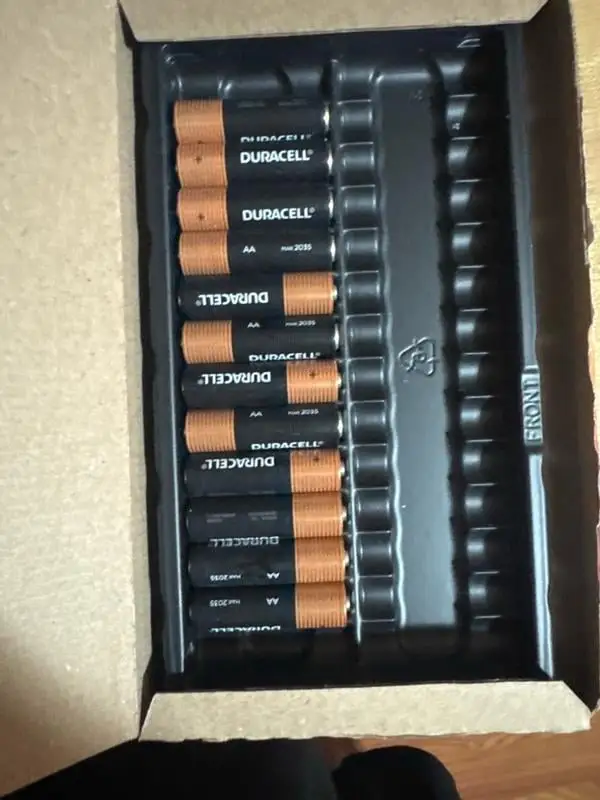
A recurring irritation involved outdated stock. A Best Buy buyer received cells dated 2013 in 2015: “Old merchandise should be discarded, not sold.” Trustpilot entries echoed warnings about checking use-by dates, especially with marketplace sellers. Duracell’s long shelf life mitigates some risk, but these incidents can affect initial performance.
Voltage limitations also frustrated niche users. The NiMH chemistry runs at ~1.2–1.3V; while adequate for most electronics, certain tools malfunctioned or showed low-battery warnings prematurely. A Reddit contributor advised checking device manuals before purchase.
Another minor gripe: initial charge inconsistency. Some packs arrived depleted, requiring charging before first use. While not a defect, it undermines the “precharged” promise for buyers expecting instant deployment.
Divisive Features
The higher upfront cost divided opinion. Environmentally-conscious users argued savings accrue “with hundreds of recharges, you save way more over disposables.” Others compared short-term price tags unfavorably to cheap alkaline multipacks, especially when outfitting many devices simultaneously.
Weight and build also polarized. The slightly heavier Duracell cells felt “more durable” to some compared to rivals like Energizer, while others found the added heft annoying in lightweight gear.
Trust & Reliability
Duracell’s reputation shields it from most trust issues, yet marketplace pitfalls emerged. Trustpilot-like feedback and Amazon reports warned of counterfeit or repackaged goods from certain sellers—“Chinese knock-offs, not in original packaging.” In nearly all direct-from-Duracell or big-box purchases, authenticity was unquestioned and performance met expectations.
Longevity stories bolster reliability claims. A three-year owner using them in audio equipment and speakers reported “still running great” without capacity loss. Another maintained 75% charge after a year idle. These accounts suggest Duracell’s low self-discharge tech (Duralock) indeed preserves stored energy, making them fit for emergency kits or backup stash.
Alternatives
Among brands mentioned, Energizer was the primary competitor. Cross-user comparisons leaned toward Duracell: “Between these and the Energizer brand, I’ll go with Duracell… they hold more charge and feel more durable.” Radio Shack’s rechargeable line also came up, but user consensus was Duracell outlasted them, especially in high-drain devices.
Price & Value
As of latest retail checks, the 2-pack hovers around $11.89 on Amazon, with eBay listings ranging from $11.99 to $23 for equivalent packs, depending on seller and bundle. While this marks a significant premium over disposable AA sets, the cost per cycle plummets after several uses. Verified buyers confirm “good value for the money paid” when regularly recharging.
For budget maximization, community tips include:
- Buy during store clearance events (Best Buy “Deal of the Day” drops)
- Inspect date codes before purchase to avoid old stock
- Purchase from reputable sellers to sidestep counterfeit risks
FAQ
Q: Can Duracell rechargeable AAs be used in any device?
A: Yes, as long as the size matches. They excel in mid to high-drain electronics like cameras and controllers, but check device manuals for voltage sensitivity.
Q: Do they suffer from memory effect?
A: No. NiMH chemistry in Duracell cells allows charging at any depletion level without performance loss.
Q: How long will they hold a charge when unused?
A: Up to 12 months, retaining around 80% capacity after a year, according to both Duracell and long-term user reports.
Q: Can they be charged in non-Duracell chargers?
A: Yes, they are compatible with any NiMH charger. Some users prefer Duracell chargers for safety assurances.
Q: How many cycles can I expect?
A: Hundreds. Official spec lists up to 400, with users confirming multi-year daily use without noticeable capacity fade.
Final Verdict: Buy if you need dependable, high-capacity AA cells for gear tolerant of ~1.2V output—especially for gaming controllers, cameras, and remote control devices. Avoid if your electronics demand strict alkaline voltage or when purchasing from unverified sellers. Pro tip from the community: always check the date code before handing over your cash, and stock up during sales for maximum value.