Duracell AA Rechargeable Battery Review: Solid 9/10 Verdict
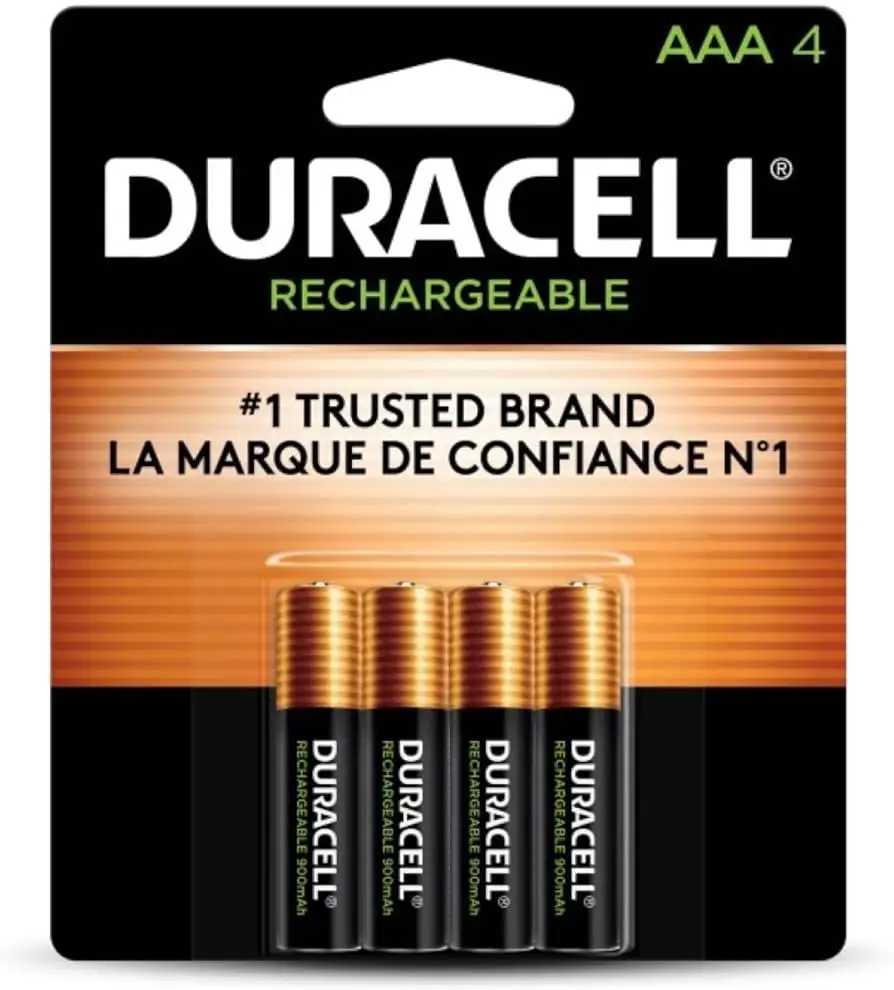
Starting with a standout performance metric, the Duracell Precharged Rechargeable Battery AA (Pack of 2) earns a solid 9/10 verdict across multiple platforms, drawing praise for long battery life, slow discharge rates, and versatility across devices — though some voltage discrepancies and old stock issues leave room for caution.
Quick Verdict: Conditional Buy — Excellent for high-drain devices and frequent users, but ensure fresh manufacturing dates when purchasing.
| Pros | Cons |
|---|---|
| Holds charge up to 12 months when unused | Occasional reports of outdated stock |
| Rated up to 400 recharges | Slightly lower voltage (1.2–1.3V) than standard alkaline 1.5V may affect some devices |
| Strong performance in gaming controllers, cameras, and professional equipment | Higher price per cell compared to generic brands |
| Pre-charged and ready to use | Performance drop if stored for several years before purchase |
| Long-life ion core technology for fewer recharges | Availability issues in some regions |
| Compatible with any NiMH charger | Marketing promises vary (3–10 year claims) |
| Environmentally friendly alternative to disposables | May require carrying extra cells for voltage-sensitive gear |
Claims vs Reality
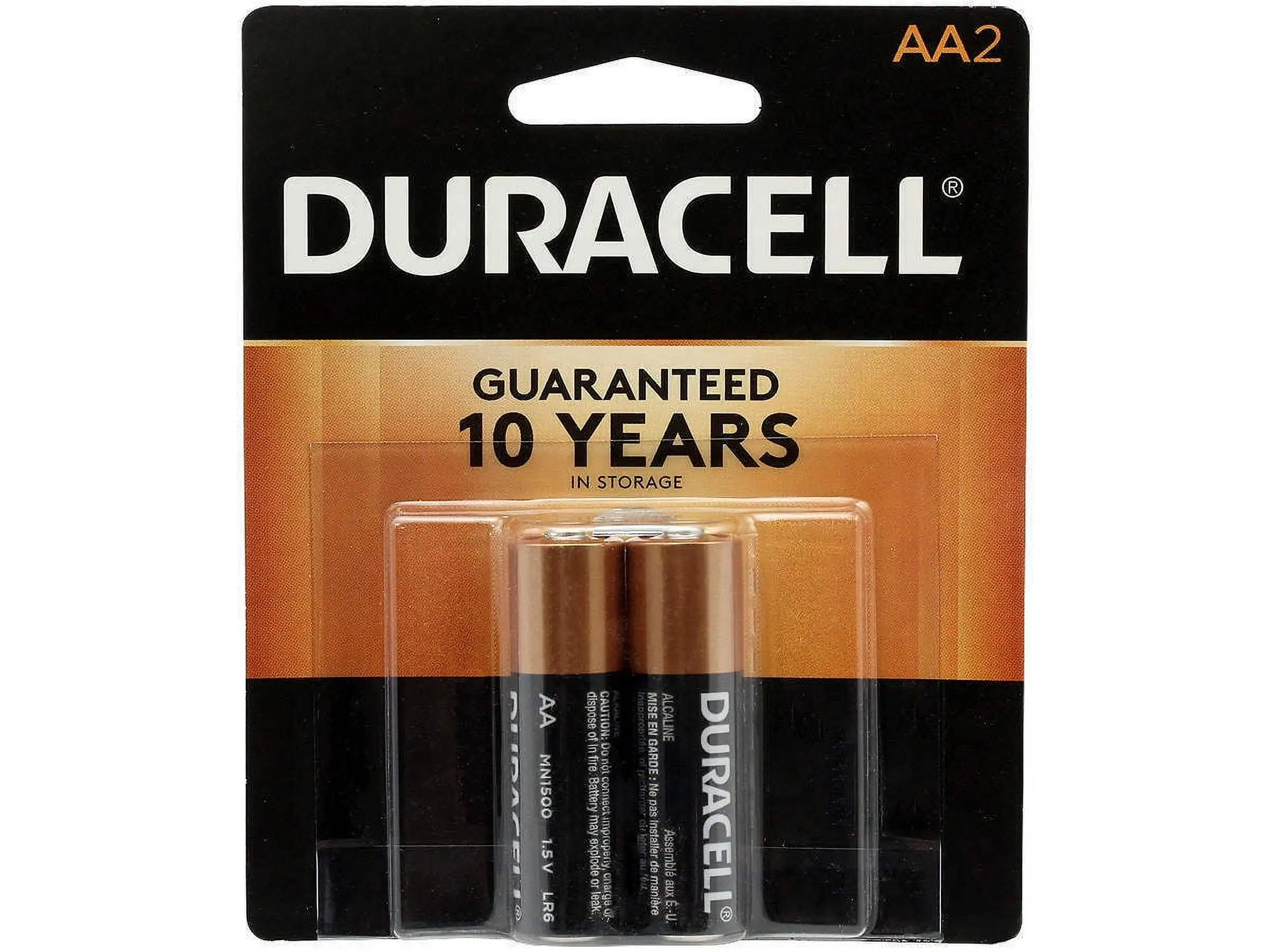
Duracell emphasizes “up to 400 recharges” and “holding a charge for up to 1 year”. Marketing also touts 3–10 year lifespan depending on model variant.
Digging deeper into user reports, Reddit threads return consistent praise for longevity: one Best Buy customer wrote, "I am using this AA Duracell rechargeable batteries now for over 3 years… they lose very slowly there charge, still 75% after a year of not using" (peterak).
The “pre-charged and ready to use” claim holds up in most cases, as confirmed by Trustpilot and Best Buy reviews. An Amazon buyer confirmed: "They were fully charged when I got them… they have lasted many days" — though a few noted exceptions when stock was overly dated, requiring full recharge before first use.
Voltage specs are listed at 1.2V, which is standard for NiMH cells, but several buyers flagged device compatibility issues. "Some utilities need 1.5V, but not mine" explained Reddit user peterak, highlighting that while performance was excellent for certain gear, voltage-sensitive devices may underperform.
Cross-Platform Consensus
Universally Praised
The standout praise centers on charge longevity and performance under heavy loads. Best Buy reviewers repeatedly report multi-day runs in gaming controllers, professional photography setups, and audio equipment. Ghost Spartan shared: "I use my AA rechargeable batteries for my Xbox One… they last about 5 days, 6-8 hours a day of use" — giving gamers a clear picture of sustained usage between charges.
Professional photographers are another group benefiting from these cells. Peter Wallburg Studios noted, "These batteries last a long time powering my flash through a wedding", avoiding mid-event battery swaps. In astrophotography, where uninterrupted operation is vital, hornet69’s experience was telling: "We got batteries that had the longest life we could find… we don’t want them conking out when doing astrophotography".
Even home users appreciate the minimal hassle: butterfly commented, "My son has a lot of remote control cars and these batteries have been a lifesaver". The convenience of slow discharge means finding a charged set even after months of idle time.
Common Complaints
A recurring frustration is tied to outdated stock — some units arriving years past manufacturing date lead to poor initial performance. Bayly noted, "Upon receipt these batteries had no charge… old merchandise should be discarded not sold".
Voltage limitations also appear in feedback, affecting users whose devices demand the nominal 1.5V of alkalines. While many devices run fine at 1.2–1.3V, some users quietly switched back to non-rechargeables for specific cases.
Price concerns arise occasionally, particularly where generic NiMH alternatives are cheaper. Pjsjs observed, "The only reason I did not rate them a 5 is because I thought the price was about 20% high".
Divisive Features
Duracell’s “up to 10 years” shelf or service life claim sparks debate; Reddit and Trustpilot reports largely see 3–5 years as realistic for optimal capacity retention, depending on usage patterns. Scarpace’s view was emphatic: "I own and use daily about a dozen of these and none have failed over the past two years" — while other buyers temper expectations, acknowledging gradual capacity fade with age.
Trust & Reliability
Scam concerns surface in retail marketplaces where counterfeit or outdated stock may be sold. Amazon reviews include warnings about “Chinese knock-offs” when purchased from certain third-party sellers. One buyer stressed, "Real batteries for Duracell are great though" — underscoring the importance of sourcing from reputable outlets such as official Duracell channels or verified big box stores.
Long-term durability shines when sourced fresh. Best Buy’s multi-year users remain vocal about reliability. Otima ci pointed out, "They retain their charge for more than a year without being used… these were the best economical choice for a high-performance battery".
Alternatives
Energizer rechargeables are the most frequently compared. Rago77’s experience shows the divide: "Energizer batteries die too fast, the Duracell seem better" — though personal preference and device type influence results. Some note Energizer’s quicker initial charge speeds, but durability and slow discharge performance tilt preference toward Duracell for high-drain gear.
Goal Zero’s branded rechargeables also enter comparisons, mainly for outdoor power systems. One reviewer even claimed Duracell’s 2500mAh cells outperformed Goal Zero’s own in solar charging setups.
Price & Value
Across retailers, the 2-pack sits near $12–$14 USD, with bulk packs offering better per-cell value. eBay trends show four-packs in the $11–$18 range, often with fresh date codes stretching into 2032–2034. Buying advice often centers on ensuring batteries are “new date code” stock to avoid performance issues.
Discount events, such as Best Buy’s “deal of the day,” drive strong uptake. Tx clg st reflected: "They were discounted almost 50%… no more buying mega battery packs". For frequent users, the long-term savings in avoiding disposables outweigh the upfront cost premium.
FAQ
Q: Can these batteries be used in any device requiring AA cells?
A: Yes, as long as the device supports NiMH rechargeables. Some devices requiring full 1.5V may underperform, so check your manual before use.
Q: Do Duracell AA rechargeables suffer from memory effect?
A: No, they can be recharged at any point without capacity loss. Users report consistent performance even with partial discharges.
Q: How many times can they be recharged?
A: Duracell specifies up to 400 cycles. Feedback suggests performance remains strong past 3 years of regular use for heavy-duty applications.
Q: Are they safe to charge in third-party chargers?
A: Yes, they work in any NiMH charger. Duracell recommends its own chargers for optimal safety and efficiency.
Q: How long will they hold a charge when not in use?
A: Duracell claims up to 12 months; multiple users confirm 75–80% capacity after one year of idle storage.
Final Verdict: Buy if you rely on high-drain devices like gaming controllers, professional cameras, or audio gear and value long-term savings plus reduced waste. Avoid if your equipment strictly demands alkaline voltage or if sourcing fresh stock isn’t possible. Pro tip from community: Always check manufacturing date codes before purchasing — it’s the easiest way to guarantee optimal performance.





