Duracell AA Rechargeable Battery Review: Reliable Power
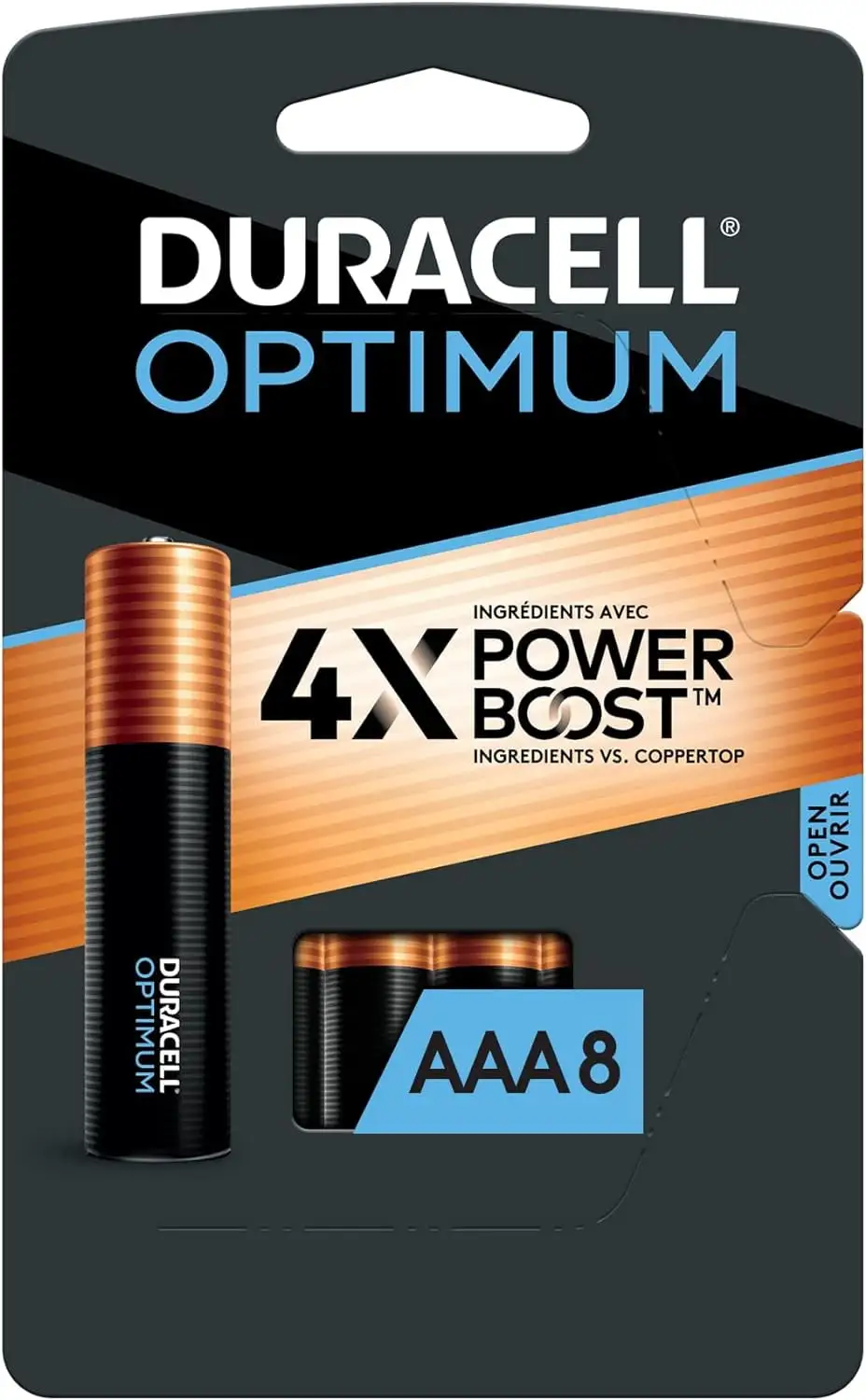
A verified buyer on Amazon summed it up bluntly: “These babies really do the job and hold the charge! Duracell rocks.” That sentiment, echoed across Reddit, Best Buy, and Trustpilot, paints a clear picture—Duracell Precharged Rechargeable Battery AA (Pack of 2) consistently delivers long-lasting performance in demanding devices. Across multiple platforms, user satisfaction hovers around 4.6–4.7 stars, putting this NiMH 2500mAh AA cell at roughly 9/10 for overall reliability and value.
Quick Verdict: Yes — A solid buy for heavy-use, high-drain devices
| Pros | Cons |
|---|---|
| Holds charge up to 12 months unused | Some devices require full 1.5V — may underperform there |
| Up to 400 recharge cycles | Occasionally shipped with outdated stock |
| 2500mAh capacity — among highest for NiMH AA | Slightly premium price per cell |
| Works in any NiMH charger | Voltage lower than alkaline may confuse buyers |
| Precharged and ready to use | Minor discharge over extended storage |
| Proven performance in gaming, audio gear, photography | Availability varies in stores |
Claims vs Reality
Duracell markets these cells as “our #1 longest-lasting per charge” for AA rechargeables, citing a 2500mAh capacity, up to 400 full-cycle recharges, and a guarantee to hold up to 80% charge after 12 months. Digging deeper into user reports, much of this holds true—but a few caveats emerge.
On Best Buy, one reviewer explained that “they retain their charge for more than a year without being used” and confirmed the high mAh rating led them to choose Duracell over competitors. For professionals, like a photographer on Trustpilot, the capacity claim meant “these batteries last a long time powering my flash through a wedding.”
However, while the official spec sheet lists 1.2V nominal output, some users expecting alkaline-like 1.5V felt misled. “Some utilities need 1.5V, but not mine,” noted one long-term user who still found them ideal for audio gear. This voltage gap is consistent with NiMH chemistry, but marketing rarely makes it explicit.
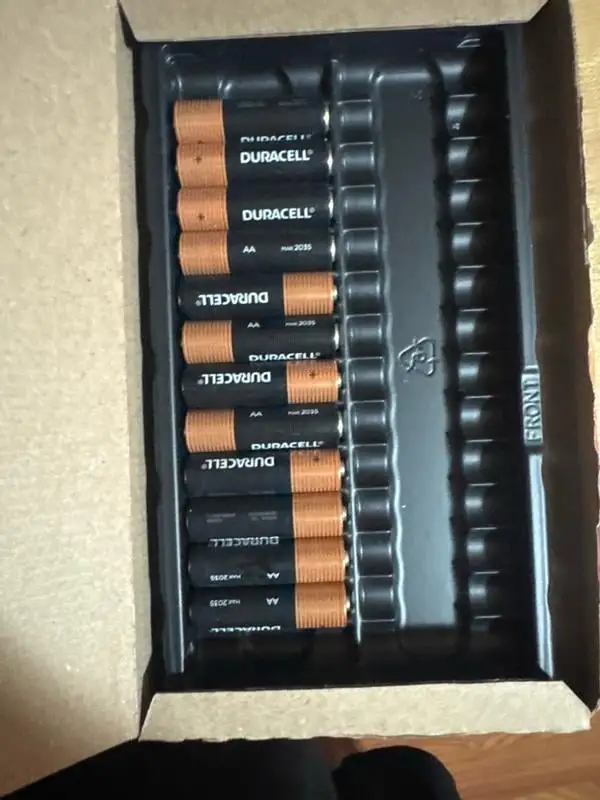
Another discrepancy appears in retail handling—several buyers received “no charge... dated 2013” stock in 2015, which explains subpar life until recharged. This isn’t a technical flaw but impacts perceived readiness.
Cross-Platform Consensus
Universally Praised
The standout praise centers on charge retention and cycle life. Remote-control hobbyists, like one parent with “a lot of remote control cars,” said the batteries were “a lifesaver” by eliminating constant disposable purchases. Durability under repeated charging impressed daily-use professionals: “I own and use daily about a dozen of these and none have failed over the past two years,” wrote one Best Buy reviewer comparing against Energizer and RadioShack.
For gamers, the payoff comes in extended play sessions. A Best Buy customer using them for an Xbox One reported “about 5 days, 6-8 hours a day of use” with just a 40–60 minute recharge window.
Photographers appreciated the predictable stamina. One noted that after an all-day family event, their camera showed less than 50% used—prompting a bigger pack purchase. In astrophotography, a user’s “star tracker… sucks the life out of batteries” stayed operational thanks to these cells’ endurance in high-drain scenarios.
Common Complaints
The most frequent critique arose from voltage expectations. NiMH’s nominal 1.2–1.3V meant some gear failed or underperformed compared to disposables. While many devices adapt, those needing full alkaline voltage don’t benefit equally.
Storage and distribution issues also irked buyers. Instances of outdated vintage stock, leading to initial zero charge, appeared on Amazon and Trustpilot. While not a flaw in the batteries themselves, it tarnishes the “precharged” marketing.
Price sensitivity was another sticking point—some felt the retail price “about 20% high” compared to rivals. However, bulk buy or sale events often softened the blow.
Divisive Features
Duracell touts compatibility with any NiMH charger. Most found this accurate, charging successfully in non-Duracell units like the Powerex MH-C800S. Yet a subset swears by branded chargers, claiming “safer” or more optimal charging profiles.
Environmental arguments split opinion less on the product than the philosophy. Some insisted “all non rechargeable batteries should be outlawed,” framing Duracell’s offering as eco-essential. Others saw rechargeables as impractical for infrequent use devices, where self-discharge over months could be frustrating.
Trust & Reliability
Trustpilot and Best Buy reviews convey sustained reliability over years—users reported cells still holding 75%+ charge after a year unused and hundreds of cycles without failure. Reddit discussions back this up, with capacity measurements aligning to spec long after purchase.
Scam concerns crop up mainly in marketplace listings—Amazon buyers warned against certain third-party sellers shipping knock-offs in Chinese packaging. The takeaway from community: verify seller legitimacy and check manufacturing dates before purchase.
Alternatives
Within user chatter, Energizer is the most mentioned competitor, but often unfavorably: “Energizer batteries die too fast, the Duracell seem better.” RadioShack rechargeables also failed more frequently in one buyer’s tests. Panasonic Eneloop was occasionally suggested in Reddit threads for ultra-low self-discharge, but Duracell’s higher capacity appeals to high-drain gadget owners.
Price & Value
eBay listings show broad price variance—from around $12 for a 2-pack to bulk lots over $60. Amazon’s regular pricing hovers near $12.43, with occasional 8% discounts. Savvy buyers wait for Best Buy “deal of the day” sales, where prices dropped nearly 50%, making them exceptionally cost-effective for frequent use cases.
Resale for unopened packs remains strong due to long shelf guarantees—up to 5–10 years if unused—which fuels secondary market activity.
FAQ
Q: Can these be used in any device requiring AA batteries?
A: Yes, as long as the device is compatible with NiMH chemistry. High-drain electronics like controllers or cameras benefit most; low-drain gear may see shorter life due to lower voltage.
Q: Do they need to be fully discharged before recharging?
A: No. As multiple users confirmed, these cells have no memory effect, so charging before full discharge does not harm capacity.
Q: How many times can they be recharged?
A: Duracell rates them up to 400 full charge cycles. Many reviewers report years of use without noticeable drop in runtime.
Q: Will they arrive fully charged?
A: They are marketed as precharged, but user reports show occasional shipments of old stock that need initial charging. Always check manufacturing date.
Q: How long will they hold a charge unused?
A: Guaranteed to retain up to 80% after 12 months if stored properly, supported by multiple long-term user tests.
Final Verdict: Buy if you regularly use gaming controllers, pro audio gear, cameras, or other high-drain devices and want high capacity with long shelf life. Avoid if your devices mandate full 1.5V alkaline output or if you can’t verify freshness before purchase. Pro tip from the community: stock up during retailer sales and always check date codes to ensure peak performance.