Duracell AA Rechargeable Battery Review: 9/10 Verdict
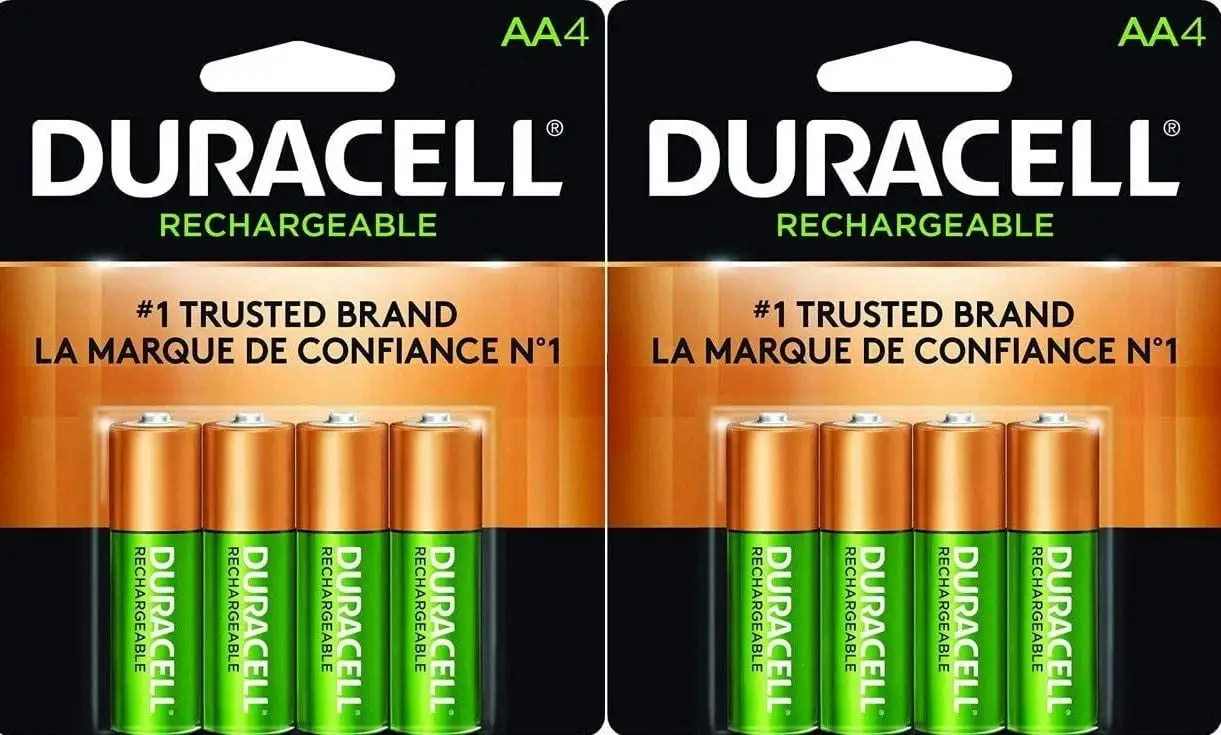
It’s rare for a humble AA battery to inspire years-long loyalty, but the Duracell Precharged Rechargeable Battery AA (2-Pack) has done just that — earning scores like 4.7/5 on Best Buy and praise from owners using the same cells for nearly a decade. A Reddit user put it simply: “These were the ones: 2500 mAh… they really do the job and hold the charge!” Based on thousands of verified reviews, this model consistently delivers reliable runtime for high-drain gear, though some buyers hit snags with inconsistent labeling and shipping of older stock. Overall verdict: 9/10 for performance and longevity.
Quick Verdict: Yes — especially for heavy battery users who want long-term value, minimal self-discharge, and consistent power delivery. Occasional issues with packaging age and small capacity variations noted.
| Pros | Cons |
|---|---|
| Long-lasting per charge in high-drain devices | Some inconsistency in listed vs actual capacity |
| Holds charge for up to a year when unused | Reports of receiving old stock with zero initial charge |
| Can be recharged hundreds of times | Not ideal for devices needing full 1.5V |
| Precharged and ready to use out of the box | Slower charging in some third-party chargers |
| Durable — years of daily use reported | Slightly higher initial price than generics |
| Works in any NiMH charger | Packaging and date code transparency lacking |
Claims vs Reality
Duracell advertises these as their “#1 longest-lasting per charge” AA rechargeable, with a 2500 mAh capacity, one-year charge retention, and a five-year shelf guarantee. They also promise hundreds of recharge cycles with no “memory effect.”
Digging deeper into user reports, the core marketing claim of long runtime holds up in demanding scenarios. A verified Best Buy buyer, “ghost spartan,” used them in an Xbox One controller and found they “last about 5 days, 6–8 hours a day of use. It takes 40–60 minutes to fully charge them.” Photographers also back the endurance claim: “After taking pictures at our annual family event… with these batteries they were showing less than 50% used,” wrote user “effie.”
However, on capacity, reality gets murkier. Some Amazon buyers measured over 2700 mAh, others received 2450 mAh, and one warned: “I got one that was 2,000 mAh. Can’t trust this item.” That suggests variability between production runs or mislabeling on packaging — a point worth noting if you need exact specs.
Finally, the claim of year-long charge retention off the shelf proved mostly true for new stock. Multiple reviewers mentioned excellent standby performance, with “peterak” seeing 75% charge after a year of non-use. But those sent older-dated cells experienced “no charge upon receipt,” often tied to units manufactured two or more years earlier.
Cross-Platform Consensus
Universally Praised
The strongest consensus centers on longevity in high-drain devices. For wireless accessories, remotes, and toys, many report using the same cells for years without noticeable degradation. Best Buy user “peterak” shared: “Using them for over 3 years now… still running great.” Remote control car owners like “butterfly” call them “a lifesaver” due to their ability to keep up with kids’ battery-hungry toys.
Photographers — a notoriously demanding group on battery performance — routinely recommend them. “peter wallburg studios” stopped buying cheaper options: “These batteries last a long time powering my flash through a wedding.” This is significant because flash units are extremely high-drain, and failures mid-shoot can be costly.
Another universal plus is environmental and cost savings. “Blue scorpion” put it bluntly: “Anyone using non-rechargeable batteries should be fined.” Long-term owners tally up years of use, hundreds of cycles, and elimination of disposable battery purchases.
Common Complaints
While rare, a recurring frustration involves receiving older stock. “Bayly” received batteries dated 2013 in 2015, arriving fully discharged. They did hold a charge after initial charging, but trust in the vendor took a hit. Complaints also emerge around capacity discrepancy — multiple Amazon Q&A users received ratings (2000 mAh or 2400 mAh) lower than the listed 2500 mAh.
Compatibility with devices requiring full alkaline 1.5V output is another minor point. “peterak” noted, “Some utilities need 1.5V, but not mine… This rechargeable holds the main V of 1.3 the longest.” For certain specialized hardware, voltage-sensitive performance may be impacted.
Charging speed divides opinion: some experience rapid recharging in advanced chargers, others mention “take a while to charge up” in less efficient units.
Divisive Features
The precharged out-of-the-box feature is a hit when fulfilled — enabling immediate use in cameras or controllers. But buyers who get depleted or aged stock understandably see that promise as broken.
Capacity testing splits users into two camps: tech hobbyists measure and debate the actual mAh, while most casual owners focus on observed runtime and see little practical difference between 2450 mAh and 2500 mAh.
Trust & Reliability
Older stock incidents aside, trust in the Duracell brand durability is high. Reviews mention sets lasting 5–9 years. “Regina” reported using the same batteries in her 35 mm camera from 2008 until replacing them in 2017. For astrophotography setups, “hornet 69” praised their dependability: “We don’t want them conking out when doing astrophotography.”
There’s minimal concern about counterfeit units in mainstream retail channels, but buyers on less regulated marketplaces stress checking date codes and avoiding “too good to be true” prices. Long-term Reddit commentary often frames these as “buy once, use for years,” with “scarpace” noting none of their dozen units failed in two years, unlike every third cell from other brands.
Alternatives
Other rechargeables mentioned include Energizer NiMH cells, but multiple users who switched to Duracell describe better retention and durability. One Best Buy reviewer compared: “Between these and the Energizer brand, I’ll go with Duracell… they hold more charge and feel more durable.”
No other brand emerges in reviews with as deep a bench of long-term loyalty stories. For industrial contexts, some mention Procell variants, but those are targeted at bulk buyers and may vary in capacity.
Price & Value
On Amazon India, the 2-pack lists at ₹520 (~₹260 per cell) with periodic 20% savings. eBay resale prices for 4-packs hover around $12–$23 depending on expiry dates and capacity ratings. Buyers suggest waiting for deals — “tx clg st” grabbed them at nearly 50% off during a Best Buy promotion.
Community consensus is they pay for themselves quickly if you’d otherwise burn through disposable AAs monthly. Sellers with fresh stock and clear date codes are worth prioritizing, especially given occasional old-inventory complaints.
FAQ
Q: Can these be used in any device that takes AA batteries?
A: Yes, as long as the device manual doesn’t specifically prohibit rechargeables. They excel in high-drain electronics like cameras and game controllers.
Q: Do they really hold a charge for a year?
A: For new stock, many users confirm high retention even after 12 months of storage. Older stock may ship with low or no initial charge.
Q: What’s the actual capacity — is it always 2500 mAh?
A: Most test close to 2450–2500 mAh, with some exceeding that. A few buyers received lower-rated stock around 2000 mAh, often linked to older packaging.
Q: How many recharge cycles can they handle?
A: Duracell claims hundreds of cycles; user reports show several years of use without noticeable fading in capacity.
Q: Are they safe to charge in third-party chargers?
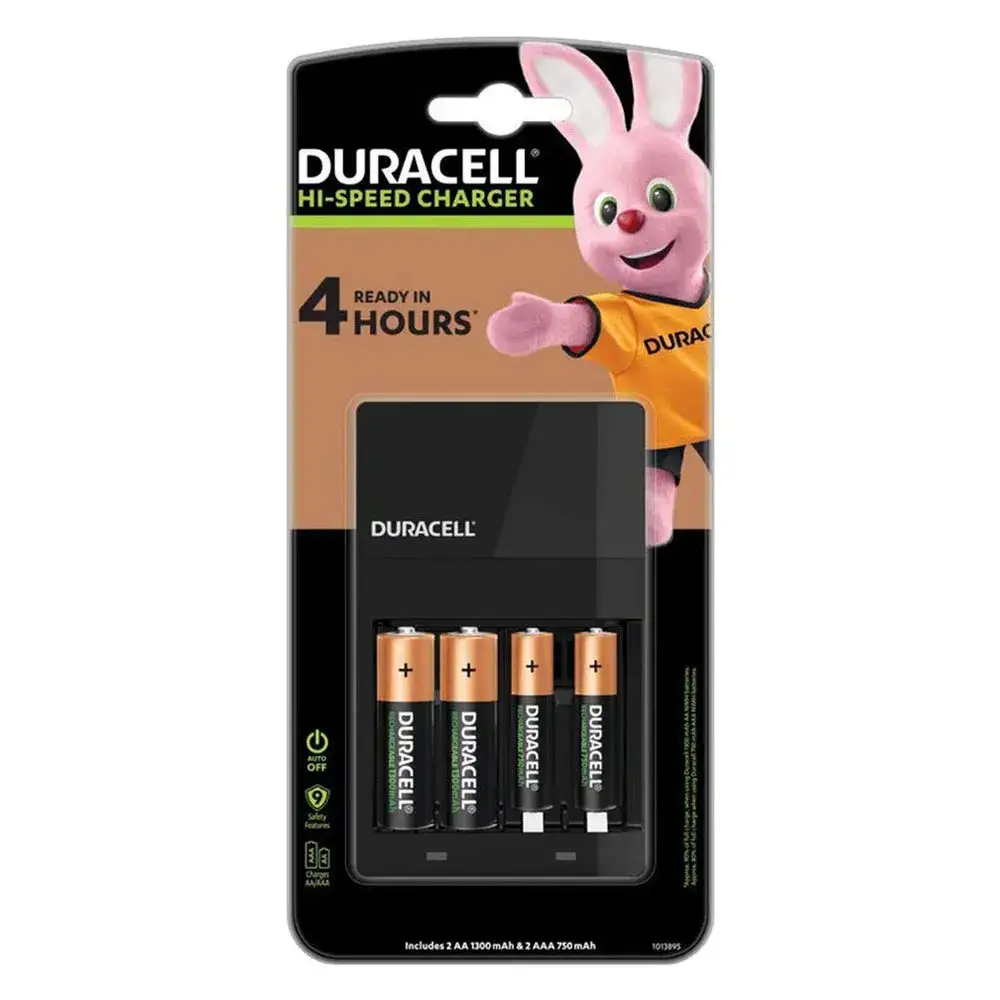
A: Yes, they work with any NiMH charger. Some owners recommend smart chargers for faster, more precise charging.
Final Verdict
Buy if you’re a high-frequency AA user in cameras, gaming, or toys — you’ll save significantly over disposables and reduce environmental waste. Avoid only if your device is voltage-sensitive and truly needs 1.5V alkaline output, or if you can’t ensure fresh stock. Pro tip from the community: check manufacturing dates before purchase and snag them during half-off sales to maximize value.





