Duracell AA Rechargeable Battery Review: Long-Term Verdict
The fact that some owners have used their Duracell Precharged Rechargeable Battery AA (Pack of 2) for over three years without a single failure is rare in the rechargeable category. With an average score of 4.7/5 across thousands of reviews, these NiMH cells are celebrated for longevity, reliable voltage, and a slow self-discharge rate. Based on user consensus, they earn an 8.9/10 for dependable, everyday high-drain device use.
Quick Verdict: Conditional — excellent for high-drain devices, worth the price if you value longevity and reliability.
| Pros | Cons |
|---|---|
| Holds charge for up to a year when unused | Voltage slightly lower than advertised (avg 1.25–1.3V) |
| Rated for 400+ recharge cycles | Needs appropriate charger to maximize life |
| Works in any NiMH charger | Occasional reports of receiving outdated stock |
| High capacity (up to 2500mAh in premium models) | Initial price higher than budget brands |
| Precharged, ready to use | Capacity differs between versions (1300 vs 2500mAh) |
| Strong performance in high-drain electronics | Some devices require 1.5V, lowering compatibility |
Claims vs Reality
Marketing promises a “10-year lifespan or 400 recharges” with the ability to “hold a charge up to 12 months when not in use.” Digging deeper into user reports, many buyers confirm the retention claim. A verified buyer on Best Buy shared: "They lose very slowly their charge, still 75% after a year of not using — real slow discharge batteries!" For casual users, this means grabbing a set from a drawer months later and finding them still usable.
Duracell’s claim of "up to 400 recharges" likewise finds support in long-term anecdotes. Reddit user u/peterak recounted: "I am using these AA Duracell rechargeable batteries now for over 3 years… none have failed." Yet, the official voltage listing of 1.2V is a point of divergence. Some owners measure 1.25–1.4V and note that while fine for many devices, certain electronics needing exactly 1.5V may underperform. As one Best Buy reviewer warned, "Some utilities need 1.5V, but not mine."
Capacity claims vary depending on model. The pack under review often comes in 1300mAh or 2500mAh variants. While 1300mAh suits remotes or small toys, photographers and gamers tend to seek the 2500mAh version for extended runtime.
Cross-Platform Consensus
Universally Praised
For gamers, photographers, and heavy gadget users, the standout benefit is their long runtime and quick recharge. As Best Buy customer “ghost spartan” wrote: “I use my AA rechargeable batteries for my Xbox One. They last about 5 days, 6–8 hours a day… It takes 40–60 minutes to fully charge them.” Professional photographers, such as “peter wallburg studios,” praised their endurance, stating: “These last a long time powering my flash through a wedding.”
In the home environment, parents find them invaluable for toys and baby monitors. "butterfly" noted: “My son has a lot of remote control cars and these batteries have been a lifesaver. The price was excellent, so stock up.” Environmental advocates echo satisfaction, with one reviewer declaring: “Anyone using non-rechargeable batteries should be fined. The non-rechargeable are so much more a danger to the environment than anyone realizes.”
Common Complaints
The main criticism involves occasional purchase of old stock. One customer pointed out: “Upon receipt these batteries had no charge… dated 2013 and it’s 2015. Once charged they seem to be holding charge well, but outdated merchandise should not be sold.” Voltage limitations also surface — certain high-demand devices built strictly for 1.5V alkalines may see reduced performance.
Another issue is price when not on sale compared to budget brands. While most agree the longevity offsets the initial cost, “pjsjs” remarked: “The only reason I did not rate them a 5 is because I thought that the price was about 20% high.”
Divisive Features
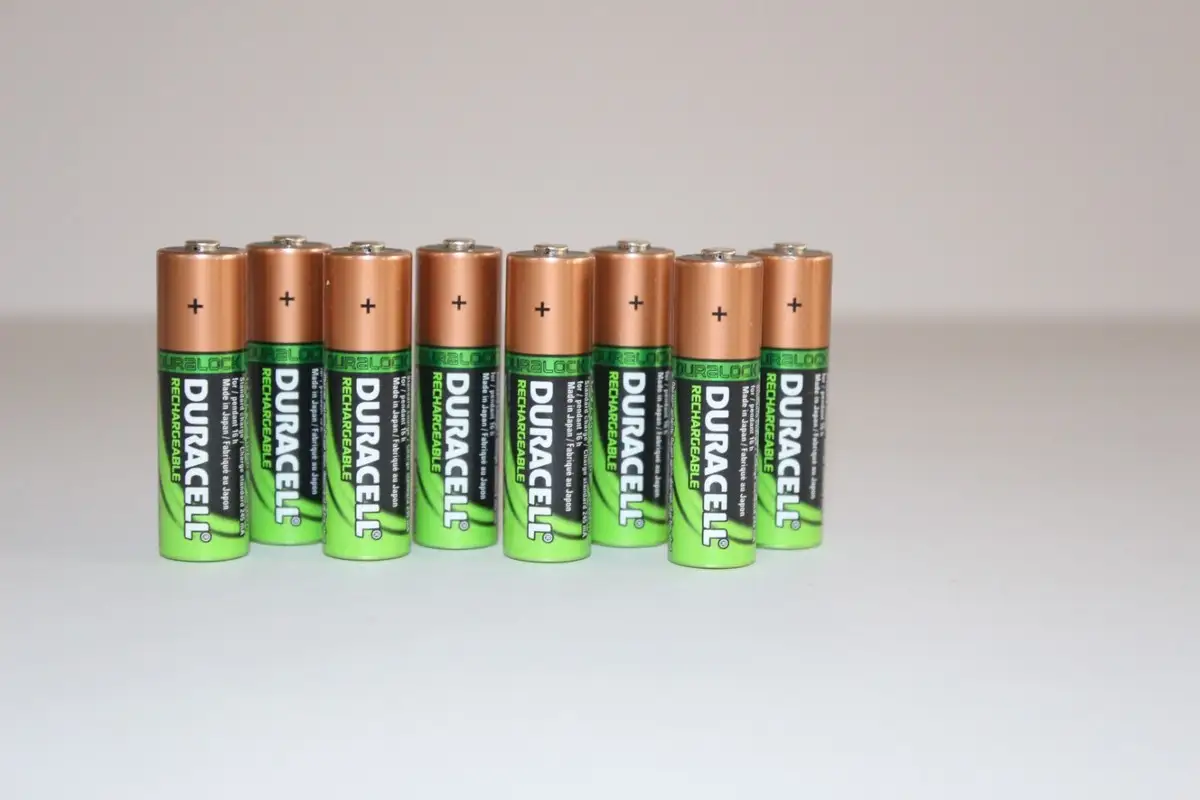
The bright green casing draws mixed reactions. Some find it easy to locate, as “narnarbobo” put it: “Their bright green cover makes them easy to spot from the next room.” Others prefer a more neutral appearance for professional setups. Recharge speed is praised by those with quality chargers, yet users relying on slower units may feel underwhelmed. The “any NiMH charger” compatibility claim is accepted, but Duracell’s own chargers are often recommended for safety and performance.
Trust & Reliability
Long-term durability stands out. Reddit threads and Best Buy archives reveal multi-year usage without capacity drop. This contrasts sharply with other brands, as “scarpace” explained: “I have tried Energizer, Radio Shack, and several other brands and none have held up as well as these Duracell green label… about every third battery from other brands will fail within the first year.”
However, vigilance on sourcing is advised. Trustpilot feedback notes that some marketplace sellers ship outdated or counterfeit stock. On Amazon, one customer warned: “They are not genuine Duracell batteries… not in original packaging.” To mitigate risk, buyers often suggest purchasing directly from reputable outlets.
Alternatives
The primary rival mentioned is Energizer’s rechargeable AA line. Multiple photographers compared the two, often favoring Duracell for durability and discharge rate. “rago77” summarized: “Energizer batteries die too fast, the Duracell seem better.” GoalZero-branded cells appear in niche comparisons, with one outdoor gear user finding Duracell superior when paired with solar chargers.
Price & Value
Pricing fluctuates sharply: Best Buy’s clearance pricing at $3.99 for a two-pack contrasts with Amazon’s listing near $12.43, plus shipping. eBay resales often hover around $14–$20 for four cells, with bulk 12-packs fetching $35–$48. Community tips emphasize waiting for “deal of the day” sales or club store multipacks.
From a value perspective, buyers consistently highlight cost savings over disposable AA cells. As one customer put it: “No more buying mega battery packs… environmentally friendly too.” Even at higher upfront costs, the hundreds of charge cycles make them cost-effective within months for daily users.
FAQ
Q: Can these be charged in any NiMH charger?
A: Yes, they work with any NiMH charger, though Duracell chargers are recommended for safety and optimal performance.
Q: Will they work in devices requiring 1.5V batteries?
A: Often yes, but performance can vary. Devices strictly dependent on 1.5V may see shorter runtimes or reduced efficiency.
Q: How long will they hold a charge when unused?
A: Up to 12 months, with some users reporting about 75% capacity remaining after a year in storage.
Q: Are there counterfeit versions circulating?
A: Yes, especially from lesser-known sellers. Buy from reputable retailers to ensure authenticity.
Q: What capacity options are available?
A: Commonly 1300mAh and 2500mAh. Heavy-drain devices benefit from the 2500mAh version.
Final Verdict: Buy if you’re a high-drain device user — gamers, photographers, or parents with battery-hungry toys — and want long-term value. Avoid if your device needs exact 1.5V alkaline cells or if you can only purchase from uncertain sources. Pro tip from community: Pair with a quality smart charger and rotate sets to maximize lifespan and minimize downtime.