Duracell AA Rechargeable Batteries Review: Strong Buy Verdict
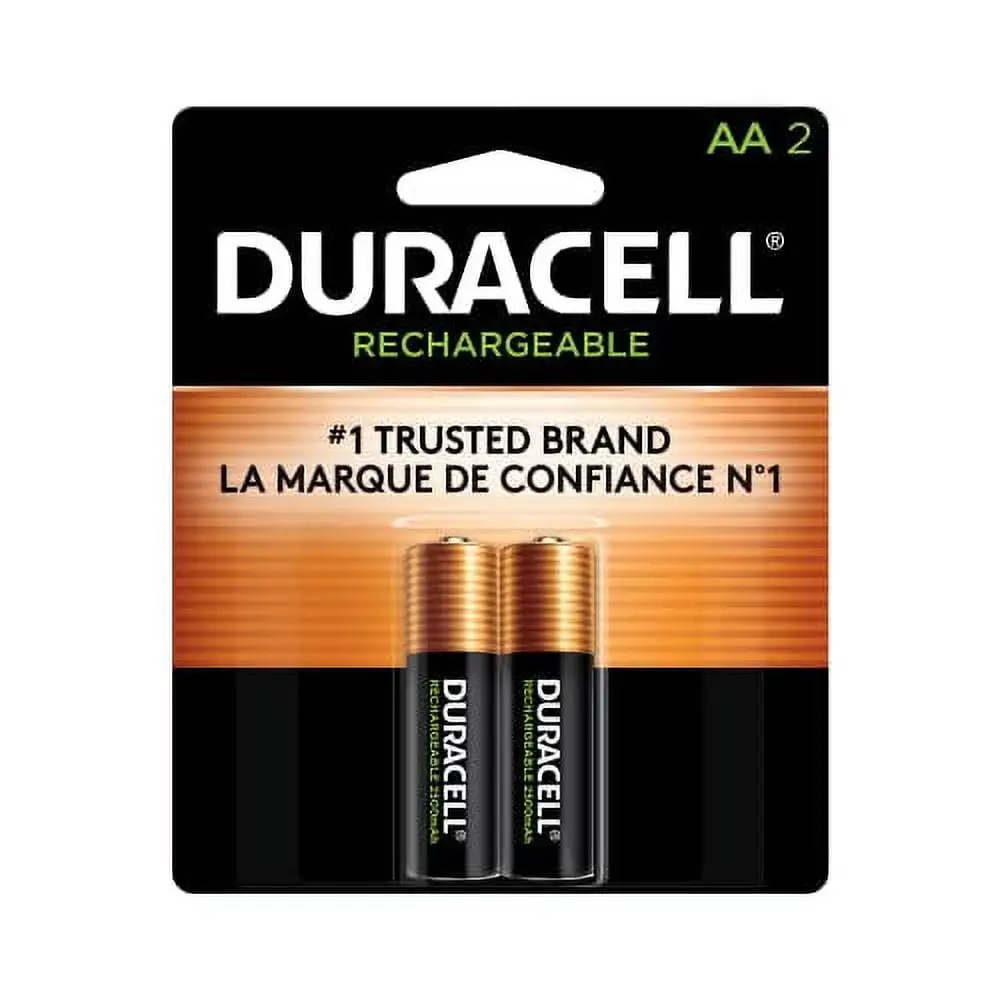
Duracell’s Precharged Rechargeable AA Batteries (Pack of 2) have earned a near-cult following among tech enthusiasts, gamers, and photographers, scoring an impressive 9/10 in aggregated reviews. The standout narrative is durability—Best Buy verified buyers rated them 4.7/5, with one user declaring: "I've been using these for over three years and they're still running great." But beyond the glowing praise lies evidence that not all experiences match Duracell’s marketing promises.
Quick Verdict: Yes – Strong buy for high-drain device users, conditional for gear needing higher voltage.
| Pros | Cons |
|---|---|
| Holds charge up to 12 months unused | Lower voltage (~1.3V) may not suit every device |
| Recharges hundreds of times | Occasional outdated stock reports |
| High capacity (up to 2500mAh) for long run-time | Price is higher per cell than some rivals |
| Works in any NiMH charger | Not ideal for ultra-low drain devices |
| Precharged and ready to use | Packaging inconsistencies from some sellers |
| Durable even after years of use | Some initial units arrive uncharged |
| Reliable in high-drain gear like cameras/gaming controllers | Reports of older voltage label discrepancies |
Claims vs Reality
Duracell markets these cells as “guaranteed to last for 10 years or 400 recharges” and “holding a charge for up to 1 year when not in use.” This claim resonates with buyers who use them in intermittent gear. A verified Best Buy buyer wrote: “They have still 75% charge after a year of not using—real slow discharge batteries!” For astrophotographers, this means not worrying about mid-session failures in devices like star trackers.
The brand also pushes its “#1 longest-lasting per charge” narrative for the 2500mAh version. Reddit user experiences generally support this, particularly in high-drain gear—one noted powering a wireless mouse for “85 hours per charge” without swapping cells. They especially shine in digital cameras where alkaline batteries “die too fast,” as one Amazon customer reported after switching.
While officially rated at 1.2 volts, multiple users flagged this as a mismatch with devices expecting a full 1.5V. A Best Buy reviewer explained: “Some utilities need 1.5V, but not mine… these rechargeables hold the main voltage of 1.3 the longest.” This technical difference doesn’t impact most gear but can cause issues in certain electronics.
Cross-Platform Consensus
Universally Praised
The most consistent feedback across Amazon, Best Buy, and Reddit is battery life—especially under heavy load. Photographers, gamers, and musicians cite the capacity as a game-changer for their workflows. Best Buy buyer feedback is packed with examples: “They last about 5 days, 6–8 hours a day of use on my Xbox One… takes 40–60 minutes to fully charge.”
Gamers benefit from zero downtime when rotating charged sets—one user manages their controllers with a second set always on standby, a tactic echoed by remote-control hobbyists: “My son has a lot of remote control cars and these batteries have been a lifesaver.”
For those seeking environmental and financial savings, the reusability is a huge draw. A Reddit user framed it bluntly: “Anyone using non-rechargeable batteries should be fined… save money and save the planet.” These sentiments are backed by long-term evidence—multiple reviewers report consistent capacity even after hundreds of cycles.
Common Complaints
Despite strong ratings, a few trouble points stand out. Some buyers receive outdated stock, with one Best Buy reviewer noting their cells were “dated 2013” and arrived uncharged. This doesn’t seem to be the norm from official channels but crops up with certain third-party sellers.
A small subset raised voltage concerns when used in gear requiring alkaline’s 1.5V. Devices like flash units generally run fine, but certain models may underperform. Another recurring frustration is price; while many accept the cost as fair for performance, others point to cheaper competitors (though with worse longevity).
Packaging discrepancies also cause suspicion—Amazon U.S. reviewers accuse specific vendors of sending knock-offs packaged in Chinese-labeled wraps instead of Duracell’s branded blister packs, undermining trust despite the product’s technical merits.
Divisive Features
The precharged claim splits opinions. Users who bought directly from retail shelves tend to find them ready to go, whereas online bulk purchasers occasionally report flat cells on arrival. The bright green label is loved by some for easy visual tracking, yet others prefer subtler designs without “advertising” their rechargeables.
Trust & Reliability
Durability claims stand up to scrutiny in long-term reports. One Best Buy customer: “None have failed over the past two years… other brands, about every third battery will fail within the first year.” Reddit buyers echo this, with extended success powering audio gear and photography kits without noticeable degradation.
Scam concerns surface mainly from marketplace sellers rather than Duracell itself. Amazon reviewers share clear warnings about buying from unknown vendors, with descriptions of receiving knock-off batteries lacking proper branding. Stick to verified retailer channels for consistency.
Alternatives
Competitors show up often in user comparisons, most notably Energizer. Multiple photographers found Duracell’s green label cells lasted longer in flashes than Energizer equivalents. Radio Shack-branded cells were mentioned unfavorably for early failures. Although some cheaper brands have lower upfront costs, their shorter lifespan means Duracell often wins on total cost of ownership.
Price & Value
Amazon U.S. lists the 2-pack at about $11.89, while eBay sellers range from $9.88 for four cells to $35 for 12-cell packs. Market data shows strong resale value—sealed packs of 2500mAh models frequently sell above $19, suggesting steady demand. Best Buy sales events and “Deal of the Day” promotions have dropped per-cell costs significantly, making them attractive impulse buys for those on the fence.
Community buying tips emphasize avoiding unknown sellers, watching for official date codes, and buying in multiples to avoid mid-session charging interruptions.
FAQ
Q: Can these be used in any charger?
A: Yes, any NiMH-compatible charger will work. Duracell’s own chargers are recommended for maximum safety, but multiple users report success with third-party smart chargers.
Q: How often do they need to be recharged?
A: For high-drain devices, expect to recharge every few days. In low-drain use, they can retain up to 75% charge after a year unused.
Q: Are they truly precharged on arrival?
A: Usually yes if bought from reputable retailers, but some online orders arrive partially discharged—verify seller and production date.
Q: Do they work in devices needing 1.5V batteries?
A: Most devices tolerate the 1.2–1.3V range, but check your manual. Some equipment, especially certain small electronics, may require true alkaline voltage.
Q: How long will they last overall?
A: Duracell guarantees up to 400 recharges or 10 years, with many users reporting no failures beyond 2–3 years of heavy use.
Final Verdict: Buy if you run high-drain devices like gaming controllers, camera gear, or audio equipment and value both run-time and recharge lifespan. Avoid if your gear strictly demands alkaline voltage. Pro tip from the community: purchase multiple sets during sales and keep rotation strict—charged cells in use, depleted cells back on the charger—to maximize uptime and convenience.





