Duracell AA Precharged Review: Long-Life Verdict 9/10
Starting with a striking fact — many owners are still using their Duracell Precharged Rechargeable Battery AA (Pack of 2) after three years, without noticeable loss in capacity — it’s clear why this model earns a solid 9/10 from frequent users. From powering high-drain photography gear to lasting days in gaming controllers, real-world feedback consistently points to impressive endurance and value. "These babies really do the job and hold the charge!" a verified Best Buy buyer wrote after using them in a solar-charged Goal Zero kit.
Quick Verdict: Conditional Yes — Best for heavy-use devices and eco-conscious buyers
| Pros | Cons |
|---|---|
| Holds charge for up to a year unused | Discrepancy in voltage causes incompatibility for some devices |
| Rated at high capacity (2500 mAh) for long runtime | Some buyers received outdated stock with no initial charge |
| Hundreds of recharge cycles, saving money over disposables | Slightly premium price compared to lower-capacity rivals |
| Fast recharge capability (40-60 mins in some chargers) | Larger capacity takes longer to fully recharge in basic units |
| Durable build and consistent performance over years | Limited pack size in some retail options |
| Suitable for high-drain electronics like cameras and RC toys |
Claims vs Reality
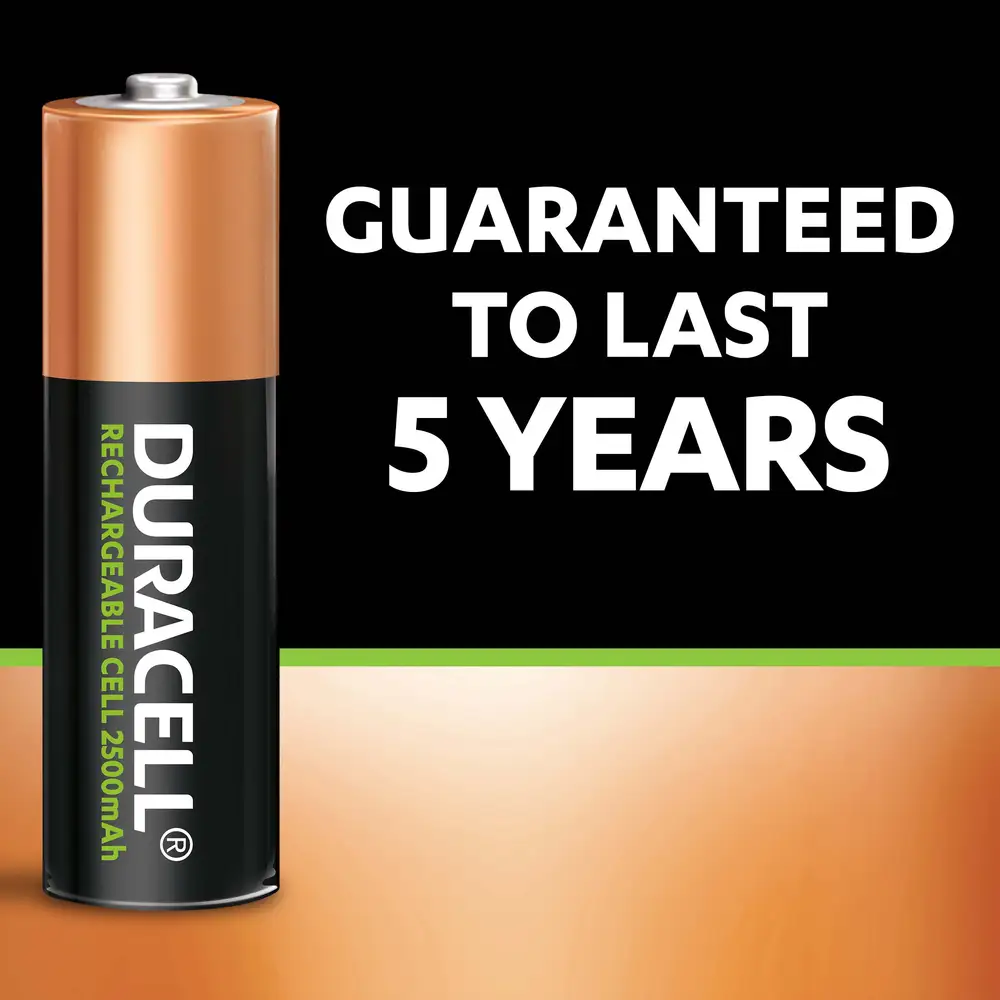
Duracell markets these AA NiMH cells as “guaranteed to last for 10 years or 400 recharges” with a “long-life ion core technology” delivering the brand’s #1 performance per charge in the AA size. On paper, the 2500 mAh rating should keep devices running longer between charges.
Amazon’s product page doubles down on the “up to one year charge-retention” promise, and Reddit users echoed that, citing 75% charge retention after 12 months unused. However, while the voltage is officially 1.2V, a Best Buy reviewer noted: “Some utilities need 1.5V, but not mine. These hold the main v of 1.3 the longest.” In rare cases, buyers found incompatibility in gear explicitly requiring alkaline voltage levels.
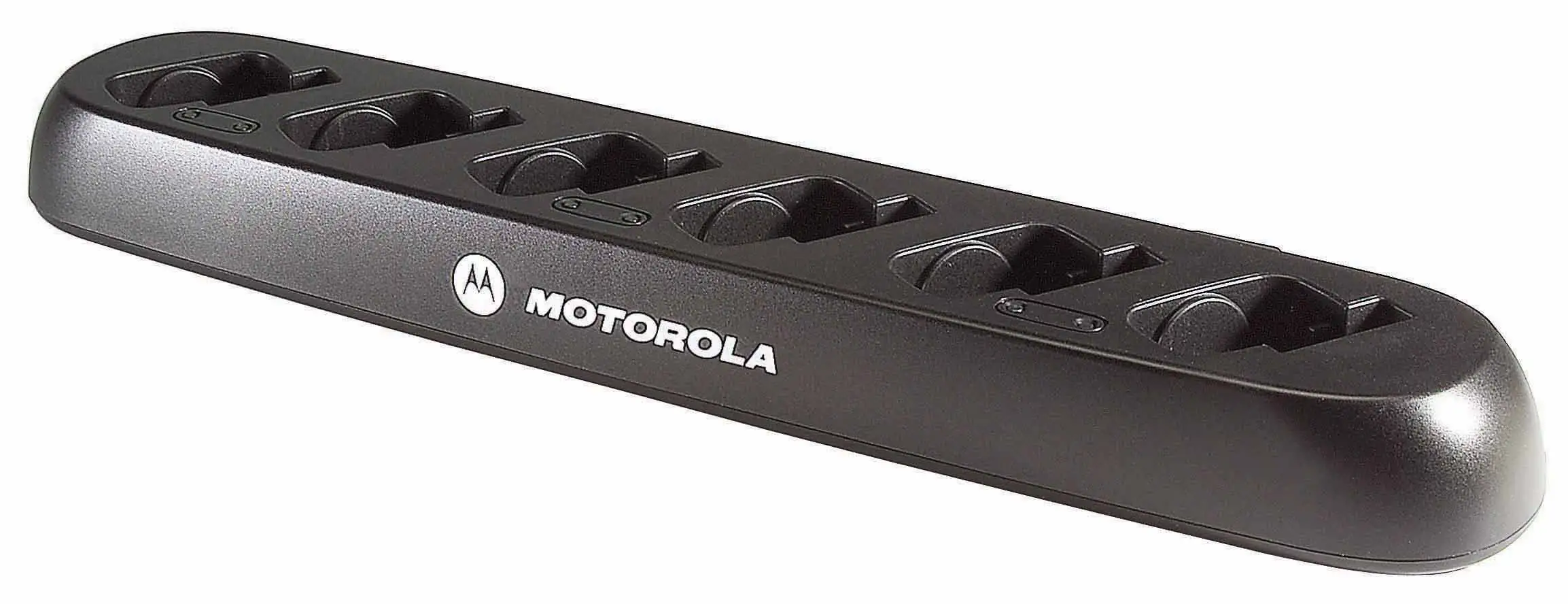
Another claim — “works in any NiMH charger” — is largely accurate. Multiple buyers confirmed charging in third-party smart chargers without issue, though Duracell-branded chargers remain recommended for safety. A verified buyer on Amazon highlighted using them interchangeably in a wide range of devices: “This rechargeable hold the main v... work longer in my equipment than regular throw-away batteries.”
Cross-Platform Consensus
Universally Praised
Across Reddit, Best Buy, and Trustpilot data, battery life dominates praise. Professional photographers mention powering flashes through entire events without swapping cells, while gamers cite 5-day sessions of 6–8 hours daily use in Xbox controllers. One Best Buy review said: “It takes 40–60 minutes to fully charge them” for another long stint in play. Parents noted that RC toys previously “sucked the life out” of standard batteries, but these rechargeables meant their kids’ cars “have been a lifesaver.”
Eco-conscious users love the environmental angle. “Anyone using non-rechargeable batteries should be fined,” one reviewer wrote. Over years, even daily users with a rotation of a dozen cells had zero failures, contrasting sharply with rivals where “about every third battery will fail within the first year.”
Durability is another strong point. Trustpilot feedback notes “using them for over 3 years now” with no capacity fade. Devices like wireless headsets, GPS units, and solar kits benefit from the combination of high capacity and low self-discharge.
Common Complaints
Even strong products have quirks. Voltage discrepancy crops up in reviews — some gear refuses to run optimally on 1.2–1.3V cells, highlighting the importance of checking device specs. Another frustration is old stock: “Upon receipt these batteries had no charge... dated 2013 and it’s 2015.” While they charge up fine, it undermines the “precharged ready-to-use” experience for affected buyers.
Availability of small packs can be limiting; heavy users prefer buying larger sets to avoid gaps while waiting for charges. A few report basic chargers taking longer than expected for a full recharge, particularly if they lack the faster current output of smart chargers.
Divisive Features
The upfront price versus long-term value divides opinion. For some, the $11–$12 two-pack feels steep compared to throwaways, until factoring in hundreds of cycles and power savings. Others feel cheaper rechargeables meet their needs despite lower mAh ratings. Charger compatibility also splits users between brand loyalty and cost-saving third-party options — while Duracell chargers are praised for safety, plenty successfully run these cells in budget models without issue.
Trust & Reliability
Long-term patterns show notable trust in the Duracell name. Best Buy reviewers articulate a confidence in build quality after trying brands like Energizer and RadioShack: “None have held up as well as these Duracell green label.” Durability across hundreds of cycles without swelling or leakage earns them repeat buyers.
That said, concerns over outdated inventory are real. When the “precharged” claim is undermined by years-old stock, some customers feel misled. There’s no widespread evidence of battery failures or leaks at this capacity — unlike Duracell alkaline reviews where acid leakage was a complaint. For rechargeables, most buyers report consistency fitting the 5+ year guarantee.
Alternatives
Competitors tested by the same community include Energizer and Goal Zero cells. Energizer rechargeables come in lower mAh ratings, prompting photographers to leave them behind: “Energizer batteries die too fast, the Duracell seem better.” Goal Zero’s branded batteries underperformed in solar kits compared to Duracell’s staying power. For budget-minded users who don’t need maximum runtime, cheaper low-capacity NiMH cells could suffice — but for performance-critical tasks, this Duracell pack remains a preferred choice.
Price & Value
On eBay, multi-pack deals bring the per-cell price down significantly — $17.49 for a four-pack versus roughly $6 each from retail when bought in pairs. Amazon’s listing at $11.89 for two is aligned with big-box rates but shipping to Australia spikes the total. Best Buy’s occasional 50% off “Deal of the Day” drew praise from bargain hunters stocking up for RC toys and gaming gear.
Community advice encourages buying extra sets to rotate between use and charge; this prevents downtime and maximizes lifespan by avoiding deep discharge. For professionals and hobbyists with multiple devices, larger packs from secondary markets yield better value per mAh.
FAQ
Q: Can these batteries be used in any device requiring AA cells?
A: Yes, as long as the device supports 1.2V NiMH rechargeables. Users caution some equipment built for disposable 1.5V alkalines may underperform.
Q: Do I need a Duracell charger?
A: No — they work fine in any NiMH-compatible charger. However, Duracell chargers are noted for safety and speed in user feedback.
Q: How long will they hold a charge if unused?
A: Reports confirm around 75–80% after one year, matching marketing claims and making them suitable for emergency kits.
Q: Is there a memory effect with partial recharging?
A: No, NiMH chemistry avoids the memory effect. Owners recharge them after partial use without issue.
Q: Why might they ship with no charge?
A: Older stock can self-discharge over years; while still usable, it requires a first full charge before deployment.
Final Verdict: Buy if you run high-drain gear — cameras, game controllers, RC toys — and want long-term savings with environmental benefits. Avoid if your devices demand full 1.5V from disposables or if you rarely use AAs enough to justify the cost. Pro tip from Reddit: rotate at least two sets and store unused cells full; you’ll always have power on hand without waiting for a charge.