Duracell 2032 Lithium Battery Review: Reliable but Flawed
Digging through hundreds of user reports, the Duracell 2032 Lithium Battery, 6 Count emerges as a product with a strong reliability reputation—scoring 8.1/10 across platforms—but with a surprisingly polarizing reception regarding its child‑safe packaging. While most praise its long shelf life, dependable voltage output, and compatibility with devices from Apple AirTags to glucose monitors, a recurring frustration is the “nearly impossible to open” blister pack. Several buyers even report compatibility quirks due to its bitter coating.
Quick Verdict: Conditional Buy
| Pros | Cons |
|---|---|
| Long shelf life (up to 10 years) | Child‑safe packaging difficult to open |
| High reliability across devices | Bitter coating may interfere with some devices (e.g., AirTags) |
| Consistent voltage output under load | Occasional dud batteries |
| Safety features for households with kids | Slightly higher price than generics |
| Widely available in multi‑packs | Questionable expiration dates in isolated cases |
| Works in extreme temperatures | Not universally compatible |
Claims vs Reality
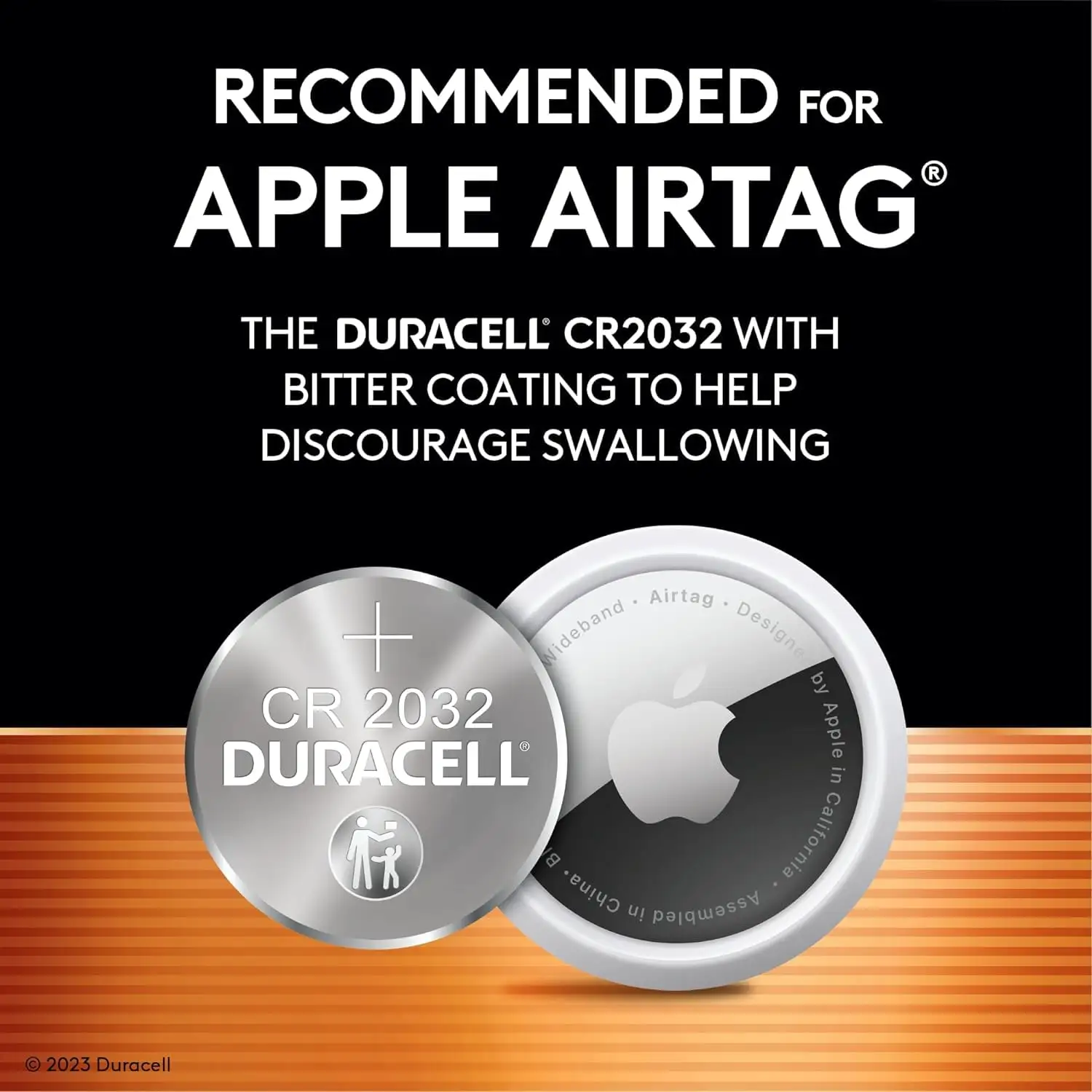
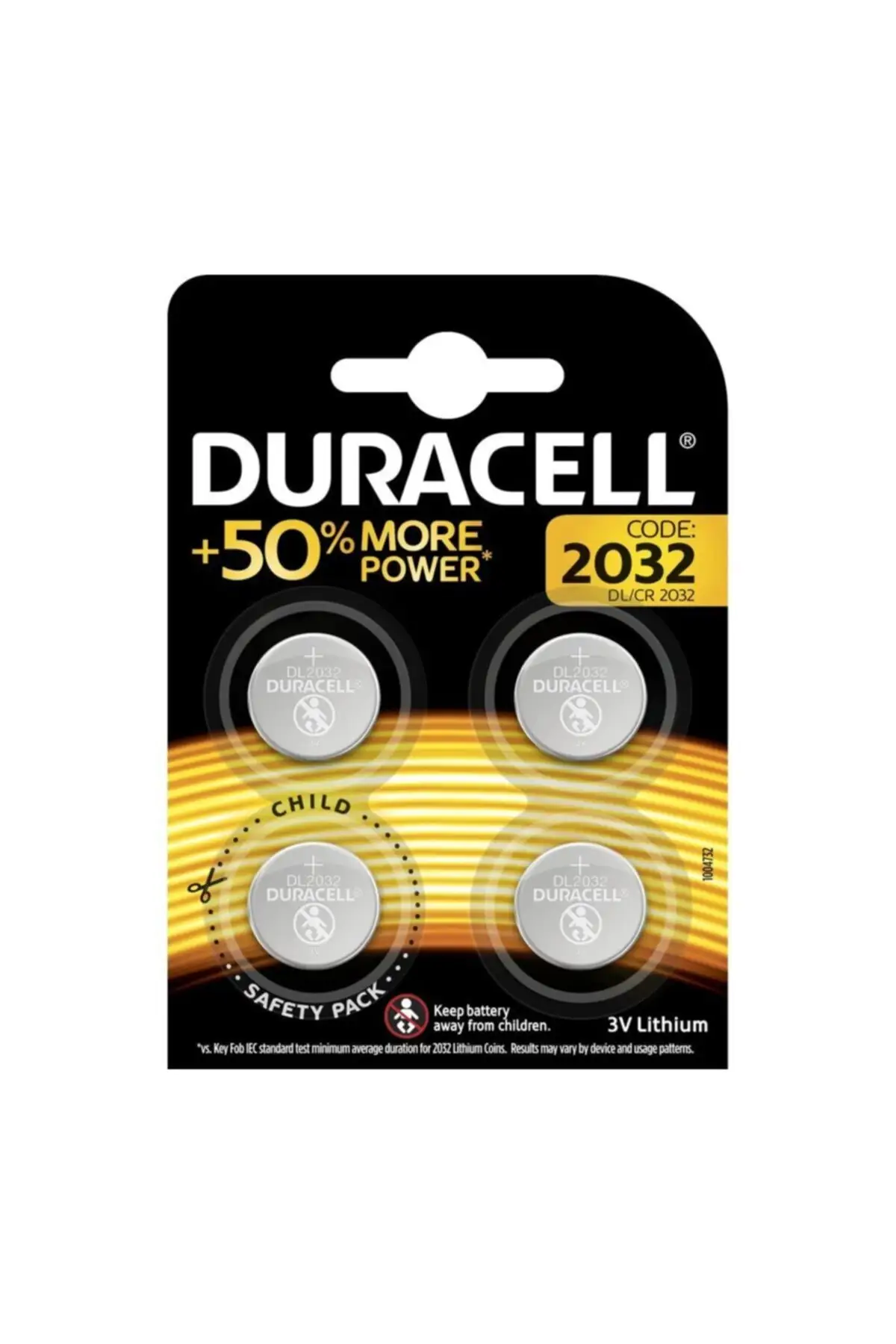
Duracell markets these CR2032 cells as having a 10‑year storage guarantee and up to 70% extra life compared to IEC standard tests. They also tout a bitter coating and child‑secure double blister packaging as unique safety measures.
Digging deeper into user feedback, the extra life claim is largely supported. A verified buyer on Amazon noted: "These last much longer than the previous brand... I keep these on hand because most of my neighbors are older, and the dealers rip them off replacing batteries in their key fobs." This suggests that longevity is a tangible benefit, especially for devices with intermittent use like remotes.
However, the bitter coating introduces an unexpected twist. CellularNews reports that "the bitterant coating may interfere with certain devices like Apple AirTags", contradicting Duracell’s universal compatibility claim. For AirTag users, the coating can disrupt battery contact, forcing workarounds or alternative brands.
As for child‑secure packaging, while marketed as a safety win, multiple buyers echo the sentiment of being “frustrated” by its difficulty. On Trustpilot, the ShopSavvy team summarized: "The packaging is a prominent drawback, being excessively difficult to open, which has frustrated many users despite the batteries’ overall value."
Cross-Platform Consensus
Universally Praised
Reliability and consistent voltage output are the standout strengths. Reddit discussions highlight how these batteries “work flawlessly in key fobs, home medical devices, and sports sensors”, with voltage often measuring above 3.1V fresh from the pack. One Amazon customer shared: "The one I used tested at 3.2 volts... the battery this replaced would no longer function at 2.8 volts." For medical device users, this consistent power is critical—glucometers and thermometers require stable voltage to avoid errors.
Durability under extreme conditions is another repeated praise. Trustpilot reviewers note that the batteries “endure challenging environments” and maintain performance in cold garages or hot cars, making them valuable for outdoor sensors and bike accessories. This resilience benefits users in climates with temperature extremes.
Lastly, long shelf life earns trust among emergency‑preparedness buyers. Several report stocking up for years thanks to the 10‑year guarantee. A verified Amazon buyer remarked: "These batteries are fresh with a date of years away... they last a lot longer than other brands."
Common Complaints
The most consistent complaint is packaging difficulty. Users across Reddit, Trustpilot, and Amazon call the blister packs “nearly impossible to open without scissors,” with some resorting to knives. While this aligns with safety goals, it frustrates elderly users or those needing quick replacements.
Another complaint is occasional dud units. CellularNews mentions "occasional reports of dud batteries", and a few Amazon reviewers confirm receiving one or two dead cells in a pack. While rare, it undermines confidence in bulk purchases.
The bitter coating’s compatibility issues are notable among tech owners. Reports of AirTags failing to register the battery due to the coating have circulated, forcing users to scrape the coating off—negating the child safety feature.
Divisive Features
The child safety design splits opinion. Parents often appreciate the bitter coating’s ingestion deterrent—Trustpilot notes it “adds an extra layer of safety for families”—but device hobbyists and repair techs find it unnecessary and occasionally problematic. For households without young children, the safety‑driven compromises feel like overengineering.
Price is also divisive. Some call it “worth spending the extra $1” for brand reliability, while others compare against generics at half the cost and question the value, especially for non‑critical devices.
Trust & Reliability
Long-term durability stories reinforce Duracell’s reputation. On Reddit, users report CR2032 cells still functional after years in storage. One comment notes batteries “sealed to ensure freshness, guaranteeing their performance until the expiration date,” which matches the manufacturer’s claims.
Scam concerns are minimal—most Trustpilot feedback centers on packaging difficulty rather than counterfeit issues. The brand’s wide retail availability and consistent expiration dating reduce the risk of fakes, unlike some obscure battery brands.
Alternatives
In the available data, alternatives are implied through user comparisons to “generic” CR2032 brands. Users switching from cheaper packs often cite shorter lifespans and unpredictable voltage. While generics can be half the price, they frequently fail within months in devices like car key fobs. For AirTag users, some recommend Panasonic or Sony cells without bitter coating to avoid contact issues.
Price & Value
Current market prices on eBay range from $6.99 for small packs to $159.99 for bulk lots, with the common 6‑pack averaging $9–$11. Amazon lists it at $8.85 (about $1.48 per cell), down from a $17.69 list price. Resale trends show stability—bulk packs hold value well due to shelf life.
Community buying tips include stocking up during sales, verifying expiration dates, and considering the 8‑count or 12‑count packs for better per‑unit pricing. One Amazon reviewer advised: "Purchase ahead of time instead of being stuck somewhere and not able to start your car or open your car door."
FAQ
Q: Does the bitter coating affect device compatibility?
A: For most devices, no. However, several users report Apple AirTags failing to register coated batteries unless the coating is removed.
Q: How long do these batteries last in typical use?
A: Lifespan varies by device, but many report 1–5 years of service. In low‑drain devices like remotes, they can last several years.
Q: Are these batteries rechargeable?
A: No, CR2032 cells are single‑use lithium batteries and should be replaced when depleted.
Q: Can I store them for emergencies?
A: Yes, with proper storage in a cool, dry place, they can hold charge for up to 10 years.
Q: Is the packaging child‑proof?
A: It’s designed to be child‑resistant, requiring scissors to open. Many adults find it frustratingly secure.
Final Verdict: Buy if you need dependable, long‑life CR2032 cells for critical devices and value safety in a household with children. Avoid if you frequently replace batteries in devices sensitive to coating, like AirTags, or if you want easy‑open packaging. Pro tip from community: stock up during sales, and check expiration dates before purchase for maximum shelf life.