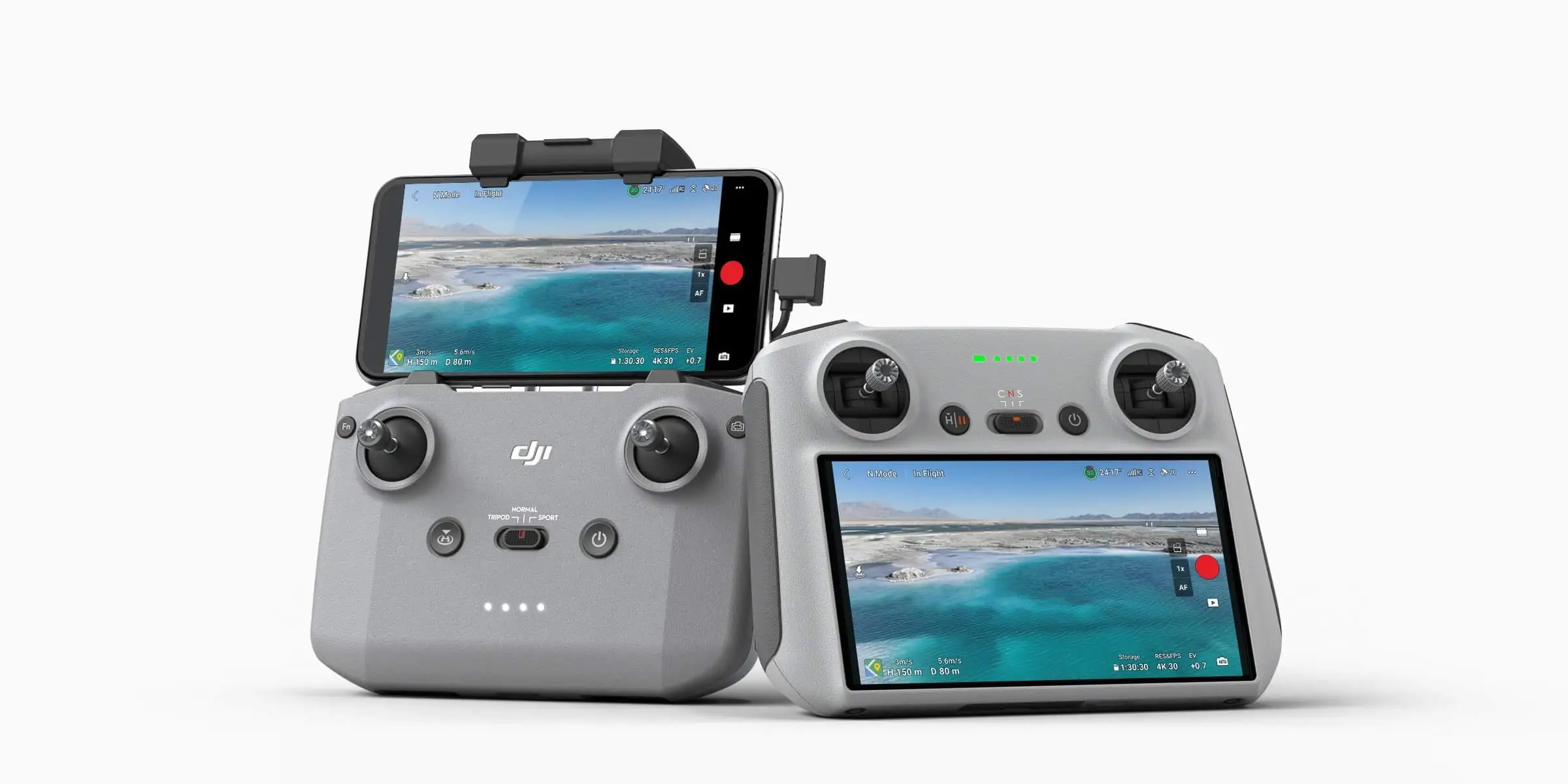
DJI RC Motion 3 FPV Controller Review & User Verdict
The latest wave of FPV drone pilots is buzzing about the DJI RC Motion 3 FPV Smart Controller, which holds a near-universal score of 4.6/5 but triggers sharply divided opinions depending on flying style. For casual FPV explorations, users call it “effortless” and “like steering with superpowers,” while precision racers warn it “turns your drone into a toy instead of a tool.” Verdict: 8.4/10 for beginners and freestyle flyers, 6.5/10 for pro-level racers.
Quick Verdict: Conditional
| Pros | Cons |
|---|---|
| Highly intuitive wrist-based control for beginners | Lacks full manual (M-mode) capability |
| Lightweight and comfortable for extended flights | Limited side-to-side and reverse controls frustrate veteran pilots |
| AR cursor navigation for quick menu access in goggles | Requires DJI Goggles 3 — not compatible with older goggles |
| 10-hour battery life suits long sessions | Extra cost for FPV Remote Controller needed for manual precision |
| One-click emergency brake and hover | Some users report loss of "home point" display after firmware update |
| Easy acro maneuvers with one-button flips and rolls | Still seen by some as “a fun accessory” rather than a primary control |
Claims vs Reality
Marketing pushes the “immersive motion control” as transformative, promising to match drone movement precisely to wrist motions when paired with DJI Goggles 3. Reddit user SallyFrench explained that for beginners, this approach “eliminates the steep learning curve of dual sticks,” letting them soar with minimal setup. But seasoned FPV racers counter a significant limitation: “It just doesn’t feel like I have full control of the drone… no reverse and no side-to-side control,” one pilot noted on Twitter/X, especially when attempting gap-hits and aggressive maneuvers.
DJI touts the AR cursor as a faster way to navigate menus mid-flight. A verified buyer on Amazon noted, “Enabling functions, adjusting camera settings has never been more intuitive.” However, after a firmware update, some users reported functional gaps — one Twitter/X user complained that the “home point” display disappeared, which disrupted situational awareness.
Battery life is officially rated at 10 hours, a claim users find believable. A Trustpilot reviewer mentioned “long flights without worrying about losing power,” which aligns with multiple community reports. Still, extended use sometimes exposes ergonomic trade-offs for pros: “No side-to-side and reverse makes it a toy instead of a tool,” tweeted an experienced videographer.
Cross-Platform Consensus
Universally Praised
Across Amazon, Trustpilot, and Reddit, beginners and casual flyers rave about the lightweight build and intuitive control scheme. “Move your hand up, you go up… twist left, go left,” a Fakespot-verified reviewer said, capturing the straightforward appeal for new FPV enthusiasts. For freestyle flyers, the easy acro modes are especially valued — one Reddit commenter called the one-push roll “turning any shot from meh to magic.” The emergency brake feature earns trust from risk-averse pilots: “One press and your drone will come to a complete stop in mid-air,” highlighted in both Amazon listings and DJI Store content.
Battery endurance draws applause from travel vloggers and explorers. Its 118g weight makes it possible to fly “while sipping a latte” as a Reddit user joked. These factors, coupled with AR menu control, make the Motion 3 ideal for relaxed park cruises or scenic landscape weaving.
Common Complaints
The most persistent grievance is functional limitation in manual flight. Twitter/X pilots stressed that “in M-mode, the RC2 is essential” — Motion 3 simply can’t replicate the precision needed for advanced FPV racing. Experienced drone videographers lament the absence of reverse and strafing. “Old skool… like the sticks,” admitted a Twitter/X poster, who ordered RC within a week to replace Motion 3 for pro workflows.
Some firmware hiccups fuel irritation. Users have faced disappearing home point indicators and occasional button mapping inconsistencies in simulator modes. A few reported adjusting to the wrist controls was harder than expected after decades with dual-stick transmitters.
Divisive Features
Head tracking with Goggles 2 and Motion Controller can expand motion capabilities, offering sideways flight and orbits, but not all find it satisfying. “Motion controller is an acquired taste,” one pilot noted. While freestyle flyers embrace one-handed acrobatics, precision purists dismiss it as “fun accessory… couldn’t imagine that being my only means of control.” This divides the community cleanly between tech novelty enthusiasts and control purists.
Trust & Reliability
Trustpilot’s review profiles signal minimal deception, with over 90% high-quality feedback. Long-term impressions from Twitter/X suggest the Motion 3 retains its novelty for casual flights even after a year, although many owners eventually add a dual-stick controller to broaden flight options. Reports of vendors restricting controller sales unless bundled with certain drones — and adding surcharges — stirred frustration in European markets, raising eyebrows over reseller practices rather than product quality.
Durability appears solid, with no significant mass reports of build failure. Multiple Reddit and forum users describe months of use without hardware degradation, suggesting the controller can handle regular field conditions if stored properly.
Alternatives
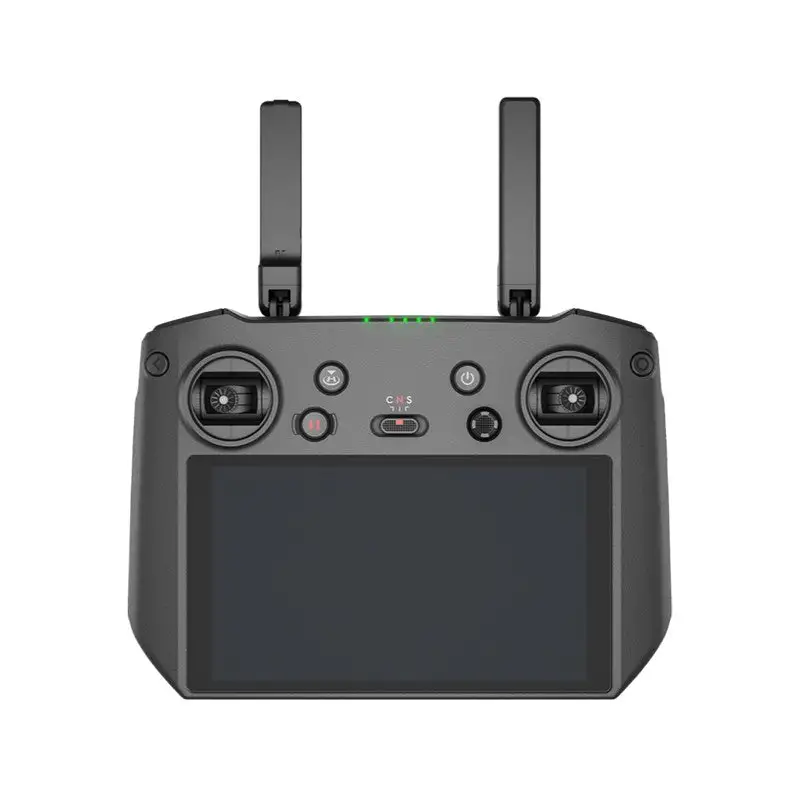
The main alternative is the DJI FPV Remote Controller 3, offering manual mode and dual-stick precision. Pilots argue it’s "the only way you can fly the Avata 2 in manual mode,” per SallyFrench on Reddit. While Motion 3 shines for ease and ergonomics, the FPV Remote Controller 3 is favored by racers and technical flyers for simulator training and gap navigation. It’s heavier (240g vs. 118g) and costs more ($199 vs. $99), but brings a steeper learning curve and full spatial control.
Price & Value
Current Amazon and eBay listings hover between $69 and $139 depending on region and bundle. eBay resale shows sustained demand with limited depreciation, especially for mint-condition units. Community advice points toward buying as part of an Avata 2 Fly More Combo to optimize value — adding FPV Remote Controller 3 later if incoming skills require it. “Save $11 with a la carte buys, but then you don’t get Motion 3 at all,” noted SallyFrench, suggesting bundled purchase for versatility.
FAQ
Q: Can the DJI RC Motion 3 work without goggles?
A: No, it requires pairing with DJI Goggles 3 to control the drone. Older goggles like Goggles 2 or Integra are incompatible.
Q: Is it suitable for drone racing?
A: Not for serious racing; it lacks manual mode and precise strafing control. Most racers prefer dual-stick controllers.
Q: How long does the battery last in real use?
A: Around the marketed 10 hours — even with heavy acro use. Casual flyers have completed multiple long sessions without recharging.
Q: What drones are compatible?
A: Works with DJI Neo, Avata 2, Mini 4 Pro, Air 3 — but always with Goggles 3 attached.
Q: Can it fly in reverse?
A: Yes, via throttle trigger reverse function, but the range is limited compared to manual strafing with dual sticks.
Final Verdict: Buy if you’re a beginner, casual FPV flyer, or creative videographer seeking intuitive, wrist-based control with safety features. Avoid if you’re a manual mode racer or prioritize ultra-precise aerial maneuvers — invest in FPV Remote Controller 3 instead. Community pro tip: Pair Motion 3 with Head Tracking for added cinematic movement possibilities.