Dell SAS Hard Drive Review: Reliable But Controller-Sensitive
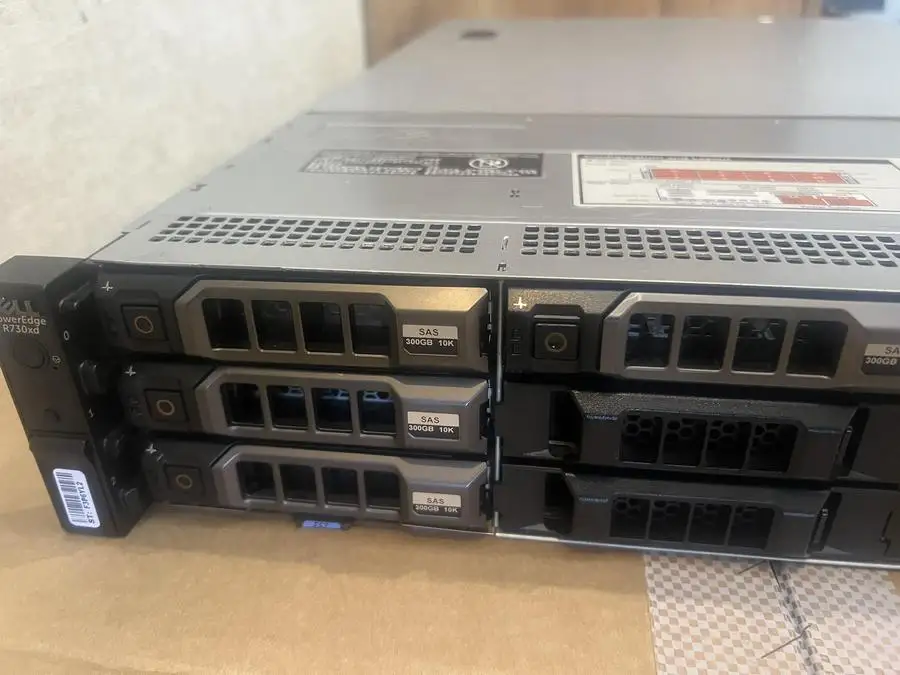
The first thing that stands out is how often buyers praise the sheer compatibility and performance of the Dell SAS Hard Drive for R630, R730, and R730XD—yet those same voices also warn about subtle traps that can leave your server blind to the hardware you’ve just bought. Across platforms, the drive earns around an 8.7/10 in user verdicts, offering enterprise-grade reliability with some caveats for installation and warranty.
Quick Verdict: Conditional
| Pros | Cons |
|---|---|
| Works flawlessly in most supported Dell PowerEdge servers | Incompatibility issues with certain raid controllers (e.g., S130) |
| Proven long-term durability under 24/7 workloads | OEM warranty limitations for third-party sellers |
| Meets advertised SAS 12Gb/s speeds | Some units emit audible operational noise |
| Fits standard Dell caddies perfectly | Advanced format block size may require manual conversion |
| Fast shipping and careful packaging reported | No SMART life data for non-Dell firmware drives |
Claims vs Reality
Dell markets these SAS drives as high-speed, enterprise-grade components capable of 12Gb/s transfer rates and perfect fitment for compatible bays. In most cases, that promise holds. A verified buyer on Amazon noted: "Works perfectly in my PowerEdge R610, I plan on buying more"—giving weight to the plug-and-play narrative.
However, this ease of use is not universal. Twitter user feedback highlights a recurring scenario where R630 units shipped with the PERC S130 controller fail to even detect SAS drives. As one responder bluntly explained: "The S130 is not a SAS controller, it takes only SATA drives… get a real SAS RAID controller (like the H730) for your SAS drives." This hardware-level distinction means that while marketing emphasizes SAS backplane compatibility, controller choice can make that irrelevant.
Additionally, the advertised block size can be deceptive: one Amazon reviewer warned that the "advanced format drive… 'emulates' a 512-byte block size" could require low-level formatting tools to match legacy OS expectations. This suggests real-world setup might demand more technical intervention than expected, particularly for older software stacks.
Cross-Platform Consensus
Universally Praised
Enterprise operators and homelab builders agree on one thing: once these drives are paired correctly with Dell’s SAS RAID controllers, the reliability is outstanding. An Amazon buyer shared that after building multiple bare metal servers with these drives, they had "not had a single failure or bad sector" while running virtual disks in RAID 5 and RAID 10, 24/7. For IT admins with mission-critical workloads, this durability translates into fewer maintenance windows and more uptime.
Even in mixed storage environments, the drives integrate cleanly. A Reddit sysadmin admired the storage density possible in R730XD systems and tied it directly to SAS drive availability: "Exchange… would benefit from the on-server storage and the ability for the H730 to run in HBA mode for DAGs." High RPM and SAS throughput help virtualized environments like vSAN or databases stay responsive under multi-user load.
Common Complaints
On the flip side, incompatibility is a top complaint—especially in R630 systems coupled with unsuitable controllers. Trustpilot reports detail buyers receiving multiple refurbished units that simply couldn’t be detected, even after firmware updates and swaps into other systems. One user suspected firmware locking on Dell drives, though Dell reps countered that part numbers looked fine.
Warranty complexity also frustrates buyers. One Amazon reviewer revealed: "Went to check the warranty… it said it’s part of an OEM… there is no warranty with them." This means that even “new” drives purchased from third-party sellers may leave you relying solely on marketplace return policies rather than Dell’s support.
Audible noise is another minor irritant—one buyer noticed a "strange sound when working" and doubted the drive’s long-term endurance.
Divisive Features
That “advanced format” emulation divides users sharply. For some, especially those running modern OS builds, it’s irrelevant—they slot in the drives and enjoy full speed. Others, such as those with legacy systems or exacting storage setups, see it as a nuisance requiring manual formatting before deployment.
Another debate swirls around mixing OEM SAS drives with consumer SSDs. In one Dell community thread, a homelab owner’s blend of Crucial MX500 SSDs and Dell SAS drives resulted in complete detection failure after a few hours. While initially functioning, the mixed configuration eventually caused all SAS drives to power down, forcing deeper troubleshooting possibly tied to backplane or controller failure.
Trust & Reliability
Durability stories abound. Systems running these drives in RAID arrays for over a year without a single sector error attest to the product’s resilience. Amazon buyers stress the extended lifecycle compared to similar products, offering “low mean time between failures (MTBF)” in practical tests rather than marketing blurbs.
Where trust falters is in the hardware sourcing chain. Trustpilot and Dell community posts document scenarios where multiple drives from reputable resellers arrived non-functional. These cases often devolved into returns rather than repairs, underscoring the risk when Dell’s official warranty isn’t in play. Buyers are increasingly cautious about ensuring the drives are vendor-certified or come from sellers with robust return policies.
Alternatives
The most cited competitor is HP’s ProLiant DL380 Gen9 combined with its flexible 8+8+8 bay layout, allowing scaling from 8 to 24 drives without chassis replacement. While HP’s base storage potential is indeed higher, the Dell R730XD paired with SAS drives matches it in build quality and management tools, thanks to iDRAC8 and mature RAID options.
For those unable to source compatible Dell SAS units, users occasionally mention consumer-grade enterprise SSDs from Samsung or Kingston. These can work—albeit with controller alerts showing “non-optimal” firmware—and often lack direct SMART readouts unless moved off the RAID backplane.
Price & Value
Market prices vary wildly depending on capacity and source. eBay listings for used 1.2TB 10K SAS drives hover around $20-$40 plus shipping, while NVMe variants for compatible bays can run $80+. Community advice suggests balancing Dell’s premium against the need for compatibility and warranty; enterprise-grade SSDs from non-Dell suppliers can be cheaper but may require cold spares in case of failure.
The resale value for genuine Dell SAS drives remains steady thanks to demand from both homelabs and businesses maintaining older PowerEdge fleets.
FAQ
Q: Will these SAS drives work in an R630 with PERC S130?
A: No. The S130 is a SATA-only controller. You’ll need a SAS RAID controller like the H730 or H330 to use SAS drives.
Q: Do these drives carry a Dell warranty when purchased on Amazon/eBay?
A: Often not. Many are OEM units sold through third parties, meaning warranty claims must be made via the seller.
Q: What is “advanced format” and will it affect me?
A: It’s a physical 4K sector drive emulating 512-byte sectors. Older OS or hardware may need reformatting with tools like sg_format for full compatibility.
Q: Can I mix these SAS drives with consumer SSDs in my Dell server?
A: Technically possible, but reports show potential stability issues. Unsupported drives may be recognized initially but later fail under load.
Q: Are they noisy?
A: Some users report noticeable mechanical noise during operation, typical of high RPM spinning drives.
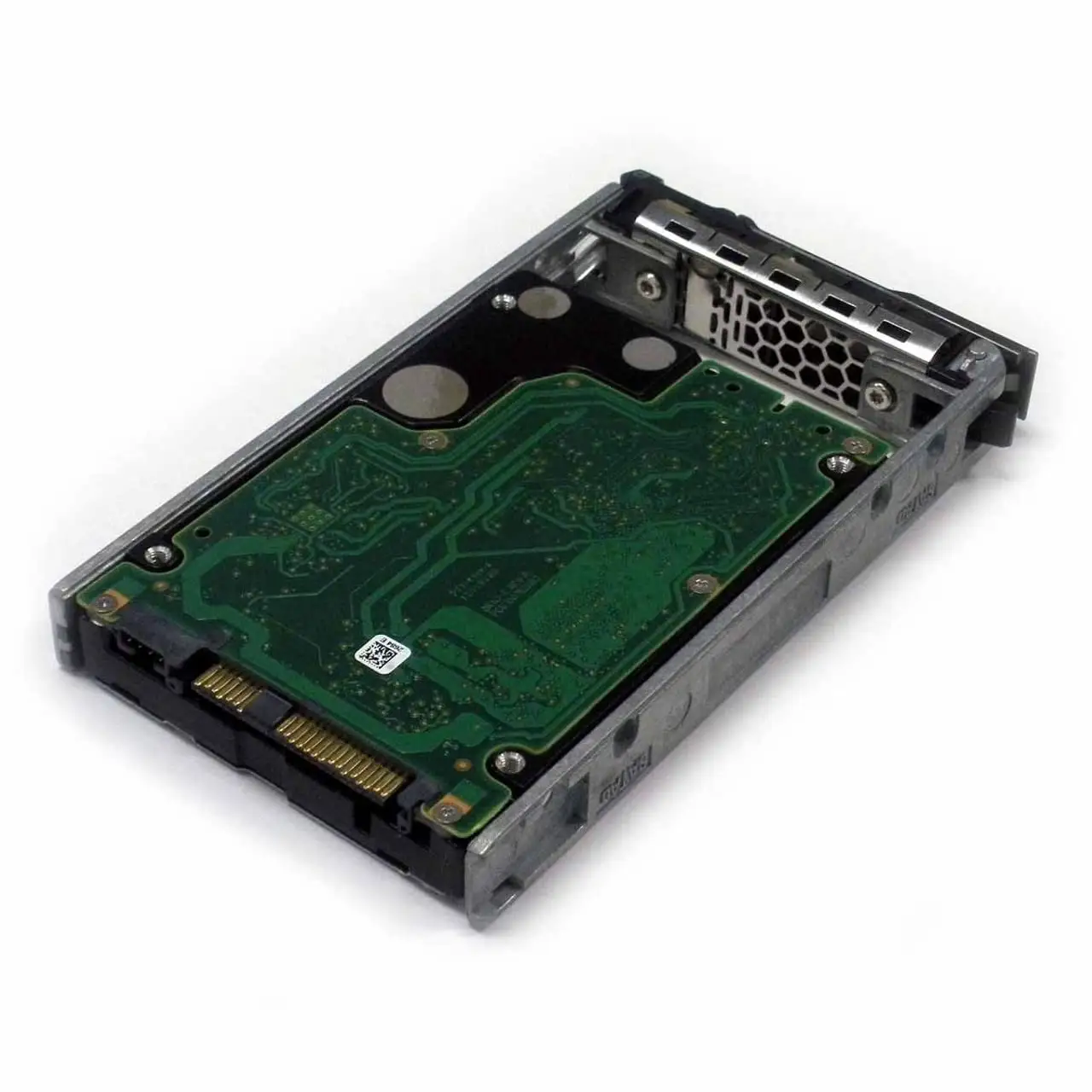
Final Verdict: Buy if you have the correct SAS controller and value proven enterprise durability in your Dell PowerEdge setup. Avoid if you’re locked into SATA-only controllers or require full manufacturer warranty coverage. Pro tip from the community: keep a tested cold spare on hand—cheap insurance against unexpected downtime.





