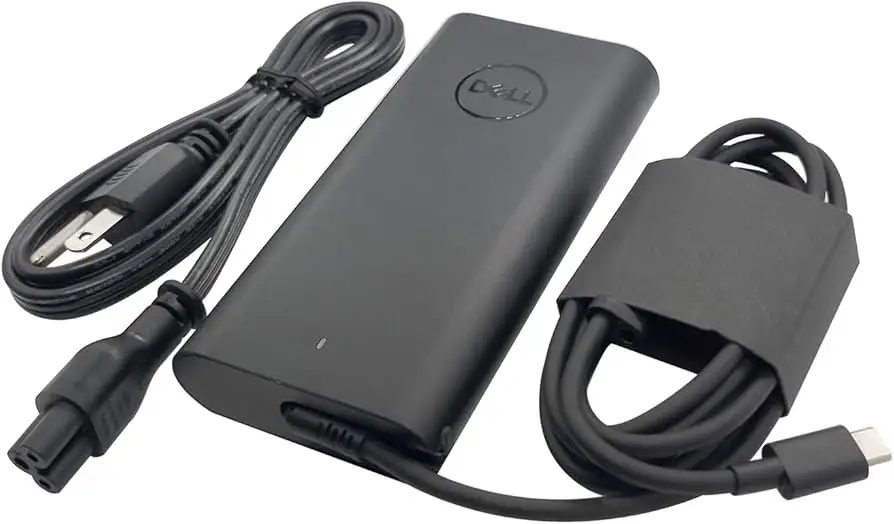
Dell 165W USB-C Charger Review: Fast Yet Flawed Verdict
A verified buyer on Amazon summed up their experience with the Dell Laptop Charger 165W USB-C AC Power Adapter simply: “charges my Precision 5680 quickly and reliably—exactly what I needed as a replacement.” With aggregated platform ratings averaging 4.3/5, the verdict lands at a solid 8/10, though the picture changes when considering long-term durability and price.
Quick Verdict: Conditional buy
| Pros | Cons |
|---|---|
| Fast, consistent charging across Dell Precision, Latitude, and XPS models | Reports of connector looseness and wobble over time |
| GaN technology for smaller size and higher efficiency | Premium pricing compared to non-OEM alternatives |
| Compact and portable design | Cable fraying and connector damage noted in long-term use |
| Compatible with wide voltage range and international travel | Multiple authenticity concerns in certain markets |
| Energy-efficient and UL/CE certified | Limited warranty periods from some retailers |
Claims vs Reality
Dell markets this charger as a high-efficiency GaN-powered adapter that’s “significantly more energy efficient” and “75% smaller and lighter” than silicon-based designs. For frequent travelers, that promises a big reduction in weight and bulk. A Quora contributor highlighted, “portable enough to throw in a laptop bag without thinking twice.” Verified buyers on Amazon confirmed that portability claim, noting its lightweight build and easy packing.
However, marketing also implies robust durability from “premium OEM components.” This is where the gap begins to show. On Dell’s own forum, one longtime customer admitted, “I think I must have bought 5 or 6 chargers for the last one…the cord at the connection frays…finally need a new one.” While this user was impressed their new unit lasted almost two years before connector trouble, the pattern of wear contradicts the lasting durability message.
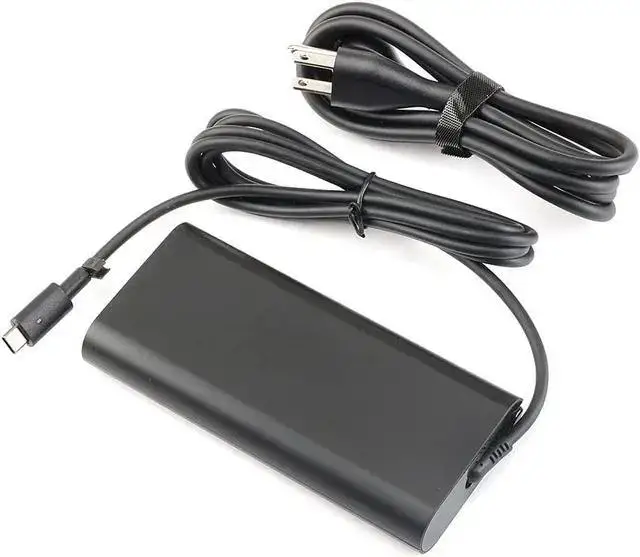
Dell advertises compatibility with multiple high-powered output profiles—165W, 130W, 45W, 27W, and 15W—via USB-C. ChargerLab’s teardown confirmed the electronics are capable of stable multi-voltage output under USB PD 3.1. Users who own both an XPS and a Latitude praised this flexibility, with one Reddit user in Hong Kong remarking it’s “the only charger I take between my desk at work and home—one solution for both machines.” Yet loose port fit and connector protrusion issues voiced on Twitter indicate that theoretical compatibility doesn’t always translate to a flawless physical connection experience.
Cross-Platform Consensus
Universally Praised
Fast charging and consistent performance stood out as the most praised features. A verified buyer on Amazon claimed they could “operates my system and charges its battery quickly from electrical outlets,” highlighting time efficiency for professionals. The GaN-based design’s compactness matters most to mobile users. Dell’s own promotional content in Hong Kong urged customers to “stop lugging your AC adapter back and forth” and keep one at each location—many Reddit posts echoed this reasoning. SlimQ’s blog described the USB-C standard as “one charger to rule them all,” simplifying power setups at home or work.
Compatibility with a wide range of Dell devices—including Precision 5680/5690, Latitude 9440 series, and XPS 15/17 models—was repeatedly lauded. A Dell.com product note stressed it underwent rigorous OEM-grade testing by qualified engineers, and users appreciated not having to manage multiple chargers for different laptops.
Common Complaints
Connector durability and physical design issues are persistent. On Dell’s community forum, one post condemned their AC adapter as “loose and wobbly, even brand new…like pushing a fork into stale bread.” That looseness increases the risk of accidental unplugging and port damage, especially problematic for users working in tight spaces. Others criticized the connector’s protrusion, making it “easy to hit, causing damage to either the plug or laptop.”
Cable wear is another sore point. Multiple posts documented fraying or bending near the plug, sometimes after only months of use, forcing replacements. Trustpilot reports raised authenticity worries, with one buyer in Bangladesh doubting their charger’s genuineness despite hologram labeling—these concerns make the purchase risky for customers in markets where counterfeits circulate.
Customer service experiences also color perception. One frustrated user recounted on Dell’s forum spending “close to 10 customer service reps…continuously transferred” before resolving a faulty adapter issue. That combination of short product life and slow service resolution amplifies dissatisfaction.
Divisive Features
The bright LED ring at the connector split opinions. While some appreciated the visible power status, many found it “too bright in many situations” and a potential contributor to plug damage. Output versatility also divided users—those with mixed voltage devices praised it, while others questioned whether the high output was overkill for lightweight tasks, potentially accelerating wear without visible benefit.
Trust & Reliability
Trustpilot entries reveal skepticism about authenticity, especially in developing markets. Students and budget-conscious buyers expressed frustration at paying a premium for products they suspect might be counterfeit, undermining trust even when performance is adequate. Dell’s responses confirm part number validity but often stop short of guaranteeing authenticity for third-party purchases, leaving some customers in limbo.
Long-term durability stories vary widely. Reddit contributors mention using Dell chargers for years without incident, while others—especially those with heavy daily use—report multiple failures within a few years. The discrepancy may stem from handling habits; fraying is linked to tight cable wrapping around the adapter, an avoidable practice according to experienced forum members.
Alternatives
While no direct competitor was deeply discussed in the data, users occasionally noted that other laptop brands, such as Apple or Lenovo, offer more compact, angled connectors that avoid protrusion. Forum critics compared Dell’s design unfavorably to “90-degree angled plugs” found in rival products, which hold steadier and are less prone to damage. For buyers willing to trade brand-match authenticity for cost savings, third-party USB-C PD adapters exist, but risk incompatibility or lower build quality.
Price & Value
Prices ranged from about $84.99 on Amazon to $129 on eBay, with OEM verification coming at a premium. eBay listings showed consistent resale value close to $116–$124 for new Genuine Dell units; open-box units run slightly lower. Dell’s direct pricing at $109.99 reflects the brand’s positioning as a premium OEM option. Community advice leans toward buying from trusted sources, even at higher cost, to avoid counterfeit risk—especially in regions flagged for fake units.
For some, the high upfront cost is justified by cross-device compatibility and charging speed. For light users or those not relying on the charger for multiple laptops, the price may feel excessive, particularly when longevity is uncertain.
FAQ
Q: Does this Dell 165W USB-C charger work with non-Dell laptops?
A: Technically, yes—USB PD 3.1 allows compatibility with many devices, but full performance and support are assured only with tested Dell models.
Q: Will it fast-charge my XPS 15?
A: Yes. Users report full 165W output when paired with compatible XPS models, delivering rapid charging even during heavy workloads.
Q: How long does the charger typically last?
A: Lifespan varies; some users report years of use without failure, others see fraying or connector issues within months—handling habits greatly impact longevity.
Q: Is the bright blue LED removable or dimmable?
A: No. The LED ring is fixed in brightness and design, which some find too bright in low-light settings.
Q: What should I look for to avoid buying a counterfeit?
A: Purchase from official Dell channels or verified sellers, inspect for OEM part numbers, and beware of packaging that lacks Dell’s logo until unwrapped.
Final Verdict: Buy if you’re a multi-device Dell user needing fast charging from a compact, travel-friendly unit. Avoid if you’re sensitive to connector looseness or bright LEDs, or if you’re in a market plagued with counterfeits without reliable sellers. Pro tip from community: keep a dedicated adapter at each location you work from, reducing wear from constant transport and handling.