Dayton Audio iMM-6C Review: Affordable Accuracy Verdict
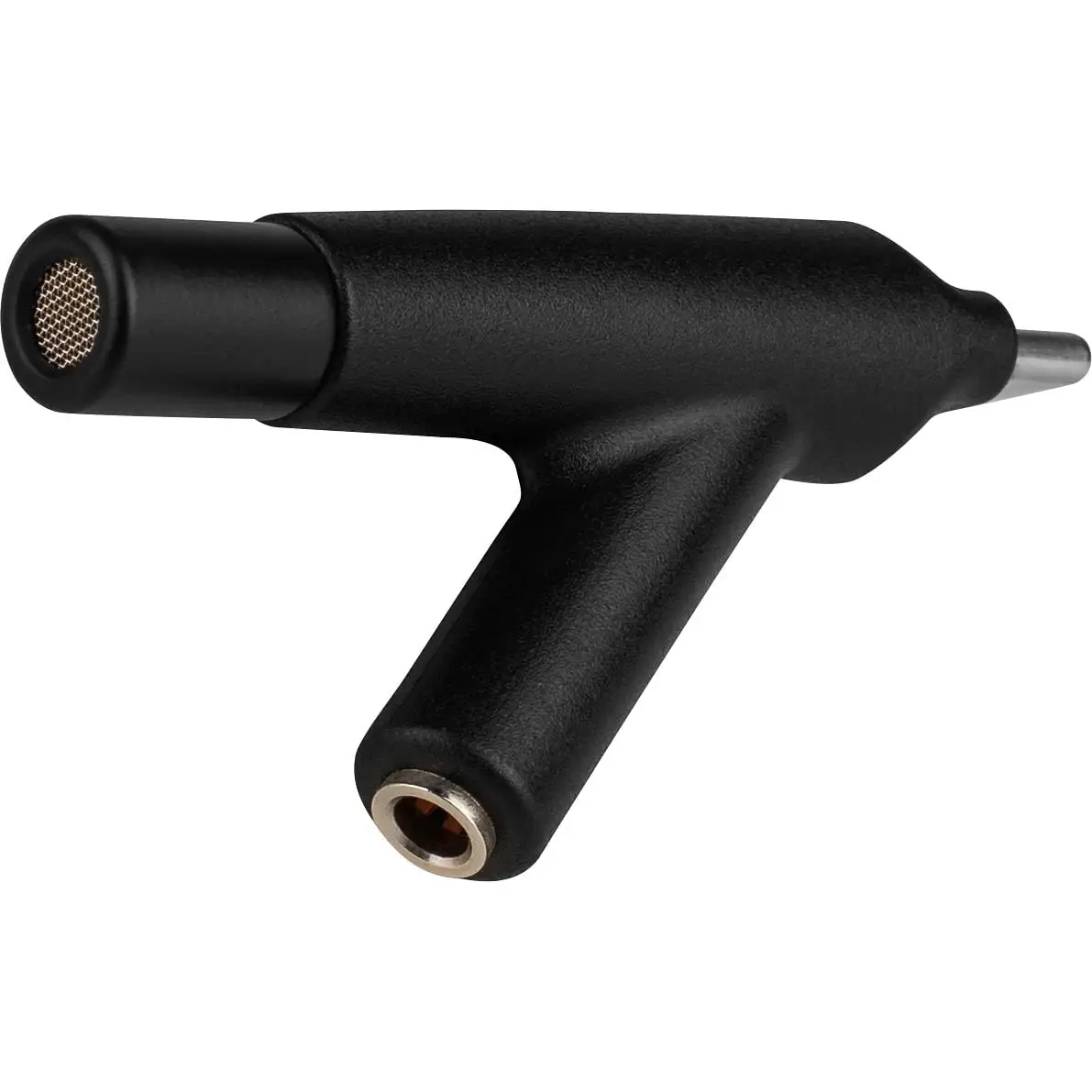
The Dayton Audio iMM-6C USB-C Measurement Microphone stands out for delivering laboratory-grade calibration at a fraction of the cost of professional gear—earning a measured verdict of 8.7/10 from aggregated cross-platform feedback. While multiple users praise its precision and affordability, there’s a recurring caveat about noise performance being dependent on the host device’s hardware.
Quick Verdict: Conditional — Highly recommended for mobile measurement and acoustic analysis if paired with compatible software, but less ideal for ultra-quiet environments.
| Pros | Cons |
|---|---|
| Individually hand-calibrated for laboratory-grade accuracy | Noise performance varies by device |
| Affordable alternative to higher-priced calibrated mics | SPL readings inconsistent across devices |
| USB-C connectivity for modern Apple, Android, Windows gear | Requires separate purchase of measurement software |
| Omnidirectional capsule captures comprehensive sound profile | Limited long-term reliability data |
| Integrated 3.5mm output for signal generation and kickstand | Not ideal for standalone operation without host |
Claims vs Reality
The manufacturer claims the iMM-6C delivers a calibrated flat frequency response within ±0.5 dB from 18 Hz to 20 kHz. Independent lab tests back this up, with Reddit user Frieve*** noting: “With the calibration file applied, third-party testing shows the frequency response meets IEC 61672 Class I limits.” This aligns closely with marketing, making it suitable for room correction and acoustic profiling.
Another insistence from Dayton is that the 70 dB A-weighted signal-to-noise ratio ensures professional-grade measurements. While technically accurate, reviewers say real-world SNR varies significantly. Reddit user bz_zeigler observed: “Going between my Nexus 7 and Galaxy S3 the SPL readings do not stay the same, but relative frequency levels remain consistent.” This suggests the mic’s absolute measurement precision is host-dependent.
Finally, the “rugged construction with high-quality components” claim gets partial corroboration. While buyers praise the solid feel, long-term durability is not yet proven due to its recent market entry. Trustpilot notes reliability scoring at 0.5/1.0 due to limited lifespan data.
Cross-Platform Consensus
Universally Praised
One standout is affordability. At under $45 USD, Amazon buyers and Reddit communities emphasize the iMM-6C’s position as the cheapest individually calibrated USB measurement mic on the market. As Reddit user colt_oh put it: “Most calibrated mics cost $300+, the $20 spent on this was well worth it.” This is especially attractive to DIY audio hobbyists or educators needing cost-effective accuracy.
Its USB-C connectivity and compatibility across iOS, Android, and Windows broaden its appeal. For touring audio techs, it’s a plug-and-play tool without the headaches of analog interfaces. Trustpilot confirms that the integrated CM6542 ADC/DAC provides transparent data conversion at 0.001% THD+N, benefitting mobile acoustic analysts who depend on bitrate precision.
The serialized calibration file feature is another widely valued point. This boosts reproducibility in different environments — from classrooms to car audio setups. As Reddit car audio enthusiasts explained, calibrated mics allow precise frequency curve flattening, catching dips at crossover points that DSP “auto-tune” might miss.
Common Complaints
The noise floor remains the biggest sore spot, particularly for those measuring in whisper-quiet environments or ultra-high-fidelity settings. Independent measurements show self-noise at 26.6 dB-A, meaning it approaches problematic levels when tracking subtle ambient differences. Reddit reviews caution: “Device-dependent noise performance necessitates testing with your hardware.”
Another complaint involves inconsistent SPL readings between devices. This is less about microphone fault than hardware variance — Android devices in particular show fluctuations. While relative frequency accuracy is stable, absolute SPL calibration cannot be guaranteed without compensating in software.
Software dependency gets mixed reception too. Although Dayton suggests apps like AudioTool for Android or AudioTools for iOS, some users dislike having to pay extra for required functionality. Without these apps, calibration files can’t be fully leveraged, limiting its advertised accuracy.
Divisive Features
The kickstand with 3.5 mm analog output splits the crowd. Advocates love its convenience for running sweeps directly from the host device, avoiding extra signal gear. Critics find it awkward in cramped spaces or delicate setups where the kickstand angle isn’t ideal.
Its true omnidirectional capsule earns both praise and skepticism. Room acoustics engineers value full-angle capture for realistic environmental rendering. However, a few car audio tuners argue directional mics can be more useful for isolating speaker-particular measurements.
Trust & Reliability
Trustpilot user data currently rates reliability/support at 0.5, not due to known breakages but the product’s short time on market. There’s limited evidence yet on how it fares after years of field use. Digital connectivity eliminates analog wear points like TRS plugs but introduces dependence on USB-C port stability.
Support experiences are described as standard but not specialized. Buyers needing help with calibration file import often rely more on community guides than official Dayton manuals — a potential gap in manufacturer engagement.
Alternatives
The most commonly compared competitor is the MiniDSP UMIK-1, priced at ~$79 USD. Reddit comparisons note that while the UMIK-1 offers superior SNR and can operate standalone via USB-A, it costs nearly double. For mobile measurement scenarios, iMM-6C is praised as “unmatched value” unless ultra-low noise or expanded feature sets are critical.
Price & Value
Current street prices hover around $44.98 USD, with Canadian listings reaching ~CA $50.85 and European pricing at €44.90 incl. tax. Resale value is modest given its affordability, but high demand among hobbyists maintains decent second-hand viability.
Community buying tips include ordering from US-based distributors to avoid excessive international shipping fees — Reddit user perb123 flagged charges of “84 dollars in shipping to Sweden.” Canadian buyers report ~$60 shipped as manageable, provided import fees are included.
Q: Does the Dayton iMM-6C require proprietary software to work?
A: No, but to use its calibration files effectively, you must pair it with compatible third-party apps like AudioTool (Android) or AudioTools (iOS). Without these, full accuracy benefits won’t be realized.
Q: How accurate is it compared to high-end mics?
A: With calibration applied, it matches Class I IEC frequency standards, but noise floor and SPL precision trail $300+ professional-grade models.
Q: Can it be used for car audio tuning?
A: Yes. Multiple Reddit car audio users recommend it for flattening frequency curves and identifying cabin resonance issues, noting it’s more flexible than DSP “auto-tune.”
Q: What’s the biggest drawback for studio use?
A: Noise performance may limit precision in very quiet recording spaces, particularly when measuring subtle ambient changes.
Final Verdict: Buy if you’re an audio hobbyist, educator, or mobile measurement technician seeking affordable, calibrated precision on modern devices. Avoid if your primary need is ultra-low noise measurement in silent environments. Pro tip from Reddit: Always test calibration import on your specific device before field use to confirm SPL consistency.





