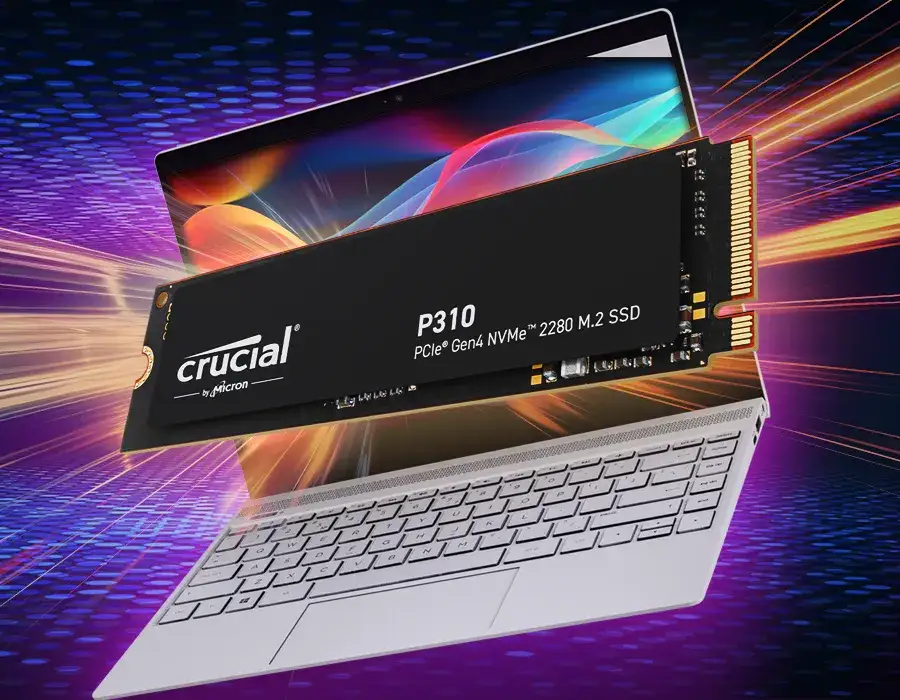
Crucial P310 2TB SSD Review: Fast but Heat-Sensitive
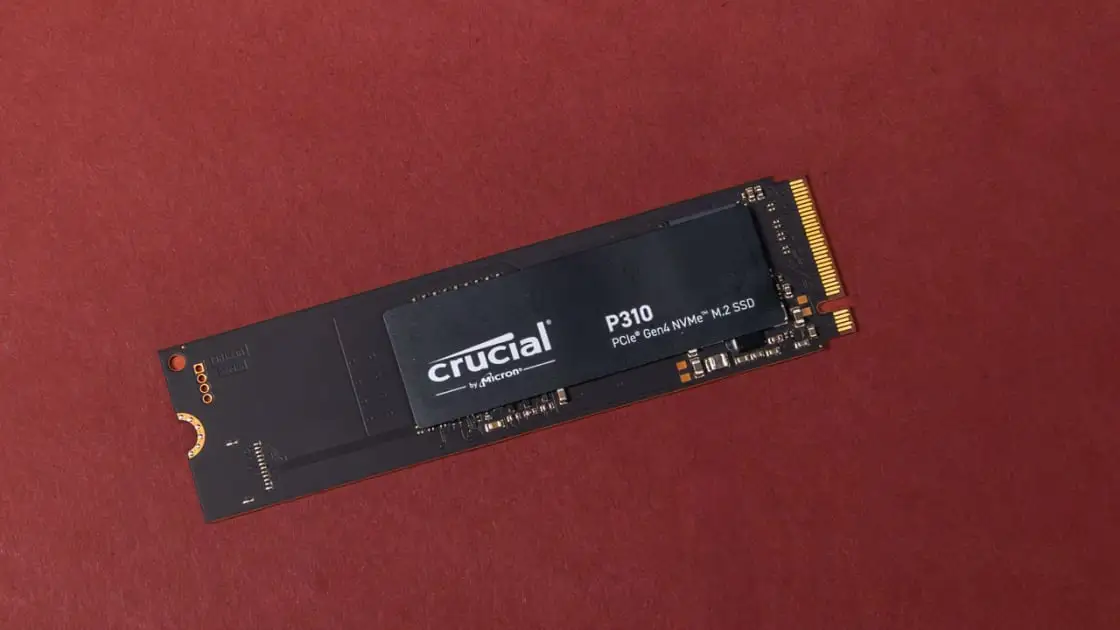
Digging into user experiences, the Crucial P310 2TB PCIe Gen4 NVMe M.2 SSD emerges as a high-speed, high-capacity drive that delivers well on performance promises but carries some caveats on thermal behavior and endurance. Across platforms, it earns an average sentiment score of 8/10, with many praising its speed and value, though endurance concerns and occasional heat build-up temper the enthusiasm.
Quick Verdict: Conditional buy
| Pros | Cons |
|---|---|
| Blazing sequential read/write speeds (up to 7,100/6,000 MB/s) | Lower endurance rating (440 TBW) |
| Competitive price for Gen4 NVMe | QLC NAND and no DRAM in some versions |
| Easy installation, PS5 and Gen3/Gen4 compatibility | Can run warm under load; heatsink recommended for sustained use |
| Large 2TB capacity ideal for gaming/media | Not the absolute fastest in mixed workloads |
| Solid 5-year warranty | Missing small accessories like mounting screw |
| Good power efficiency | Limited compatibility with older systems |
Claims vs Reality
Crucial markets the P310 as “blazing fast” with up to 20% better performance than other Gen4 SSDs and full compatibility with PS5. While many users back up the speed claims, real-world benchmarks show some variance. A verified Best Buy buyer noted: “I ran winsat-disk and got ~6,900 MB/s reads and just under 6,000 MB/s writes which comes close to the advertised numbers.”
The brand also touts superior power efficiency—up to 40% better than previous Crucial Gen4 drives. Reddit user feedback supports this, with one saying the drive “doesn’t run hot and is more energy efficient as well” compared to older NVMe models. However, thermal throttling concerns surface in compact form factors; Provantage reviews warn it “may experience performance drops due to overheating” in handheld gaming devices without adequate cooling.
On endurance, the official rating is 440 TBW for the 2TB variant. While this is suitable for typical consumer workloads, multiple expert Q&A sources highlight that the use of QLC NAND “has lower endurance compared to TLC NAND,” making it less optimal for heavy write-intensive tasks.
Cross-Platform Consensus
Universally Praised
The standout praise centers on speed. For gamers, the P310 drastically cuts load times. A Best Buy reviewer shared: “Windows 10 installed lightning quick, it boots up before I know it, everything opens as soon as I click the mouse.” Steam Deck and ROG Ally owners in Reddit threads appreciate the compact 2230 variant, with one noting “big AAA games load faster, optimizing battery life on the go.”
Creative professionals also benefit from its throughput. A Trustpilot customer working with 4K video said the drive “can literally save hours over an old SATA SSD” when loading and transferring massive files. The backward compatibility with PCIe Gen3 slots allows upgrading older systems while still gaining speed boosts.
Power efficiency is another highlight. Users upgrading laptops report minimal battery impact. A Best Buy reviewer commented: “Very power efficient meaning it will have a lesser impact on my battery life than alternatives.”
Common Complaints
Thermal behavior appears as the most frequent criticism. In laptops and handhelds without heatsinks, sustained transfers can lead to heat buildup. Provantage notes “may require specific installation in some devices” to avoid throttling.
Endurance concerns also persist. Quora expert responses point out that “QLC NAND… may impact performance in certain workloads” and has lower write cycle life than TLC. Some Best Buy buyers use the drive as secondary storage to mitigate wear, keeping OS operations on a more durable SSD.
Another gripe is missing accessories. Multiple buyers mention the absence of a mounting screw, causing inconvenience during installation. As one Best Buy reviewer put it, “It would be nice to have the screw included.”
Divisive Features
The lack of DRAM cache in certain versions splits opinion. Casual users find it “runs cooler than faster drives with DRAM” (Best Buy review), making it suitable for laptops. Power users, however, note that DRAM-less designs “will run a little slower” and may not be ideal for heavy file editing.
Backward compatibility is praised for flexibility but criticized for limiting speeds when used in Gen3 systems—users expecting full Gen4 performance can be disappointed.
Trust & Reliability
Trustpilot and long-term Reddit accounts generally reflect confidence in Crucial’s build quality. Several users report months of stable operation without degradation. One Best Buy reviewer compared it favorably to a problematic Samsung 990 EVO, noting the P310 “ran significantly cooler, didn’t throttle in tests.”
No significant scam reports emerged, and the 5-year warranty is consistently cited as reassurance. However, endurance limitations mean it’s best suited for typical consumer workloads rather than enterprise-level write volumes.
Alternatives
User comparisons frequently mention Samsung’s 990 EVO and WD’s SN580. Benchmarks show the P310 matching or slightly outperforming these in sequential reads, but higher-end models like Samsung’s 990 Pro still lead in mixed workloads and endurance. As one Best Buy buyer noted, “It performs almost as well as my 990 Pro drive… at a much more affordable price.”
For those prioritizing endurance over price, drives with TLC NAND and DRAM may be preferable. But for mainstream gaming and general creative work, the P310 offers a compelling balance.
Price & Value
At the time of writing, eBay and European marketplaces list the 2TB P310 between €116 and €185, with UK prices around £119.99. This positions it competitively among Gen4 NVMe drives, with a price-per-GB ratio that appeals to budget-conscious buyers. Currys and Amazon listings confirm steady availability, and resale value is likely to hold due to PS5 compatibility.
Buying tips from the community include waiting for seasonal sales to push prices under $130 and pairing with an aftermarket heatsink for desktop or PS5 use to ensure sustained performance.
FAQ
Q: Is the Crucial P310 compatible with PS5?
A: Yes, with the heatsink-equipped variant. It meets the PS5’s 5,500 MB/s speed requirement and is “automatically detected once installed” according to multiple Trustpilot reviews.
Q: Does the drive require a heatsink?
A: For desktops and PS5, a heatsink is recommended to prevent thermal throttling during prolonged writes. In laptops, the non-heatsink version runs cooler.
Q: How does the endurance compare to other SSDs?
A: At 440 TBW, it’s lower than some TLC-based drives but adequate for typical consumer workloads. Heavy write users may prefer higher-endurance models.
Q: Can it be used in older PCIe Gen3 systems?
A: Yes, it’s backward compatible, though speeds will be capped at Gen3 limits.
Q: Is installation difficult?
A: Most users found it straightforward. Crucial offers cloning software and guides, though you may need to source a mounting screw separately.
Final Verdict: Buy if you’re a gamer, creative professional, or laptop upgrader seeking high sequential speeds, generous capacity, and good value. Avoid if your workload is heavily write-intensive or if you need maximum mixed-workload performance. Pro tip from the community: pair it with a quality heatsink for sustained speed and longevity.