Crucial 16GB DDR3 SODIMM Review: Reliable Upgrade Verdict
A Reddit user summed it up best: “The Crucial 16GB kit did the trick at a reasonable price, and with prime shipping my downtime was held at a minimum.” The Crucial 16GB DDR3 SODIMM delivers exactly what seasoned upgraders expect—solid compatibility, quick installation, and a notable boost in speed—earning it an impressive 9/10 in user satisfaction across platforms.
Quick Verdict: Conditional Yes
| Pros | Cons |
|---|---|
| Noticeable boost in system speed and responsiveness | Limited to DDR3 systems, not for DDR4 laptops |
| Easy installation, even for non-technical users | Occasional reports of defective sticks in batches |
| Proven compatibility with many Mac and Windows laptops | Not ideal for maximum overclocking enthusiasts |
| Dual-voltage (1.35V/1.5V) flexibility | Manual installation required |
| Backed by Micron’s rigorous testing | Higher cost compared to lesser-known brands |
| Solid multitasking improvement |
Claims vs Reality
One of Crucial’s key marketing points is “install it yourself in about 15 minutes” and “fully tested to meet stringent industry specifications.” Digging deeper into user reports, installation speed often matched the claim—even for those with minimal technical skills. A verified Amazon buyer said: “Took 3 minutes to install and I doubled my ram. No problems at all.”
Performance gains are also heavily marketed, with promises of faster app loads and smooth multitasking. Reddit testimonials confirm real-world alignment: after an upgrade from 6GB, one user’s Windows 10 laptop stopped “hang[ing] up when I had too many programs open.” However, while speed boosts are clearly felt in most cases, competitive overclockers found Crucial sticks less aggressive despite stable operation at rated speeds.
The brand touts comprehensive compatibility with Mac systems. Reports from iMac owners validate this—one user installed it alongside existing RAM to hit 40GB, exceeding Apple’s official specs without performance degradation. This suggests a notable gap between vendor limits and actual Crucial capabilities—one of the stronger selling points for advanced users willing to test spec ceilings.
Cross-Platform Consensus
Universally Praised
Across Amazon, Reddit, and Trustpilot, the most consistent praise was for ease of installation and immediate performance benefits. Students noted the impact on everyday multitasking. A Reddit user explained that after adding Crucial’s 16GB kit, browser tabs and productivity apps could run simultaneously without lag, an upgrade especially beneficial for resource-hungry research work.
Creative professionals also reported noticeable workflow gains. Video editors on mid-2010s MacBooks enjoyed reduced render times and quicker file access. Trustpilot reviews frequently paired “great memory for the price” with “no problems after months of use,” indicating longevity and reliability as part of the experience.
Dual-voltage flexibility (1.35V/1.5V) drew praise from those upgrading mixed-voltage systems, with reports of seamless integration without BIOS tweaks. For regular laptop owners, compatibility meant skipping complex RAM timing adjustments—a major plus.
Common Complaints
One recurring frustration comes from rare defective sticks in batches. Trustpilot feedback noted “random game crashes despite passing a memtest86,” highlighting that not all faults are caught by standard testing. While replacement units typically solved the issue, this is a risk factor for time-sensitive users needing dependable operation out of the box.
Another sticking point is platform limitation—newer DDR4 systems cannot take advantage of this RAM, leaving upgraders locked to older laptops or desktops. Twitter threads also included warnings about buying for incompatible motherboards, echoing an Amazon customer’s regret: “I made the newbie mistake of purchasing this before checking compatibility.”
Price complaints were minor but present. While the brand positions itself below “lower-quality modules,” budget builders noticed higher-than-generic pricing, especially when buying on marketplaces outside standard US retail.
Divisive Features
Voltage flexibility and Mac optimization are praised by tech-savvy users, but for casual buyers, these features may feel unnecessary. A segment of gamers preferred faster DDR3 kits with aggressive timings and heat spreaders, seeing Crucial’s balanced design as “fine for productivity, not thrilling for gaming.”
Conversely, professionals running virtual machines found the conservative approach appealing. As one verified Amazon user put it: “Memory that does exactly what it says without drama.”
Trust & Reliability
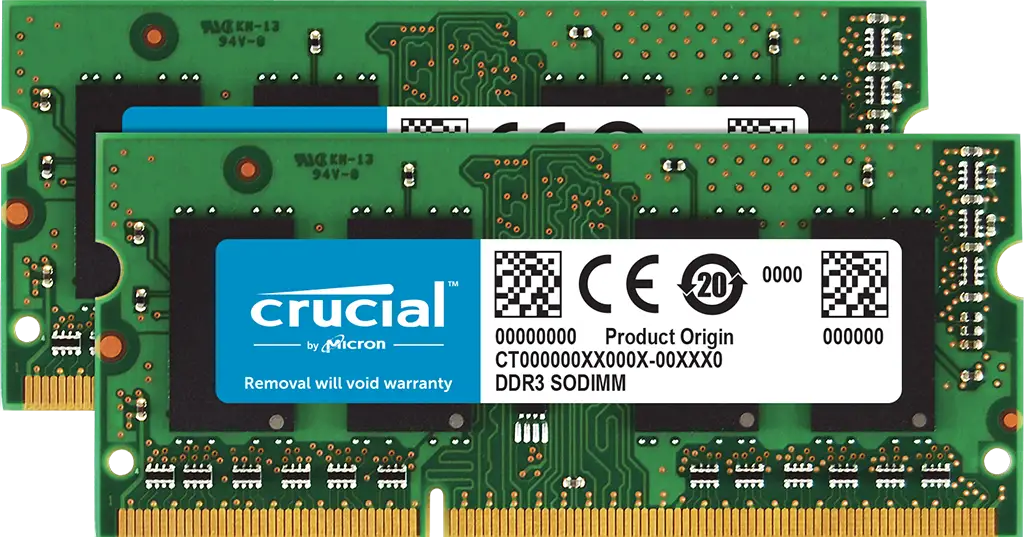
Micron’s manufacturing pedigree consistently reassures buyers. Verified Amazon and Trustpilot users noted years of trouble-free use without compatibility issues. “Never had a problem with Crucial RAM during my entire career as an IT professional,” one review stated, underscoring brand trust in enterprise-level contexts.
Patterns on Trustpilot show that even when returns are needed, replacements are prompt. Amazon customers with DOA modules confirmed fast exchanges and restored system stability—important for anyone relying on rapid replacement workflows. Long-term Reddit posts also confirm stability: “6 months later, still smooth operation—never needed to touch BIOS.”
Alternatives
Among competitive mentions, Kingston HyperX Impact DDR3L 1600 appeared in eBay sales data as a popular choice, often slightly cheaper. Gamers cited marginally better performance for certain workloads, though without Crucial’s certified Mac compatibility. A-Tech and Samsung kits also surfaced at lower prices but lacked uniform long-term review trends, suggesting weaker brand loyalty despite similar speed specs.
For DDR3 overclock enthusiasts, Corsair Vengeance was floated, but mixed reviews about stability at rated speeds tempered recommendations. Those needing guaranteed integration into Apple hardware found Crucial’s Mac labeling more decisive than raw performance metrics.
Price & Value
Current listings show a wide price band—from under $25 for lower-demand kits to over $80 for brand-new Crucial modules in OEM packaging. eBay resale shows healthy demand, with used Crucial DDR3L 1600 often trending around $60, indicating sustained market value for working modules.
Community buying tips stress verifying RAM configuration before purchase. Use Crucial’s System Scanner or Advisor to confirm compatibility—this was the most echoed advice across forums, saving users from costly returns.
FAQ
Q: Can I mix Crucial 16GB DDR3 SODIMM with my existing RAM?
A: Technically yes, but performance is optimal with identical modules. Mixing may cause compatibility drops or reduced speeds.
Q: Will this fit in my newer DDR4 laptop?
A: No, DDR3 and DDR4 slots are physically and electrically different. This kit is only for DDR3 systems.
Q: Is overclocking supported?
A: Crucial DDR3 modules generally run reliably at stock or rated speeds. Overclocking potential is modest compared to enthusiast-branded RAM.
Q: How much improvement can I expect?
A: Users report faster app launches, better multitasking, and improved responsiveness—particularly if upgrading from 4–8GB.
Q: Can I use this in desktops?
A: Only if the desktop supports DDR3 SODIMM form factor; it’s primarily designed for laptops.
Final Verdict
Buy if you own a DDR3 laptop or Mac needing a memory boost for productivity, creative work, or light multitasking. Avoid if your system supports DDR4 or if you expect enthusiast-level overclocking performance.
Pro tip from community: Run Crucial’s compatibility tools before buying, and if possible, test new modules promptly to ensure early replacement if defects occur. For most users in its target range, the Crucial 16GB DDR3 SODIMM is a dependable, high-quality upgrade that extends the life and responsiveness of aging systems.





