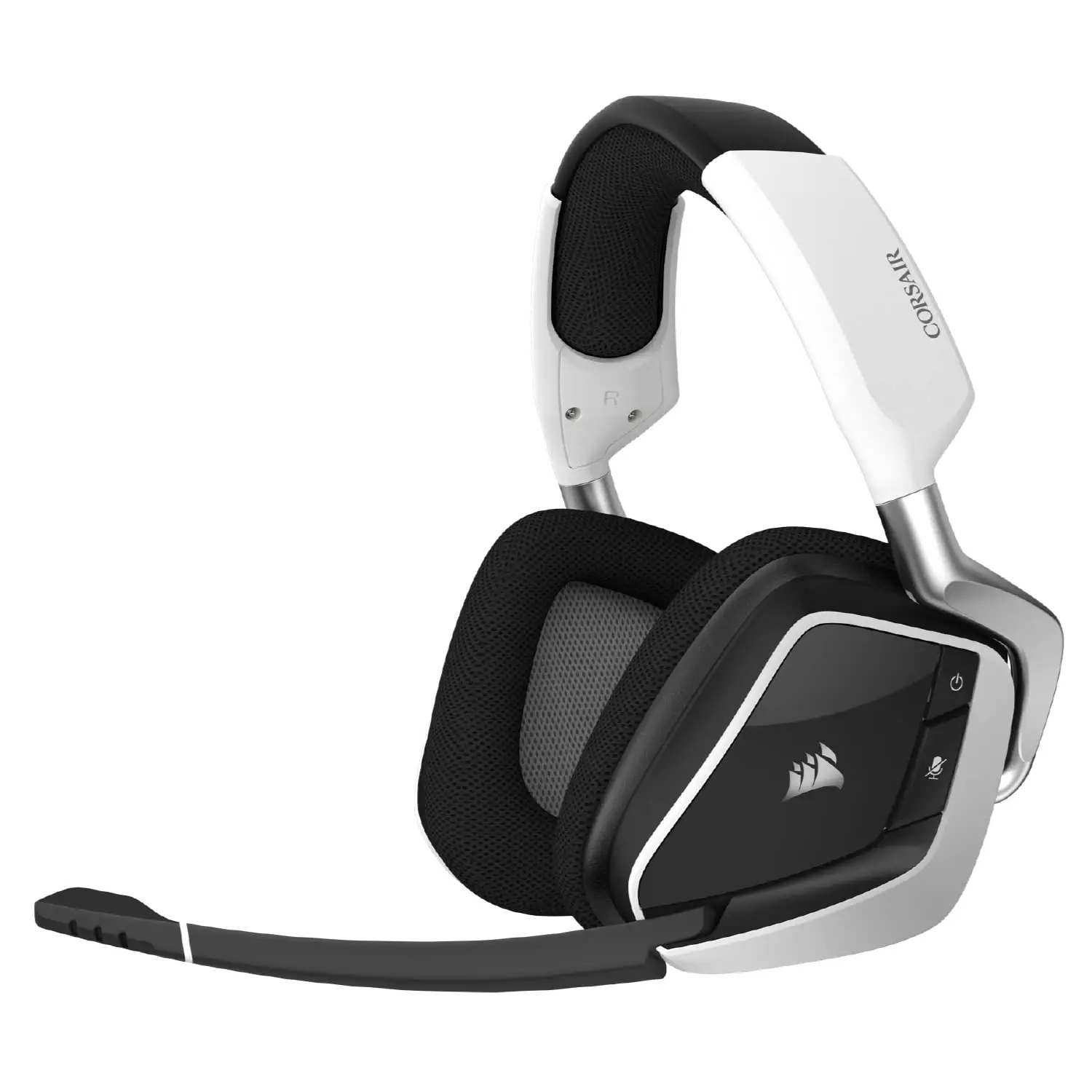
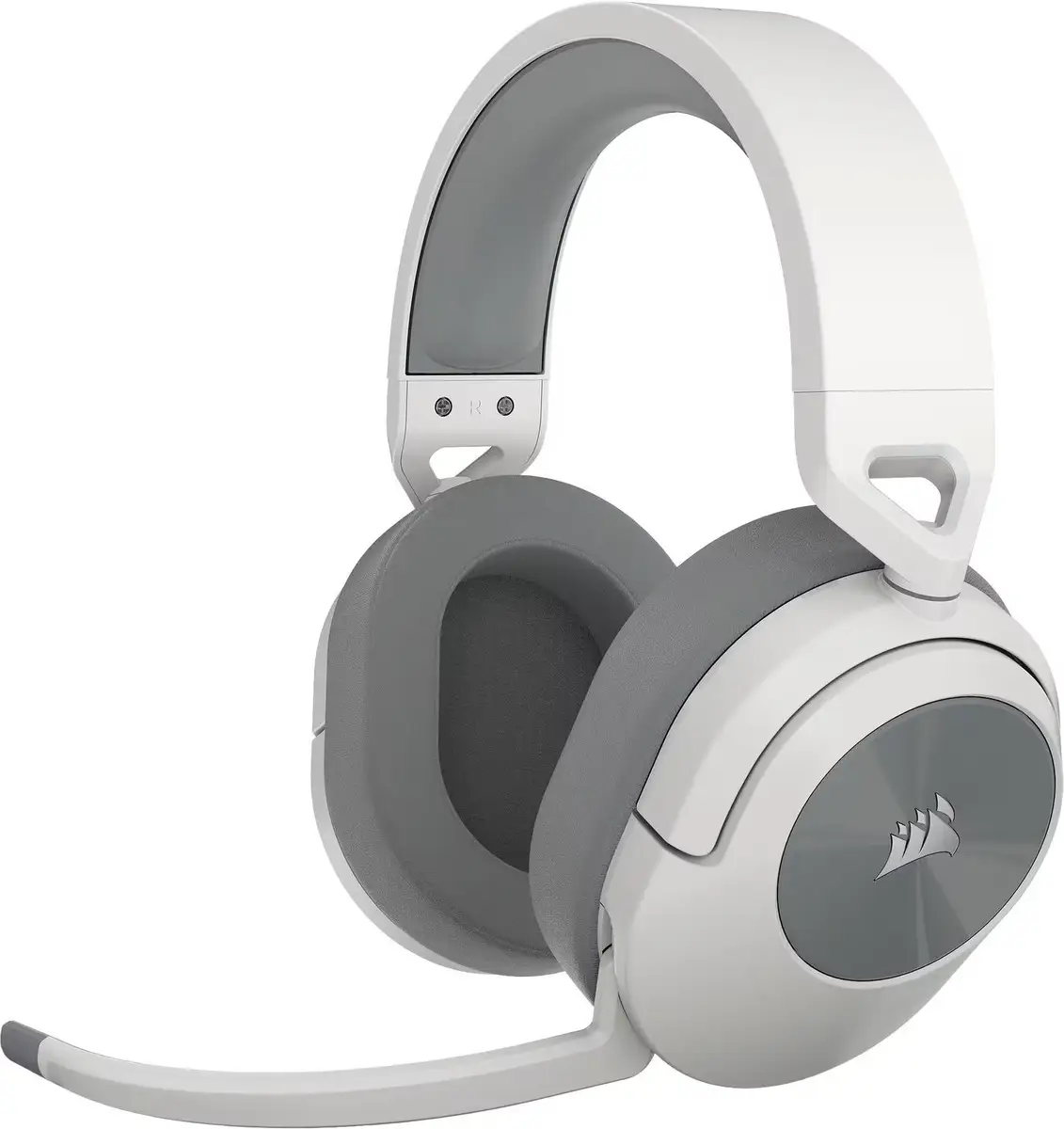
CORSAIR HS55 Wireless Review: Comfort vs Reliability
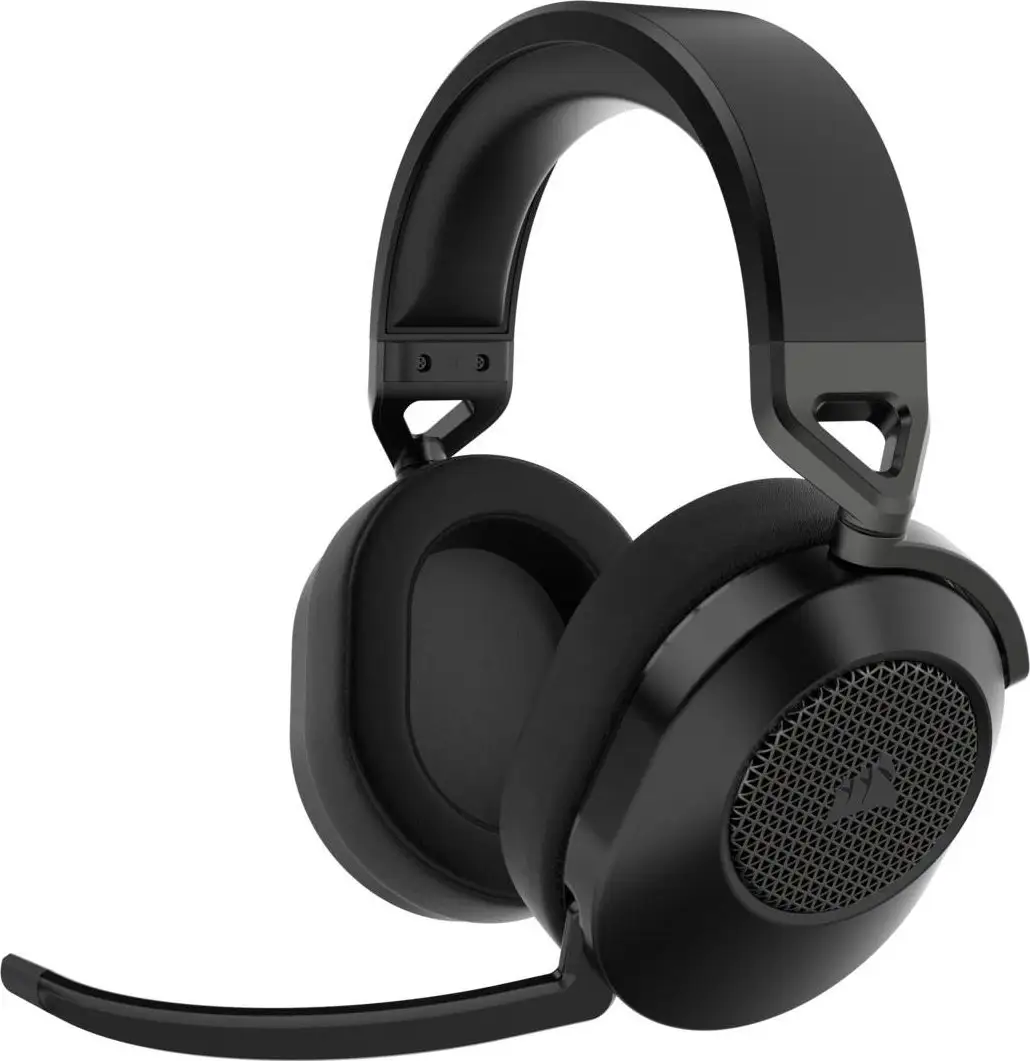
The biggest shock wasn’t the sound—it was the sidetone. For a headset marketed as crystal-clear, the CORSAIR HS55 WIRELESS Gaming Headset sometimes left gamers shoving the mic into their mouth just to hear themselves. This wireless, dual-connection model walks a fine line between comfort and frustration, earning it a 6.8/10 from aggregated user feedback.
Quick Verdict: Conditional – strong comfort and connectivity for casual gaming, but recurring build and microphone issues make it risky for long-term reliability.
| Pros | Cons |
|---|---|
| Lightweight (266g) and comfortable for long sessions | Sidetone/mic monitoring often too quiet or buggy |
| Dual wireless: 2.4GHz low latency + Bluetooth | Build quality concerns: headband/earcup bracket snaps |
| Long battery life (16–20 hrs real-world) with fast charging | Bass-heavy sound can overwhelm clarity |
| Flip-to-mute mic, Discord-certified | No wired mode; limited simultaneous audio options |
| Good range over USB dongle (~15m) | Inconsistent Bluetooth stability; no aptX or LDAC |
| Easy pairing and controls | Firmware update and connection glitches |
Claims vs Reality
One of CORSAIR’s biggest promises is “low-latency wireless connectivity up to 50 ft.” While official specs say 50 ft, multiple buyers reported a smaller realistic range of about 15–30 ft. A Best Buy customer explained: “Decent range, I can walk over 30 ft away with a few drywall walls in-between. Very comfortable.” Yet others noted dropouts “going much more than one room away.”
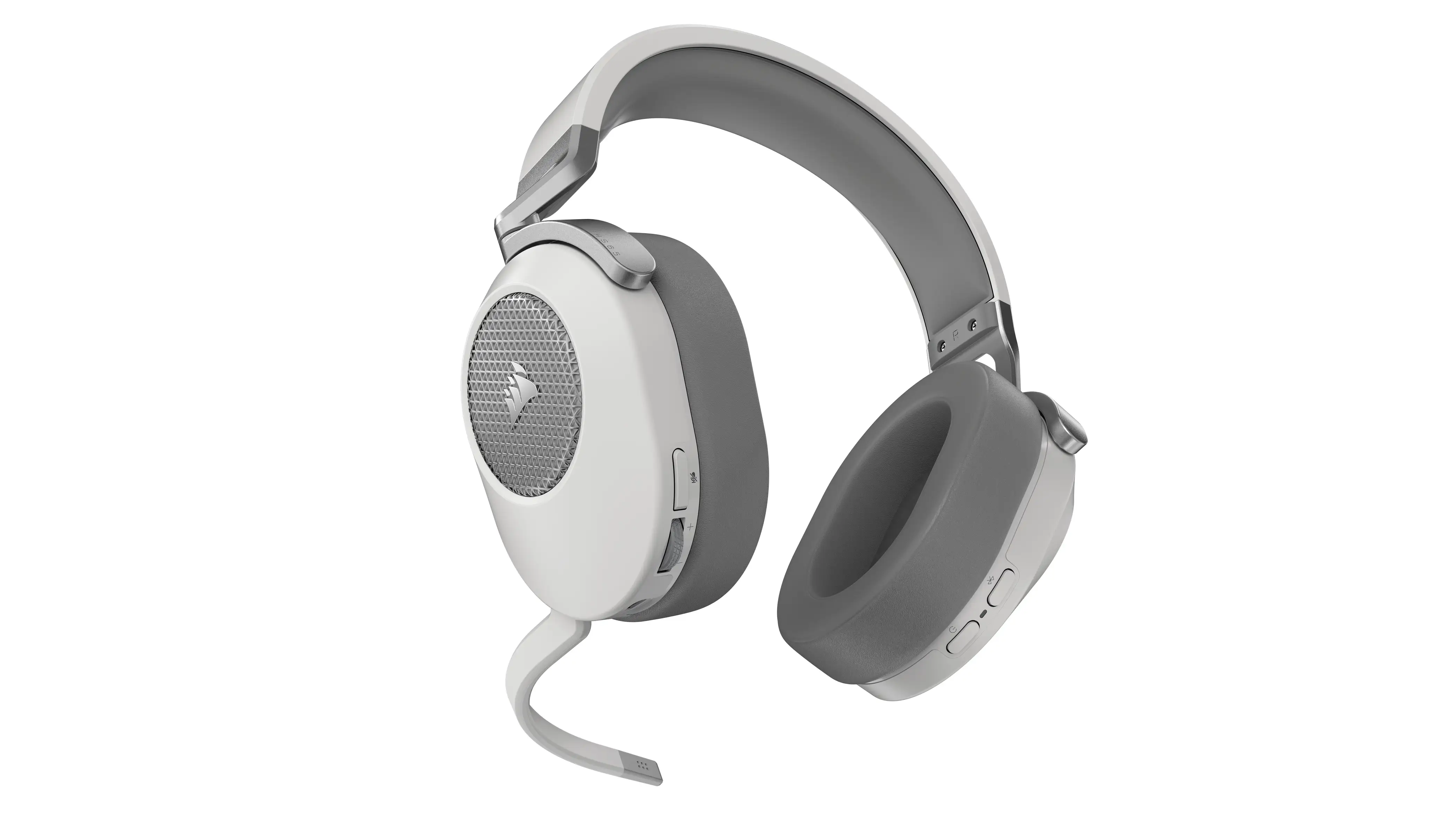
Marketing also touts “terrific clarity” from the microphone, Discord certification, and a convenient flip-to-mute. In practice, sidetone performance was a major disappointment for some. On Corsair’s community forum, one user wrote, “I literally have to shove the mic into my mouth in order to hear myself… without the advertised function I need not working, what’s the point.” This directly contradicts the image of out-of-the-box microphone excellence.
Battery life is advertised at “up to 24 hours” with 15-minute quick charge for 6 hours of use. Real-world usage fell between 16–20 hours for many, fitting the “up to” caveat. One verified buyer praised: “Long battery life, literally lasts days without charging,” while others found unexpected drains, with a Trustpilot reviewer adding, “Even when it says fully charged occasionally the battery will drain in a few mere hours flashing red.”
Cross-Platform Consensus
Universally Praised
Comfort stood out across sources. On Reddit and Best Buy, gamers noted wearing the HS55 for “a normal 8-hour workday” without strain, even with glasses. The lightweight build benefited streamers and students who spend hours in front of a PC. A Best Buy shopper highlighted: “Very comfortable, good sound quality. Would recommend!” The plush memory foam earcups and adjustable headband made sessions less fatiguing than heavier models.
The dual wireless connectivity was another highlight. PlayStation users enjoyed USB dongle low latency for gaming, while switching to Bluetooth for music on mobile. Tom’s Hardware emphasized how rare this feature is at under $100. For multitaskers—like laptop gamers taking calls—the ability to swap connections with a single button was a time-saver. The USB dongle’s range impressed many; one user shared, “I can still hear the pause menu music in my game when I get up to get a drink in the kitchen.”
Battery performance, while not always hitting the 24-hour mark, generally satisfied gamers. Quick-charge capabilities served YouTubers recording long sessions: 15 minutes was enough “to top off a day of play” according to Tom’s Guide.
Common Complaints
Durability issues surfaced repeatedly. Breaks at the swivel joint linking the right earcup to the headband were reported within weeks. One owner lamented: “Longest life since is 16 weeks. This current one I’ve had for less than 2 months and it just snapped on me yet again.” Even moderate use led to structural failures, undermining the otherwise comfortable design.
Microphone bugs were frustrating. Reports included sudden static “so loud… it causes ear pain,” robotic voice glitches, and flip-to-mute failing to detect position without a power cycle. Sidetone levels were near unusable for self-monitoring. These flaws particularly disrupted online play for competitive gamers who rely on constant voice comms.
Connectivity hiccups plagued some Bluetooth users. Dropouts during movement, especially with multiple walls or appliances between source and headset, were noted. Tom’s Hardware revealed it “can’t accept simultaneous audio from both sources” unlike pricier competitors.
Divisive Features
Sound signature split opinion. CORSAIR tuned its 50mm drivers for warmth and bass, but Tom’s Hardware warned against “blooming, bloated bass” and “treble roll-off” that reduces clarity. FPS players enjoyed better footstep detection—“can clearly hear footsteps when volume is high”—but audiophiles found music muddy. EQ presets offered minimal differentiation, with “bass boost” in particular criticized as muffled.
The absence of wired mode was another divider. Some welcomed the pure wireless approach, while others, like Tom’s Guide, saw it limiting flexibility: “No 3.5mm jack… the headset can’t operate as a wired USB headset.”
Trust & Reliability
Durability doubts spread beyond isolated cases. Multiple Best Buy reviewers mentioned replacements within days or weeks, and some cycled through several units under protection plans due to repeat breakage in the same joint. Even gentle handlers experienced failures, prompting advice to “go for the Void series” if committed to CORSAIR.
Firmware and connection reliability undermined trust. One buyer dealt with “dongle flashing red in a weird morse code… refusing to connect,” requiring cumbersome reset sequences. Others abandoned the product due to unresolved sidetone issues after over a year without an official fix.
Long-term owners who avoided defects reported satisfaction with sound for gaming, but the lack of extensive software support (limited EQ in iCUE) left them wishing for more customization to prolong usefulness.
Alternatives
Within CORSAIR’s lineup, the HS70 Bluetooth matches the HS55’s dual connection but adds wired mode and reportedly better sound for the same price. Tom’s Hardware pointed to Creative SXFI Air as another $100 option, delivering spatial audio and wired USB flexibility.
For those wanting true simultaneous audio mixing, the SteelSeries Arctis Nova Pro Wireless offers it but at a premium. Budget seekers willing to sacrifice Bluetooth could opt for HyperX models with more robust build quality.
Price & Value
While CORSAIR lists the HS55 Wireless at $99.99, real-world sale prices dipped to $79.99 at retailers and even $50 in clearance cases. eBay resellers listed new units for over $200, suggesting sporadic scarcity rather than settled value.
At $80, community sentiment tilted toward “good for the price” for casual gamers prioritizing comfort and untethered play. However, several owners cautioned that repairs or replacements could negate savings, especially absent warranty coverage.
Buying tips from the community included checking for discounts during major sales and avoiding overpaying on resale unless demand spikes.
FAQ
Q: Does the HS55 Wireless work on both PC and PlayStation?
A: Yes. The 2.4GHz dongle supports PC and PS4/PS5 with low latency. Bluetooth adds compatibility with mobile devices and other platforms.
Q: Can I hear game audio and take calls over Bluetooth simultaneously?
A: No. While it connects to two devices at once, it only plays from one source at a time. Bluetooth will interrupt game audio for calls, then switch back.
Q: Is the microphone detachable?
A: No. It’s a non-detachable boom mic with flip-to-mute. Users note it’s flexible but can stick in your peripheral vision when stowed.
Q: How accurate is the battery indicator?
A: Not very. The headset uses color-coded lights, but no exact percentage readout in iCUE. Many relied on Bluetooth menus, which offer only rough 10% increments.
Q: Can it be wired via USB or 3.5mm?
A: No. The USB-C port is for charging only—there’s no wired audio mode.
Final Verdict: Buy if you’re a casual gamer who values lightweight comfort, dual-mode wireless, and decent battery life over pristine sound or bulletproof durability. Avoid if you need robust build quality, flawless mic monitoring, or wired backup. Pro tip from the community: snap it up under $80 and keep your warranty handy—you might need it.