Celestron Travel Scope 80 Review: Portable but Wobbly Verdict
The most consistent thread across hundreds of buyer stories is this: the Celestron Travel Scope 80 Portable Refractor Telescope wins hearts with portability and ease of use but stumbles on stability. If portability alone were the metric, this telescope would score a near-perfect 9/10. Factoring in optics, affordability, and the persistent tripod complaints, it lands at a solid 7.8/10 for casual stargazers and traveling families.
Quick Verdict: Conditional Buy — ideal for beginners and travelers who value convenience over precision
| Pros | Cons |
|---|---|
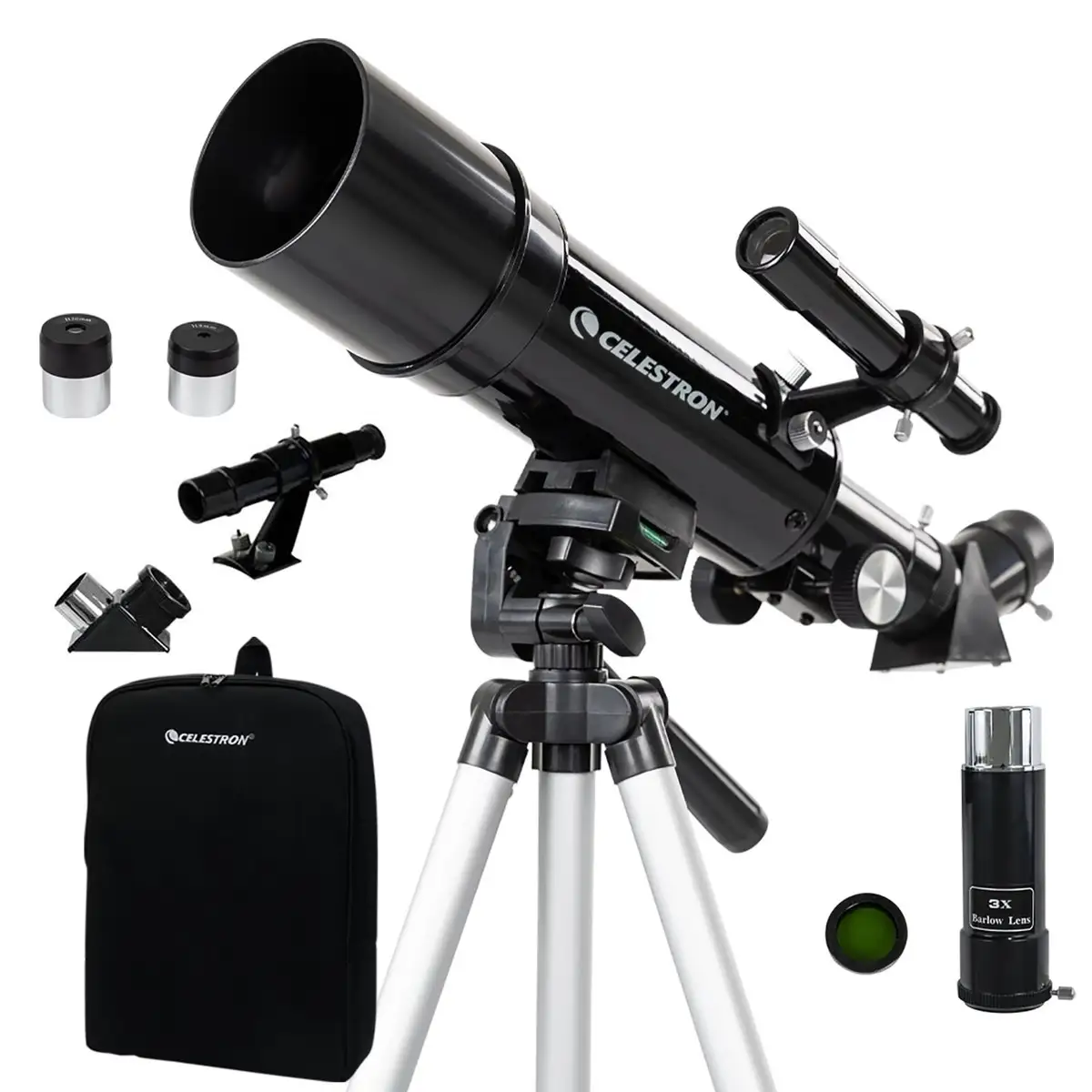
| Lightweight and fits in included backpack for hiking/camping trips | Tripod widely criticized as unstable and “garbage” for astronomy |
| Good optical quality for the price — sharp lunar views, decent planetary detail | Finder scope often described as “useless” or “garbage,” requiring replacement |
| Easy, no-tool setup; beginners can be observing within minutes | Limited reach for deep-sky objects due to small aperture |
| Versatile for both terrestrial and celestial observing | Mount has play in it, causing target drift when tightened |
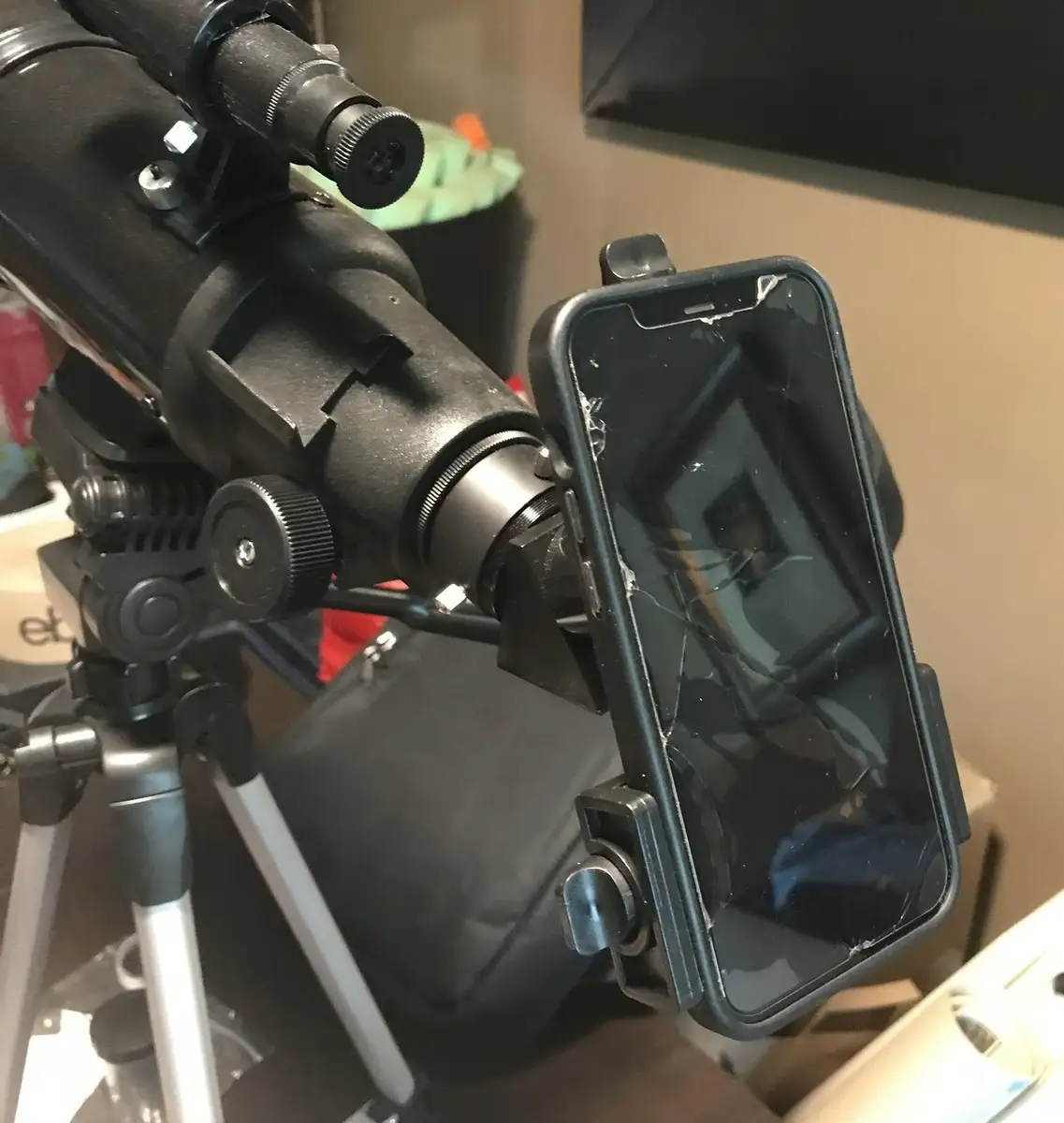
| Includes smartphone adapter for casual astrophotography | Adapter alignment is fiddly; phone weight worsens wobble |
| Affordable entry point into astronomy | Accessories (eyepieces, diagonal) are basic; many users invest in upgrades |
| Coated 80mm optics give bright, wide-field views | Backpack straps don’t hold contents securely |
Claims vs Reality
Celestron markets the Travel Scope 80 as offering “superior optics” and “effortless travel” for both land and sky viewing. The fully coated 80mm lens is promised to deliver “brighter, more detailed views.” Many users agree on the optics point — an Amazon verified buyer noted: “I could see the craters of the moon in clear detail… Saturn’s rings with a visible gap, Jupiter’s moons… impressive to me.” That brightness claim holds for large, high-contrast targets.
Where marketing diverges from reality is in the “navigate the sky with ease” messaging tied to the tripod and mount. Multiple owners described the mount as frustratingly imprecise. A Trustpilot reviewer summed it plainly: “The mount is lousy, it is the worst thing you can have to mount a telescope… aiming and maintaining the position is really difficult and tedious.” Even buyers happy with the optics often end up replacing the tripod entirely.
Another touted feature — the smartphone adapter for quick astrophotography — works but demands patience. As one Amazon buyer cautioned, “It is a bit clunky to set up… extra weight makes the telescope even more unstable… even with a timer the telescope is still bouncing.”
Cross-Platform Consensus
Universally Praised
A recurring bright spot is portability. Campers, hikers, and parents love that everything fits into a relatively compact backpack. Reddit user feedback highlights scenarios like “hike up a hill during the day and then look at Jupiter’s rings after nightfall,” with kids able to carry it themselves. One Amazon verified buyer said: “Perfect for the amateur astronomer who doesn’t want to mess with complicated technology… was fabulous when my kids could see Saturn and Jupiter clearly.”
Optical quality also earns broad approval for the price tier. Several reviewers, including a self-described physicist on Trustpilot, called the OTA “well collimated… stars look point-like with chromatic aberration not significant.” Casual lunar observers are especially satisfied, reporting crisp views up to 100x magnification with upgraded eyepieces.
Its versatility across terrestrial and celestial use lets owners take it from bird-watching to moon-gazing without awkward inverted images, thanks to the erect image diagonal. This makes it more approachable for absolute beginners uncomfortable with reversed views.
Common Complaints
The tripod is the lightning rod of criticism. “Absolute garbage” appears frequently, with one Trustpilot review noting that “the scope bounces if someone breathes within 10’… focusing a nightmare.” Stability issues worsen when using high magnification or attaching the phone adapter. The mount’s plastic build compounds the problem, leading to drift when locking onto a target.
The factory finder scope receives similar disdain. One buyer admitted theirs “actually went into the garbage” after repeated misalignment. Those who persevered often replaced it with a red-dot finder or laser pointer for quicker target acquisition.
The backpack, while appreciated for portability, frustrates some with poor internal straps and unsecured pockets — causing loose contents in transit.
Divisive Features
The smartphone adapter splits opinion between casual shooters (happy to grab moon photos) and those seeking more precision, who abandon it for aftermarket options. Some enjoy the bonus Starry Night software for planning sessions; others find it less useful without a stable viewing platform.
Its focal length (400mm) and small aperture limit deep-sky performance — a dealbreaker for aspiring astrophotographers but acceptable for beginners focusing on solar system targets. A Reddit reviewer captured the divide: “You’ll be disappointed if you have ambitions to see faint galaxies… but for planets and bright clusters, it’s fine.”
Trust & Reliability
Longevity stories are mixed. On Reddit, one owner upgraded accessories and still regularly uses the OTA years later, but relies on a different mount. Trustpilot-level complaints about broken plastic parts (“my husband found a part cracked right out of the box”) suggest that rough handling during travel can impact durability. No reports of outright scams surfaced — shipments arrive as described — but the hardware reality diverges sharply from how the mount is pictured in marketing materials.
Alternatives
Enthusiasts often mention upgrading to something like a 6" Dobsonian for serious astronomy once the Travel Scope’s limits are reached. Others compare it to the Meade or Orion ST80, which, while similar in optics, can offer sturdier mounts out of the box. For portability with better mechanical stability, the higher-priced Celestron StarSense Explorer 80mm was cited in eBay listings but comes at a cost uplift.
Price & Value
eBay market checks show new units around $139–$149, with used listings dipping under $120. Resale value sits modestly at ~$100 for well-kept kits, reflecting its entry-level status. Buyers advise setting aside funds for accessory upgrades — better eyepieces, finder replacements, or a stable tripod — which can elevate the experience but often double the total investment.
FAQ
Q: Can the Travel Scope 80 show Saturn’s rings clearly?
A: Yes, users report visible rings with a gap at moderate magnification, although tripod wobble can make sustained viewing tricky. Upgrading to a 2x or 3x barlow lens improves the detail.
Q: Is this telescope good for deep-sky objects like nebulae?
A: Not really — the 80mm aperture limits light gathering. Owners note only the brightest nebulae, like Orion, and Andromeda Galaxy are discernible without intense detail.
Q: How portable is the setup for hiking or camping?
A: Very — the kit weighs ~4.5 lbs and fits in the included backpack. Families and hikers find it easy to carry alongside other gear.
Q: Can the smartphone adapter fit all phones?
A: It fits most models but bulky cases may need removal. Alignment with the eyepiece can be fiddly, especially in low light.
Q: What’s the first accessory to replace?
A: Many recommend swapping the factory finder scope for a red-dot or laser pointer, as alignment issues are common.
Final Verdict: Buy if you’re a beginner, a parent sharing astronomy with kids, or a traveler who values quick setup and portability over precision. Avoid if your goal is high-magnification planetary work or detailed deep-sky observing without replacing the tripod. Pro tip from the community: budget for a stable mount and a better finder early — the optics deserve them.