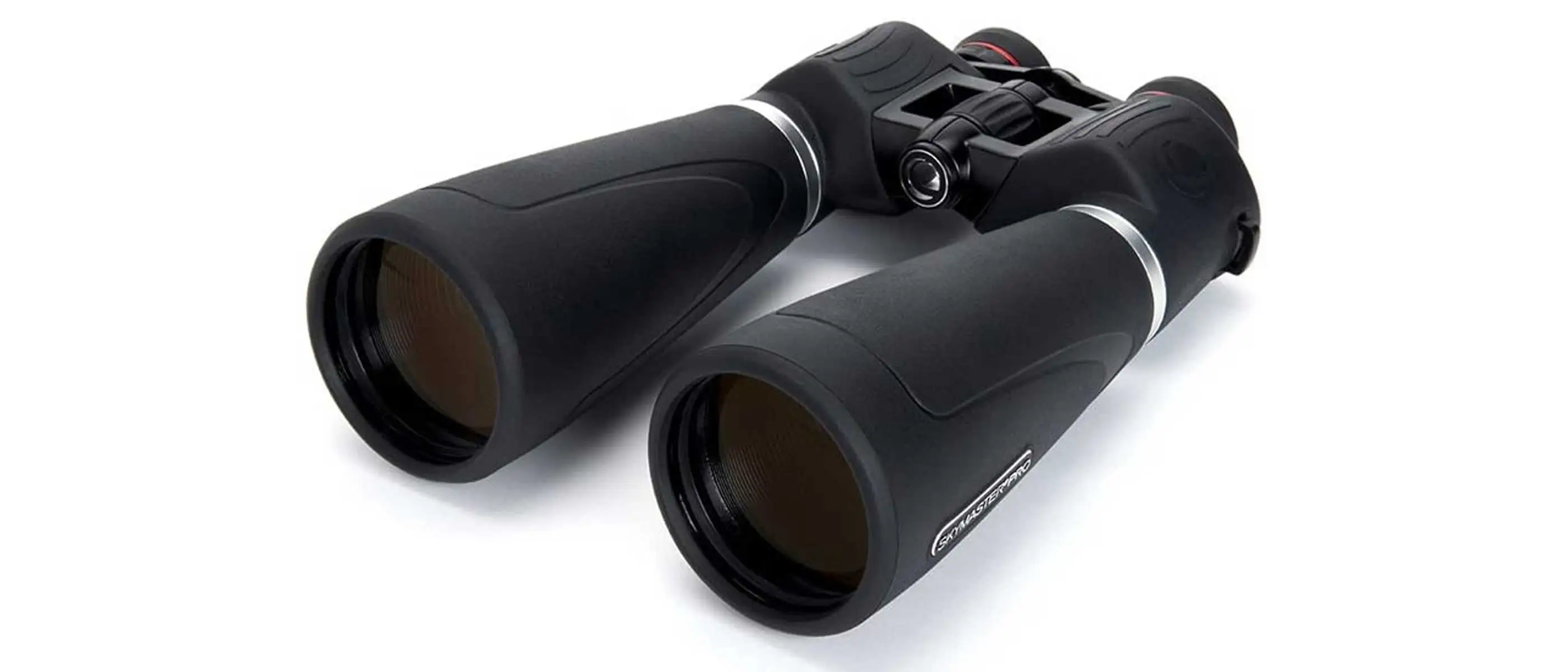
Celestron SkyMaster 15x70 Review: Strong Optics, Heavy Build
Bright lunar craters, the glowing haze of the Orion Nebula, even the distant glow of Andromeda—these are the moments that many buyers credit to the Celestron SkyMaster 15x70 Binoculars, which earn a solid 8/10 from aggregated user feedback. Affordable, optically strong for stargazing, yet burdened by weight and chromatic aberration, this model finds its sweet spot with beginner astronomers willing to invest in a tripod.
Quick Verdict: Conditional
| Pros | Cons |
|---|---|
| Large 70mm objective lenses pull in impressive light for night sky viewing | Heavy and awkward to handhold |
| Affordable entry point into astronomy binoculars | Pronounced chromatic aberration on bright objects |
| Clear, sharp lunar and star cluster views | Tripod adapter quality criticized |
| Generous eye relief suitable for glasses wearers | Not fogproof—can mist up across temperature changes |
| Works for terrestrial long-distance viewing when tripod-mounted | Stiff focus wheel and narrow field of view |
| Includes tripod adapter and accessories | Bulk makes travel inconvenient |
Claims vs Reality
Marketing touts the SkyMaster's "maximum image brightness in low light" with 70mm objectives, multi-coated optics, and BaK-4 prisms. While users do confirm the light-handling ability, the verdict is nuanced. A verified buyer on Best Buy wrote: "Perfect for looking at the moon and planets... much more practical than a telescope" but noted they are “a bit heavy for longer-term use”. Live Science's assessment echoed this, citing “bright, sharp views” of the Moon while warning that “lack of ED glass makes chromatic aberration very noticeable.”
The product claim of “tripod adaptable for steady viewing” is true in practice, but the adapter itself drew flak. Reddit user james*** advised: “The bracket that comes with them is not the best either but that’s not expensive to replace.” Many swapped in sturdier aftermarket L-brackets for a stable setup, as high magnification magnifies even the smallest shake.
Finally, waterproofing is advertised, but unlike the Pro series or other premium models, this version isn’t fogproof. Live Science noted that “we noticed them fog up when moving between cold and warm environments”, a gap between marketing emphasis on weather resistance and field performance in temperature shifts.
Cross-Platform Consensus
Universally Praised
Across Reddit, Best Buy, and Trailspace, the standout compliment is the SkyMaster's potency for casual astronomy. Large objectives make them ideal in low-light conditions, turning backyard stargazing into dramatic, bright views. A Reddit user shared: “Great on things like the Pleiades… I’ve learned so much more of the sky using the bins.” For lunar observers, the reaction borders on awe—Live Science reported family members giving the “wow” treatment after seeing crater detail during a waxing gibbous phase.
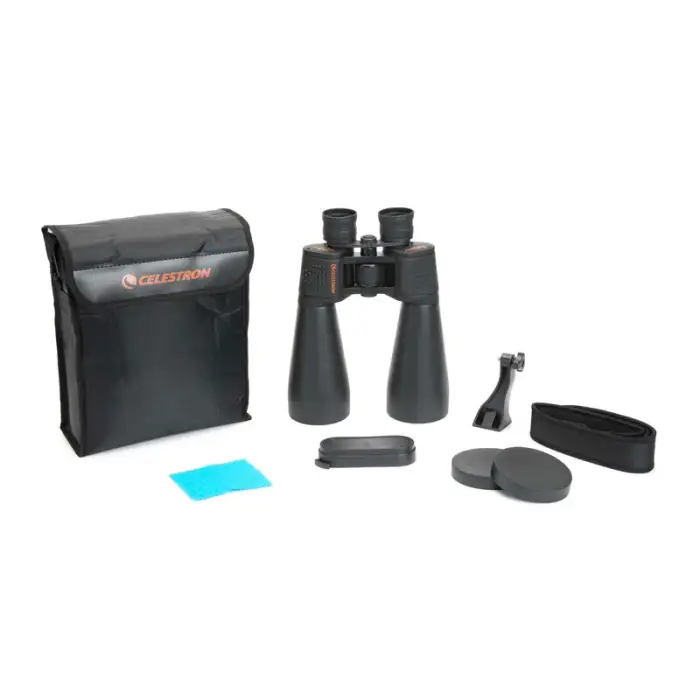
Even in terrestrial use, tripod-mounted, the high magnification impressed coastal viewers and birders observing perched raptors. A Best Buy customer explained: “Good for the night sky and day observing... I use them for perched birds such as hawks.” The inclusion of a tripod adapter, neck strap, and padded case adds perceived value, though the case is more for dust protection than impact resistance.
Common Complaints
Weight is the recurring antagonist. At 48 oz (1.36 kg), arm fatigue sets in within minutes for handheld use, exacerbated by 15x magnification. Live Science categorically placed them in the “you need a tripod” category. One reviewer on iRecommend bluntly called the weight “a nightmare” and said holding them for more than five minutes was exhausting.
Optical flaws also surface in bright-object viewing. Chromatic aberration—the colored halo around high-contrast edges—is a frequent note. Reddit user dan*** diplomatically conceded: “Little bit of CA, but for the price you can’t go wrong.” For some, however, it was more problematic, especially on planetary targets where Mars and Venus appeared fringed or overly fire-like compared to other binoculars.
Build quality on accessories draws skepticism; multiple threads mention the plastic tripod adapter flexing or not securing tightly. As Reddit’s telescope veterans advise, spend as much on a tripod as the binoculars themselves if you want stability.
Divisive Features
The SkyMaster's bulk and high magnification are a double-edged sword. Distance specialists—mountain observers, static birding enthusiasts—appreciate the reach and clarity when stabilized. But wildlife watchers needing a wider field or rapid panning find the narrow 4.4° view restrictive. Live Science flatly stated “not suitable for wildlife observation or bird watching” unless the target is static.
Durability stories are mixed. Trailspace’s reviewer took their SkyMaster across Australia’s outback, packing it on airline flights without harm, but required factory replacement after a focus mechanism fault four years later. Celestron honored the warranty, which bolsters trust, but the delay was “quite some time” during pandemic backlogs.
Trust & Reliability
On warranty and customer service, Trustpilot and Trailspace accounts show Celestron replacing defective units without hassle, reinforcing confidence for long-term buyers. However, Russian-language reviewers on iRecommend voiced harsher criticisms of plastic quality, expressing fears it “would fall apart any moment.” The difference appears partly rooted in expectations—those shifting from premium optics found the SkyMaster lacking in refinement, while budget-focused amateurs saw solid value.
Long-term hold-up stories point to resistance to moisture ingress, backing modest waterproof claims, though lack of nitrogen purging means interior fogging can occur in abrupt temperature changes.
Alternatives
Within the Celestron family, the SkyMaster Pro 20x80 is cited by Live Science as delivering “fewer optical defects” thanks to ED glass and fuller coatings—but at higher cost and even greater tripod dependence. For handheld versatility, the Celestron Nature DX 12x56 emerges as a balanced all-rounder with lighter build and usable magnification for both wildlife and sky. Nikon’s Prostaff P7 10x42 remains an option for travelers prioritizing portability over deep-sky reach.
Price & Value
Prices on Amazon and eBay cluster between $99–$129 in the US, with occasional dips to $83 during promotions. Resale listings suggest retained value around $60–$70 for used models in good condition. Community buying advice leans toward pairing the SkyMaster with a dedicated, sturdy tripod at the outset—Reddit veteran james*** cautioned new buyers not to underestimate tripod cost.
FAQ
Q: Can I use the SkyMaster 15x70 handheld?
A: Only for short daytime sessions. Most users recommend tripod mounting, as 15x magnification exaggerates shake and fatigue sets in quickly.
Q: Is the tripod adapter included good enough?
A: Yes for starting out, but many upgrade. Several buyers replaced the stock plastic adapter with metal L-brackets for firmer stability.
Q: How does it perform for planetary viewing?
A: Capable of spotting planets and moons, but not in detail. Chromatic aberration is pronounced on bright points, making them less ideal than telescopes for planetary work.
Q: Will these fog up?
A: In rapid temperature transitions, yes—they’re not nitrogen-purged. Extended use in stable conditions shows minimal fogging.
Q: Are they suitable for bird watching?
A: Only for static subjects. Narrow field and weight make tracking moving birds frustrating.
Final Verdict
Buy if you’re a beginner stargazer seeking affordable, bright views of the Moon, star clusters, and galaxies from a stable mount. Avoid if you want handheld versatility or detailed planetary imaging. Pro tip from the community: budget for a quality tripod from day one—the SkyMaster’s optics shine brightest when the shakes are gone.