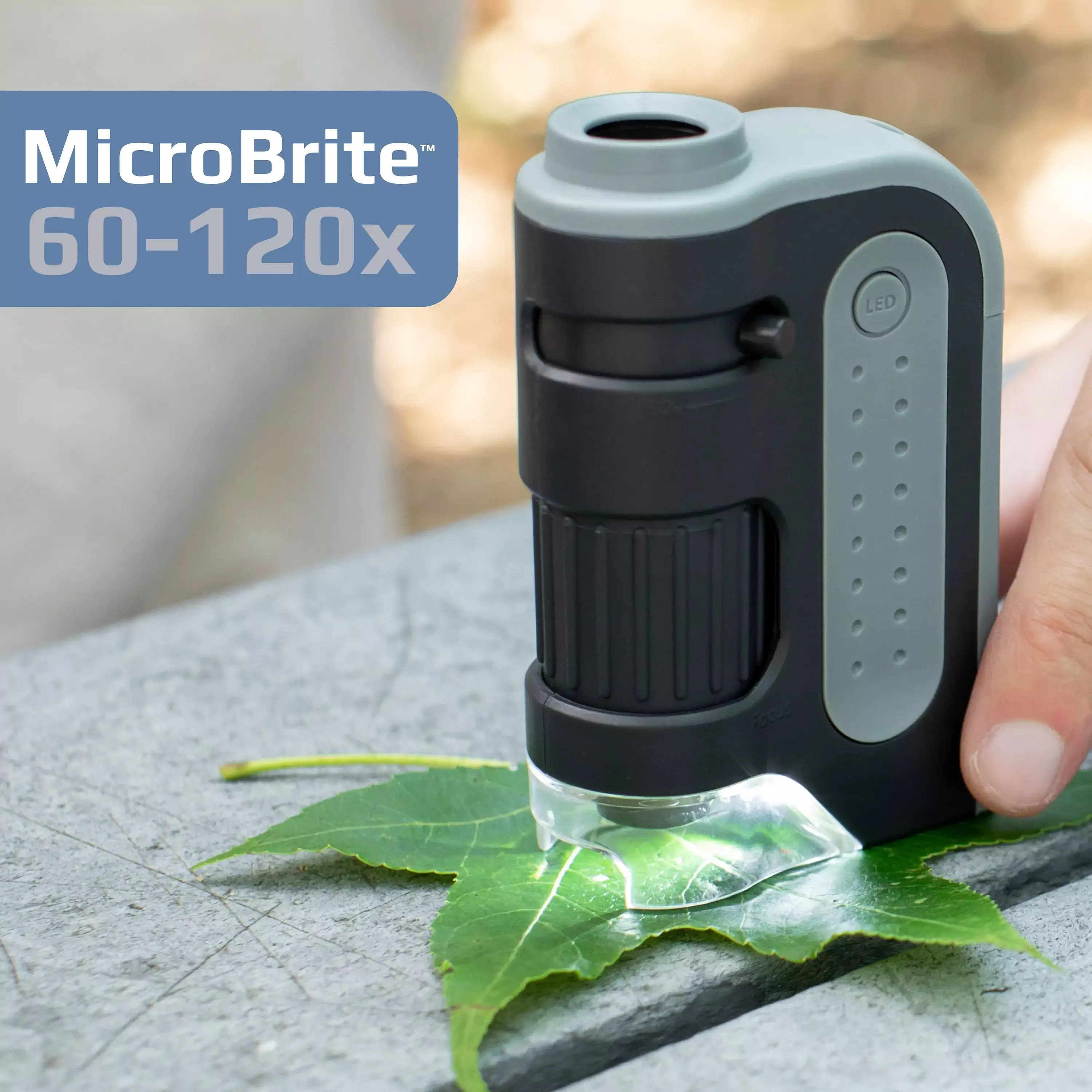
Carson MicroBrite Plus Microscope Review: 8/10 Verdict
Snapping microscopic images of salt crystals, checking plant trichomes, and even inspecting fake trading cards — owners say the Carson MicroBrite Plus Pocket Microscope - Set of 4 punches well above its miniature weight. Scoring 8.0/10 based on aggregated reviews, this handheld microscope blends portability, strong magnification, and a surprisingly crisp LED-lit view, but demands a steadier hand than some buyers expect.
Quick Verdict: Conditional buy — excellent value and clarity for curious explorers or STEM classrooms, but less suited for younger kids without guidance due to short focal range.
| Pros | Cons |
|---|---|
| Clear edge-to-edge view from aspheric lens | Short focal distance makes moving objects hard to view |
| Strong magnification (60x-120x) for size | No built-in base or slide holder |
| Portable and lightweight | Focus/magnification knobs can feel loose over time |
| Long-lasting AA battery power | Requires steady surface for best results |
| Durable and well-built | Small eyepiece awkward for glasses wearers |
Claims vs Reality
Carson markets the MicroBrite Plus as an “extremely powerful, compact and lightweight portable microscope” with “clear, bright and crisp image” thanks to its aspheric lens and LED illumination. Digging deeper into user reports, the clarity claim holds up, but only under certain conditions. A verified buyer on Amazon noted: “Amazing picture quality… works perfect for looking at diamonds in my jewelry,” reinforcing the high-resolution potential. However, others warned that “it’s more useful to study prepared slides… higher magnification limits the range of objects.”
The portability pitch is another key claim — and broadly confirmed. Walmart buyers emphasized its “really nice pocket scope for the money” and “compact, full proof… lovely view of the tiny.” Yet practical use in the field can challenge beginners; Carson itself admits the focal distance is within 2mm, meaning handheld viewing of uneven surfaces requires practice.
Finally, the brand’s educational/STEM positioning rings true for many parents and teachers. One Amazon reviewer shared, “Perfect for elementary students… fun intro to a microscope… the zoom is simple.” But self-contained learning without guidance is rare: several noted the need to “read the directions first” to avoid frustration with focusing.
Cross-Platform Consensus
Universally Praised
Across Amazon, Walmart, Reddit, and Trustpilot, portability and magnification top the praise list. The aspheric lens earns consistent compliments for edge-to-edge clarity. “The view is clear to the edge of view. After seeing this one, I… also going to buy the lower powered pocket micro MM-450,” reported one Walmart customer. For classroom environments and family exploration, the set of four offers shared fun: “My granddaughter got one… her older siblings kept playing… now I have to get more,” said an Amazon buyer. The LED light’s brightness also scores strongly: “Clear image, plenty of light… little or no distortion,” noted another Amazon review.
For hobbyists, the scope’s adaptability is a hit. A user inspecting counterfeit currency said they “use this for detecting fake TCG cards” and found it “thrilled me with portability and clear observations.”
Common Complaints
The most repeated drawback is the challenge of focusing, especially at the higher end of magnification. One Amazon customer explained, “This scope has too much power making it hard to focus.” The absence of a slide holder adds to the difficulty for certain use cases; moving objects or handheld viewing of complex surfaces can frustrate: “You’re trying to palm the object and constantly moving it around accidentally.”
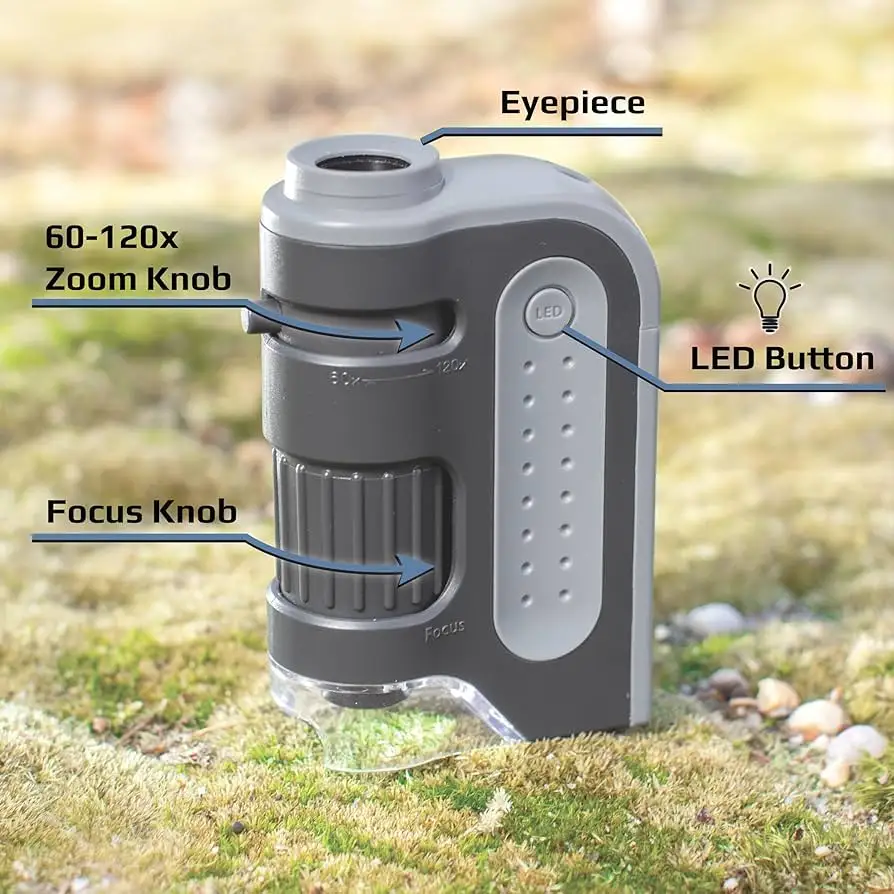
Physical ergonomics crop up too: small eyepieces make viewing awkward for glasses wearers, and loose adjustment knobs can drift. One reviewer observed, “Letting go of [the focus knob]… can set it off from where you had initially set it up… needs closer tolerances.”
Battery drain issues from kids leaving the LED on were another subtle but recurring theme. A buyer wished for “a timer for the light… kids leave it on and the battery is always dead.”
Divisive Features
Magnification power splits opinion. Enthusiasts marvel at detail — “I could see sweat droplets on my skin… fun discoveries” — while others find it excessive for casual use: “The extreme detail wasn’t as interesting to [kids] as it was to the adults.” For some, the learning curve of positioning and focus added satisfaction, but for others, it was deterrence.
Trust & Reliability
Long-term durability appears strong, with one Amazon customer stating, “Been using it for years!… works great and I use it all the time.” The build quality earns praise relative to price point, especially in educational settings where multiple units see frequent handling. Trustpilot and Walmart reviews reflect consistent, genuine experiences rather than complaints about misrepresentation or defective batches.
However, mechanical wear is noted in repeated tightening of focus knobs and magnification dials over heavy use. While no broad allegations of planned obsolescence emerged, the emphasis from experienced buyers is on treating the device gently — and potentially housing it in a protective case for outdoor work.
Alternatives
Mentioned in community discussions, Carson’s own MM-24 (20x-40x) gains love for its base and slide holder, making it easier for kids and field biologists to keep specimens steady. One Amazon reviewer compared: “The lack of a base is a big deal… the 20-40x model is more useful in the field.”
Another cross-reference is the Carson MM-450 (20x-60x), which offers lower magnification but retains aspheric clarity. For ultra-high magnification, Carson’s MicroFlip MP-250 reaches 250x, but Testdude.de reports image degradation at maximum zoom.
Price & Value
With individual units retailing around $15.99 and the 4-pack reaching into the $70-90 range depending on source, the set offers strong per-unit value. eBay listings price the set near $95 new, while resale demand suggests minimal depreciation for well-maintained scopes. Community buying tips lean toward multi-packs for schools, youth clubs, and science camps for economies of scale.
FAQ
Q: Is the MicroBrite Plus suitable for young children?
A: Yes, with supervision. Its strong magnification and short focal range require guidance, but many 5–8-year-olds “figured them out quickly” when coached.
Q: Can it view living insects or plants in the field?
A: Only if steady. Moving objects are challenging; several users cut plant pieces to examine on firm surfaces.
Q: Does it require special batteries?
A: No, it uses a single AA battery for LED lighting — preferred by many for longer life compared to button cells.
Q: Is it good for photography?
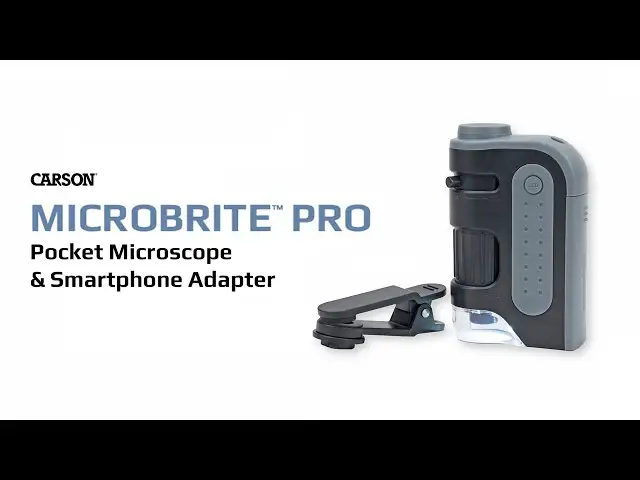
A: Not by itself, but Carson offers a smartphone digiscoping clip for related models. Direct image capture needs steady alignment.
Q: How durable is it?
A: Reports of years-long use are common, though focus knobs may loosen with heavy, rough handling.
Final Verdict: Buy if you’re a STEM educator, hobbyist, or curious household looking for affordable, portable microscopes with crisp magnification in controlled settings. Avoid if you need to view moving, irregular objects in the field without a base. Pro tip from a veteran user: invest in a small hard-shell case to preserve knob precision and lens clarity during transport.