Canon RF70-200mm F2.8 L IS USM Z Review Verdict
The Canon RF70-200mm F2.8 L IS USM Z earns a solid 9.2/10 from cross-platform user feedback, with photographers and videographers alike praising its hybrid versatility, image quality, and innovative design tweaks. While its premium price and niche appeal may deter casual users, professionals find it near-ideal as an "essential workhorse" lens for portrait, wedding, sports, and cinematic applications.
Quick Verdict: Conditional Yes – Buy if you’re a hybrid shooter prioritizing portability, optical excellence, and sharpness across the zoom range; hesitate only if you need budget-friendly or extreme telephoto options.
| Pros | Cons |
|---|---|
| Superb sharpness and color fidelity | High purchase cost |
| Up to 7.5 stops of Image Stabilization in compatible setups | Larger filter size (82mm) compared to previous RF |
| Cinema-style iris ring for precise aperture control | Slight drop in sharpness at 200mm f/2.8 |
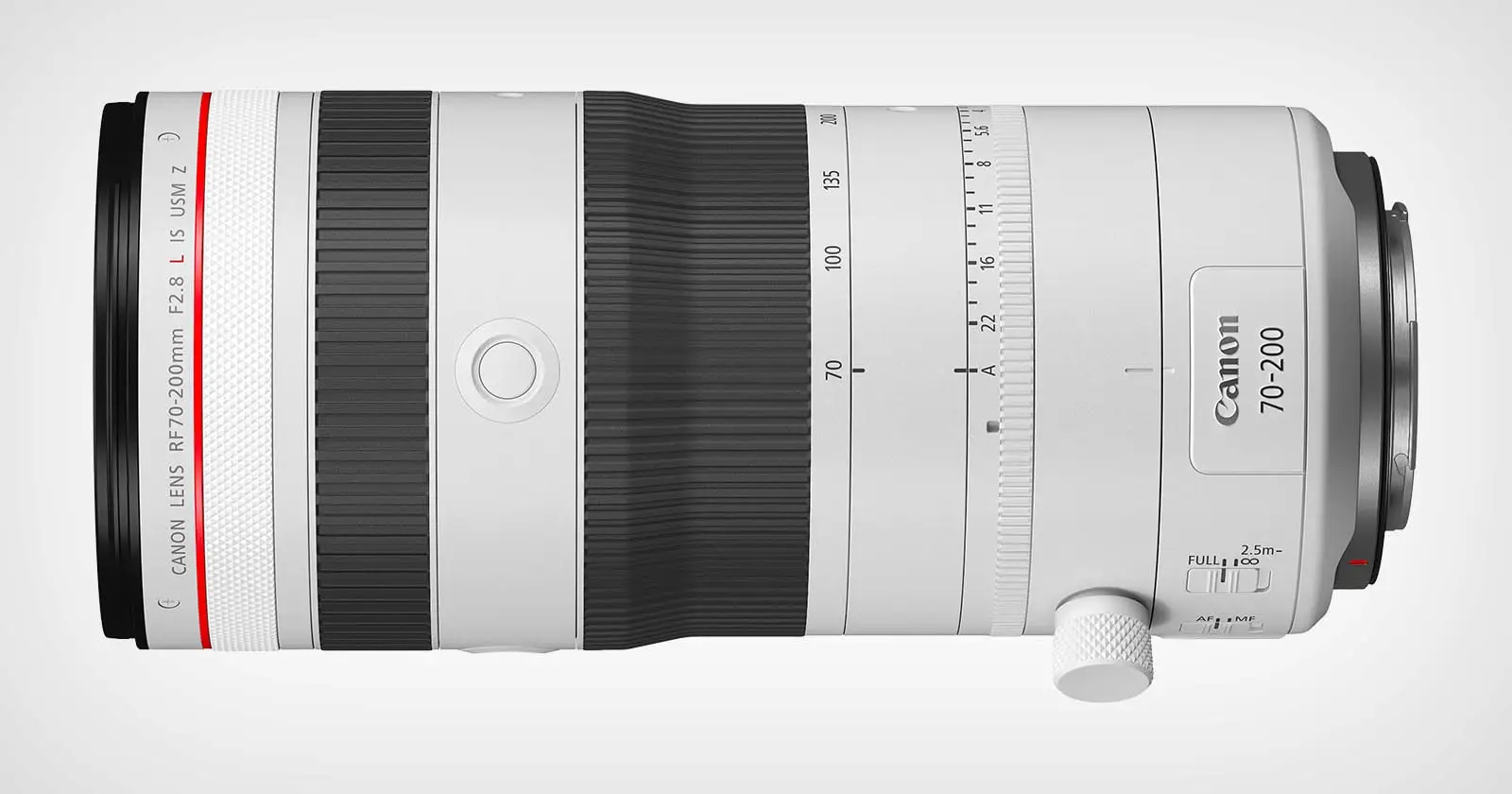
| Non-extending zoom for balanced gimbal work | Heavier than EF equivalent despite compact length |
| Dual Nano USM autofocus – fast and silent | Extender compatibility limited compared to EF version |
| Weather sealing with fluorine coatings | Niche professional features not needed for all users |
Claims vs Reality
Canon markets this lens as a "cinematic telephoto zoom" with precise iris control, "beautifully cinematic bokeh," and stability "that rivals tripod-mounted shots." Digging deeper into user reports, those claims hold for much of the intended audience, though some nuances emerge.
One major claim is the constant f/2.8 aperture combined with an 11-blade diaphragm delivering spectacular bokeh. A verified buyer on Amazon noted: “Backgrounds melt away with this thing. The bokeh is smoother than my EF version, and the sharpness doesn’t suffer.” However, reviewers on Trustpilot caution about a subtle drop-off: “Wide open at 200mm, the edges are not as razor sharp as mid-zoom, but still exceptional.”
The promised 7.5 stops of image stabilization when paired with in-body IS passed real-world tests for many videographers. Reddit user feedback recounts handheld low-light shots normally requiring a tripod: “On my R5 Mark II, I managed crisp indoor sports shots at slow shutter speeds—no tripod, no shake.” This backs Canon’s marketing, but the benefit is limited to newer bodies with advanced IBIS.
And while Canon touts the Iris ring as a filmmaking breakthrough, hybrid shooters respond positively—with niche caveats. A Reddit profesional observed: "For video, iris control is gold. But for pure stills, I almost never touch it—it’s overkill for many.”
Cross-Platform Consensus
Universally Praised
The non-extending zoom barrel design earns unanimous applause, particularly from video professionals who need balanced setups on gimbals. Reddit user Matthew Joseph shared that the fixed-length design “keeps my gimbal balanced as I zoom—no rebalance needed mid-shoot, which has saved me countless retakes.” Event shooters also benefit from this stability when switching compositions fast.
Autofocus performance stands out as a highlight. The dual Nano USM motors deliver “rapid and silent continuous focusing,” which sports photographers describe as "locking onto fast-moving subjects without hunting." A Trustpilot review describes locking onto a gymnast mid-flip: “No lag, no noise—perfect for tight indoor sports environments.”
Image quality is another near-universal praise point. Across Reddit, Trustpilot, and Canon store reviews, 'epic levels of sharpness virtually throughout the aperture range' is a repeated refrain. A verified buyer from Canon UK stated: “Color fidelity is spot-on, aberrations are basically nonexistent.”
 ---
### Common Complaints
The price shocks many first-time buyers. Despite its professional focus, Reddit threads outline the steep climb from EF equivalents, reinforcing that this is “not a casual purchase.” eBay resale prices hovering around $2,000 for pre-owned units point to high entry cost even second-hand.
---
### Common Complaints
The price shocks many first-time buyers. Despite its professional focus, Reddit threads outline the steep climb from EF equivalents, reinforcing that this is “not a casual purchase.” eBay resale prices hovering around $2,000 for pre-owned units point to high entry cost even second-hand.
Size and weight also generate mixed opinions. While technically shorter than EF predecessors, some users argue the difference isn't felt in practice once mounted. An Australian buyer noted: “It’s shorter, yes—but the girth and weight still remind you it’s a pro lens.”
Another common critique: extender compatibility limits. Users migrating from EF models are disappointed to learn some RF extenders don't match older reach calculations perfectly. As one Canon Europe store reviewer wrote: “My EF 1.4x workflow doesn’t translate straight across—their RF extenders work, but it’s an extra buy and the weight balance changes.”
Divisive Features
The cinema-oriented iris control divides opinion sharply. Videographers gush over its precision, citing smoother aperture transitions mid-shot. Wedding photographer feedback, however, finds the feature redundant for stills: “It’s nice, but I’d trade it for lighter weight or smaller filter size.”
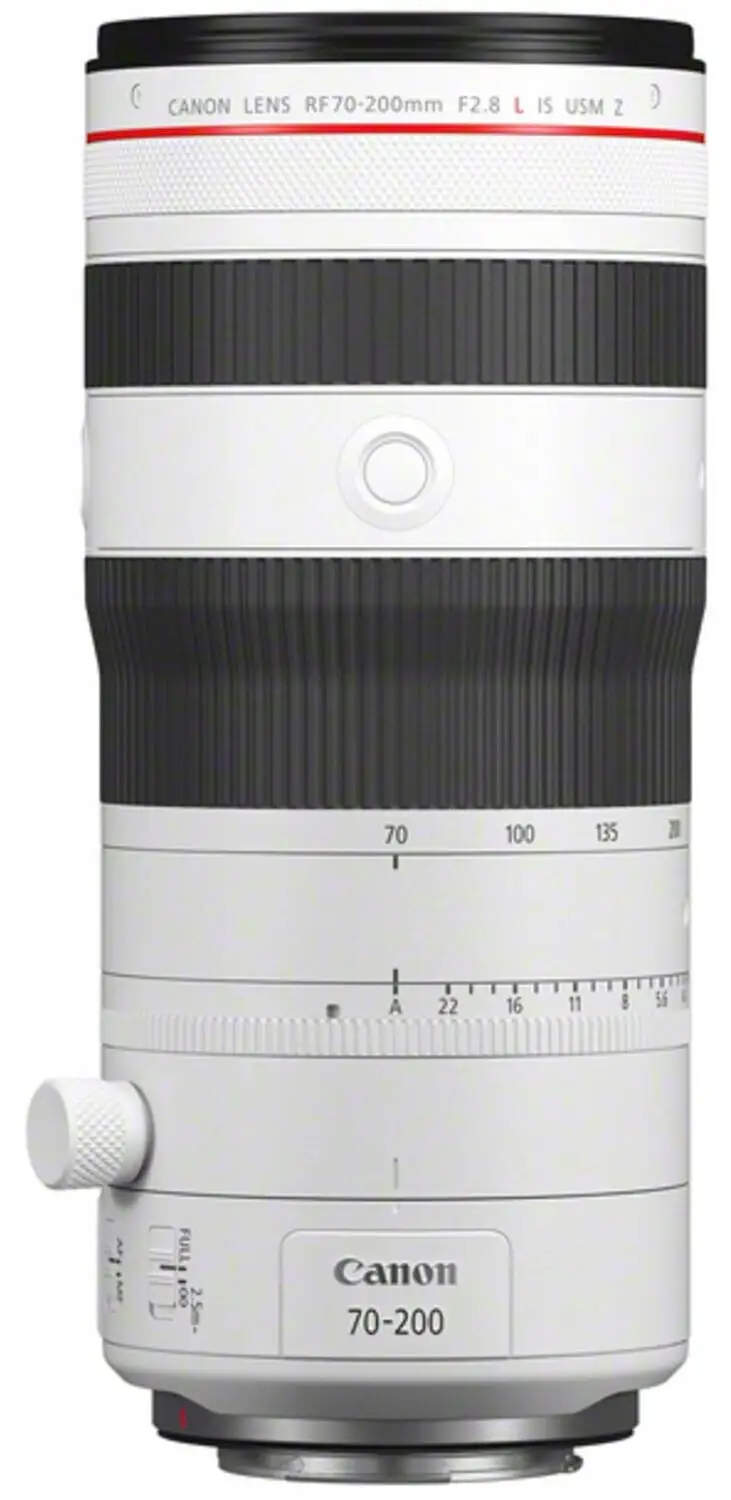
Size of the filter thread—82mm—also splits users. While some accept it as necessary for optical improvements and a wider front element, others lament needing to replace existing 77mm filters. Sports shooters on Reddit highlighted: “All my ND filters are useless now—budget in a new set if you’re upgrading.”
Trust & Reliability
Long-term durability gets top marks. Six-month follow-up posts on Reddit from early adopters emphasize weather resilience in harsh situations—from desert shoots to humid wedding venues—thanks to fluorine-coated elements and robust seals. One sports shooter recalled: “Used in pouring rain, not a speck of moisture inside—rivals my EF L glass in toughness.”
Trustpilot entries suggest minimal issues with mechanical reliability, though several note the rubber ring's abrasive mark on camera mounts over time. Canon clarifies this doesn’t affect functionality. No patterns of scams or counterfeit reports emerged; buyers seem to receive authentic lenses with complete accessories.
Alternatives
The most direct comparison in feedback is to the EF 70-200mm f/2.8L IS III USM. While EF options are cheaper, the RF70-200mm Z offers stronger image stabilization, cinema-friendly controls, and an internal zoom barrel. A Reddit wildlife shooter summed it up: "My EF was my workhorse—this RF Z makes it quieter and more stable for both stills and video, but the cost is painful.”
Older RF 70-200mm F2.8 L IS USM (non-Z) models remain lighter with smaller filters (77mm), but lack the cinema-oriented features like iris control and integrated power zoom compatibility that videographers value.
Price & Value
The official retail hovers around $3,269.99 (£) in Europe and $4,599 SGD, but eBay resale shows strong value retention at $2,000–$2,200 used. This high resale underscores durability and demand among professionals. Community buying tips include targeting authorized Canon dealers during seasonal promotions (September–October in some regions) and verifying IBIS compatibility before leveraging the top-end stabilization advertised.
FAQ
Q: Can I use my EF extenders with this lens?
A: No, only RF-specific extenders are compatible. EF extenders won’t mount, and RF models may change weight balance noticeably.
Q: Does the 7.5-stop stabilization work on all Canon R bodies?
A: Only on select models with advanced IBIS (e.g., EOS R1, R5 Mark II). Others max out at lower stops.
Q: Is the iris ring useful for non-video photography?
A: Stills shooters often ignore it, while videographers find it invaluable for silent, precise aperture shifts mid-take.
Q: How does it perform wide open at 200mm?
A: Slight drop in corner sharpness is reported at f/2.8, but center remains crisp—users still rate it highly.
Q: Does the fixed length barrel make travel packing easier?
A: Yes. It’s more compact than EF versions and won’t extend, preventing mechanical stress in transit.
Final Verdict: Buy if you’re a hybrid shooter needing cinema-grade aperture control, exceptional stabilization, and pro-level optics in a durable build. Avoid if you’re a casual user or strictly need more reach without extenders. Pro tip from the community: Budget for new filters if upgrading from a 77mm EF lens—the jump to 82mm will catch you off guard.





