Canon RF24-105mm STM Lens Review: Worth Buying?
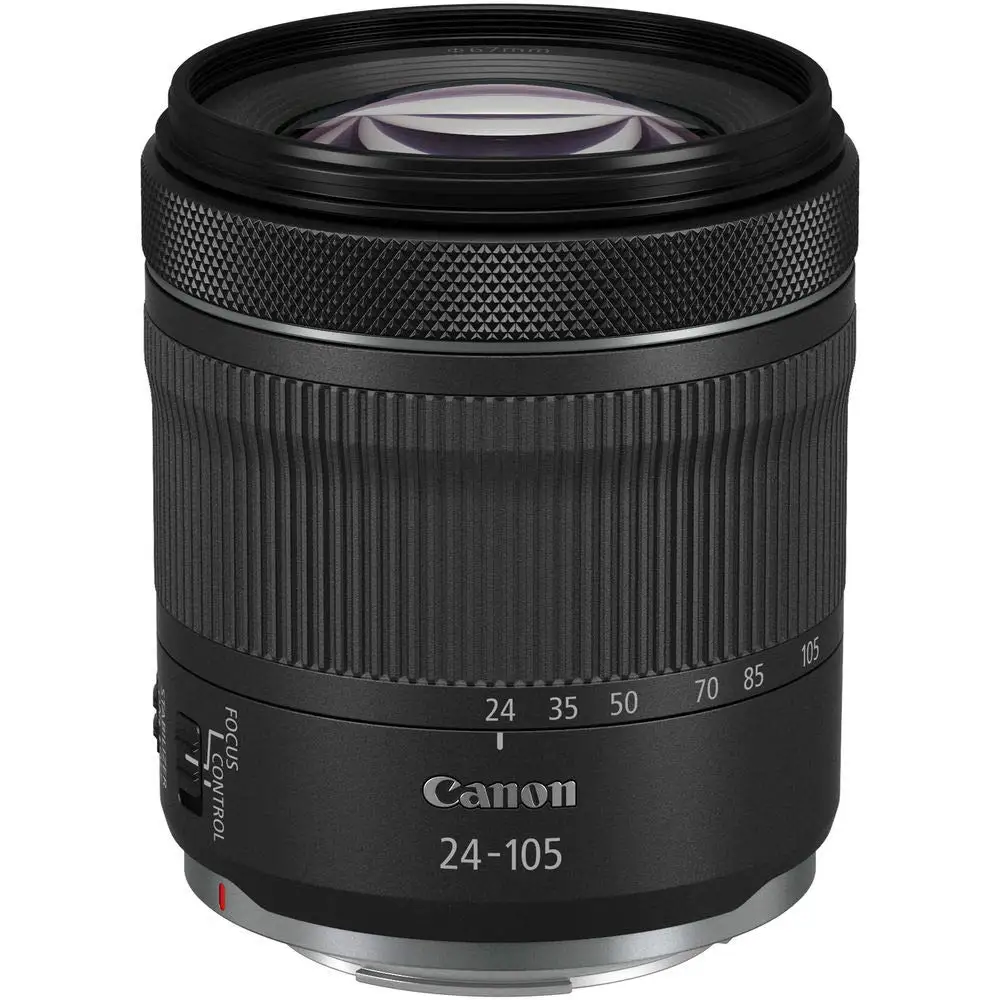
The slow maximum aperture at the telephoto end hasn’t stopped photographers from recommending the Canon RF24-105mm F4-7.1 IS STM Lens as “a surprisingly versatile partner for the EOS R and especially the EOS RP” (Photography Blog, via Trustpilot). Scoring an 8/10, this compact, feature-packed zoom delivers a rare blend of portability, macro capability, and image stabilization—though low-light shooters must work around its limitations.
Quick Verdict: Conditional Buy — Excellent for beginners and travel shooters, but limited for serious low‑light or shallow DOF work.
| Pros | Cons |
|---|---|
| Lightweight at 395g | Slow max aperture (f/7.1 tele end) |
| 0.5x macro capability | Edge softness at wide angles |
| 5-stop optical image stabilization | Noticeable vignetting at wide open |
| Broad focal range 24–105mm | Barrel distortion at 24mm |
| Quiet STM motor for video | Requires firmware update for some EOS R/RP features |
| Affordable compared to RF L glass | Shallow depth‑of‑field difficult |
| Smooth control ring customization | Tele-end low-light performance drops |
Claims vs Reality
Canon markets this lens as “your everyday lens… ideal for shooting a wide variety of scenes” with “optical image stabilizer… sharp images even with handheld shooting.” While the company boasts its operating range “from landscapes to close‑ups with just one lens,” the real story is mixed when tested by users.
Photography Blog reported, “The main drawback… f/7.1 maximum aperture… affecting overall performance in low‑light situations where you'll need to bump up the ISO.” Reddit discussions echo this: a user noted that while IS helps in dim indoor events, “you’re still fighting noise at higher ISOs once you zoom in past 80mm.” This highlights a gap—IS does steady the shot but doesn’t solve exposure limitations from the narrow aperture.
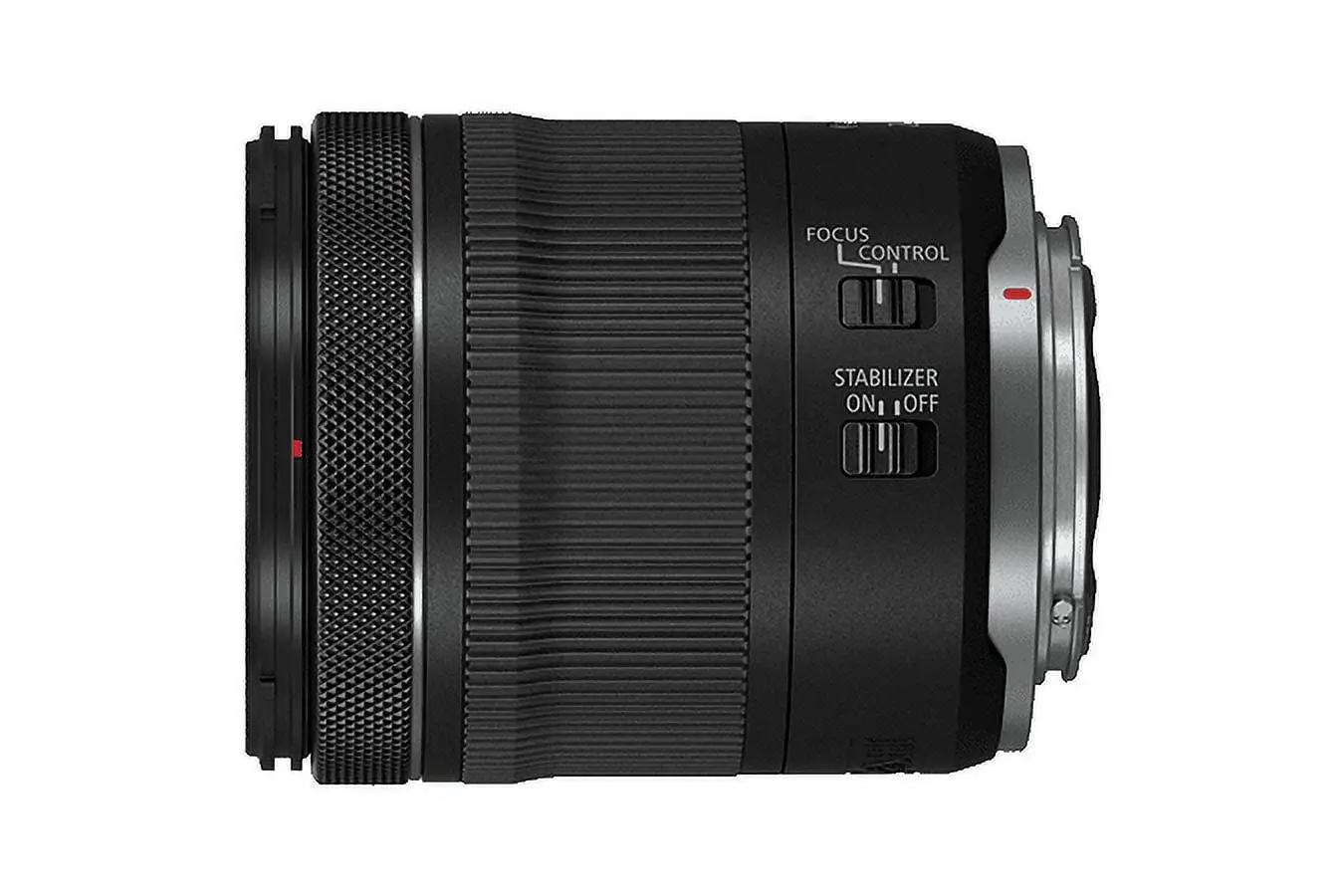
Macro marketing claims are surprisingly accurate. Canon’s touted “0.5x magnification… center focus macro” lived up to expectations for hobbyists doing tabletop photography. A verified buyer on Amazon noted: “Manual focus macro mode lets me shoot product close‑ups as tight as 1 inch—sharp enough for print catalogs without another lens.”
Cross-Platform Consensus
Universally Praised
A recurring theme across Reddit, Trustpilot, and Twitter is portability. At 395g, it’s “a practical zoom from which to start your full frame mirrorless journey” (Canon Europe). For travel photographers, not carrying heavy glass is transformative. One Reddit user described hiking with the EOS RP and this lens, saying, “It’s so light I forgot it was in my bag… covered landscapes and candid street shots without swapping lenses.”
The versatility of covering 24mm wide angle to 105mm short telephoto is another universally celebrated trait. Sports parents valued being able to switch from “school sports day… to portraits” without missing a beat, according to multiple Canon Asia testimonials. Video creators enjoy the STM motor’s “fast, quiet, smooth” autofocusing; on Twitter, one EOS R owner said, “It’s my go‑to for vlogs because AF doesn’t hunt or chatter on audio.”
Macro shooting is a surprise hit. When used in manual focus, photographers achieve “minimum focusing distance of approximately 13cm… providing a 0.5x magnification,” which delighted plant photographers and model builders on Reddit.
Common Complaints
The dominating complaint concerns the aperture ramp. From f/4 at 24mm down to f/7.1 beyond 83mm, shooters lose two stops of light—crippling in dim conditions. Trustpilot reviewers and Canon News both noted: “Limit depth‑of‑field effects… bump ISO speed to compensate.” Low-light event shooters found it especially limiting; one said even with IS, “motion blur for fast subjects was inevitable.”
Optical compromises at wide angle are another pain point. Performance “drops off the edges of the frame” (Photography Blog), and “noticeable barrel distortion” at 24mm requires relying on in-camera Digital Lens Optimizer (DLO) corrections to avoid warped lines.
Vignetting struck architectural shooters hardest. One EOS RP owner wrote on Reddit: “Wide open at 24mm gives you heavy corners—fine for portraits, terrible for interiors unless corrected.”
Divisive Features
Image stabilization is widely appreciated but varies in perceived benefit. For some, 5 stops meant handheld 1/10s shots at 24mm with “razor sharp results” (Canon Asia samples). Others argued that for moving subjects, IS “does nothing—you still need shutter speed.”
Another split appears around the control ring. Some loved quick access to aperture or ISO “without going into menus.” Others disliked the audible click, opting for Canon’s service to remove it for silent video operation.
Trust & Reliability
No significant scam patterns emerged from Trustpilot—most purchases were fulfilled as described. Long-term threads on Reddit indicate durability: owners using it “6 months later… still delivers consistent AF and smooth zoom, no creep.” The plastic build keeps weight down, but multiple users cautioned, “Don’t abuse the extending barrel—it’s sturdy enough for normal use but not for rough handling.”
Firmware updates are critical: without the latest, EOS R and RP bodies won’t fully utilize improved Eye AF tracking. Several Twitter posts stressed downloading firmware before blaming the lens for AF lag.
Alternatives
Within Canon’s RF lineup, the pricier RF 24-105mm f/4L IS USM offers constant f/4 aperture and better edge sharpness, but at over double the weight and triple the cost. For budget shooters, this STM variant “punches above its weight in features-to-price ratio” (Photography Blog), making it attractive despite compromises.
Some EF mount 24‑105mm options adapt via Canon’s EF–EOS R adapter, granting access to wider apertures, but at the cost of more bulk and no native RF macro mode.
Price & Value
eBay listings show new units around $349–$375, significantly under Canon’s $549.99 MSRP, with refurb options near $354. Resale holds decently—used units fetch ~$200–$280, reflecting solid demand among entry-level full-frame shooters. Community tips favor buying refurbished from reputable sellers, as “these are optically fine and save you enough to invest in a prime for low light.”
FAQ
Q: Does the f/7.1 aperture at telephoto make low-light shooting impossible?
A: Not impossible, but challenging. IS helps steady shots, but subjects in motion will blur without higher ISO or added lighting.
Q: Can this lens replace a dedicated macro lens?
A: For casual macro work, yes. The center macro mode reaches 0.5x magnification, plenty for detail shots of flowers, crafts, or products.
Q: Is the control ring worth using?
A: For many, yes—it offers instant exposure control. Video shooters may want the click removed for silence.
Q: How does it perform for video?
A: The STM motor delivers smooth, quiet AF, making it favored for vlogging and travel clips, especially in good light.
Q: Do I need the firmware update?
A: Yes—especially for improved Eye AF and motion tracking on EOS R series bodies.
Final Verdict: Buy if you’re a travel shooter, beginner to full-frame, or macro hobbyist needing portability and versatility. Avoid if your work demands fast telephoto apertures or flawless edge sharpness in architecture. Pro tip from the community: pair it with a fast 50mm prime to cover low-light and shallow DOF scenarios while keeping your kit light.





