Canon PGI-280XL Compatible Ink Review: Conditional Buy 7.8/10
Canon ink buyers keep saying the quiet part out loud: the print quality can be “excellent,” but the cartridges “just never seem to last long enough.” That tension—between results and running costs—defines the Canon PGI-280XL Compatible Ink Cartridge ecosystem. Verdict: Conditional buy, 7.8/10, depending on whether you’re prioritizing low-risk compatibility or the lowest possible cost per page.
Quick Verdict
With Canon PGI-280XL/CLI-281 style ink, the stories split into two camps: people paying more for predictable results, and people chasing bargain-compatible cartridges hoping they behave like OEM. A Best Buy reviewer summed up the “quality first” camp with: “the color quality and clarity is excellent,” while another immediately added the tradeoff: “the yield… is subpar but the quality is very high.”
For home office users printing documents, the big value proposition is that you can replace only what runs out. One Best Buy customer put it simply: “You only replace the ink tank that is empty! not the complete color tank.” But for high-volume printing (especially photos or art paper), multiple buyers warn that consumption can feel punishing even when output looks great.
| Call | Evidence from users |
|---|---|
| Conditional Yes | “easy to install,” “excellent color,” “wonderful quality” (Best Buy reviews) |
| Best for | Photo/document quality seekers: “Wonderful quality suitable for fine art prints” (Best Buy) |
| Watch-outs | Longevity/value complaints: “just never seem to last long enough” (Best Buy) |
| Cheapest route | Third-party compatibles and marketplace listings trend far lower than OEM (eBay listings show many $6.97–$26.88 compatible sets) |
| Lowest hassle | Genuine/major retailer buys praised for fit and install: “Exact fitment and easy to replace” (Best Buy) |
Claims vs Reality
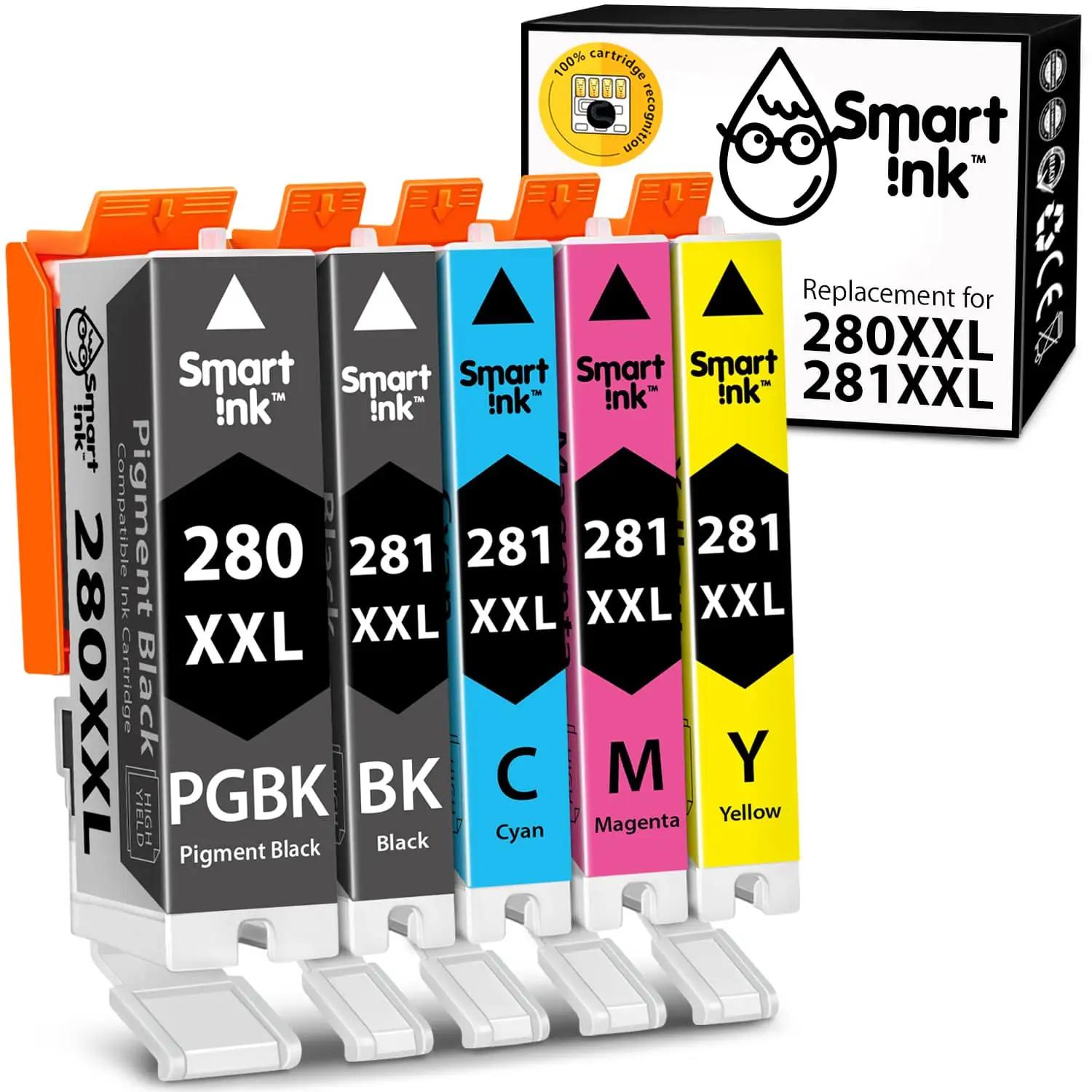
One marketing claim repeated across compatible listings is “high yield.” For example, a compatible Amazon listing advertises “page yield 6300” and calls it “high yield… 6300 pages per cartridge” for PGI-280XXL pigment black. But the broader pool of product pages in the data also show a very different yield framing—multiple listings state “PGI-280XXL (large black) is 600 pages per cartridge… at 5% coverage.” While officially presented as “high yield,” the numbers vary widely by listing, and the practical takeaway is that yield claims depend heavily on what’s being counted and which cartridge type (large pigment black vs small black vs color).
A recurring pattern emerged in user comments about real-world consumption: the ink looks great, but users feel it empties quickly. A Best Buy reviewer praised output—“Wonderful quality suitable for fine art prints”—then immediately cautioned that “the yield… is subpar,” adding a context clue: their “paper… is super absorbent fine art paper.” For artists and photo printers, that story implies that “high yield” marketing can collide with heavy-coverage use cases.
Another claim is “easy installation” and smooth compatibility. Here, user feedback largely aligns—especially on OEM-style packs bought from major retailers. Best Buy buyers repeatedly mention frictionless setup: “The cartridges were easy to install,” and another said: “Exact fitment and easy to replace.” Still, there are small warnings around handling: one reviewer cautioned, “be careful taking the plastic off the cartridge or ink may splatter a little, but it prints fine.”
A third claim is value—either “cost-effective in the long run” (often used to justify OEM pricing) or “cheaper than any other ink” (used to justify compatibles). The reality is that both sides have receipts. One Best Buy customer complained about “the price increase over the years,” while another framed the retailer experience as part of the value: “easy to use app ordering and free shipping.” Meanwhile, marketplace pricing on eBay shows compatible sets frequently listed far below OEM, with examples like “5 pack… $11.99” and other PGI-280/CLI-281 compatible lots in the single digits. The gap is real; whether the savings survive printhead errors, chip issues, or early depletion isn’t consistently documented in the provided user quotes.
Cross-Platform Consensus
Digging deeper into user reports, the most consistent theme isn’t about dazzling features—it’s about trust: buyers want ink that the printer recognizes, installs cleanly, and produces predictable output. Across Best Buy’s large review base, the repeated praise revolves around output quality and ease, with reviewers repeatedly using language like “excellent color,” “quality is amazing,” and “easy to install.”
For photo-centric users, print quality is the headliner. One Best Buy reviewer described “wonderful quality suitable for fine art prints,” and another shared a practical deadline-driven scenario: “a last minute printed iron on t-shirt job… the quality is amazing, the design turned out beautifully.” For creative projects (iron-on transfers, fine art prints, photos), these comments suggest the Canon PGI-280XL/CLI-281 ecosystem can deliver the kind of clarity people buy inkjets for—especially when the goal is sharp edges and strong color.
For students and home-office users, convenience and fitment matter as much as output. A Best Buy reviewer praised logistics and speed: “got it the same day… curb side,” while another focused on simple maintenance: “You only replace the ink tank that is empty!” That story matters if you’re printing assignments, forms, or occasional color pages; it’s less about the ultimate cost-per-page and more about not getting stuck mid-semester.
The third “universal” praise is simply that it works—reliably, without drama—when you buy recognized packs. A Best Buy customer said: “I have had no problems with this product! installation went well,” and another called the cartridges “absolutely phenomenal.” On the compatible side, a reviewer on CompAndSave wrote: “very good ink works very well on my canon pixma printer,” and another added: “inks are great, good pricing, quick delivery ! no complaints !” These kinds of comments are less glamorous, but they’re exactly what anxious printer owners want to hear.
After the praise, the complaints come into focus: cost and longevity. The most pointed frustration is that the ink seems to run out quickly, especially for frequent printing. A Best Buy reviewer vented: “these things just never seem to last long enough,” while another said their printer “uses a lot of the ink very fast.” Even when buyers accept the tradeoff, the annoyance is clear: “the yield… is subpar but the quality is very high.” For heavy users—teachers printing packets, photographers doing test prints—this can become a predictable budgeting problem.
Price sensitivity shows up repeatedly. One Best Buy reviewer flagged “the only downside… is the price increase over the years.” That’s not about whether the ink is good; it’s about feeling locked into a costly consumable. On the flip side, the refill-kit route comes with its own pain. A verified Amazon reviewer described a refill kit as “a bit of a messy operation,” while still praising it as “definitely a cheap alternative” with “perfectly acceptable” color for home printing. For budget-focused users, the story is: you can spend less, but you may pay in effort and mess.
Divisive features are where user priorities collide. OEM-style packs win on predictability and perceived quality; compatibles win on price and sometimes surprisingly good outcomes. One Best Buy reviewer celebrated that it “prints fine and is cheaper than any other ink i’ve found,” implying a value win without quality loss. But the larger data set includes third-party product pages that mention chip transfers or recognition details, and those can be deal-breakers for some users even before print quality comes into play.
Trust & Reliability
A reliability worry that keeps surfacing in summaries is inconsistency—cartridges that don’t feel “full” or don’t hit expected yield. A ShopSavvy TLDR summary notes that “some online orders resulted in cartridges registering as only half or one third full.” That kind of report matters most to home offices and students, because it turns ink into an unpredictable variable right when you need it.
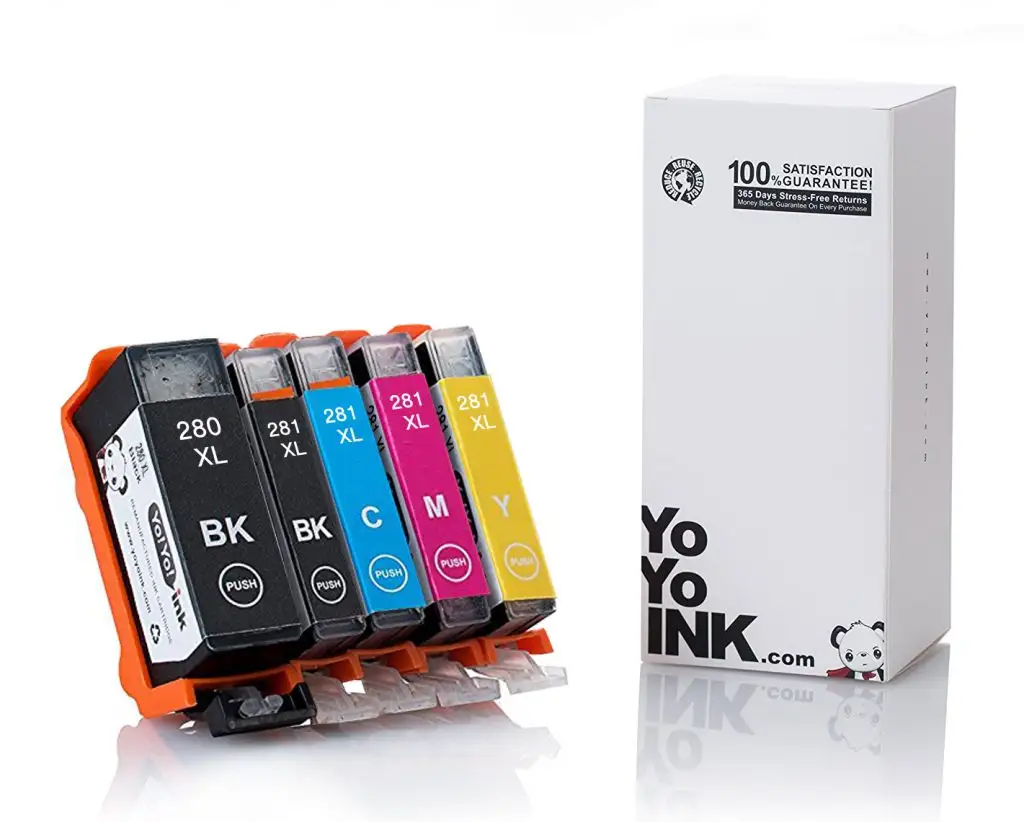
On the compatible side, the few direct user quotes provided skew positive on basic dependability. A CompAndSave reviewer emphasized longevity relative to other third parties: “with other company’s i have used, the ink runs out much sooner than yours does… a dam good price as well.” That’s not a lab test, but it is a real buyer telling a “longer than other compatibles” story, which is exactly the kind of reliability claim bargain hunters want to see.
Long-term “months later” durability posts from Reddit aren’t actually present in the provided Reddit data (it’s primarily product/spec summaries), so the strongest long-horizon evidence in this dataset comes from repeat-purchase behavior implied in retail reviews and the repeated theme of ongoing buying despite price complaints. One Best Buy reviewer framed it as ongoing dependence: “well what can i say it works and well we need it.”
Alternatives
The most direct alternative in the data is staying genuine: Canon’s own PGI-280XL/CLI-281 packs repeatedly get praised for output and fit, with Best Buy reviewers calling out “exact fitment” and “excellent color quality.” For users who hate troubleshooting, that reliability premium is the entire point.
The other alternative is going third-party compatible in different brands and bundles (e.g., multi-packs and “compatible replacement” listings). The attraction is obvious in the pricing: eBay shows many compatible lots far under OEM, like “5 pack… $11.99,” and a wide spread of listings in the $6.97–$26.88 range for PGI-280/CLI-281 compatibles. The risk is less clearly documented in user quotes here, but the dataset does include compatibility/chip nuances on some product pages—exactly the kind of complexity that turns savings into a headache for risk-averse buyers.
Finally, for the truly cost-driven, refilling is an option. A verified Amazon reviewer called a refill kit “a cheap alternative,” but also warned it’s “a bit of a messy operation.” That tradeoff is stark: lower spend, more labor, and more chances to make a mess.
Price & Value
The pricing story is almost a character in these reviews. On Best Buy, the Canon 5-pack is listed at $77.99, and buyers still praise quality but complain about the expense and frequent replacement needs. One reviewer directly called out “price increase over the years,” while another described a “bulk purchasing” mindset to cope with faster usage.
Meanwhile, marketplace pricing paints the opposite picture: eBay compatible listings show low entry prices like $11.99 for a 5-pack and many other compatible lots under $20. That gap suggests a simple buyer fork: pay more for predictability, or pay less and accept variability.
Buying tips implied by the community revolve around matching your use case. If you print fine art or heavy photos, users already expect higher consumption; if you print mostly documents, the “replace only what’s empty” setup can feel more economical in practice.
FAQ
Q: Do compatible PGI-280XL cartridges install easily?
A: Many buyers emphasize easy installation when the cartridge is correctly matched to the printer. A Best Buy reviewer said: “The cartridges were easy to install,” and another noted: “Exact fitment and easy to replace.” Some users warn about handling packaging carefully to avoid splatter.
Q: Will I actually get “high yield” page counts like listings claim?
A: Yield claims vary across listings and can clash with real-world printing. While some listings advertise very high numbers, users often describe faster depletion. One reviewer said “the yield… is subpar but the quality is very high,” and another noted their printer “uses a lot of the ink very fast,” especially on absorbent paper.
Q: Is the print quality good enough for photos or art projects?
A: Many buyers praise photo and project output. A Best Buy reviewer wrote: “Wonderful quality suitable for fine art prints,” and another said their “last minute… iron on t-shirt job… turned out beautifully.” These stories emphasize clarity and strong color rather than low cost per page.
Q: Are refill kits worth it for PGI-280/CLI-281 style cartridges?
A: Refilling is mainly about saving money, with tradeoffs in mess and effort. A verified Amazon reviewer called it “definitely a cheap alternative,” but also warned it’s “a bit of a messy operation.” They still described the resulting color quality as “perfectly acceptable for home printing.”
Final Verdict
Buy if you’re a home office user, student, or photo hobbyist who values predictable compatibility and strong output, and you can tolerate higher running costs—Best Buy reviewers repeatedly praise “excellent color” and “easy to install.” Avoid if you’re a heavy-volume printer chasing the lowest cost per page, because multiple users complain cartridges “never seem to last long enough.” Pro tip from the community: if you print on absorbent fine art paper, expect faster ink use—one reviewer tied “subpar” yield directly to that kind of media.