Canon PGI-225/CLI-226 Value Pack Review: Conditional Buy
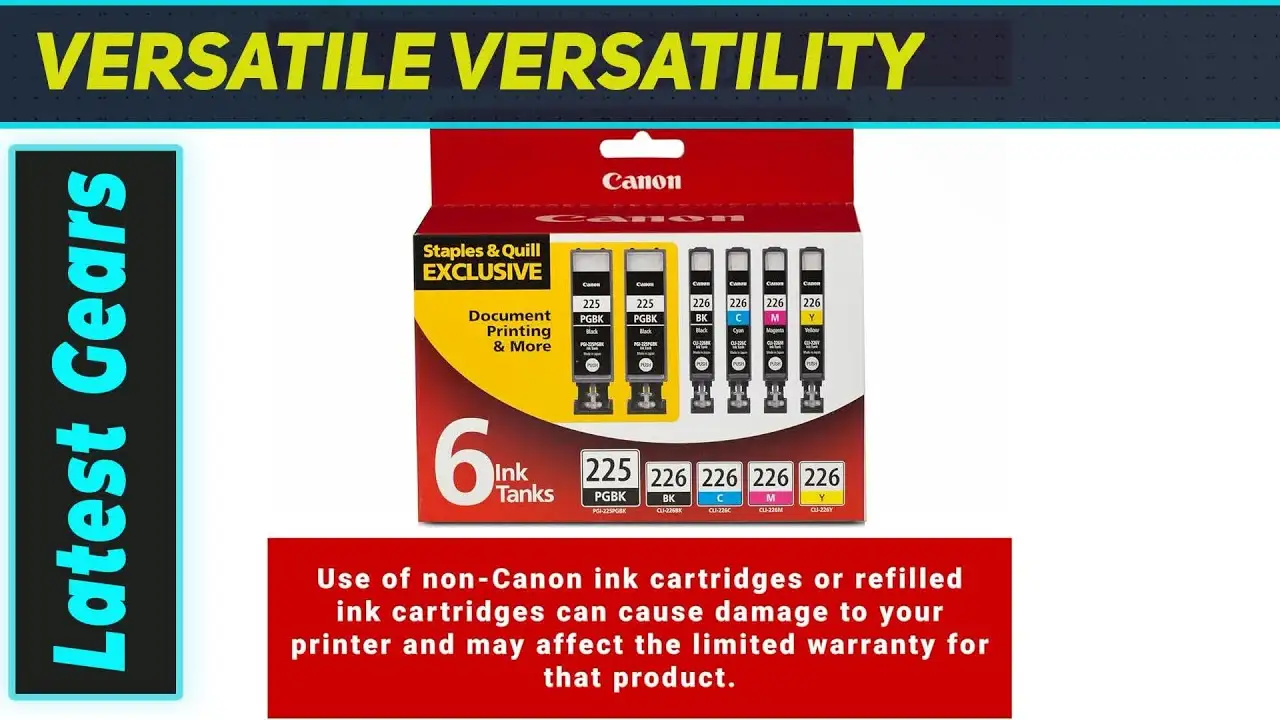
“Got to go with genuine Canon ink”—and for a lot of owners, that’s not brand loyalty so much as self-defense after bad third‑party experiences. Canon PGI-225/CLI-226 Six Color Value Pack earns a conditional recommendation because buyers repeatedly describe dependable print quality, but they also vent about cost, fast drain, and confusing bundling. Verdict: Conditional buy if you prioritize reliability and photo output over running costs. Score: 8.1/10.
Quick Verdict
For Canon Pixma owners who want consistent results, the appeal is simple: fewer surprises. One Amazon reviewer summed up the safety-first mindset: “I’ve tried the aftermarket inks and been very disappointed, my printer even stopped printing. Put the genuine Canon ink back in… and it works perfectly. Never going to go with the aftermarket brands again.”
But the same body of feedback is blunt about the economics. Another Amazon reviewer wrote: “here’s the bad part - this stuff is expensive,” and a separate reviewer complained, “ink runs out quickly; terrible bundling, pricing.” In other words, it’s often treated as the “it hurts, but it works” option.
| Decision | Evidence from users | Who it fits |
|---|---|---|
| Buy? | Conditional “yes” | Photo/document users who hate troubleshooting |
| Biggest pro | Print quality consistency | Anyone printing “important photos” |
| Biggest con | High cost + short life | High-volume or budget printing |
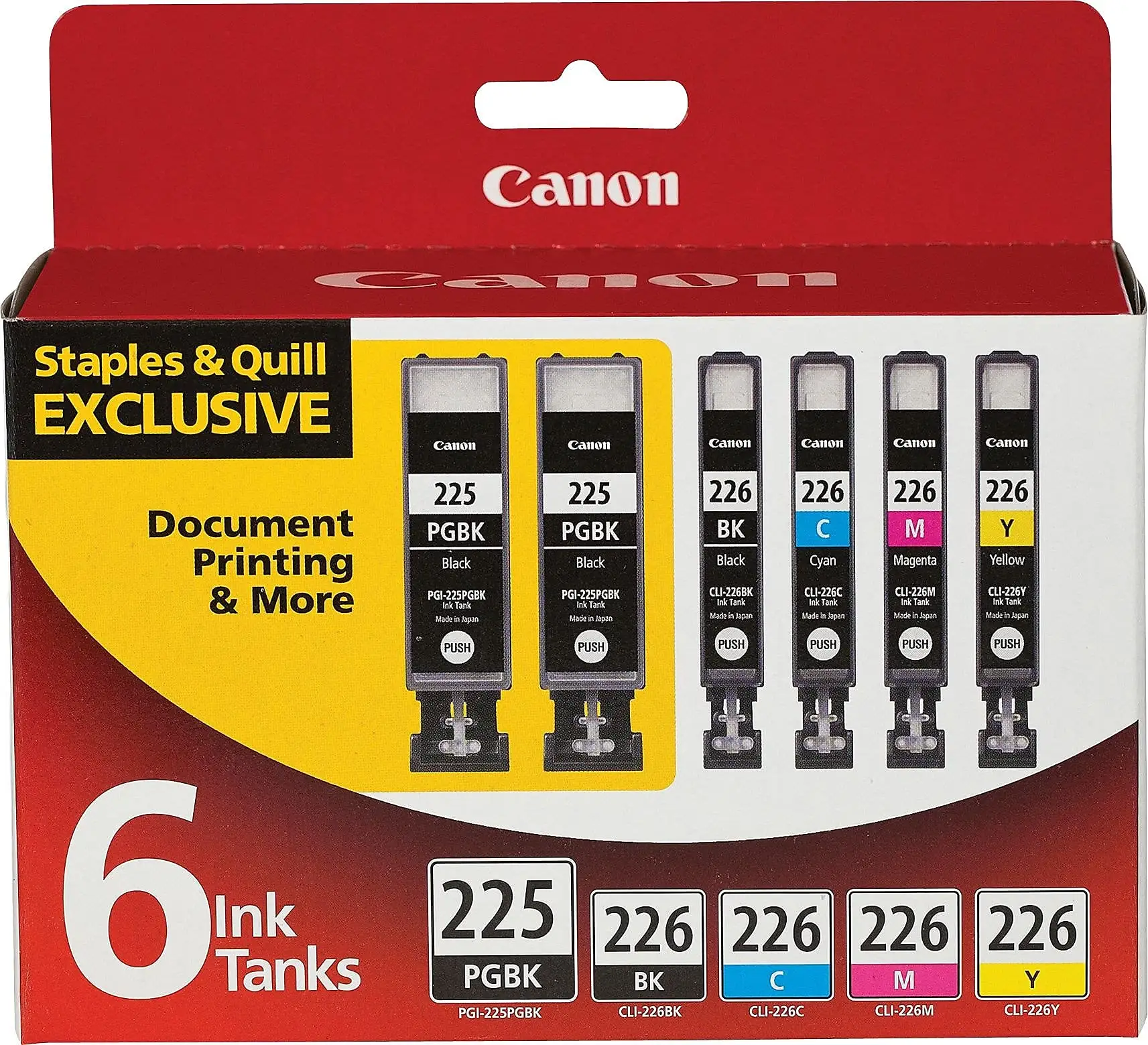
| Gotchas | Bundles don’t always include every needed tank | People expecting “one box = everything” |
| Risk notes | Packaging/authenticity concerns appear in reviews | Online buyers watching for “not in Canon package” |
Claims vs Reality
Canon’s marketing language around this ink family leans heavily on long-lasting photos, sharp text, and controlled quality (genuine OEM, Chromalife positioning, etc.). Digging deeper into user reports, the “genuine” part is exactly what many buyers are paying for—but it doesn’t guarantee a pain-free ownership cost.
Claim 1: “Exceptional print quality for photos and documents.”
On Amazon, multiple reviewers reinforce the core claim with highly specific language about output and behavior on paper. One reviewer explained why they reserve OEM ink for images: “I will use the genuine stuff whenever printing important photos… it does not run or blend… it bonds to the paper just right. It also helps with water resistance.” For photo-focused users, the consistency is the story.
But the same review also pulls the camera back to the total experience: “this stuff is expensive,” and they describe printer maintenance cycles wasting ink: “the head cleaning… squirting out vast quantities of the expensive ink before printing.” So while print quality praise is real, users argue the ecosystem consumes ink in ways that make that quality feel costly.
Claim 2: “Convenient value pack / easy to buy what you need.”
A recurring pattern emerged: buyers like the convenience of ordering, but not the logic of the bundle. One Amazon reviewer who switched from in-store buying to online called it “the way I purchase my ink now… easy to get the correct size… I absolutely love the convenience and accuracy.” That’s the best-case experience: reorder history, correct SKU, fewer wasted trips.
Yet another Amazon reviewer described the opposite—confusion and missing tanks—saying the packaging “makes you think you’re getting all the inks you need in this one package. Sadly, neither is true,” then warns that depending on the pack you may still need to buy a separate black tank. The “value pack” framing helps some buyers, but others feel the bundles create extra purchases.
Claim 3: “Long-lasting performance.”
The marketing promise of longevity runs straight into conflicting real-world anecdotes. One Amazon reviewer, frustrated by capacity, wrote: “I get maybe twenty pages printed… and I get a low ink notice,” adding that photo printing drains tanks even faster. Meanwhile, another user described moderate use lasting months: “with very mild printing (1-2/week)… I was able to make my printer last about 7 months.” The gap suggests longevity depends heavily on print habits and possibly printer maintenance routines—not just the cartridge itself.
Cross-Platform Consensus
Universally Praised
The strongest consensus is about reliability—especially compared with third-party cartridges. Across Amazon and other review aggregations, the “OEM works when others don’t” storyline keeps resurfacing. An Amazon reviewer described a near-failure scenario: “my printer even stopped printing… Put the genuine Canon ink back in… and it works perfectly.” For home-office users who need a document right now, that kind of recovery story matters more than any spec sheet.
Print quality—particularly for photos—shows up as the second pillar. The same Amazon reviewer who defended OEM ink framed it as chemistry and control: “the chemistry that happens when you print with good ink on special paper makes it dry just enough… smooth not lumpy.” For scrapbookers, families printing albums, or anyone selling small photo prints, this is the emotional payoff: outputs that look “right” without fiddling.
Even when people hate the price, they still compliment consistency. A reviewer wrote: “better than aftermarket… the quality is always good… always consistent.” That “no surprises” theme is what keeps OEM ink in carts, even from buyers who openly resent paying.
Some praise is about logistics rather than ink itself: avoiding store hunts. A long Amazon anecdote about failed in-store trips ends with, “this is the way I purchase my ink now… I have always received Canon brand ink,” emphasizing planning ahead and reorder convenience. For suburban buyers without a nearby office store, being able to restock without “three trips” is part of the value proposition.
After those narratives, the feedback boils down to a few repeatable positives:
- Consistent output quality, especially for photos (“important photos” use case)
- Fewer compatibility headaches than some aftermarket cartridges (“printer even stopped printing” story)
- Easier reordering online versus hunting in stores (“this is the way I purchase my ink now”)
Common Complaints
Price is the loudest complaint, and it isn’t subtle. One Amazon reviewer’s resignation says it all: “as if you have a choice? hold your nose and buy it.” Another echoed the same pain with less humor: “the cost though, ugh.” These aren’t edge cases; the resentment is a recurring theme even among satisfied buyers.
The second complaint is ink life—or at least the perception that cartridges are too small for what they cost. The sharpest example comes from an Amazon reviewer printing light documents: “these cartridges simply do not hold enough ink for the price,” and even claimed “maybe twenty pages printed… and I get a low ink notice.” Whether that exact number applies broadly, it captures a shared frustration: frequent “low ink” warnings and repeated purchases.
Maintenance and printer behavior also get blamed. One Amazon reviewer describes restart cleanings as wasteful: “the head cleaning… squirting out vast quantities of the expensive ink before printing,” and adds that power flickers can trigger more cleaning. For users in areas with unstable power, that complaint turns ink ownership into something that feels unpredictable.
Bundling confusion is the other headache. The same critical Amazon review calls out “terrible bundling” and warns buyers they may still need to purchase a separate black tank depending on what pack they chose. Another user put it more gently but still wished Canon would include everything: “I do wish that Canon would put all necessary ink cartridges in this package.” For anyone who assumes “value pack” means “complete pack,” this becomes a costly surprise.
Common negatives, in buyers’ own terms:
- “expensive” pricing and ongoing operating cost
- “runs out quickly” / “small capacity” complaints
- Ink consumption tied to cleaning routines (“squirting out vast quantities”)
- Confusing bundle composition (“makes you think you’re getting all the inks you need”)
Divisive Features
A divisive point is whether genuine Canon ink is “worth it” compared with compatible cartridges. Some buyers treat third-party ink as a false economy because of failures or leaks. One Fakespot-highlighted review complained: “the off brands i’ve tried leak ink… the ink ended up on the computer desk carpet.” That kind of story pushes risk-averse users back to OEM instantly.
But other platforms show that compatible packs can work well—until they don’t. On CompAndSave’s reviews for compatible PGI-225/CLI-226 combos, one reviewer said: “these cartridges work as well as brand name… print quality and color is great for a fraction of the price,” even adding that cartridge life “seems to be outlasting the name brand.” Yet another review in the same set reports a failure: “the c226 cyan did not work despite many tries.” The split isn’t philosophical; it’s practical. If you get a good batch, savings feel huge. If you don’t, you’re buying a replacement at retail prices.
Another divisive topic is how quickly ink runs out. Some Amazon buyers describe frequent replacements, while others report months of moderate use (“about 7 months”). The feedback suggests user experience is highly dependent on print volume, photo vs. document mix, and how often the printer cleans its head.
Trust & Reliability
Scam and authenticity anxiety shows up less as “counterfeit” accusations and more as packaging unease. On Fakespot’s analysis page, one highlighted complaint reads: “i was surprised when i received the cartridges and they were not in a canon package as shown in the picture,” alongside “it did not arrive in original packaging.” For buyers paying OEM prices, the box and presentation become part of trust—if it looks off, confidence drops.
That said, Fakespot’s page also suggests the review set has “minimal deception” and notes “over 80% high quality reviews,” indicating the broader pattern is not dominated by fraud signals. The trust story is more about vigilance: buyers want genuine, and anything deviating from expected packaging raises eyebrows.
Long-term reliability is discussed indirectly through “I went back to OEM and the printer worked” accounts. The Amazon reviewer who restored printing by reinstalling genuine ink (“nozzle clean and it works perfectly”) offers a durability angle: OEM ink is perceived as a safer baseline for keeping an older Pixma running.
Alternatives
Only alternatives explicitly mentioned in the data are fair game here: third-party compatible packs (like the kinds sold via CompAndSave listings and similar “compatible” value packs referenced in the Amazon ecosystem) and off-brand cartridges broadly.
For bargain-focused users, compatible cartridges can be compelling when they work. A CompAndSave reviewer wrote: “print quality and color is great for a fraction of the price,” framing it as repeat-purchase worthy. But the same review set contains the cautionary counterexample: “the c226 cyan did not work despite many tries.” The alternative path is a gamble—high upside, but the downside is urgent replacement buying and troubleshooting.
Meanwhile, Amazon user stories show why some people reject alternatives outright. “aftermarket inks… my printer even stopped printing” is the kind of failure that convinces a home office to pay more just to avoid downtime.
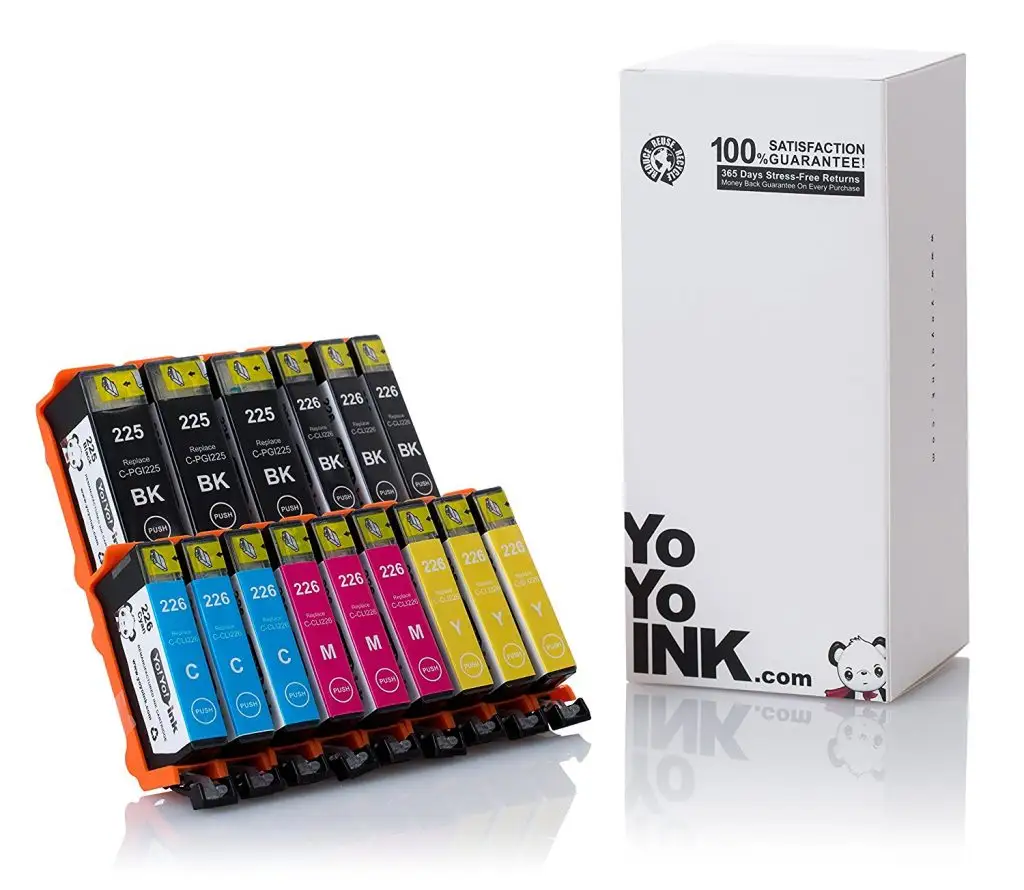
Price & Value
Pricing context from the provided listings reinforces why the “expensive” complaint is so common. The Amazon OEM 5-pack appears around $79.78 (with additional shipping/import fees shown for Canada), while compatible 5-packs appear closer to the mid-$30 range in the same ecosystem. That delta shapes the entire conversation: OEM is treated as the premium, low-risk option; compatibles are the high-savings bet.
Resale and secondary-market pricing (eBay listings for genuine packs) suggests buyers do seek deals on “open box” or “no retail box” sets, which connects back to the packaging trust issue. If the goal is savings, users may accept less pristine packaging—but many OEM buyers still want reassurance they received authentic product.
Buying tips implied by community stories are practical rather than promotional:
- Plan ahead to avoid emergency store runs (“you have to plan for when you are going to run out of ink”)
- Expect uneven drain across colors (“magenta ran out first even though i print mainly black and white”)
- Be wary of bundles that don’t include every tank you need (“makes you think you’re getting all the inks you need… sadly… neither is true”)
FAQ
Q: Does the Canon PGI-225/CLI-226 set really print better than compatible ink?
A: Many buyers say yes for consistency. An Amazon reviewer explained they “use the genuine stuff whenever printing important photos,” and another said aftermarket ink made their printer stop printing until they put “genuine Canon ink back in.” But compatible reviews also include “works as well as brand name,” so results vary.
Q: Why do people say the ink runs out fast?
A: Several users blame small cartridge capacity and printer behavior. One Amazon reviewer said they get “maybe twenty pages printed” before a low-ink notice, while another complained the printer’s “head cleaning” wastes “vast quantities” of ink. Others report months of light use, so usage patterns matter.
Q: Is the “value pack” actually a complete set for every printer?
A: Not always, based on user confusion. An Amazon reviewer warned the packaging “makes you think you’re getting all the inks you need… sadly, neither is true,” and discussed needing to buy certain tanks separately depending on the bundle. Checking your printer’s required tanks before ordering is a repeated theme.
Q: Are OEM cartridges safer if you’ve had leaks with off-brand ink?
A: Some buyers specifically cite leaks as a reason to avoid third-party cartridges. A Fakespot-highlighted complaint reads: “the off brands i’ve tried leak ink… the ink ended up on the computer desk carpet.” That kind of experience pushes risk-averse users toward genuine Canon despite the price.
Q: What’s the most practical way to avoid getting stuck without ink?
A: Buyers recommend planning and reordering from purchase history. One Amazon reviewer described switching from in-store trips to online ordering and said it’s “easy to get the correct size” by looking up past orders—while warning you may need to “plan for when you are going to run out of ink.”
Final Verdict
Buy Canon PGI-225/CLI-226 Six Color Value Pack if you’re a photo-focused or reliability-first Pixma owner who wants “always consistent” output and doesn’t want to gamble on compatibility.
Avoid it if you print high volumes on a tight budget and already feel ink “does not hold enough… for the price,” especially if frequent maintenance cycles bother you.
Pro tip from the community: treat ink like a scheduled supply—“plan for when you are going to run out of ink”—and double-check bundle contents so you don’t discover too late that you still need an extra tank.