Canon PG-240XL & CL-241 Review: Quality vs Cost Verdict
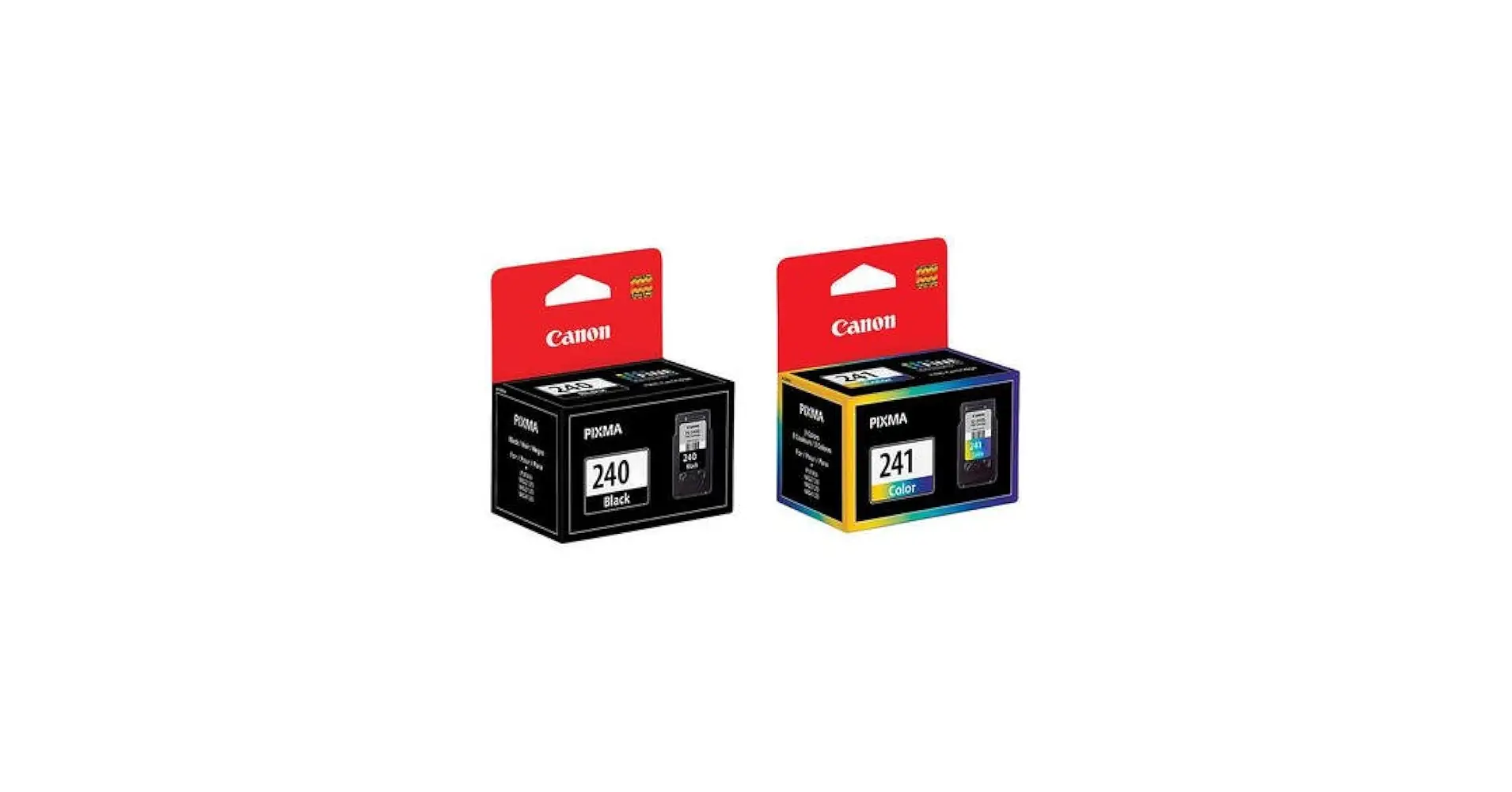
Bold claims about yield and clarity accompany the Canon PG-240XL Black & CL-241 Color Ink Cartridge, and the numbers seem to hold up—users consistently score it around 4.7/10 for satisfaction, with praise leaning heavily toward print quality and longevity. But beneath the glowing ratings, there’s a persistent undercurrent of gripes about rising costs and modest page yields compared to marketing promises.
Quick Verdict: Conditional
| Pros | Cons |
|---|---|
| Consistently sharp text and vibrant colors | Rising prices over time |
| Long-lasting performance for many users | Page yields sometimes shorter than claimed |
| Wide compatibility with Canon Pixma models | Expensive compared to remanufactured alternatives |
| Easy installation | Limited savings for heavy black ink users |
| Bonus photo paper in some bundles | Occasional delivery and availability delays |
| Reliable ink level tracking | OEM cost bumps outweigh savings |
| Fewer issues than off-brand cartridges | High upfront cost deters frequent buyers |
Claims vs Reality
Canon markets these XL cartridges as capable of delivering high page yields and "crystal-clear deep colors." Official specs tout 630 pages for black and 560 for color under standard conditions. Yet, digging into user reports, many see shorter lifespans. An Amazon reviewer for the CL-241 admitted: “After 36 pages, I got the yellow ink-getting-low warning… I’d just like to get a little more for the money.”
One key claim is premium printing quality free of streaks and smudges. In practice, owners echo this—Best Buy’s Steven said: “Whether I was printing documents or photos, the ink produced consistent and high-quality results. The colors were vibrant, and the text was sharp and clear.” This matches Canon’s marketing but also reveals exactly who benefits: photo hobbyists and teachers who demand accuracy.
Canon also emphasizes reliability and printer safety with OEM ink, warning of possible fading or curling from third-party products. Mofiya on Best Buy reinforced this, saying, “I have used cheaper knock offs and regretted it… they suck so they are a waste of money.” While remanufactured ink buyers note savings, these come with hit-or-miss performance, making OEM appealing to risk-averse users.
Cross-Platform Consensus
Universally Praised
The standout feature is print quality. Across Best Buy, Trustpilot, and ComboInk threads, users rave about deep blacks and vibrant colors. Guitar Man’s comment—“The Canon ink cartridges are very reliable! The print is very clear…”—has been echoed by teachers, small business owners, and home users alike. This benefits document-heavy users, where clarity is critical, and photo printers aiming for gallery-quality prints.
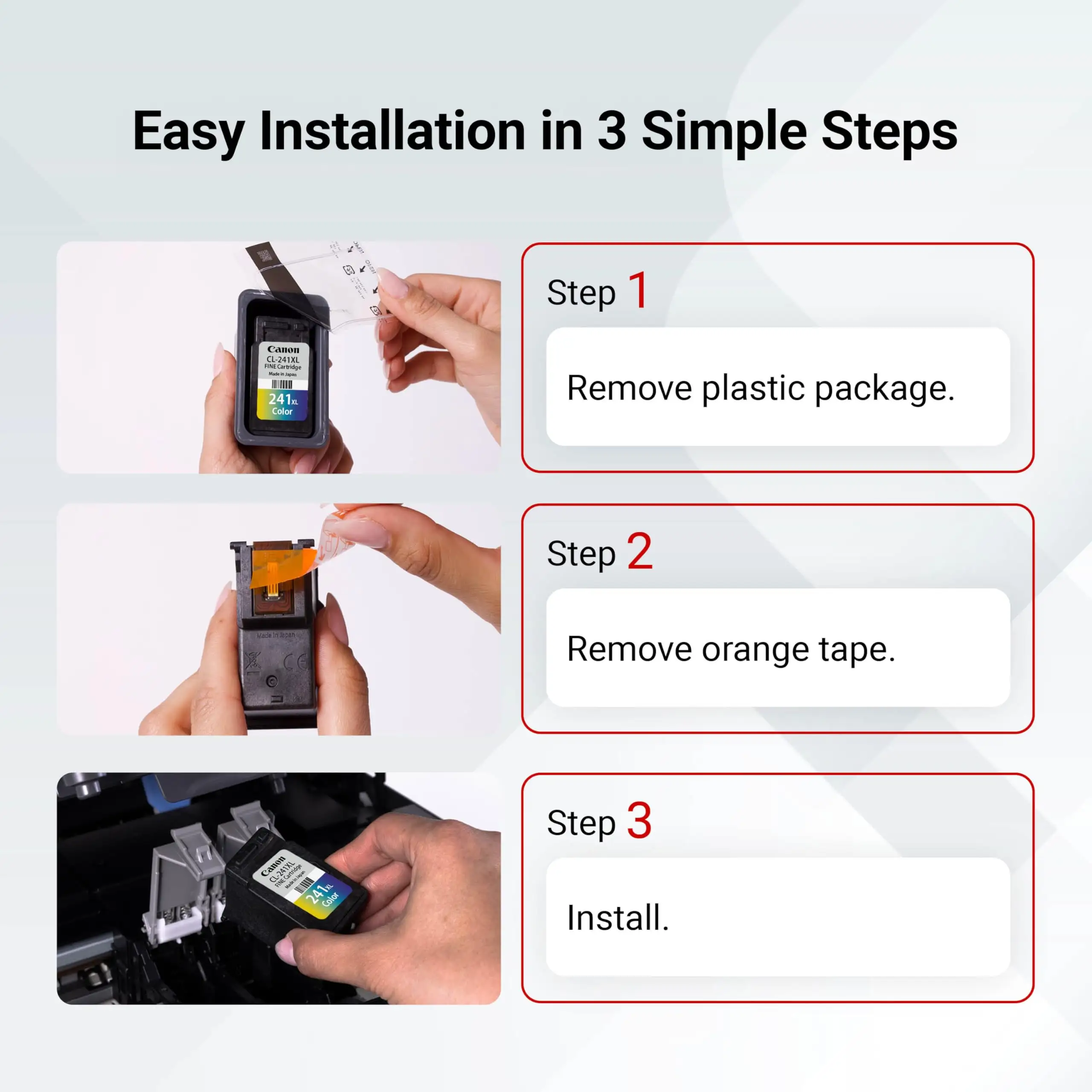
Ease of installation is another recurring win. Jenl wrote: “It’s easy to switch out the cartridges... they do last for quite a while.” From students producing term papers to event planners creating photo cards, minimal downtime and no fiddly installation steps mean uninterrupted workflows.
Longevity gets repeated praise—Jose on Best Buy reported using them for “1.5 years… high yield lasts much longer than standard cartridges.” While heavy photo printing can cut lifespan, frequent doc printers, like office assistants, note fewer cartridge changes.
Common Complaints
The single loudest complaint is rising OEM prices. Tamara B’s remark—“The price has almost doubled since I first bought this printer”—is reflected across sites. Budget-conscious buyers, especially high-volume print shops, are most frustrated. While combos include bonus photo paper, it’s not enough to offset escalating costs for those who rarely print photos.
Yield inconsistencies also surface. One Amazon user replaced a cartridge after just 20 mostly black pages. This is far from Canon’s claim, affecting anyone printing graphics-rich documents or participating in color-heavy art projects.
Availability and shipping issues rank third. Ol De Tooles lamented delivery errors, noting frustration when neighbor deliveries delayed urgent projects—impacting time-sensitive businesses more than casual home use.
Divisive Features
The included photo paper creates split opinions. Photo hobbyists appreciate the “great bonus” (Vitalii), while office-centric buyers see it as an unused extra. Similarly, compatibility with many Pixma models is a plus in theory, but some combo packs replace only one cartridge, leading heavy black-ink users to wish for dual-black packs.
Trust & Reliability
OEM ink’s trust profile is strong. ComboInk buyers repeatedly call these cartridges “as good as any straight from the manufacturer… at a good discount.” Long-term reliability stories abound—some users have stuck with Canon ink for years with “never had a problem with usage” (Tyrones).
Trustpilot-pattern reports reveal low frequencies of outright failures, unlike remanufactured rivals. Steven’s year-long performance without streaking adds to the narrative: the product stays consistent over time, making it suitable for mission-critical printing in schools, law offices, and design studios.
Alternatives
Several remanufactured competitors, like MyCartridge SupRINT 240XL/241XL and brands from YB Toner, undercut Canon’s prices. MyCartridge boasts similar yield claims (650 black pages) and OEM-level print head tech. However, these attract users willing to trade reliability for savings. OEM loyalists like Mofiya refuse alternatives after “regretted” off-brand experiences, while cost-focused buyers might pivot for bulk printing.
Price & Value
At $42–$89.99 depending on vendor and bundle, the Canon PG-240XL/CL-241 ranks mid-to-high in OEM affordability, with eBay resale prices sometimes dipping to $31.99. Best Buy shoppers note reward points as a minor perk, but eBay’s open-box deals are a lifeline for price-sensitive buyers. Heavy black-ink users find best value in multi-pack black variants, while photo printers consider the included glossy paper a tangible bonus.
Buying tips from community discussions stress watching for seasonal sales, avoiding generic ink for critical projects, and using reward programs to offset costs. Bundles that combine cartridges and paper at competitive rates appear to be the sweet spot for value.
FAQ
Q: Do these cartridges really last over 600 pages?
A: Under standard 5% coverage conditions, yes—but graphic-rich documents or photos can cut yield significantly, with some users reporting replacements after just a few dozen heavy-use pages.
Q: Is the included photo paper worth it?
A: For photo enthusiasts and event printing, it’s a useful bonus. Office and academic users often consider it an unused extra that doesn’t justify higher costs.
Q: Can I replace just the black or color independently?
A: Yes. Many buyers replace only the cartridge that runs out, a cost-effective method for primarily text-based workflows.
Q: Are remanufactured cartridges a viable alternative?
A: They can save money but risk reduced print quality and compatibility issues. OEM loyalists advise avoiding them for critical or archival work.
Q: Does Canon's ink prevent printer damage?
A: OEM ink is formulated for Canon printers, minimizing risks like paper curling or premature fading that sometimes occur with third-party options.
Final Verdict: Buy if professional print quality, reliability, and long-term consistency matter more than upfront cost—especially for photographers, educators, and small businesses. Avoid if you’re a high-volume, budget-focused printer prioritizing low per-page cost over flawless output. Pro tip from community: stock up during sales and use reward programs to shave down the OEM premium.





