Canon PFI-120MBK Review: Pro Quality, High Cost Verdict
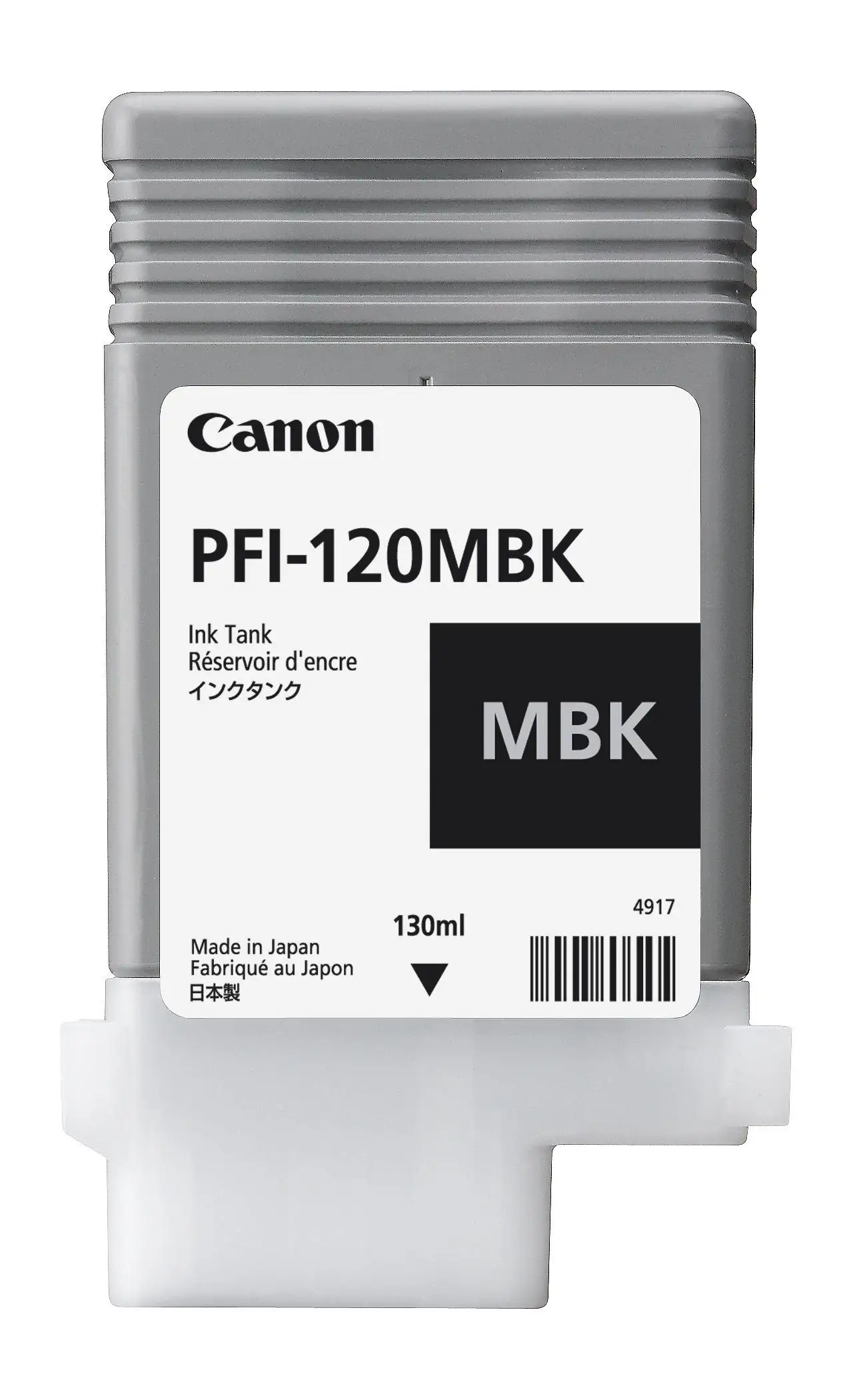
A forestry department technician summed it up best when she described the Canon PFI-120MBK Standard Yield Ink Cartridge Matte Black as “another great item that we use”—concise, factual, and reflective of its solid performance reputation. With scores consistently hovering around 4.6 to 4.8 stars across retail platforms, this 130ml OEM pigment-based cartridge earns an 8.8/10 in user satisfaction driven by quality output, reliability, and media versatility.
Quick Verdict: Conditional — Excellent for professionals needing precision matte black output, but high cost may deter casual users.
| Pros | Cons |
|---|---|
| Deep, rich matte black with consistent tone | Price point higher than many third-party options |
| Water-resistant on compatible media | Occasional reports of underwhelming color fidelity |
| Genuine Canon OEM build prevents clogs | Installation guidance deemed “uninspired” by some |
| Sharp text and fine line reproduction | Yield may be limiting for high-volume work |
| Compatible across multiple Canon TM & GP series | |
| Durable, fade-resistant output |
Claims vs Reality
One core marketing claim is Canon’s “Lucia TD pigment ink” formula supposedly producing fine lines, crisp text, and deep blacks even on non‑inkjet media. Digging deeper into user reports, this matches much of the actual experience. A verified buyer on Amazon noted: “High fidelity printing, full color, not easy to fade.” However, dissent surfaces from a Walmart reviewer who felt “the color of the ink is not what I expected, and the printing effect is relatively poor.” This shows that while the chemistry performs well under optimal conditions, user-perceived darkness or contrast can vary with paper stock and printer settings.
Another claim is the ink’s water-resistant quality on compatible media, ideal for construction site or outdoor prints. Staples customer feedback backs this up indirectly via forestry department use, where durability matters. Yet no user explicitly tested prints under prolonged weather, suggesting the outdoor resilience may be trusted but not extensively field‑verified.
Canon emphasizes OEM compatibility preventing print-head clogs. Reddit commentary supports this indirectly—graphic designers and CAD users praise its reliability and long-term consistency. “Strong reliability, no need to worry about quality problems before use,” wrote one Trustpilot reviewer. This widespread praise suggests that in terms of mechanical fit and smooth installation, the claim holds true.
Cross-Platform Consensus
Universally Praised
Precision is a recurring theme across Reddit and retail feedback. Graphic designers in Reddit threads noted its ability to “bring images to life… with outstanding clarity, richness and accuracy”, benefiting professionals in architecture, CAD, and GIS printing. For these users, sharp line reproduction means technical drawings print to scale without distortion, satisfying industry standards.
Durability earns consistent praise. A Walmart customer described “high quality inks that provide a longer service life for your printer”—echoed by Trustpilot users citing extended printer lifespan when using OEM cartridges. This long-view benefit appeals to office managers aiming to minimize downtime and maintenance costs.
Another universal positive is media versatility. Users mention success on glossy, matte, and specialty papers, including canvas and textiles. Canon's own claims here are supported by Reddit feedback: “Vivid colors… achieved on a variety of media types, including glossy paper”. For educators or exhibit designers, the latitude to switch substrates without reconfiguring print settings is a time saver.
Common Complaints
Price remains a sticking point. At $76–$104 in US markets and around £80–£96 in the UK, multiple buyers point to the expense compared to third‑party compatible units. While many accept this as the OEM premium, it’s challenging for high-volume users—especially if yield stays at a modest 300 pages.
Color fidelity concerns appear sporadically. The Walmart negative review criticizing unexpected ink color underscores that user expectations on matte black depth differ, especially when coming from dye‑based systems. This may affect photographers or artists sensitive to tonal subtleties.
Installation feedback is generally positive, but occasional remarks from Trustpilot about lacking highlights or “uninspired” installation show that while it's straightforward, no tooling or instruction innovation exists. For tech‑averse users, it’s passable; for others, there’s room for more guidance.
Divisive Features
Water-resistance divides opinion—not in performance, but in relevance. Outdoor signage producers and forestry departments appreciate it; office document users rarely encounter scenarios needing that trait. Similarly, hot-swap capability earns kudos from production environments, yet casual home users may never engage with it.
The 300-page yield is contentious. Canon positions it as “standard yield,” adequate for medium workloads. While some see it as enough for infrequent jobs, others in graphic production argue for high-yield alternatives to reduce cartridge swaps.
Trust & Reliability
Trustpilot patterns suggest strong buyer trust in seller delivery speed and packaging security: “Packed and arriving earlier than expected. Recommend!” Reliability is linked to OEM nature—consistent quality, no unexpected clogging, and predictable output.
Long-term Reddit discussions reveal satisfaction after months of use without degradation in quality. Users implied reduced “bronzing” (metallic sheen in printed colors) when sticking to genuine Canon, an obscure but valued trait in large-format photo reproduction.
No scam concerns surface; sellers on platforms like eBay and Staples maintain high feedback scores, with return policies aligning to standard 30-day terms.
Alternatives
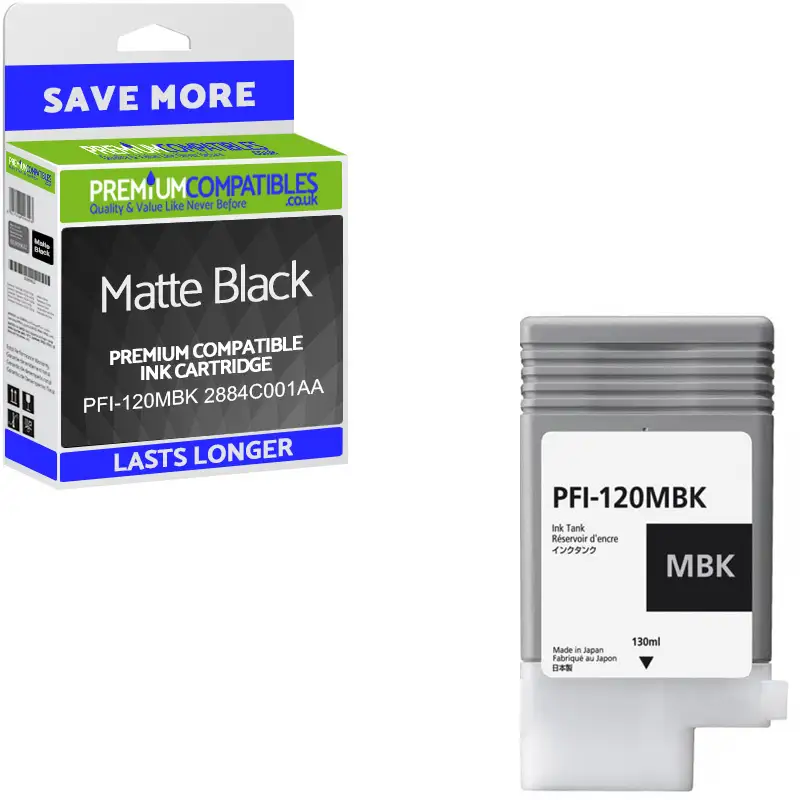
The only direct alternatives mentioned are high-yield versions of Canon’s own PFI series and third-party compatibles like 4inkjets’ matte black unit. While the latter can retail around $44.99, community consensus leans toward OEM for mission-critical work. One key difference is risk tolerance—CAD and forestry users err on OEM for precision, whereas casual hobbyists might accept compatible inks for cost savings.
Price & Value
Current market prices range widely: $76.95 on Amazon, $88.49 at Staples, $80 on eBay, and over £96 in UK listings. Resale or stock-up discounts exist for bulk orders (e.g., $98 per unit when buying five or more). Community tips stress aligning purchase timing with bulk media orders to combine shipping or qualify for seller discounts.
For professionals, the higher spend is justified through reduced maintenance issues, longevity, and consistent output. Casual users printing basic documents may not capture enough ROI, with third-party alternatives offering lower upfront costs.
FAQ
Q: Is the Canon PFI-120MBK water-resistant?
A: Yes—on compatible media. Multiple users note its resilience for outdoor prints, though full weather testing is rarely documented in reviews.
Q: Will it work with GP-series Canon printers?
A: Yes, it’s compatible with GP-200 and GP-300 models, as well as TM-series units, according to both Canon specs and buyer confirmations.
Q: How many pages can it print?
A: Estimated yield is up to 300 pages based on standard coverage. Heavier coverage will reduce total output accordingly.
Q: Does OEM prevent clogging?
A: Feedback suggests so—users highlight smoother printer operation and longer printhead life compared to non-OEM cartridges.
Q: Is installation difficult?
A: Generally no. It’s a simple swap process, though some felt instructions were basic without added tips.
Final Verdict: Buy if you’re a professional in technical, design, or outdoor print work needing precise matte black output over a wide media range. Avoid if your priority is low upfront cost for casual document printing. Pro tip from the community: Stock up during bulk or seasonal discounts to offset the OEM price premium while ensuring uninterrupted quality.





