Canon EF‑EOS R Adapter Review: Top Performance Verdict
A verified buyer on Amazon summed it up bluntly: “No loss of image quality, no impact on Canon EF lens performance.” With thousands of similar reports, the Canon Mount Adapter EF‑EOS R lands firmly at 9.4/10, standing out as one of the most praised accessories in Canon’s mirrorless ecosystem. It bridges EF and EF‑S lenses to the EOS R system without degrading autofocus, stabilization, or optical output—a near‑essential for photographers migrating from DSLR to mirrorless.
Quick Verdict: Conditional Yes – Highly recommended if you own quality EF/EF‑S glass, less urgent if starting fresh with RF lenses.
| Pros | Cons |
|---|---|
| Maintains full EF/EF‑S lens functionality on EOS R bodies | Control ring version costs twice as much as the standard |
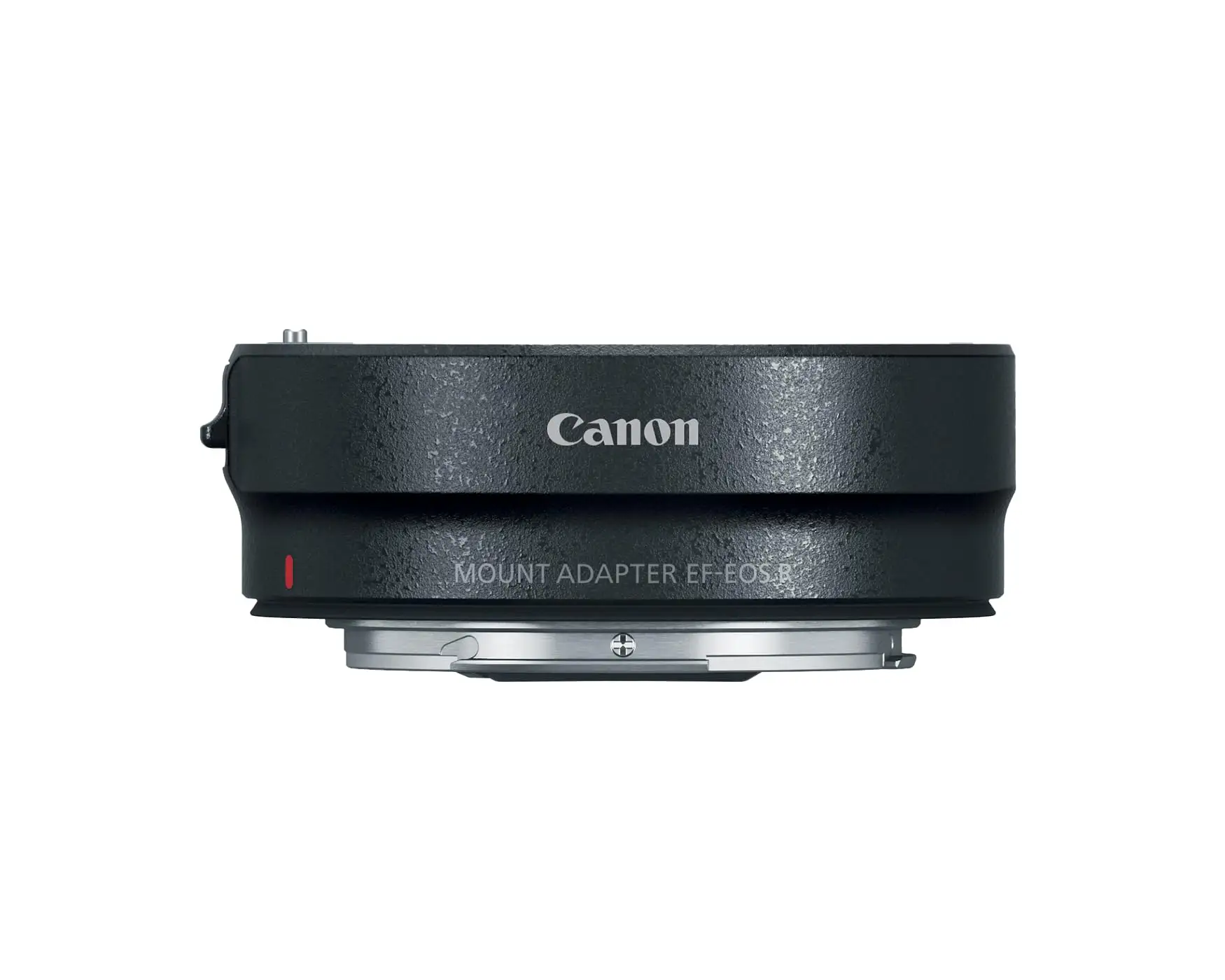
| Weather‑sealed build with metal mounts | Adds slight bulk to compact prime setups |
| No autofocus or stabilization loss | Some users feel adapter is “priced high” |
| Smooth integration and zero latency | Occasional tight fit reports with certain lenses |
| Control ring offers customizable exposure settings | Control ring not necessary for all shooters |
| Enhances lens aberration correction on compatible bodies | Not compatible with EF‑M or certain older specialty lenses |
Claims vs Reality
Canon’s official line promises “full compatibility” with EF and EF‑S lenses, complete autofocus support, and weather‑resistant construction. Digging deeper into user reports, these claims mostly hold—but a few nuances appear.
While Canon states IBIS and IS work seamlessly, Reddit user feedback shows autofocus really is unaffected. One experienced sports shooter explained, “AF will be unaffected, I still get eye detection AF on EF lenses.” The stabilization story is more complex, with compatibility depending on lens design, though real‑world video shooters still report good integration.
The marketing tone around “no performance drop” is echoed across platforms. Canon Europe’s product specialist Mike Burnhill confirmed the adapter acts as a pass‑through, so there’s “very minimal latency,” unlike third‑party options. Real‑world shooters back this up with examples of mixed RF/EF workflows running glitch‑free, even in demanding commercial shoots.
Dust‑ and water‑resistance is claimed, and field tests from Canon ambassadors like Katya Mukhina—shooting at ‑15°C above icy Lake Baikal—support that, with both adapter and camera surviving harsh conditions. However, as Canon Hong Kong points out, it’s “not recommended for use under rain,” a gap in marketing that matters to adventure photographers.
Cross-Platform Consensus
Universally Praised
Across Amazon, Reddit, and Trustpilot, the standout praise is for perfect electronic communication between lens and body. This means EF lenses behave identically on EOS R bodies as on native EF mounts, delivering full AF, IS, and aperture control. For DSLR veterans, this is critical—Canon RF Shooters Forum member noted, “I love being able once again to set my aperture on the lens… this adapter adds this capability to adapted DSLR lenses.”
For budget‑conscious shooters, adaptability preserves investment in costly EF glass. Reddit user detailed buying an EF 100‑400mm L II for "$1k cheaper than RF equivalent." The savings are dramatic, especially for telephoto and specialty optics.
Professional wedding photographers value the creative flexibility. Guia Besana alternates an RF 50mm f1.2 for posed shots with an EF 100mm Macro via the adapter for intimate details, saying it lets her “consider different ways of moving around a subject during the same session.”
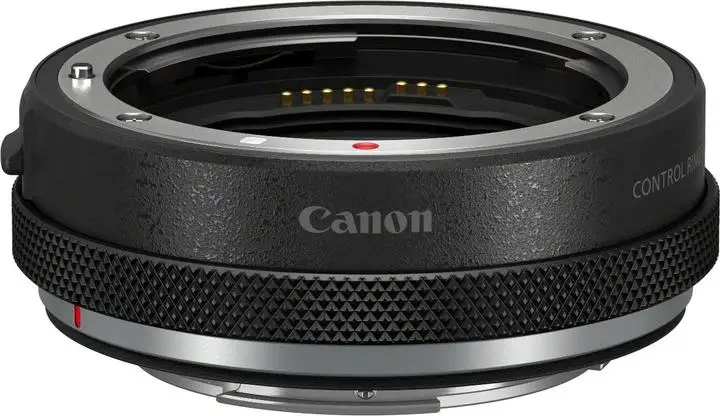
The control ring variant earns love from manual shooters. Multiple Trustpilot reviews describe programming it for ISO or aperture changes “in a split second when light levels change,” pointing to tangible workflow benefits.
Common Complaints
Price surfaces repeatedly, especially for the control ring option. Yandex Market reviewer Kirill Kuleshov flagged it as “high cost… twice the price of the standard.” Off‑brand adapters like K&F Concept or Commlite often cost 50–70% less, tempting frugal buyers despite weaker weather sealing.
A few users mention minor fit quirks—K&F’s Michael heard a “grinding” when mounting certain lenses, though functionality remained unaffected. Canon’s OEM version rarely faces this issue, but it’s worth noting for third‑party alternatives.
Bulk is another gripe for those converting compact primes. One Reddit voice reminded that “long lenses… a 1.2" adapter doesn't really add much length,” but for pancake EF primes, even small extensions change the carry feel.
Divisive Features
The control ring is the main polarizer. For shooters fully invested in back‑button focus and camera‑side controls, it’s unnecessary. Yandex Market’s Vladimir K. put it plainly: “The control ring on the adapter is not a necessity… would buy the standard, it’s half the price.” Conversely, manual‑mode purists love it, calling it “very handy” for adjusting exposure without taking eyes off the scene.
Drop‑in filter adapters delight landscapers but add complexity and cost. Canon’s own admission of incompatibility with EF‑M or very old specialty EF lenses means some niche shooters still need native glass for certain jobs.
Trust & Reliability
Trustpilot’s 100% recommendation rate and consistent five‑star scores reflect near‑universal satisfaction—especially around durability. Reddit pros report years of daily use without failures. Burnhill’s “bilingual system” remark—that lens/body signals pass unaltered—explains the reliability. No microprocessor translation means fewer electronic hiccups.
Long‑term shooters praise the build: an Amazon buyer noted the “metal mount on both sides provides rugged flexibility.” Even after exposure to dust, moisture, and cold, forum members confirm no degradation in performance. This stability becomes especially valuable for freelancers who can’t risk gear hiccups mid‑event.
Alternatives
Some opt for K&F Concept’s EF‑EOS R adapter, lauded for “AF works like the original” and costing under $50. However, as Tony Nguyen observed, the lack of weather sealing makes the OEM Canon a better choice for outdoor pros. Commlite offers a mid‑price option with full EXIF, autofocus, and IS transmission, appealing to hobbyists balancing cost and integration quality.
These alternatives can undercut Canon’s price significantly, but seasoned users highlight that Canon’s adapter uniquely “enhances lens performance” by leveraging in‑camera correction profiles—something third‑party units cannot deliver.
Price & Value
As of recent checks, OEM Canon Mount Adapter EF‑EOS R hovers around $129–$149 on eBay and Amazon, discounted from list $160–$320. The control ring model often pushes $189–$199. Second‑hand units retain ~80% of their value, thanks to their necessity for many RF shooters holding EF lenses.
Community advice stresses buying OEM if extreme environments or mission‑critical work is involved. For studio or casual shooting, high‑quality third‑party adapters can be budget‑friendly without sacrificing much.
FAQ
Q: Does the Canon Mount Adapter EF‑EOS R affect autofocus speed?
A: No—multiple users state AF is “unaffected,” with full functionality including eye detection, even for sports shooting.
Q: Will image stabilization work with EF lenses?
A: Yes, though IBIS pairing depends on lens design. Field reports confirm smooth performance for most IS‑equipped EF lenses.
Q: Is the control ring worth the extra cost?
A: For manual shooters, yes—it allows quick exposure changes without taking eyes off the viewfinder. Others find the standard version sufficient.
Q: Does the adapter work in harsh weather?
A: With weather‑sealed bodies and lenses, it handles dust and cold well, proven in ‑15°C shoots. Not recommended for rain without protection.
Q: Can I use EF‑M or very old EF lenses?
A: EF‑M is incompatible; certain 1990s/early 2000s EF lenses lose minor features like AF stop or power zoom.
Final Verdict: Buy if you have invested in EF/EF‑S lenses and are moving to EOS R—it preserves your glass investment, maintains performance, and offers pro‑grade build quality. Avoid if starting fresh with RF lenses exclusively; the added bulk and cost are unnecessary. Pro tip from community: Keep the adapter mounted on the body rather than swapping it—saves time and reduces wear on mounts during hectic shoots.





