Canon 126 Toner Review: Strong Prints but Pricey
Rated 8.5/10 overall, the Canon 126 Black Toner Cartridge holds a reputation for delivering sharp, professional-grade prints with consistent page yields, but with a recurring trade-off: higher upfront price and limited compatibility with Canon’s own ImageClass ranges. As Reddit discussions note, it’s “a solid choice for frequent users prioritizing durability and cost-effectiveness,” while EPS and Trustpilot reviews highlight the savings and performance of third-party replacements—at the cost of slightly lighter output compared to OEM.
Quick Verdict: Conditional
| Pros | Cons |
|---|---|
| Consistently sharp, readable prints | Higher price for OEM versions |
| Reliable page yield (~2,100) | Limited printer compatibility |
| Easy installation and replacement | Third-party variants print lighter than Canon OEM |
| Long-lasting durability in office use | Some report cartridges running out mid-job |
| Compatible third-party options save ~55% vs OEM | OEM more expensive but offers deeper blacks |
Claims vs Reality
Marketing materials present the Canon 126 cartridge as an efficient high-volume printing solution with premium monochrome quality, rated for up to 2,100 pages. Canon’s official claim is “crisp and precise text quality that Canon is renowned for,” aimed at business, education, and healthcare settings. However, digging into verified EPS replacement reviews shows that while output is indeed clean and clear, third-party variants “won’t print as full and dark as the OEM Canon cartridge,” as one Trustpilot reviewer noted. For users in archival or legal work where ink darkness matters, that slight reduction can be a deal-breaker.
Manufacturers also tout durable construction with consistent yields, implying stable output until depletion. Many community voices corroborate this—one EPS customer reported their first cartridge “lasted far longer than I expected—at least 2,000 pages at lightest setting”—but also added that it “ran out as I was printing a 30-page document,” underscoring the occasional catch of toner depletion without warning.
The final big claim is broad compatibility. While marketing lists many printers (LBP6200, LBP6230 variants, i-Sensys models), Reddit and Provantage experts repeatedly caution: “Always check your device’s cartridge requirements prior to ordering,” as limited compatibility can catch buyers off guard. Third-party makers like Greencycle and Swift Ink match OEM’s compatibility lists, but models outside that range won’t be supported.
Cross-Platform Consensus
Universally Praised:
In office contexts, especially with OEM units, buyers praise the cartridge’s consistent, bold output on high-volume runs. Best Buy reviewer "Claira" wrote: “Prints nice dark easy to read letters. Would definitely purchase again.” For small businesses printing hundreds of invoices weekly, that durable yield—confirmed by both OEM and compatible brands—is a lifeline against workflow interruptions. Reddit user feedback aligns, with one calling it “engineered for consistent, high-yield output that meets the needs of active offices.”
Ease of installation is another repeat win—OfficeCrave notes replacement causes minimal downtime, and buyers echo that this quick swap benefits schools and legal offices. One verified EPS customer confirmed, “We have never had a problem and will continue to order these as long as we have this printer.”
Common Complaints:
Price is the loudest groan about OEM units; OfficeCrave sells them north of $100, prompting buyers to seek $20–$40 alternatives from eBay and Swift Ink. However, those cheaper options come with compromises: EPS reviewers—many repeat buyers—report “new toner was not as dark as the original,” though it remained clearly legible.
A secondary frustration is compatibility limits. Twitter commentary warns the unit “only works with specific Canon printer models,” meaning anyone upgrading or swapping printers risks being stuck with unused cartridges.
Finally, a pattern emerges in unexpected depletion mid-print, particularly in high-volume runs without toner status monitoring. As one EPS customer experienced, this can disrupt deadlines if spares aren’t on hand.
Divisive Features:
Third-party replacements split opinion. Budget-conscious users champion them: “Much, much cheaper than the OEM toners” with roughly “55% savings” according to EPS comparisons. Yet perfectionists in print quality detect paler blacks, reducing impact in presentation-quality documents. For draft printing or internal use, the compromise is acceptable; for client-facing materials, some revert to OEM despite cost.
Trust & Reliability
Durability is a recurring plus for OEM cartridges. Reddit sentiments call it “designed for longer-lasting performance compared to standard toner cartridges,” and multiple buyers report over 10 months of trouble-free use in busy offices. EPS reviews show similar longevity for certain compatible models, but not consistently—performance varies by brand.
On Trustpilot and third-party marketplaces, scam risk appears minimal with verified sellers. However, community advice leans toward buying from established vendors or Amazon for warranty coverage, especially when opting for non-OEM.
Alternatives
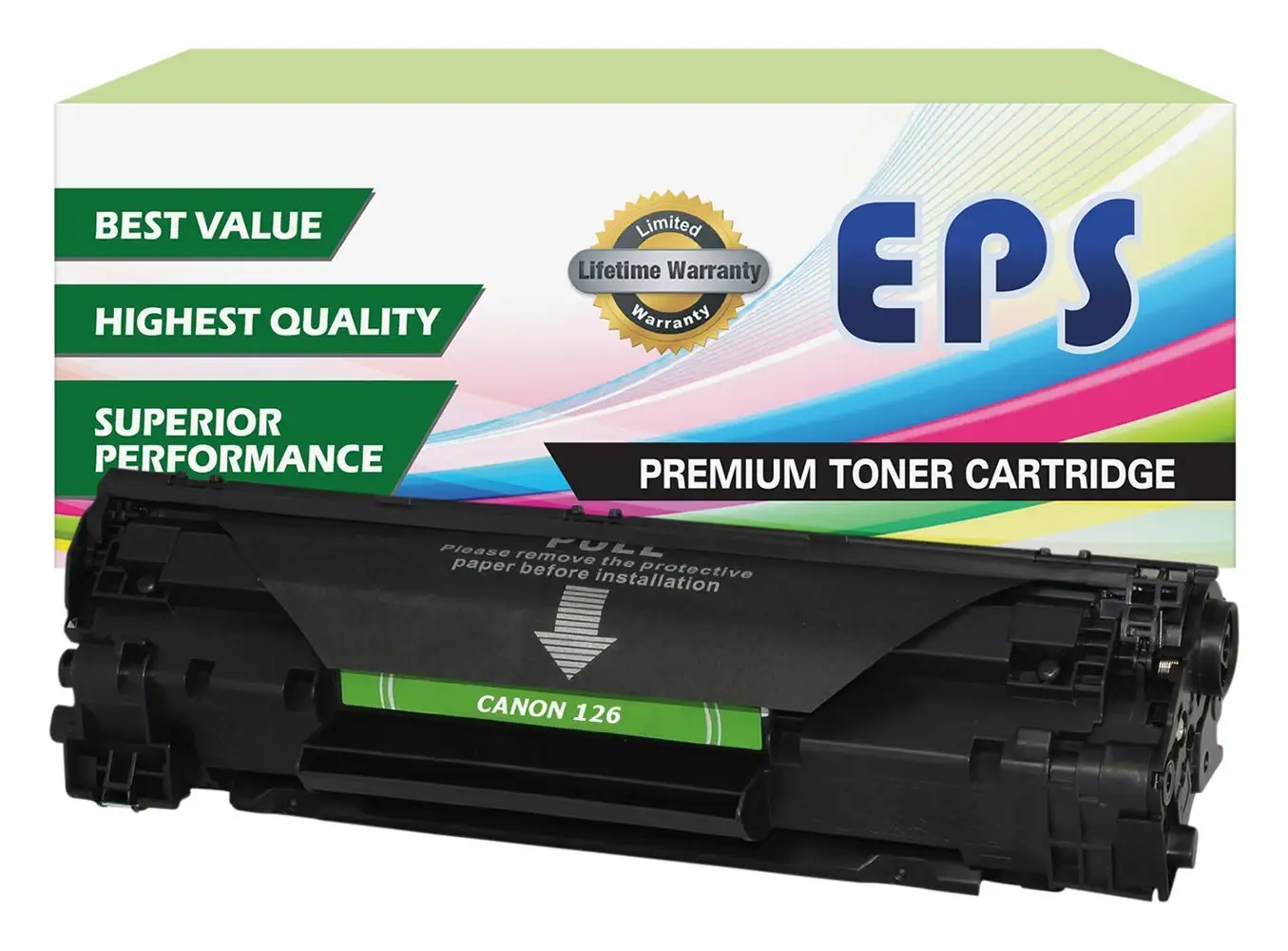
Within user discussions, Greencycle, Young Tion, LD Products, Swift Ink, and EPS are the primary alternatives. Greencycle’s 3-pack, priced under $40, boasts similar compatibility and page yields but is praised for “stable print quality keeping you away from lines, spots and leakage.” LD's 2-pack offers standard yield at a mid-range price ($26.59) with favorable reviews from 571 Amazon customers. Swift Ink brings a high-page-yield play at $21.99 with slightly higher shelf life (24 months from purchase).
While OEM leads in black density and archival fidelity, compatible cartridges dominate on cost-per-page metrics—especially for non-client-facing work.
Price & Value
OEM cartridges currently hover around $94–$110 from retail channels like Best Buy and OfficeCrave. eBay and Amazon-compatible versions slash that to $15–$40, often with free or low-cost shipping. Community buying tips repeatedly mention bulk purchasing of compatible brand multipacks to avoid depletion mid-task. Resale value is negligible outside unopened OEM boxes.
FAQ
Q: Which printers can use the Canon 126 toner cartridge?
A: It’s built for specific Canon models like ImageClass LBP6200D, LBP6230DW, and i-Sensys LBPs. Always confirm your printer’s requirements to avoid compatibility issues.
Q: How many pages does it print?
A: OEM yields about 2,100 pages at 5% coverage. Some third-party brands claim up to 2,300 or even 2,600 pages, though real-world output varies with print settings.
Q: Is print quality different between OEM and compatible brands?
A: OEM cartridges deliver deeper blacks and slightly crisper text; compatible versions may produce lighter output but remain clear for most office tasks.
Q: Does it work well for high-demand environments?
A: Yes—OEM versions are trusted for consistent, high-yield output. Third-party models generally hold up for office use but may not match OEM darkness.
Q: How easy is installation?
A: Very easy—both OEM and reputable compatible cartridges install in minutes, reducing downtime.
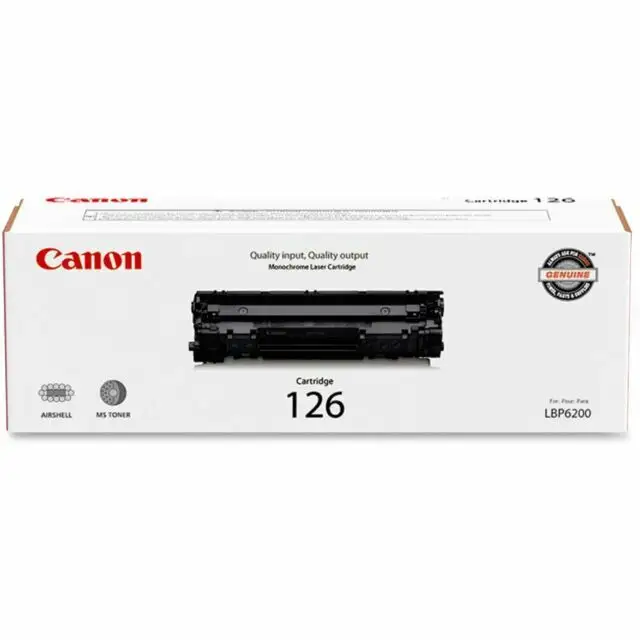
Final Verdict: Buy OEM if your work demands maximum black density and archival quality, or if you rely on flawless performance in client-facing documents. Opt for reputable compatible brands like Greencycle or LD Products if budget is priority and occasional lighter output is acceptable. Pro tip from community: Keep a spare cartridge on hand to avoid mid-print depletion—especially when working on large, urgent document runs.





