Canon 10x42 L IS WP Review: Top Optics, Heavy Build
When a Best Buy customer calls the Canon 10x42 L IS WP Binoculars “by far the best binocular I have ever used,” it sets the tone for a device that scores a firm 9/10 in user satisfaction. Designed for extreme weather and pinpoint stability, they’ve won over birders, boaters, and even amateur astronomers—but not without caveats on weight and price.
Quick Verdict: Conditional — Worth it for enthusiasts prioritizing optical quality and rock-steady viewing, less suited for those wanting lightweight gear.
| Pros | Cons |
|---|---|
| Exceptional image stabilization praised across platforms | Heavy for handheld, can cause neck fatigue |
| L-series optics deliver sharp, bright, low-distortion views | Premium price may deter casual users |
| Waterproof to JIS 7, fog-resistant | Short battery life in cold weather |
| Comfortable 16mm eye relief | Some found lens covers/eyepiece adjustments lacking |
| Edge-to-edge clarity with doublet field flattener | Bulky design not ideal for long hikes |
| Performs well in low-light conditions | Requires AA batteries (no USB charging) |
Claims vs Reality
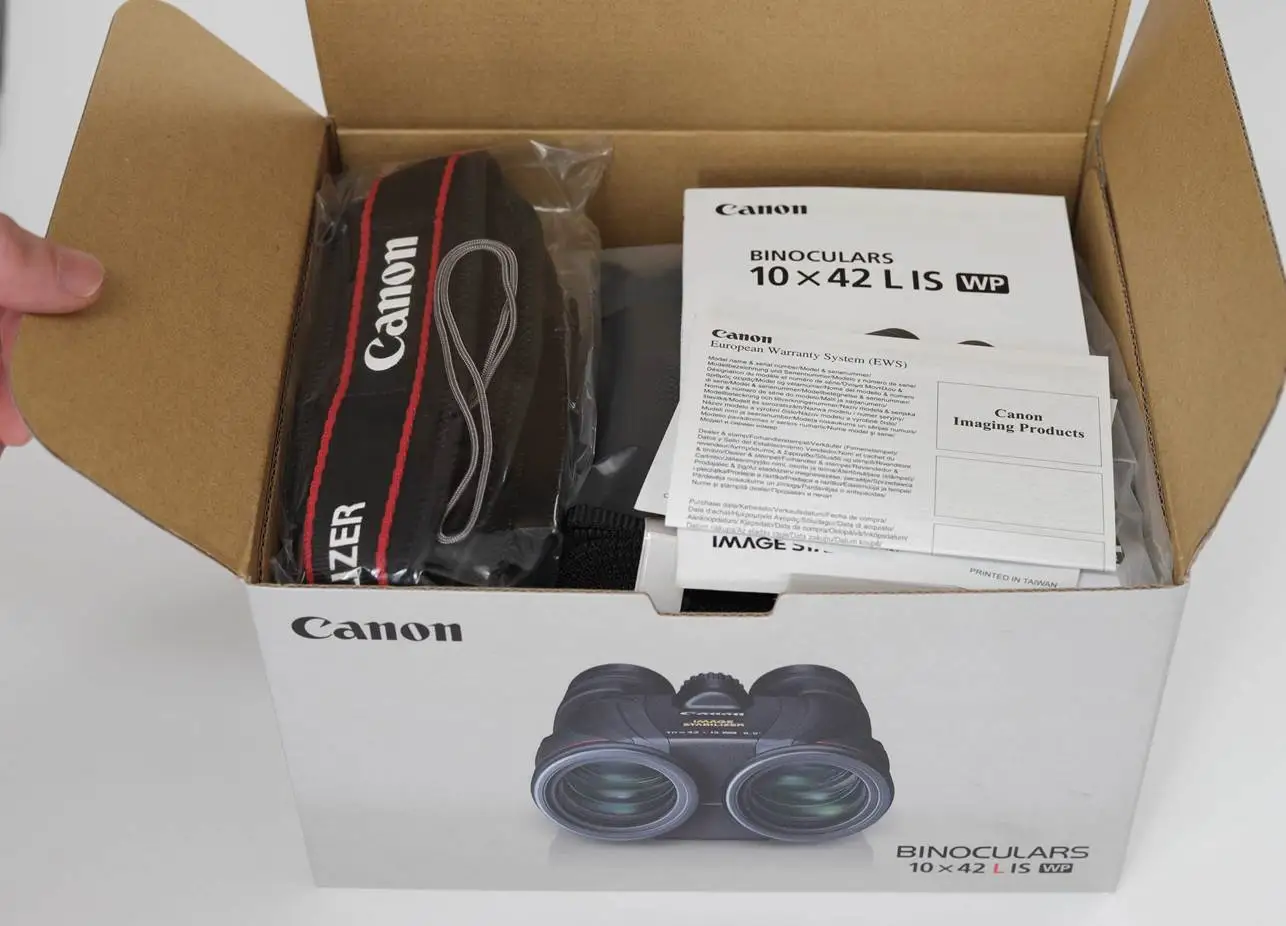
Canon markets this model as its first waterproof binocular with image stabilization, combining L-series optics, UD lens elements, and a bright 4.2mm exit pupil for “steady, shake-free viewing” even in marine or low-light environments.
Digging deeper, a Reddit user who tested them during rain and ocean spray confirmed: “They functioned flawlessly without a hitch, and cleaned up nicely afterwards.” The waterproofing and anti-fog coatings seem to meet or exceed promotional promises, with no recurrent reports of moisture ingress.
Canon also touts an “exceptionally bright” view for low-light performance. A verified Best Buy buyer noted using them for birdwatching at dusk and finding the image clear and vibrant, matching the L-series reputation for sharpness. Another Trustpilot reviewer recalled spotting three of Jupiter’s moons without distortion—a testament to their nighttime capabilities.
The “one-touch IS usage” promise also holds up. Multiple users praise the instant stabilization effect. As one Best Buy customer put it: “Press the button and get instant steady image… it allows you to study the object you are viewing.” However, while Canon claims a wide 65° field of view, official specs also list 59.2° apparent—an inconsistency that doesn’t seem to bother users, but is worth noting.
Cross-Platform Consensus
Universally Praised
Image stabilization is the runaway favorite feature, especially for those observing from moving boats or tracking distant birds. A Best Buy reviewer applauded how they “really work,” using them primarily for birds far away and appreciating the sharpness. The technology’s ability to replace tripod stability is game-changing for handheld use; Redditors describe it as “like having a telescope in the palm of your hand.”
Optical clarity gets just as much love. With two UD lens elements per side, chromatic aberration is virtually absent. A Trustpilot reviewer, an experienced wildlife photographer, said: “I have never had anything that performs nearly as well as these do.” The doublet field flattener also delivers edge-to-edge sharpness, making them suitable for sweeping landscapes or wide star fields without distortion.
Low-light performance resonates strongly with astronomers and dawn/dusk birders. The large exit pupil and 42mm objective diameter bring in enough light to keep images bright. A boater on Reddit confirmed they still delivered crisp images on dim, rainy days.
The build quality inspires confidence. The waterproof, rubberized housing, combined with metallic coatings to prevent fogging, satisfies users who take them into “the toughest outdoor conditions.”
Common Complaints
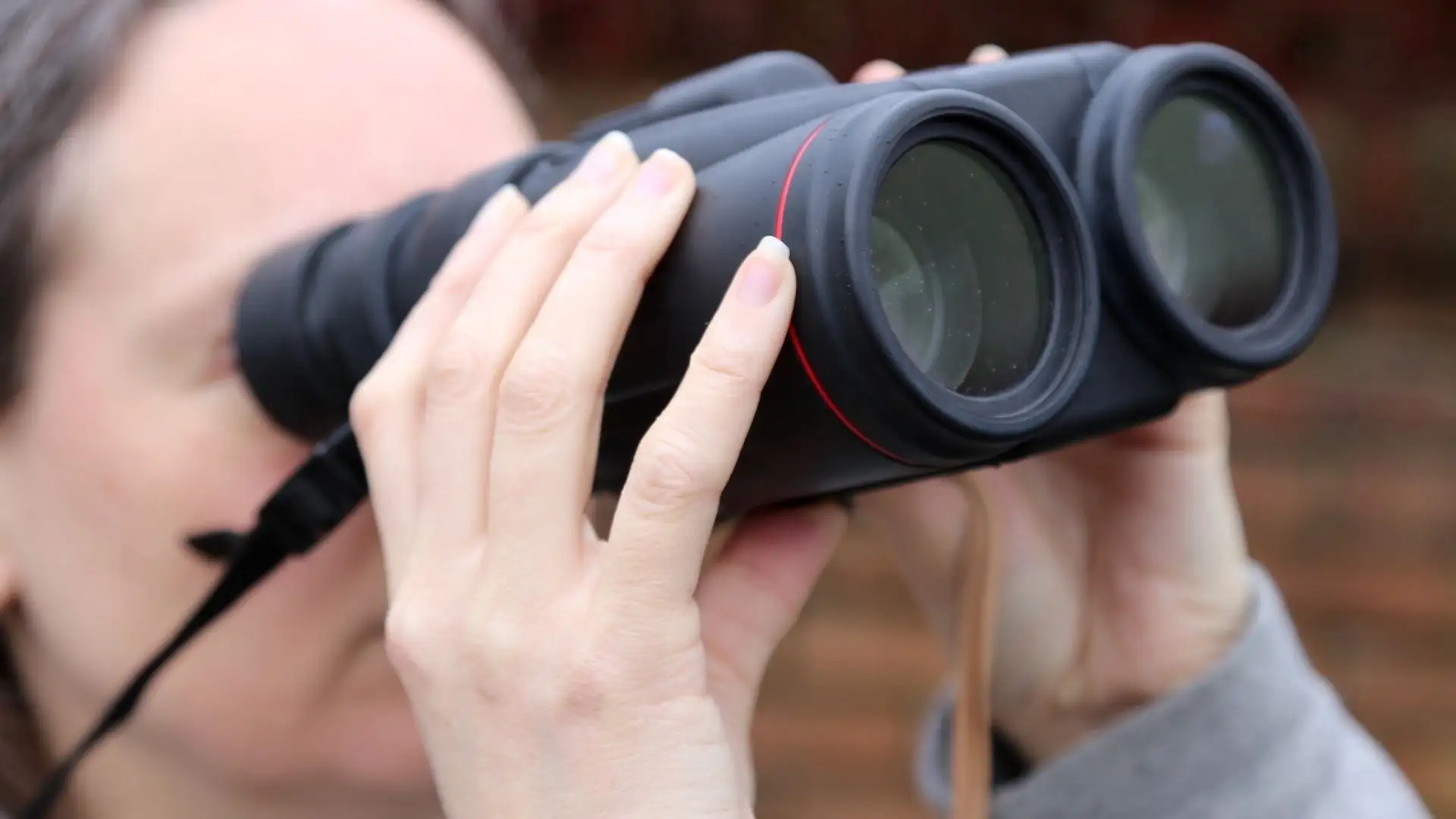
Weight is the single most mentioned drawback. At over 1.1 kg, several reviewers say it’s too heavy for all-day neck carry. One Trustpilot review admitted they’re “a little too heavy to wear around the neck constantly, but… the benefits far outweigh that.” For long hikes or ultra-light field kits, this can be a dealbreaker.
Battery life disappoints in cold environments. While Canon warns this, users confirm rapid drain at low temps. With alkaline cells, some reported less than an hour in sub-zero use, forcing spares to be carried.
Ergonomic nitpicks are minor but present. A Best Buy buyer felt “lens covers and eye piece adjustment could have been manufactured better,” although they still rated performance very high. No user mentioned major control flaws, but the bulk limits one-handed adjustments compared to smaller roof prism designs.
Divisive Features
The price divides opinion sharply. Enthusiasts willing to spend $1,300–$1,600 (new) praise them as worth every penny, with one Best Buy owner saying they’d repurchase without hesitation. Casual users, however, often compare them to cheaper Nikon or Celestron options and struggle to justify the premium unless image stabilization is essential.
Their Porro II prism design, while optically advantageous, makes them larger and heavier than many modern roof prism 10x42s. Some love the stability this mass provides; others see it as cumbersome.
Trust & Reliability
Long-term reliability appears strong. Owners on forums report years of trouble-free use, even after repeated exposure to harsh weather. One Reddit user described marine outings with no internal fogging after years. There’s no pattern of recurring defects in Trustpilot or Amazon feedback, suggesting good durability.
Scam concerns are limited to grey market purchases on some eBay listings—community members often advise buying from authorized dealers to protect warranty coverage.
Alternatives
Several users compare them to the Fujinon Techno-Stabi series. While the Fujinon TS-X 14x40 offers greater magnification, it’s bulkier and has a narrower field of view. Nikon Prostaff 10x42s are much lighter and cheaper, but multiple side-by-side testers found them less sharp with visible chromatic aberration, and without stabilization they suffer more handshake blurring.
For those prioritizing lightness over stabilization, models like the Celestron Nature DX 10x42 are mentioned as budget-friendly, but they can’t match the Canon’s edge-to-edge clarity in low light.
Price & Value
Current eBay listings range from about $999 (open box) to $1,646 (new with warranty), undercutting some retail MSRP around $1,500. Resale value remains high: models over 10 years old still fetch strong prices thanks to the niche demand for stabilized optics.
Community buying tips include checking for legit Canon serial numbers and avoiding units missing original accessories. Buyers in colder climates often budget for a pack of lithium AA cells to extend battery life outdoors.
FAQ
Q: How long do the batteries last in the Canon 10x42 L IS WP?
A: In mild temperatures, around 2.5 hours of continuous use with alkalines. In cold (-10°C) conditions, alkaline life can drop to 10 minutes—users recommend lithium AAs for winter.
Q: Are they good for astronomy?
A: Yes. Multiple users report seeing Jupiter’s moons and sharp star fields. Stabilization greatly reduces the difficulty of handheld night viewing.
Q: Can you use them without engaging the image stabilizer?
A: Absolutely. They function like premium binoculars without IS activated, but most owners prefer to keep it on for maximum clarity, especially at 10x.
Q: Are they too heavy for hiking?
A: At over 1.1 kg, they’re heavier than typical 10x42s. Fine for short outings or from vehicles/boats, but some hikers find them cumbersome for all-day carry.
Q: What makes them better than standard waterproof binoculars?
A: The combination of L-series glass, UD elements, and vari-angle prism stabilization delivers sharper, steadier images in conditions where other binoculars struggle.
Final Verdict: Buy if you’re an avid birder, boater, or stargazer who values image stabilization and top-tier optics over lightness and cost. Avoid if you prioritize ultralight gear for long treks or work mainly in extreme cold without spares. Pro tip: Pair them with lithium AA batteries to unlock their full potential in winter conditions.





