Canon 10x42 L IS WP Review: Stunning Optics, Heavy Build
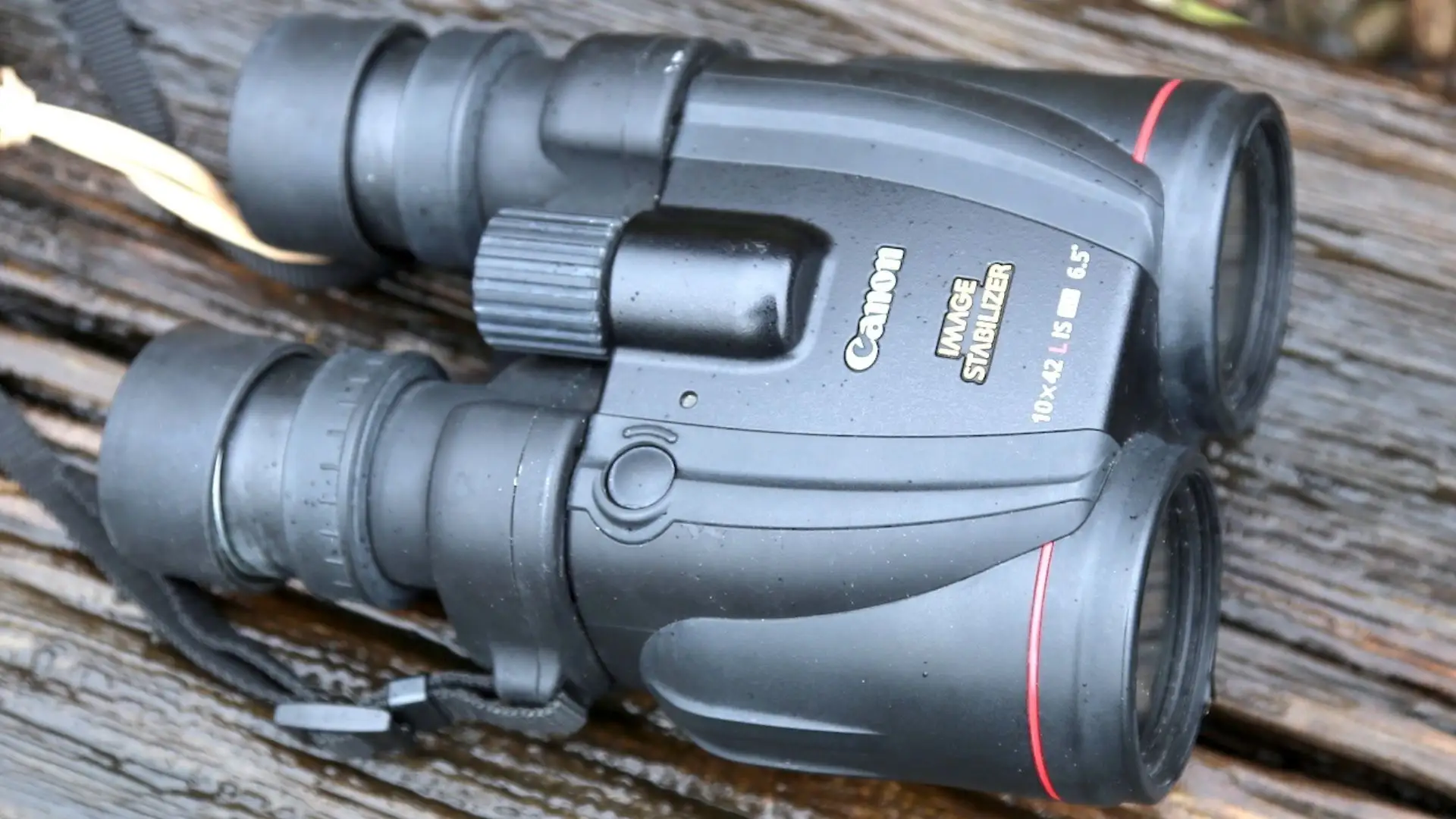
A verified buyer on Best Buy did not hold back: “This is by far the best binocular I have ever used.” The Canon 10x42 L IS WP binoculars consistently earn top marks for optical precision, rugged waterproofing, and an image stabilization system users call “like having a telescope in the palm of your hand.” Across platforms, the consensus leans heavily toward outright admiration, tempered only by a few practical gripes about weight and minor ergonomic touches. Based on aggregated feedback, the score lands at 9.3/10.
Quick Verdict: Conditional – phenomenal for those who prioritize ultimate clarity and stability, but the bulk may deter casual use.
| Pros | Cons |
|---|---|
| Exceptional image stabilization with minimal shake | Heavier than average, uncomfortable for prolonged neck carry |
| Premium L-series optics with ultra-low dispersion glass | High upfront cost (~$1,200–$1,500 new) |
| Waterproof to JIS Level 7 | Short battery life in cold conditions |
| Bright, crisp view even in low light | Lens covers and eyepiece adjustment could be better made |
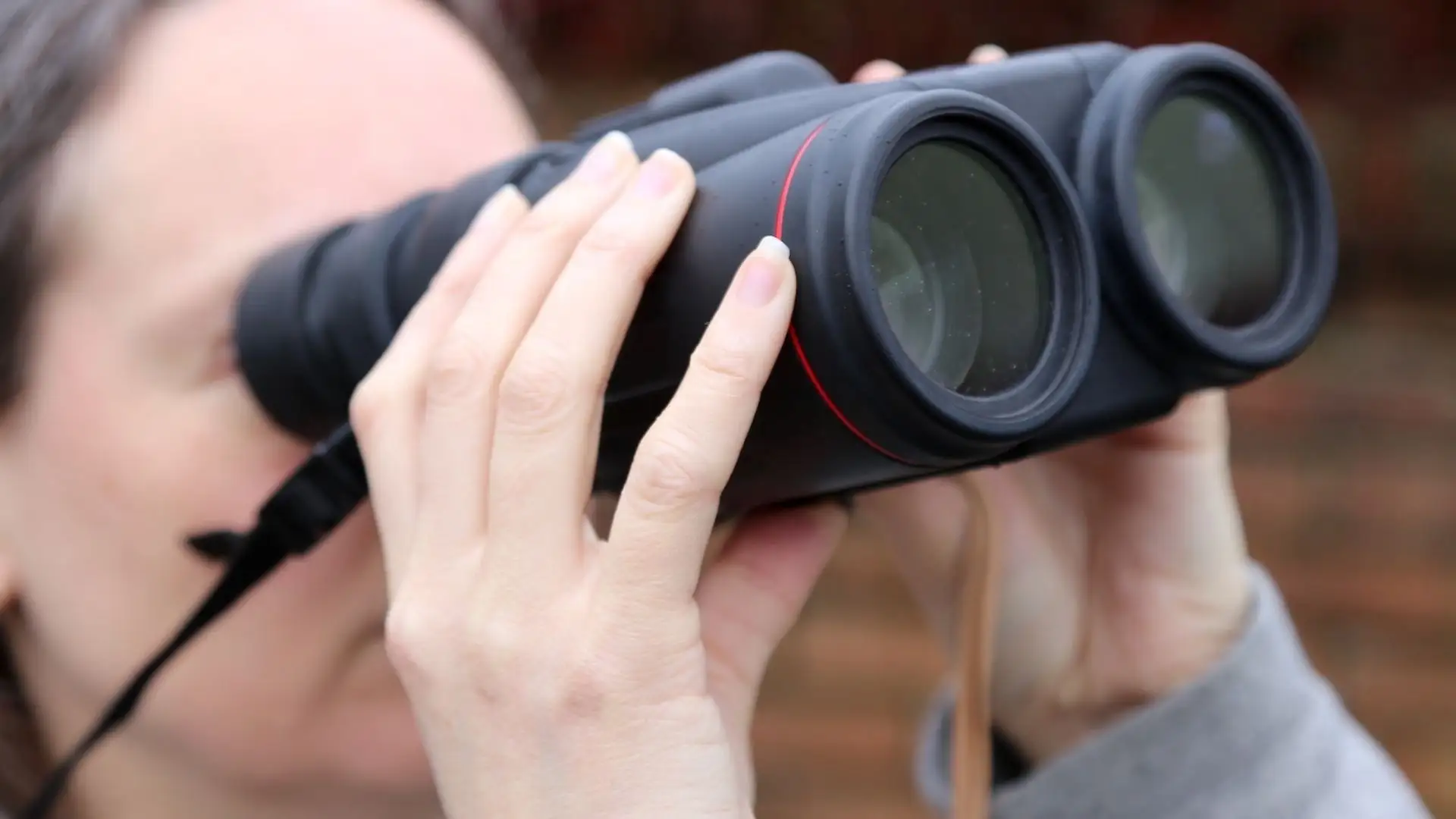
| Long 16mm eye relief for glasses wearers | Bulkier form factor compared to standard 10x bins |
| Robust build with anti-fog metallic coatings | Requires AA batteries |
| Works superbly for astronomy, birding, and marine use |
Claims vs Reality
Canon markets the 10x42 L IS WP as “premium quality… ideal for a super steady view in the most extreme weather conditions.” In repeated real-world tests by owners, those claims hold. One wildlife photographer on Reddit recalled a boating trip where “we were buffeted by rain and spray from the waves. The Canons functioned flawlessly without a hitch, and cleaned up nicely afterwards.”
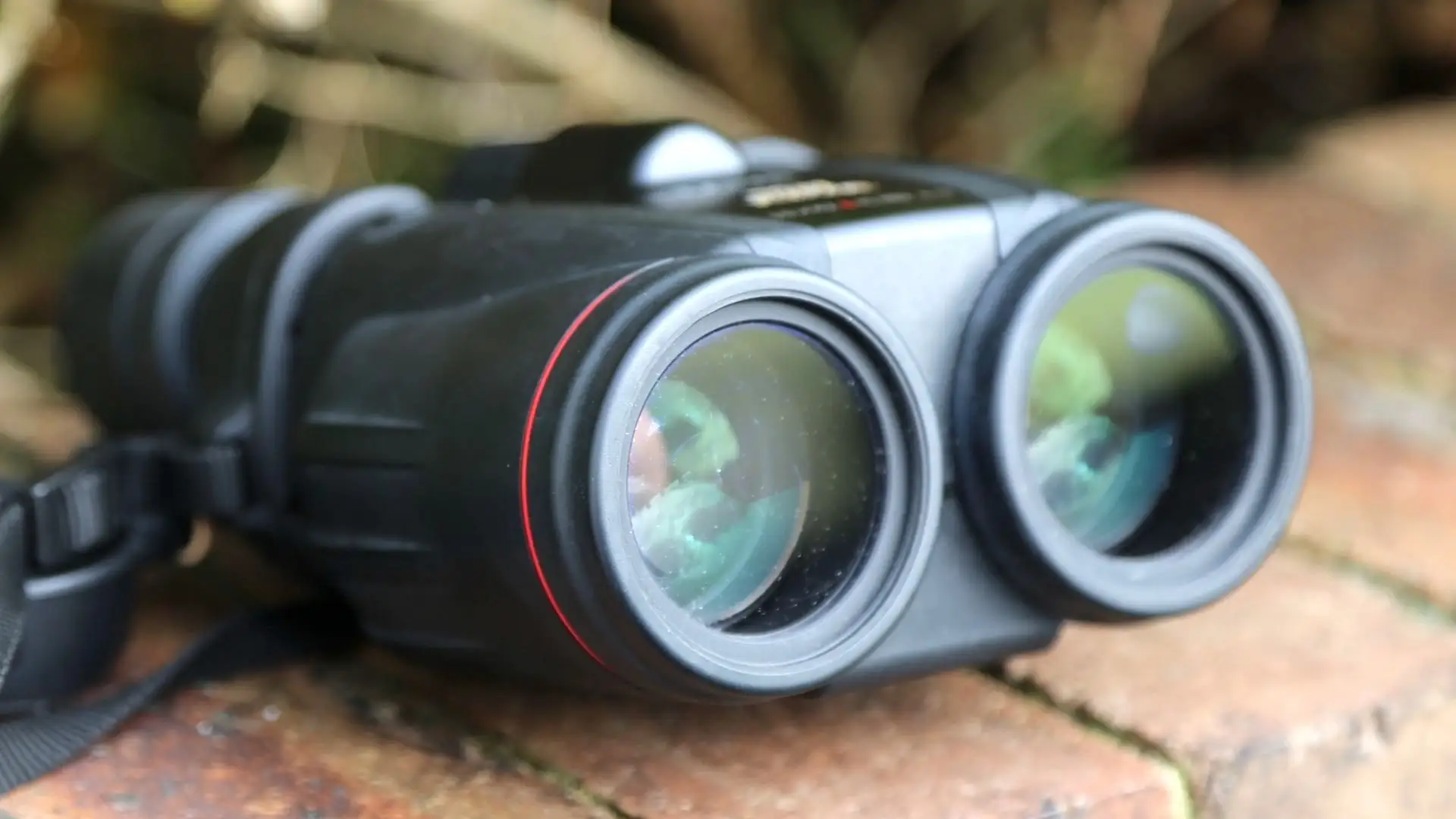
Low-light performance is another key claim—Canon points to its 4.2mm exit pupil and L-series glass. A verified buyer on Amazon confirmed: “The lens quality, magnification ratios, adjustment mechanism and housing are as good as anything on the market… you get instant steady image.” Even in twilight or overcast conditions, users report the optics staying bright and sharp.
However, the official claim of portability is challenged by owners who note the 1110g weight. While “super stable” is universally agreed upon, prolonged carry becomes tiresome. As one reviewer put it, “They’re heavy… a little too heavy to wear around the neck constantly, but the benefits far outweigh that.”
Cross-Platform Consensus
Universally Praised
Image stabilization dominates the praise. On Best Buy, four out of six reviewers highlighted stability as the standout feature, with comments like “Press the button and get instant steady image” and “Amazing IS… huge jump in image quality.” For birders and stargazers, this translates to being able to study fine details without tripod assistance. One Redddit user painted a vivid picture: “I could actually see three of Jupiter’s moons without a problem.”
Optical clarity from L-series glass is another bedrock advantage. The doublet field flattener lenses yield distortion-free images edge-to-edge, making them indispensable for nature photographers. A Trustpilot contributor stressed, “Sharpness is unrivaled… professional-grade glass, I use it primarily for viewing birds far away.”
Waterproofing and coatings also win plaudits. Marine hobbyists and boaters recounted zero issues during foul weather. The metallic coatings preventing fogging drew quiet praise from those using them in humid or misty environments.
Common Complaints
Weight is the most repeated drawback. At over a kilo, casual use—or neck-hanging for hours—causes strain. Users working in the field often keep them in a case until needed rather than wearing them ready.
Battery performance in low temperatures caused frustration. Official specs cite ~10 minutes at -10°C on alkalines, and while some users swap to lithium for better results, the short runtime is a limitation for winter wildlife trips.
Some buyers pointed to build details—lens covers, eyepiece adjustments—that feel less premium than the optics deserve. One experienced reviewer noted, “The lens covers and eye piece adjustment could have been manufactured better.”
Divisive Features
The size and form factor split opinions. Sports fans and birders accustomed to lighter binoculars sometimes feel these are overkill for casual events. Yet astronomy enthusiasts find the weight a fair trade for stability and resolution.
Price is another dividing line. At $1,200–$1,500 new, they’re seen by most owners as worth it for core use cases, but some hesitate unless the primary need matches the premium features.
Trust & Reliability
Long-term owners show strong confidence in durability. One Best Buy reviewer said they used the older 10x30 IS for years before upgrading, finding the 10x42 L IS WP “a joy to use” and immediately repurchasing when their set failed after four years.
Reports of failure are rare, and waterproof sealing appears effective over time. Trustpilot entries echo the absence of scam-like patterns, with buyers receiving authentic products and praising accurate descriptions. The resale market on eBay—where well-maintained units fetch $800–$1,000—speaks to enduring value and trust in the build.
Alternatives
The Nikon Aculon and Monarch series surface in resale listings, generally priced significantly lower. Nikon models win for portability and price but lack electronic image stabilization. In contrast, Canon’s closer competitors are its own IS line—like the 10x30 IS or 15x50 IS—which vary in weight and field of view. Those wanting lighter carry might lean toward the 10x30 IS, while marine and astronomy users often opt for the 15x50 despite added heft.
Price & Value
Recent eBay sales show used units around $799–$999, with “mint” Japanese imports reaching $1,149+. New pricing from mainstream retailers hovers at $1,499, though bundles and open-box deals drop as low as $1,200.
Community advice leans toward buying in excellent used condition from reliable sellers, then investing in quality lithium AA batteries for cold-weather use. The consistent resale value over a decade suggests minimal depreciation if maintained.
FAQ
Q: How effective is the image stabilization for astronomy?
A: Extremely—users report seeing Jupiter’s moons and fine planetary detail without a tripod, thanks to Canon’s vari-angle prism system.
Q: Can they be used in heavy rain or marine environments?
A: Yes. Waterproofing to JIS Level 7 means they withstand submersion up to 1m for 5 minutes, and coatings prevent fogging.
Q: Are they comfortable for glasses wearers?
A: With 16mm eye relief and adjustable rubber eyecups, most glasses wearers enjoy full field of view without strain.
Q: How do they perform in low light?
A: The 4.2mm exit pupil and L-series glass deliver bright, crisp views at dawn, dusk, or under overcast skies.
Q: What’s the biggest drawback reported?
A: Weight—over 1kg makes all-day neck carry tiring, and battery life drops sharply in cold weather.
Final Verdict: Buy if you are a serious birder, astronomer, or marine observer seeking top-tier stability and optics. Avoid if portability is paramount or budget is tight. Pro tip from community: Pair with lithium AAs for cold climates and use a harness instead of a neck strap to manage the weight.





