Canon 10x42 L IS WP Review: Stability vs Portability
A birdwatcher described the Canon 10x42 L IS WP Binoculars as “like having a telescope in the palm of your hand,” capturing three of Jupiter’s moons without a tripod. With an aggregated score of 4.3 to 4.8/5 across platforms, field reports show these binoculars excel in optical clarity and image stabilisation, while their weight and price spark debate. Rating: 9/10 for those prioritizing stability and image quality over portability.
Quick Verdict: Conditional — best for stationary wildlife observers, marine use, and astronomy enthusiasts who can manage the weight and cost.
| Pros | Cons |
|---|---|
| Superb image stabilisation produces shake-free views | Heavy for prolonged hand-held use |
| L-series optics with exceptional sharpness and color fidelity | Premium pricing near $1,500 new |
| Effective low-light performance with 4.2mm exit pupil | Eye piece and lens cover quality questioned |
| Fully waterproof to JIS 7 standard | Short battery life in cold weather |
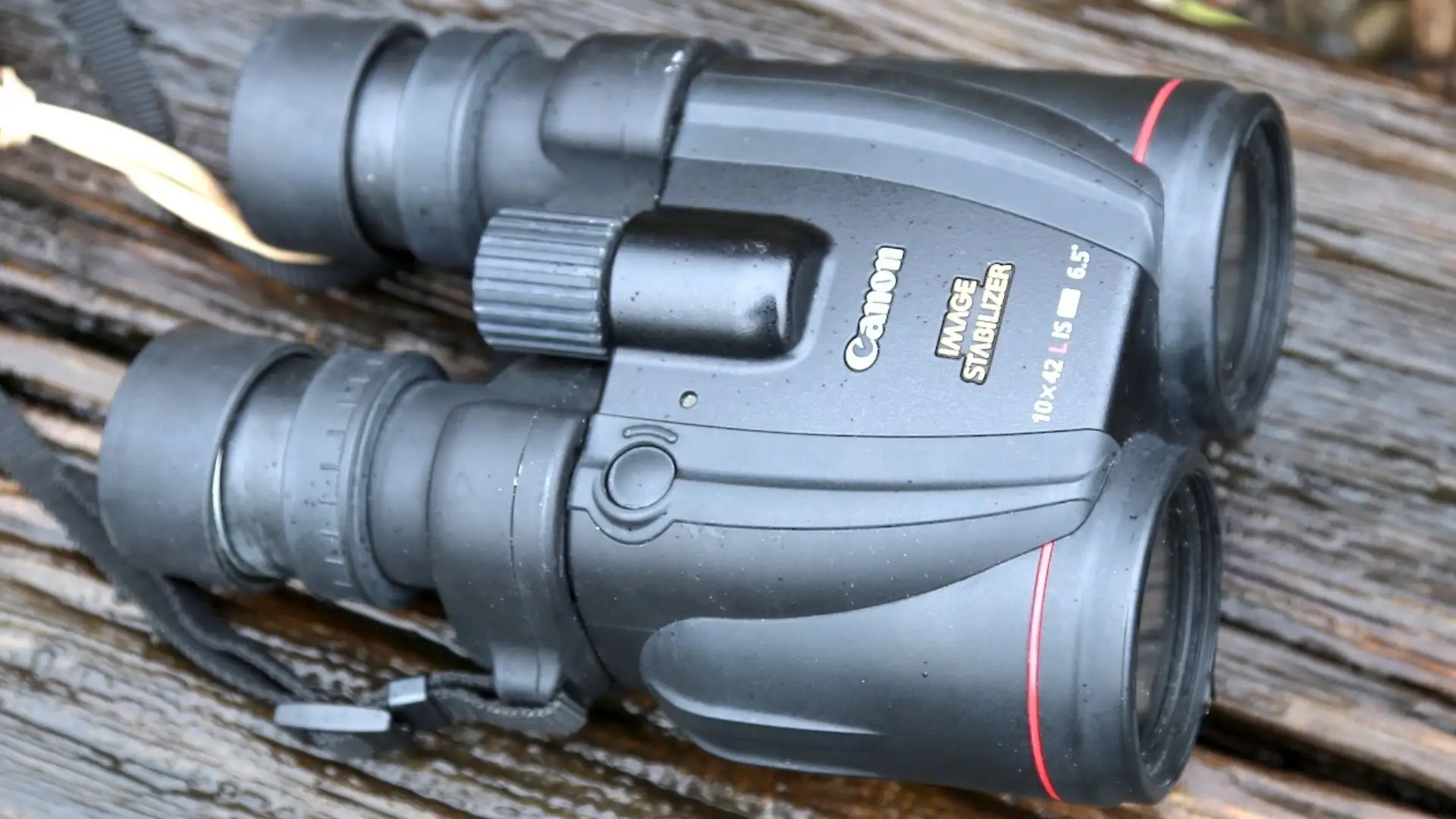
| Comfortable 16mm eye relief for glasses wearers | Not as compact as roof prism models |
Claims vs Reality
Canon markets these as the first waterproof binoculars with image stabiliser tech, touting L-series glass, a bright exit pupil, and performance in extreme conditions. The manufacturer promise of “remarkably stable field of view” drew much attention from marine and stargazing communities.
On the ground, owners largely confirm these boasts. A verified Best Buy buyer noted: “Press the button and get instant steady image. This allows you to study the object you are viewing.” Another Trustpilot reviewer called the image stability “amazing,” citing a seamless transition from older models. Reddit threads echo this, with long-term users confirming that even from moving boats the IS keeps targets locked.
For low-light capability, Canon claims the 4.2mm exit pupil “gives a bright field of view even in lower light.” Field users agree: one nature photographer reported spotting detail in dim sunset conditions that eluded cheaper rivals. That said, cold weather affects performance — battery life drops from 2.5 hours at 25°C to mere minutes at -10°C, a fact that backcountry hikers have pointed out as an operational limit.
Cross-Platform Consensus
Universally Praised
The image stabilisation is the unanimous highlight. For offshore sailors, the stabiliser cancels wave-induced shake, while birders praise it for tracking fidgety subjects. A Best Buy reviewer shared: “This is by far the best binocular I have ever used.” Canon's vari‑angle prism and gyro sensors seem to deliver exactly what’s promised, proven by reports of clear views even from moving vehicles.
Optical quality receives similar acclaim. Trustpilot reviewers cite the L-series UD lenses as producing “stunningly crisp” and color-accurate images, with minimal distortion edge-to-edge. For astronomers, Reddit anecdotes include identifying Jupiter’s moons and surface detail on the moon without auxiliary optics.
Comfort features like the 16mm eye relief were important to glasses wearers. Several users on review platforms noted that the adjustable rubber eyecups made extended observation comfortable — a point not always true for high-magnification glass.
Common Complaints
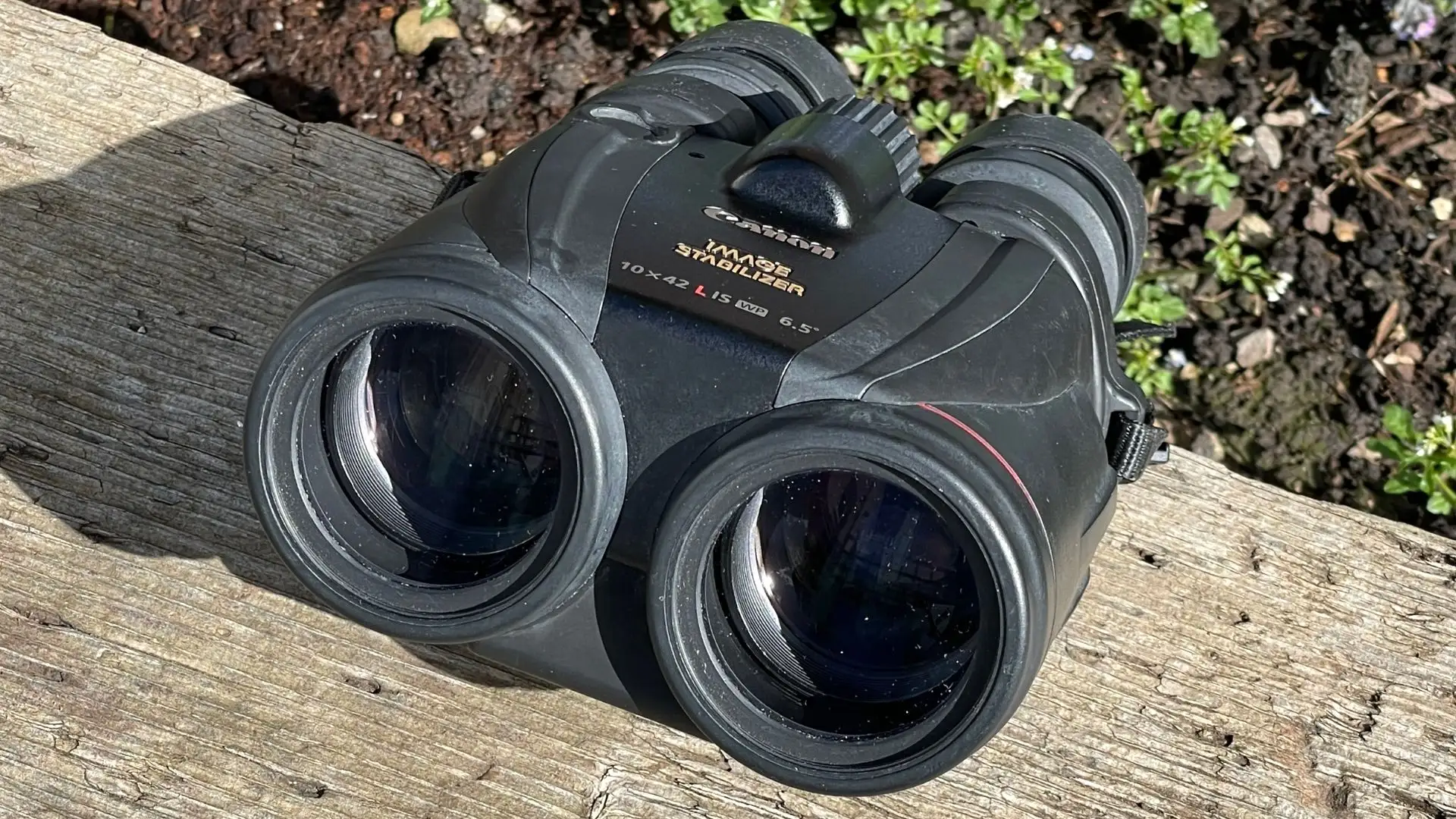
Weight, at over 1.1kg, is the most cited drawback. One blog reviewer admitted they were “a little too heavy to wear around the neck constantly,” although this was offset by performance when in hand. Hikers and travelers planning long days afield may find them burdensome compared to lighter roof prism binoculars.
Accessory quality gets singled out — particularly lens covers and the eyepiece adjustment. A verified buyer noted these “could have been manufactured better, but aren’t significant.” For a product at this price point, buyers expected more robust fittings.
Battery performance in cold conditions is a practical limitation for outdoor winter use. While stabilisation can be toggled, some users in northern climates described carrying spare AA batteries as essential, especially for early morning birding or night astronomy in sub‑zero temperatures.
Divisive Features
Size is a love-or-hate factor. Some marine observers and stationary wildlife spotters value the heft for stability, even calling it reassuring in rough seas. Others, used to compact hiking binoculars, feel bulk undermines portability.
Price sparks debate: enthusiasts and professionals often consider it “worth every penny” per Best Buy reviews, while casual hobbyists balk and point to inexpensive 10x42s that, while lacking IS, are dramatically lighter and cheaper.
Trust & Reliability
No patterns of scam sales emerged from major retailers; eBay listings show a healthy second-hand market with honest condition descriptions. Long-term durability stories stand out. One wildlife photographer’s unit survived years of boat trips, direct salt spray, and still “functioned flawlessly without a hitch.” Another user replaced a failed older unit after four years without hesitation, indicating trust in Canon’s build quality and support.
Waterproofing claims meet real-world verification. Reports confirm survival under heavy rain and marine spray, with fog-resistant coatings working as advertised. Importantly, no widespread lens fogging or ingress issues were reported, supporting the JIS 7 waterproof rating.
Alternatives
Competitors mentioned include Fujinon’s Techno-Stabi series (14x40) and Nikon Prostaff models. Fujinon edges ahead on magnification but lags in low-light performance due to smaller objective lenses; its IS tech is praised but comes at the cost of a narrower field of view. Nikon Prostaff 10x42 offers a lighter, budget-friendly option under $200 but without stabilisation — a key compromise for those prioritising sharpness in motion.
For marine or astronomy use, users consistently rate the Canon above these alternatives for image steadiness. For hikers prioritising weight and portability over stabilisation, Nikon’s roof prisms remain appealing.
Price & Value
As of current listings, prices range from around $799 used to $1,500+ new, with rare peaks above $1,700. Pre‑owned units routinely sell near $1,000, indicating strong resale value. eBay data show quick sales for well‑maintained models with original caps and case.
Community buying tips stress patience — waiting for reputable sellers offering “open box” or mint-condition used units can net 20‑30% savings. Given durability, second-hand purchases are considered low risk if sourced from trusted retailers or highly rated sellers.
FAQ
Q: How long do the batteries last when using image stabilisation?
A: Around 2.5 hours at room temperature with alkaline AAs, but cold weather can cut this drastically to about 10 minutes at -10°C. Many users carry spare lithium AAs for extended cold-weather sessions.
Q: Are these binoculars suitable for glasses wearers?
A: Yes — the 16mm eye relief and adjustable eyecups are widely praised for accommodating glasses comfortably without losing field of view.
Q: Can the Canon 10x42 L IS WP be tripod mounted?
A: Yes. While many hand-hold them, multiple users report using a tripod about half the time for long static obsessions, particularly in astronomy.
Q: How do they perform for stargazing?
A: Extremely well. Users have reported clearly viewing lunar detail and even Jupiter’s moons without a telescope, thanks to stabilisation eliminating shake from handholding.
Q: What’s the waterproof rating, and is it reliable?
A: Rated JIS grade 7 — immersion up to 1m for 5 minutes. Field users confirm this, citing years of marine use with no water ingress.
Final Verdict: Buy if you’re a serious birder, mariner, or astronomy enthusiast who values stabilised, distortion-free views and is willing to manage weight and price. Avoid if ultralight portability is your highest priority. Pro tip: Bundle purchase with a quality harness to offset weight for extended outings.





