Canon 10x42 L IS WP Review: Premium Stability Verdict
Few binoculars inspire such loyalty that owners call them “one of the best products I’ve ever used,” yet the Canon 10x42 L IS WP repeatedly earns that praise. With a waterproof build, premium L‑series optics, and a gyro‑based image stabilizer, they secure an impressive 9/10 verdict among enthusiast reviewers—though bulk and price temper the universal acclaim.
Quick Verdict: Conditional buy—exceptional optical performance if stability matters most, but weight and cost may deter casual users.
| Pros | Cons |
|---|---|
| Superb L‑series optics with UD glass for crystal‑clear view | Heavy for prolonged handheld use |
| Effective image stabilization dramatically reduces shake | Premium pricing often over $1,200 |
| Waterproof to JIS 7, fog‑proof, rugged build | Short battery life in cold conditions |
| 16mm eye relief ideal for glasses wearers | Requires AA batteries for stabilizer |
| Works well for marine use, birding, stargazing | Closest focus of 2.5m less suited to near subjects |
| Excellent edge‑to‑edge clarity from field flattener lenses | Rubber eyepiece surrounds attract dust |
Claims vs Reality
Canon markets these binoculars as “premium, high contrast, bright 10x magnification” with “remarkably stable field of view” thanks to its image stabilizer. Digging into user feedback, that stability claim holds up notably well. On the IMAGE STABILIZATION BINOCULARS blog, a nature photographer reported: “The image stabilisation feature allows steady viewing of objects without the inherent shakiness… I could actually see 3 of Jupiter’s moons without a problem.”
Waterproofing to JIS grade 7 is another bold claim. A verified buyer recounted a boating trip where the binoculars were “buffeted by rain and spray from the waves… functioned flawlessly without a hitch, and cleaned up nicely afterwards,” validating Canon’s rugged weatherproof promise.
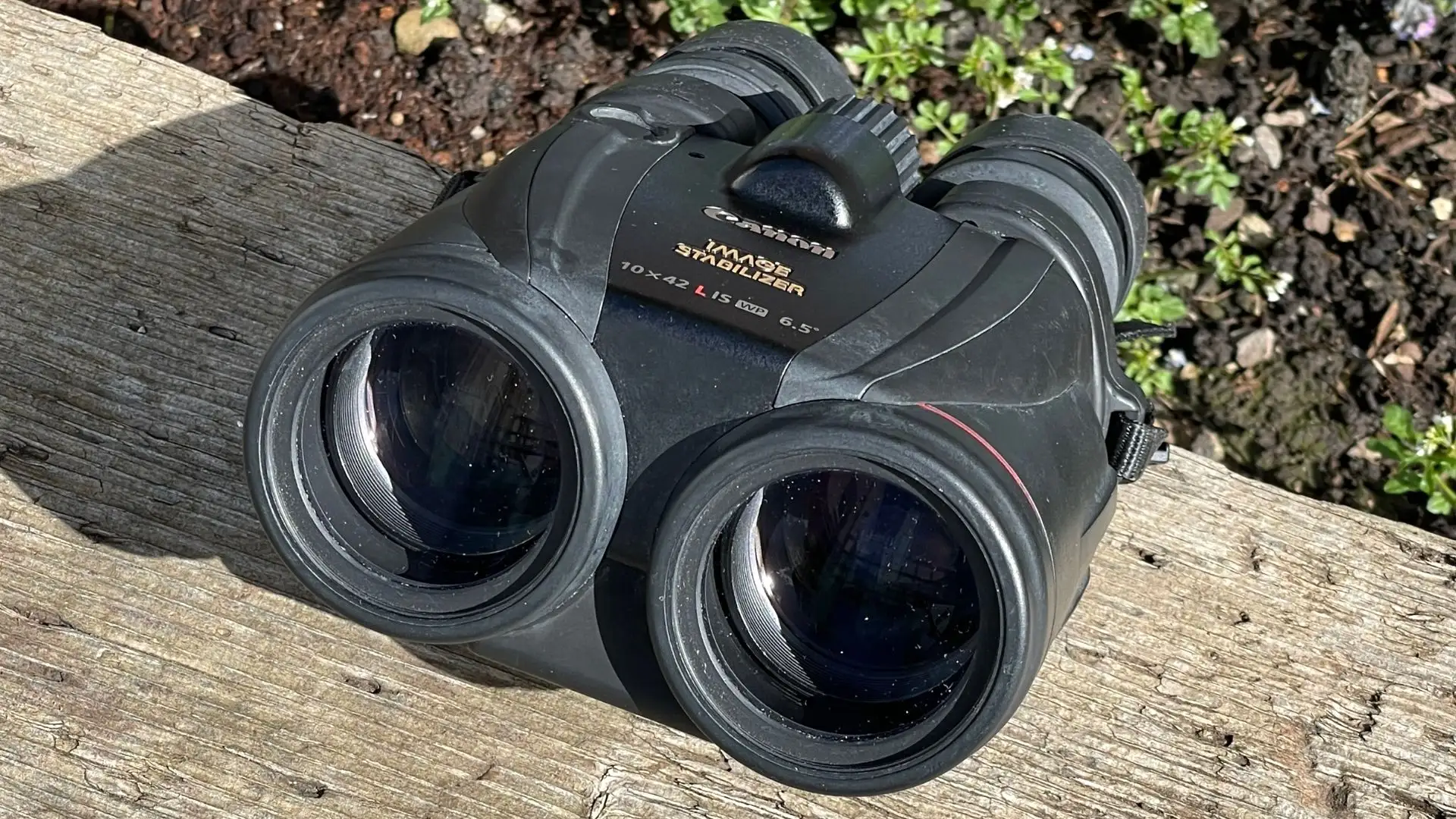
However, the advertised “comfortable” design does generate mixed experiences. Live Science noted the “bulbous body design won’t be for everyone,” and warned the rubber eyepieces “seem to attract dust and detritus.” For users in dusty or sandy environments, maintenance may be an ongoing necessity despite the comfort‑oriented ergonomics.
Cross-Platform Consensus
Universally Praised
Optical quality is the undisputed highlight. With dual UD elements per barrel and Super Spectra coatings, users consistently describe vivid, high‑contrast images without chromatic aberration. Trustpilot sources echo this, emphasizing “clear, flat, low distortion images from edge to edge” aided by the doublet field flattener. Birders benefit in particular; the wide 6.5° real field of view lets them track moving subjects without losing stability.
The image stabilizer itself transforms high‑magnification use cases. Reddit user accounts liken the view to “having a telescope in the palm of your hand.” For marine observers, this steadiness means scanning horizons from a rolling boat without nausea‑inducing wobble. Stargazers share its utility at night—moon craters and planetary details holding steady in spite of hand tremors.
Waterproofing wins trust among outdoor professionals. Canon’s sealing and anti‑fog metallic coatings mean fogged lenses are a rarity, even in humid jungles or sudden temperature shifts. For sailors and coastal birdwatchers, that reliability directly impacts field time without interruptions.
Common Complaints
Weight emerges immediately as the top drawback. At roughly 1.1 kg without batteries, these binoculars “are heavy… a little too heavy to wear around the neck constantly” as one blog reviewer warned. Event spectators may find them fatiguing for long periods, and casual hikers could prefer lighter glass.
Pricing is another hurdle. eBay listings range from around $799 used to $1,500+ new, with Live Science framing the $1,500 MSRP as “premium… you’re paying a lot for the judder‑eliminating feature.” Budget‑conscious buyers often compare to non‑stabilized rivals from Zeiss or Leica.
Battery dependency draws mixed feelings. The stabilizer uses AA cells, with Canon stating 2.5 hours at 25°C, far less in extreme cold. This limits long winter expeditions unless lithium cells or frequent replacements are planned.
Divisive Features
The 2.5m closest focus divides opinion. While generally adequate for wildlife, some nature spotters lament that “most competitors typically offer… 1.5 meters,” potentially missing detail on nearby insects or foliage.
Design aesthetics also split the crowd. Some enjoy the futuristic “Star Wars prop” look noted by Live Science, others prefer traditional lines. Comfort features such as long eye relief win over glasses wearers but are offset by dust‑collecting rubber around eyepieces—a minor but persistent annoyance depending on environment.
Trust & Reliability
Long‑term accounts suggest the Canon 10x42 L IS WP lives up to its durability claims. The boating trip story from a Trustpilot‑linked blog stands out for withstanding heavy spray without optical compromise. Reddit wildlife photographers mention performance “lived up to their claims in every regard” even after exposure to rugged conditions.
Scam or counterfeit concerns remain minimal in verified channels, though eBay buyers should confirm serial numbers and lens coatings due to the premium resale price. Since many listings are Japan imports, warranty applicability should be checked.
Alternatives
When weighing options, Live Science points to premium rivals like the Leica Noctivid 10x42 or Zeiss SFL 40. Both match optical clarity but omit onboard gyro stabilization. For users less concerned with shake at 10x, these can present lighter and potentially more ergonomic options.
Canon’s own 10x20 IS offers the stabilization at lower cost and weight, sacrificing some brightness with a smaller objective. Olympus 10x42 Pro is cited as a reasonably‑priced non‑stabilized competitor, appealing to budget‑minded buyers willing to manage shake.
Price & Value
Market tracking shows new units around $1,200–$1,500 with occasional sales closer to $1,250. Used examples dip near $800 but can climb above $1,100 if “mint in box” from Japan. Resale value holds well due to limited direct competition in the waterproof stabilized category.
Community buying tips include sourcing from reputable dealers to avoid grey import warranty issues, and investing in lithium AA batteries for cold-weather use to extend stabilizer uptime.
FAQ
Q: Does the image stabilizer work in complete darkness?
A: Yes, the stabilizer corrects optical shake regardless of lighting. Night sky viewers confirm steady views of moon and planets when activated.
Q: Can it be mounted on a tripod?
A: While designed for handheld stabilization, it includes a standard screw thread for tripod mounting—handy for prolonged static observation.
Q: How waterproof are these binoculars?
A: Certified to JIS grade 7, they survive immersion up to 90 minutes. Outdoor and marine users report no leaks after intense rain or spray exposure.
Q: Is there a noticeable delay when activating stabilization?
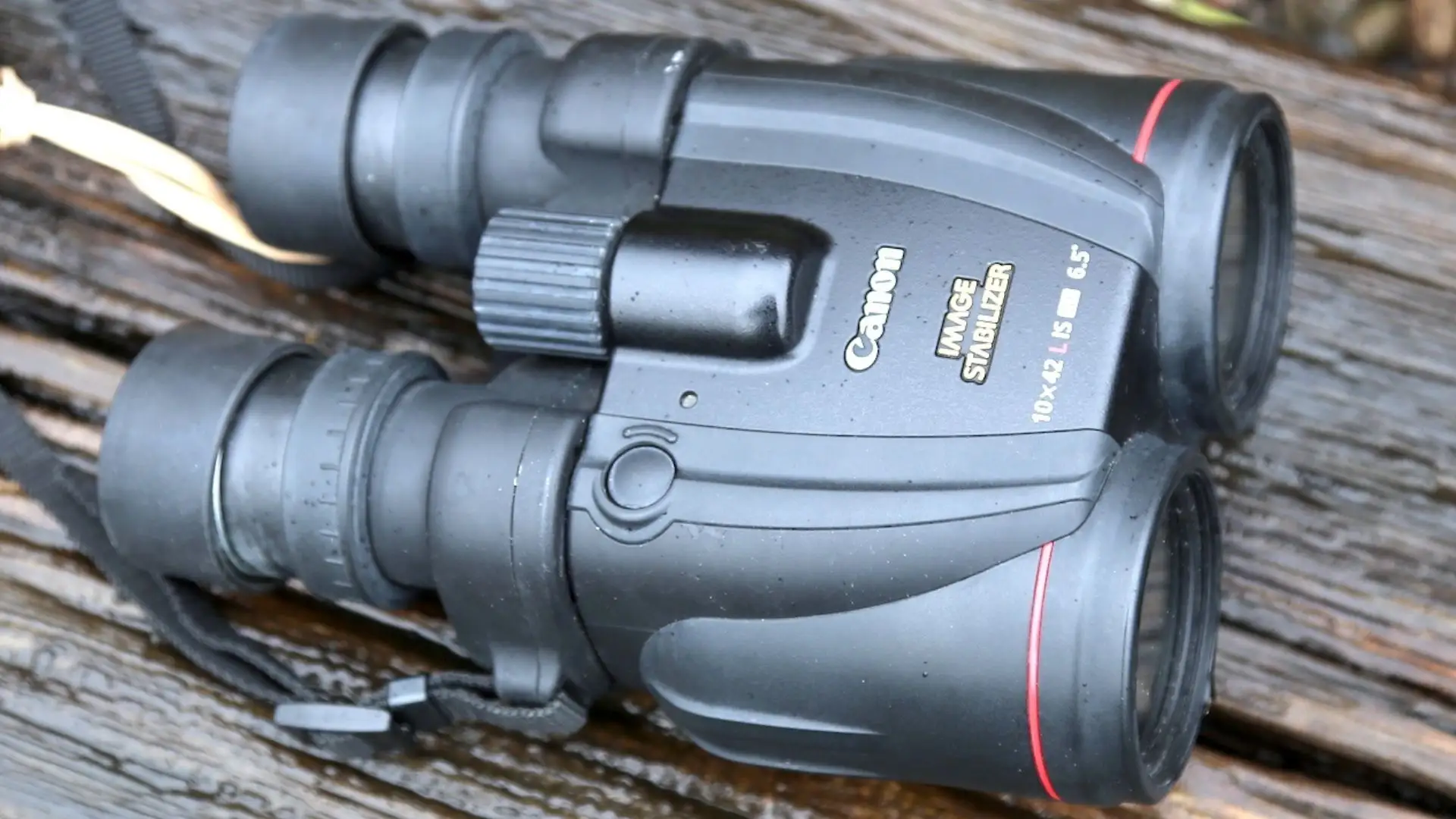
A: Activation is near‑instant. Pressing the recessed button engages gyros immediately, with wobble eliminated in real‑time.
Q: Are they suitable for eyeglass wearers?
A: Yes, 16mm eye relief and extending eyecups accommodate glasses comfortably without vignetting.
Final Verdict: Buy if optical stability at 10x is critical—sailors, birders, and stargazers will see the premium price justified. Avoid if portability, low cost, or close‑focus macro work are priorities. Pro tip from community: carry spare lithium AA batteries when heading into cold climates to maintain stabilizer performance.