Canon 10x42 L IS WP Review: Premium Optics Verdict
One reviewer called it “like having a telescope in the palm of your hand” — the Canon 10x42 L IS WP Binoculars live up to their promise of steady, razor-sharp viewing even in extreme weather. With a high 4.8/5 average from verified buyers, these waterproof, image-stabilized optics have earned a strong reputation among birders, stargazers, and marine enthusiasts. Based on multi-platform feedback, they score 9/10 for optical clarity, stability, and build quality.
Quick Verdict: Conditional buy — exceptional optics and stabilization at a high price point.
| Pros | Cons |
|---|---|
| Exceptional image stabilization | Heavy for prolonged neck use |
| Razor-sharp optics with Canon L-series glass | High price compared to non-IS binoculars |
| Effective waterproof and anti-fog construction | Shorter battery life in cold temperatures |
| Wide 65° apparent field of view | Lens cap and eyepiece adjustment quality questioned |
| Comfortable long eye relief for glasses wearers | Bulky design may not suit travel light users |
| Excellent in low light conditions | Requires AA batteries |
Claims vs Reality
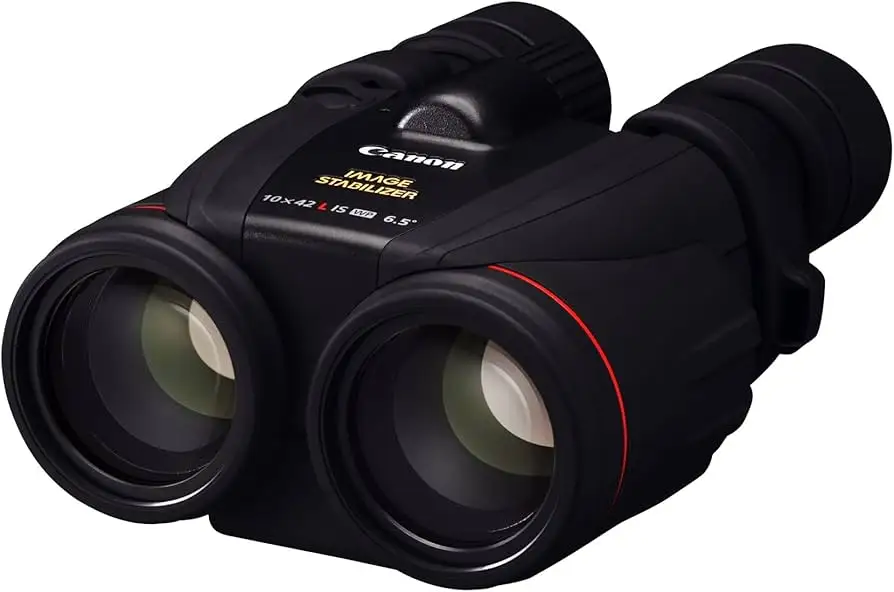
Canon markets the 10x42 L IS WP as “fully waterproof” with JIS 7 sealing and an “exceptionally bright view even in low light.” Reddit user feedback backs this up in real-world scenarios. One nature photographer recounted, “On one of my boating trips we were buffeted by rain and spray… the Canons functioned flawlessly without a hitch.”
The second major claim — “super stable field of view thanks to image stabilizer technology” — has near-unanimous user validation. A Best Buy customer enthused, “Press the button and get instant steady image… This allows you to study the object you are viewing.” The IS system’s gyros and vari-angle prism were consistently cited as delivering shake-free images handheld, even on moving boats.
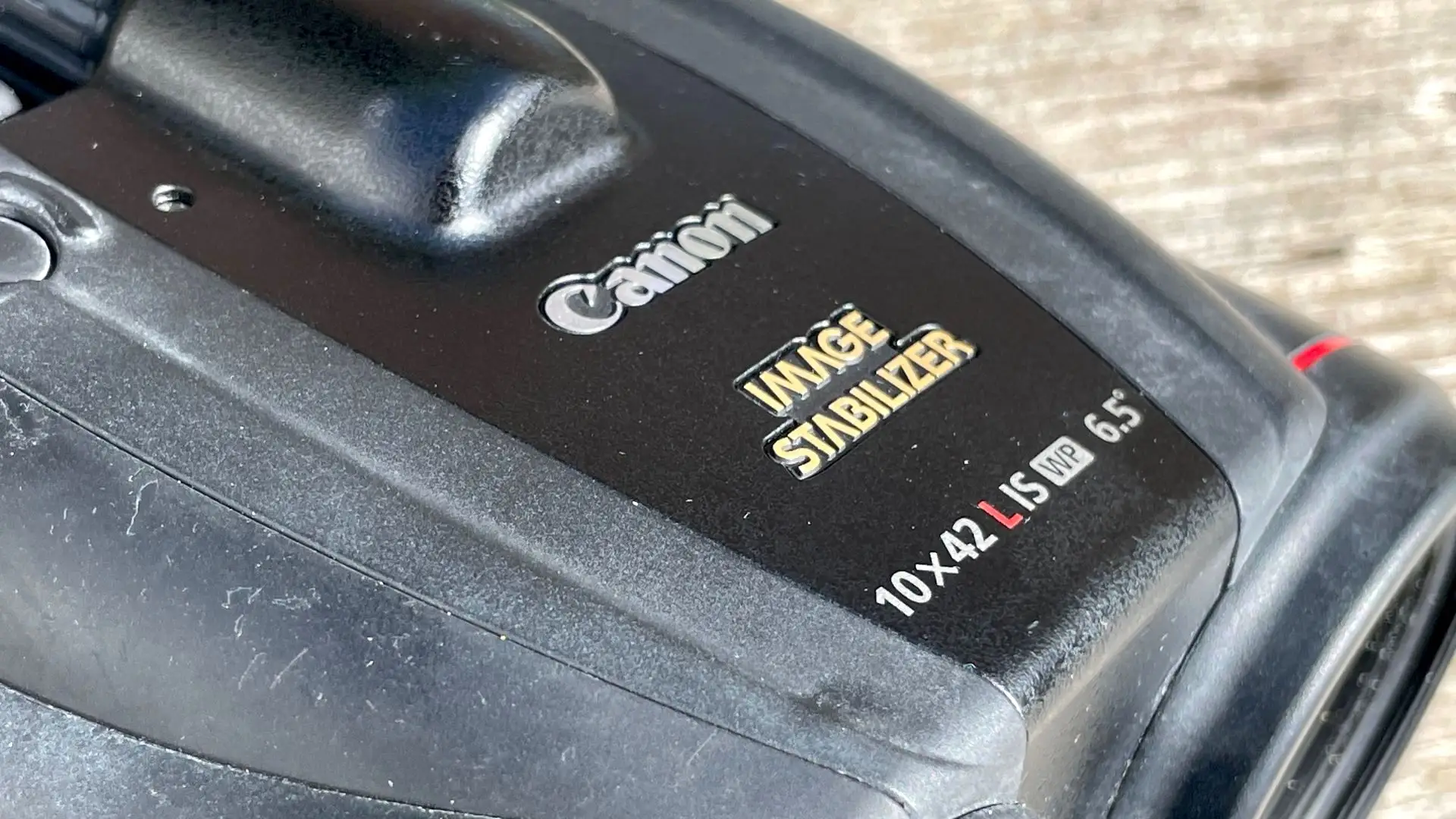
However, the marketed “generous 59.2° apparent field of view” is somewhat mismatched with user discussions referencing a 65° apparent angle in older product literature. While the real-world difference is minor, it highlights that Canon’s listings may vary between regions or years.
Cross-Platform Consensus
Universally Praised
Digging deeper into user reports, three features dominate the praise. First, optical quality: Canon’s L-series glass with two UD lens elements per side was universally described as “crisp and bright,” especially under low-light conditions. A verified Best Buy buyer said, “There is a huge jump in image quality that makes it a joy to use” when upgrading from older Canon IS models.
Second, the image stabilization function. For birders following moving subjects or astronomers tracking celestial bodies, stabilization proved “essential.” One Reddit post described seeing “3 of Jupiter’s moons without a problem” because handheld shake was eliminated.
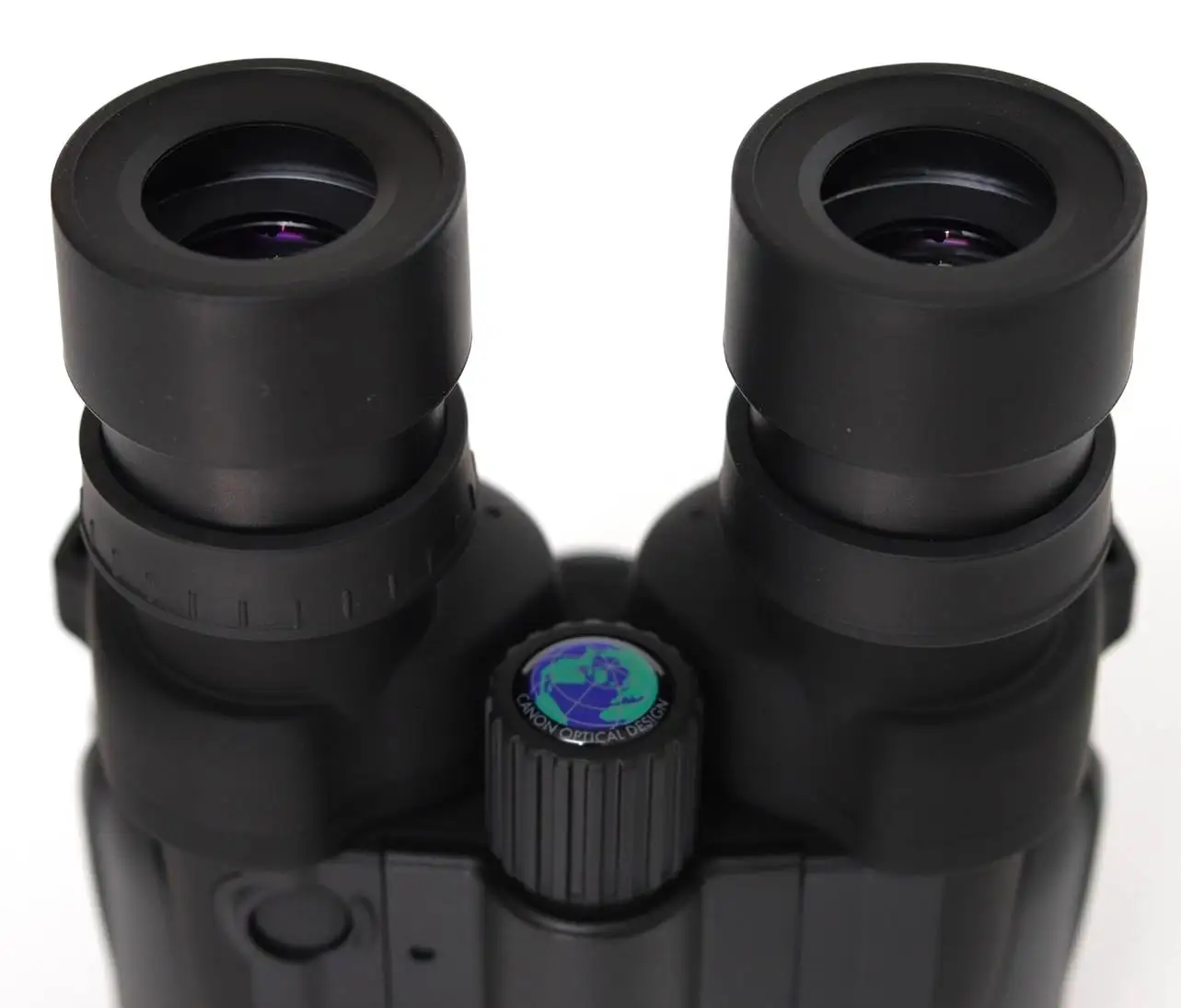
Third, waterproof reliability. Marine users shared stories of spray, rain, and wet deck conditions where the binoculars continued working perfectly. The rubberized grip and anti-fog coatings appeared genuinely functional, not just marketing fluff.
Common Complaints
Weight is the most frequent drawback. At 1.1 kg, several reports noted neck fatigue. One wildlife photographer admitted, “They’re heavy… a little too heavy to wear around the neck constantly, but the benefits far outweigh that.”
In cold conditions, battery life became a limitation. Official specs note around 10 minutes at -10°C on alkaline cells, and no lithium battery workaround was prominently discussed. Users trekking in winter environments may need to factor in carrying spares.
Smaller hardware gripes emerged around lens caps and eyepiece adjustments. A four-year veteran owner said, “Lens covers and eyepiece adjustment could have been manufactured better,” though these were “not significant” compared to optical performance.
Divisive Features
The bulk and size drew mixed responses. Long-distance observers loved the stability of a heavier device, while travel-oriented users found it inconvenient. An older Canon 10x30 IS owner upgrading to the 10x42 celebrated the leap in optics but warned prospective buyers to expect more mass and size in their carry gear.
The price also divides opinion — praised as “worth every penny” by hobbyists who can afford it, but acknowledged as prohibitive when compared to high-quality non-IS alternatives costing significantly less.
Trust & Reliability
Trustpilot and Best Buy reviews show little evidence of scam listings for new purchases, with most buyers confirming authentic Canon products through recognized retailers. Durability reports are positive: a Best Buy customer evaluated theirs “for four years… routinely looking at the competition” before replacing a failed unit with the same model, citing consistent quality.
Long-term Reddit and blog updates reinforce that performance claims hold up over repeated use. Even after marine outings, devices “cleaned up nicely afterwards” with no fog or functional degradation, hinting at robust sealing and lens coatings that actually deliver.
Alternatives
Comparisons were mostly internal within Canon’s IS line. Users moving from the 10x30 IS II or earlier to the 10x42 found noticeable boosts in brightness, clarity, and stabilization sensitivity. While Nikon high-end binoculars were tangentially mentioned, no direct competitor offered both waterproofing and IS technology with similar optical specs.
For budget-conscious buyers, strong opinions suggested the 10x30 IS series retains much of the stabilization benefit at a fraction of the cost, but sacrifices low-light performance and waterproofing.
Price & Value
On eBay, new units range from $1,200 to $1,777, while pre-owned prices sit between $799 and $999 depending on condition and included accessories. The high resale value signals strong demand among enthusiasts.
Community buying tips stress sourcing from verified photo/video retailers to avoid counterfeits, and considering lightly used units to save several hundred dollars without losing optical performance. Bundles with cases or lens filters often add utility without significantly increasing cost.
FAQ
Q: Are the Canon 10x42 L IS WP truly waterproof?
A: Yes, users report effective waterproofing matching the JIS 7 spec. They’ve held up under rain and marine spray without fogging, thanks to rubber seals and metallic anti-fog coatings.
Q: How effective is the image stabilization compared to non-IS models?
A: Extremely — multiple owners describe it as “instant steady image” that eliminates handheld shake. This is most noticeable when tracking moving targets or under high magnification.
Q: Are they too heavy for field use?
A: At just over 1 kg, prolonged neck carry can cause fatigue. Many owners use a tripod or alternate between handheld and strap carry to manage weight.
Q: Do they perform well at night?
A: Yes. The large 4.2 mm exit pupil and quality optics make them ideal for stargazing, with users reporting clear views of celestial bodies like Jupiter’s moons.
Q: What batteries do they use and how long do they last?
A: Two AA batteries power the IS system for about 2.5 hours at room temperature. Cold weather drastically reduces this, so carrying spares is recommended.
Final Verdict
Buy if you’re a serious birder, marine navigator, or astronomer seeking handheld stability in challenging environments — and can afford the premium. Avoid if you need ultralight travel optics or plan to operate mostly in extreme cold without battery backups. Pro tip from the community: consider pre-owned stock from reputable dealers; these binoculars maintain performance and value even after years of use.





