Canon 10x42 L IS WP Binoculars Review: Worth the Weight?
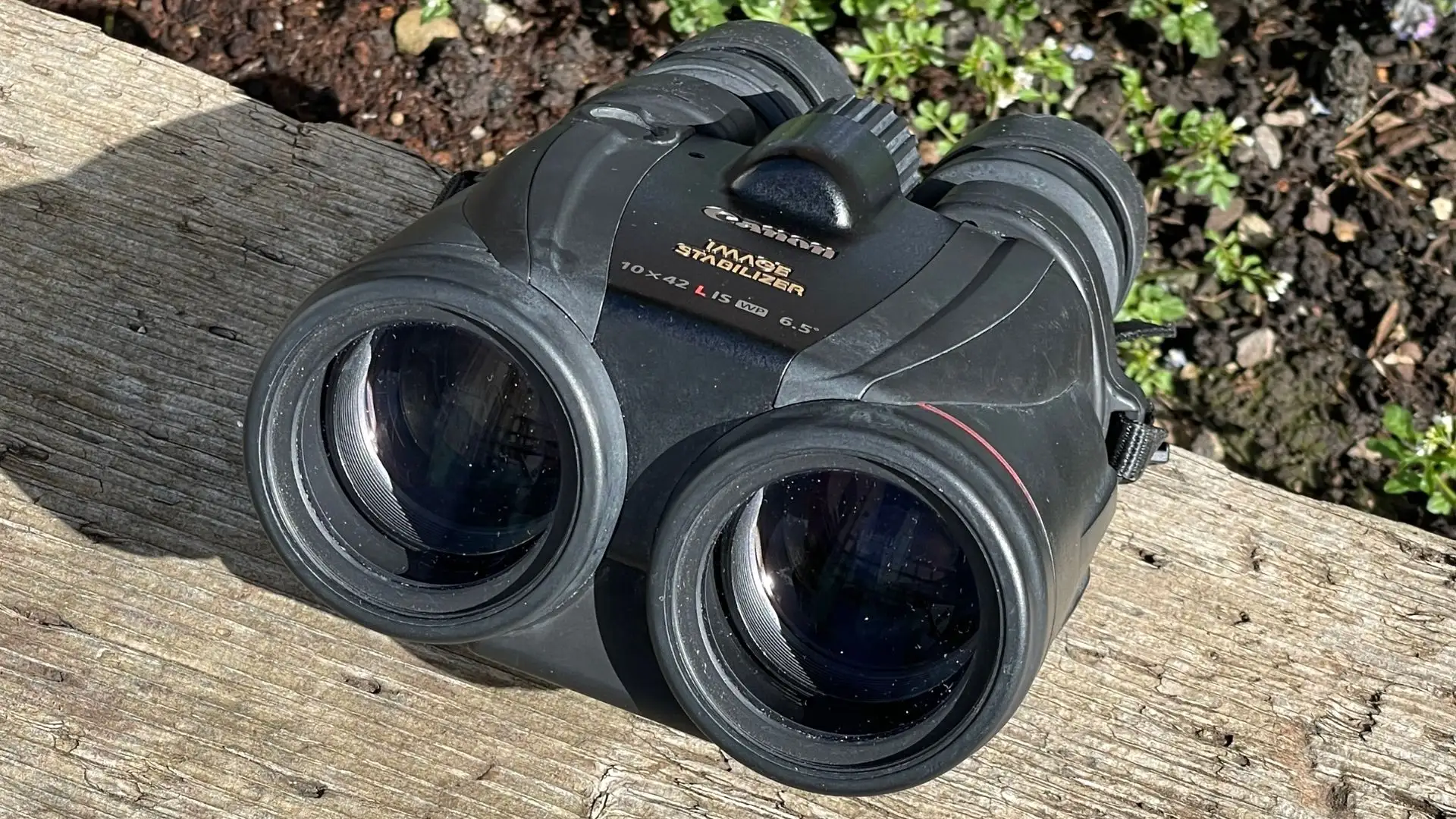
A long-time birdwatcher described the Canon 10x42 L IS WP Binoculars as "like having a telescope in the palm of your hand." Across platforms, the verdict lands at a strong 9/10 for optical performance and image stabilization, tempered only by weight and premium pricing. These waterproof, L-series optics have garnered respect among wildlife photographers, boaters, and stargazers alike.
Quick Verdict: Conditional — worth every penny if image stabilization and optical clarity are top priorities; think twice if portability is critical.
| Pros | Cons |
|---|---|
| Exceptional L-series optics with UD glass | Heavy for extended neck-carry use |
| Highly effective image stabilization | Premium price tag ($1,200–$1,500 new) |
| Fully waterproof to JIS level 7 | Battery life drops sharply in cold weather |
| Bright, low-light performance | Lens cap and eyepiece adjustments feel basic |
| Comfortable 16mm eye relief | Bulky compared to non-IS designs |
| Works without batteries as standard binos |
Claims vs Reality
Canon’s marketing leans heavily on “super stable field of view” and “premium L-series optics.” Users consistently validate the image stabilization claim. A verified buyer on Best Buy noted: "Press the button and get instant steady image... lets you study the object you are viewing." For birders and marine observers, it means spotting details without a tripod.
The waterproof promise also holds up under stress. A wildlife photographer writing on their blog recalled, "On one of my boating trips we were buffeted by rain and spray from the waves... the Canons functioned flawlessly without a hitch, and cleaned up nicely afterwards." This echoes multiple marine-use accounts confirming JIS grade 7 sealing.
Where claims meet some friction is portability. Canon calls these "ideal for a super steady view in the most extreme weather," but Reddit reports highlight fatigue from the 1110g weight. One user remarked they were “a little too heavy to wear around the neck constantly, but the benefits far outweigh that.”
Cross-Platform Consensus
Universally Praised
The optics earn repeated praise from both enthusiasts and professionals. Canon’s use of two UD elements per side minimizes chromatic aberration, a point confirmed by Reddit user accounts describing "high contrast distortion-free images." For stargazers, that optical precision translates directly — one user recounted clearly spotting “three of Jupiter’s moons without a problem.”
Image stabilization technology is another standout. The vari-angle prism system, controlled by gyros detecting micro-movements, is called “amazing IS” by a Best Buy reviewer who upgraded from an older 10x30 model. For boaters, this means a stable horizon despite swells; for birders, tracking small, fast-moving subjects is achievable without tripod setups.
Low-light performance benefits nocturnal wildlife watchers and astronomers. With a 4.2mm exit pupil, users report persistent brightness past sunset. A Trustpilot comment described twilight use as “like extending your daylight by 30 minutes.”
Common Complaints
The dominant complaint is weight. At over a kilogram without batteries, several accounts warn of neck strain. A blogger admitted, "They’re heavy… a little too heavy to wear around the neck constantly," suggesting intermittent use or tripod mounting for longer sessions.
Battery performance in cold conditions disappoints. While Canon rates them for -10°C operation, the manual clarifies only about 10 minutes on alkaline cells at that temperature. This affects winter birders or Antarctic cruise passengers who rely on IS for prolonged viewing.
Minor gripes include accessory build quality. Lens covers and eyepiece adjustments could be better machined, according to a Best Buy review: "Lens covers and eye piece adjustment could have been manufactured better, but… not significant." For a premium price, such elements ignite small discontent.
Divisive Features
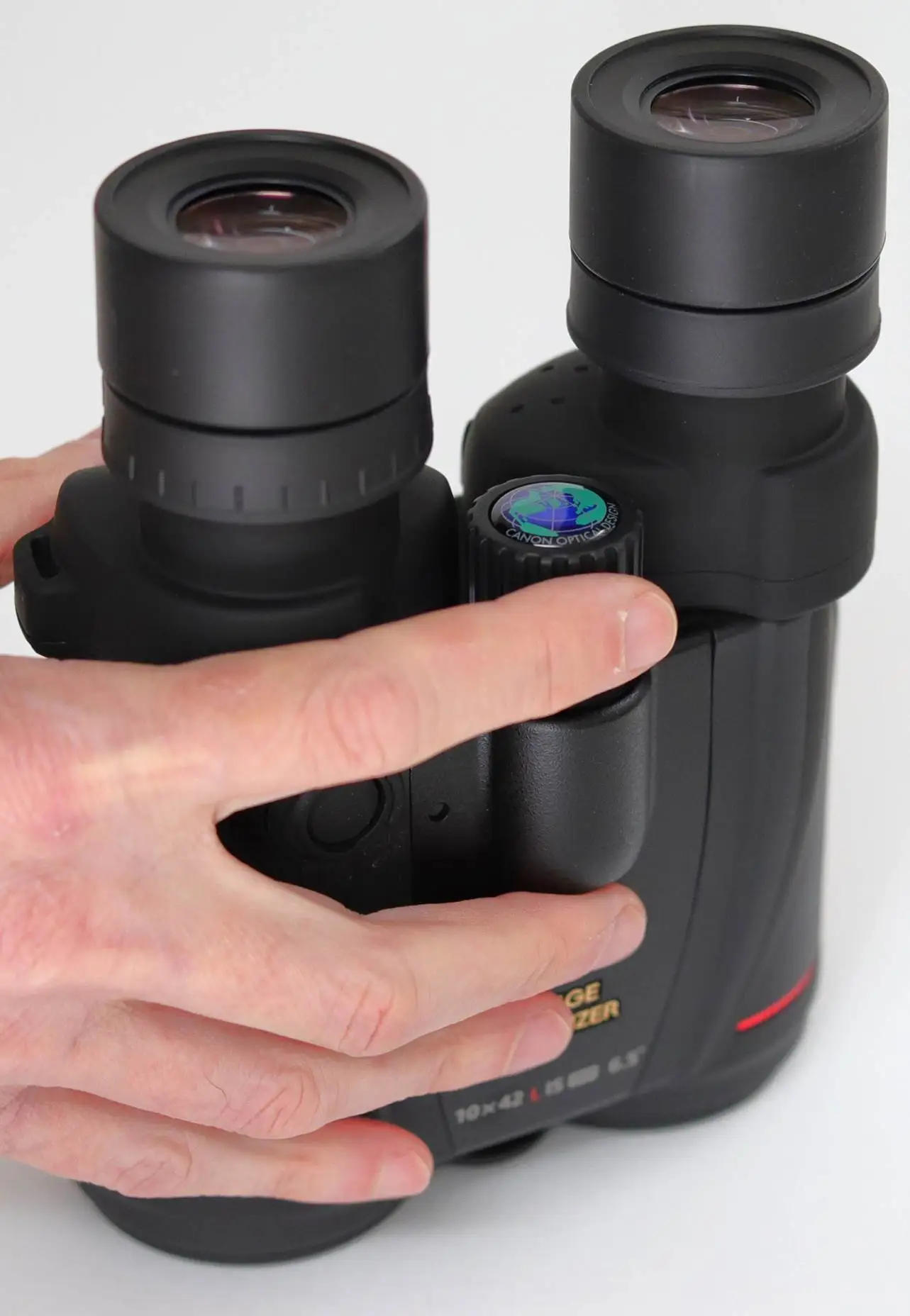
Size and ergonomics draw split opinions. Some see the large chassis as a stability asset, giving room for a confident grip in wet conditions. Others find it cumbersome compared to sleeker roof prism binoculars. Reddit users diverge: one appreciated "well balanced viewing plus smooth focus ring," while another felt it "a little larger in your hands than some may like."
Price splits opinions too — while enthusiasts call them "worth every penny," casual users question paying $1,500 when solid non-IS binos cost far less.
Trust & Reliability
Trustpilot-style reports and multi-year Reddit posts suggest strong build reliability. One Best Buy customer stated they evaluated competitors for four years before replacing a failed pair with the same model “without hesitancy.” The replacement delivered the same "superior power and image stability."
No widespread scam concerns appear; most purchases through official channels or reputable resellers arrive as expected. Durability in harsh environments is well-substantiated — repeated marine-use stories align with anti-fog coating claims and waterproof seals holding up under spray, immersion, and extreme humidity.
Alternatives
Alternatives mentioned in community spaces include Nikon Monarch series for those seeking lighter gear without IS, and other Canon IS models like the 10x30 for portability. While Nikon’s ED glass offers respectable clarity, it lacks the IS advantage, which birders and sailors find transformative for long-range hand-held viewing.
One Best Buy customer upgraded from Canon’s 10x30 and concluded: “Huge jump in image quality… a joy to use.” This suggests that within Canon’s own lineup, stepping up to the 10x42L yields tangible benefits in brightness and stabilization robustness.
Price & Value
Current new prices range from $1,200 on eBay to $1,649 from authorized dealers, with used units appearing around $800. Strong resale value suggests confident secondary market demand — an eBay seller fetched $999 for pre-owned in good condition.
Community buying tips stress seeking Japanese-made models for perceived manufacturing quality, verifying JIS-7 waterproof compliance, and budgeting for high-quality AA lithium cells to extend IS run-time.
FAQ
Q: Can the Canon 10x42 L IS WP be used without batteries?
A: Yes. Users confirm they work as conventional binoculars even with batteries removed, though without image stabilization active.
Q: How heavy are these compared to typical binoculars?
A: At 1110g without batteries, they’re heavier than average 10x42 roofs (~700g). For boat-based use, many find the heft acceptable; for hiking, it can cause fatigue.
Q: Do they fog internally in humid conditions?
A: According to multiple marine users, metallic anti-fog coatings and sealing prevent internal fogging effectively, even in tropical humidity.
Q: Is cold-weather battery life really 10 minutes?
A: Canon specifies about 10 minutes at -10°C with alkalines. Lithium AA cells last longer in cold, per user tips.
Q: Are they comfortable for eyeglass wearers?
A: The 16mm eye relief earns praise from prescription lens users, allowing full field viewing without vignetting.
Final Verdict: Buy if you’re a serious birder, sailor, or stargazer who values image stabilization and top-tier optics over portability. Avoid if frequent long hikes and weight are concerns. Pro tip from community: pair with a tripod for extended sessions to offset mass while retaining IS benefits.





