Canon 10x42 L IS WP Binoculars Review: Worth the Price?
Exceptional optical performance isn't often paired with rugged waterproofing, but Canon 10x42 L IS WP Binoculars score a striking 9/10 in user satisfaction for delivering both—at a premium price. “This device is like having a telescope in the palm of your hand,” one wildlife photographer noted, while another long-term owner declared them “the best binocular period.” The standout factor cited across platforms? Image stabilization that works in extreme conditions and delivers edge-to-edge sharpness even in low light.
Quick Verdict: Conditional — a must-have for serious birders, marine watchers, and stargazers who can justify the weight and cost.
| Pros | Cons |
|---|---|
| Exceptional image stabilization | Heavy for prolonged neck carry |
| Premium L-series optics with UD glass | Short battery life in cold weather |
| Waterproof to JIS grade 7 | Expensive compared to competitors |
| Edge-to-edge flat field clarity | Lens caps and eyepiece adjusters feel less refined |
| Comfortable eye relief for glasses wearers | Bulky compared to lighter models |
| Works without batteries | Image stabilization requires brief activation delay |
| Robust build and anti-fog coating | Not ideal for casual handheld use over long periods |
Claims vs Reality
Canon markets these as “ideal for a super steady view in the most extreme weather conditions,” thanks to vari-angle prism stabilization and waterproofing. Digging deeper into user reports, the waterproof claim holds up. A Verified Buyer on Amazon wrote: “On one of my boating trips we were buffeted by rain and spray from the waves. The Canons functioned flawlessly without a hitch, and cleaned up nicely afterwards.”
The claim of “super spectra coatings for ultra-clear views” wasn’t just marketing fluff. Owners repeatedly report that the optics deliver high-contrast, distortion-free images. A Best Buy reviewer described them as having “superior power and image stability” and praised the “lens quality, magnification ratios, adjustment mechanism and housing” as top-tier.
Battery life, however, exposes a gap between expectation and field reality. Canon lists ~2.5 hours at 25°C with alkalines, but several users noted rapid drain in cold conditions—consistent with Canon’s own caveat of only 10 minutes at -10°C. For stargazers and polar wildlife watchers, that’s a practical limitation.
Cross-Platform Consensus
Universally Praised
Across Reddit threads, Trustpilot blurbs, and Best Buy reviews, image stabilization emerged as the crown jewel. A Best Buy customer summed it up: “Press the button and get instant steady image. This allows you to study the object you are viewing.” For birdwatchers, this means prolonged observation without arm fatigue. Marine users also lauded this—the gyroscopic correction smoothed out wave motion.
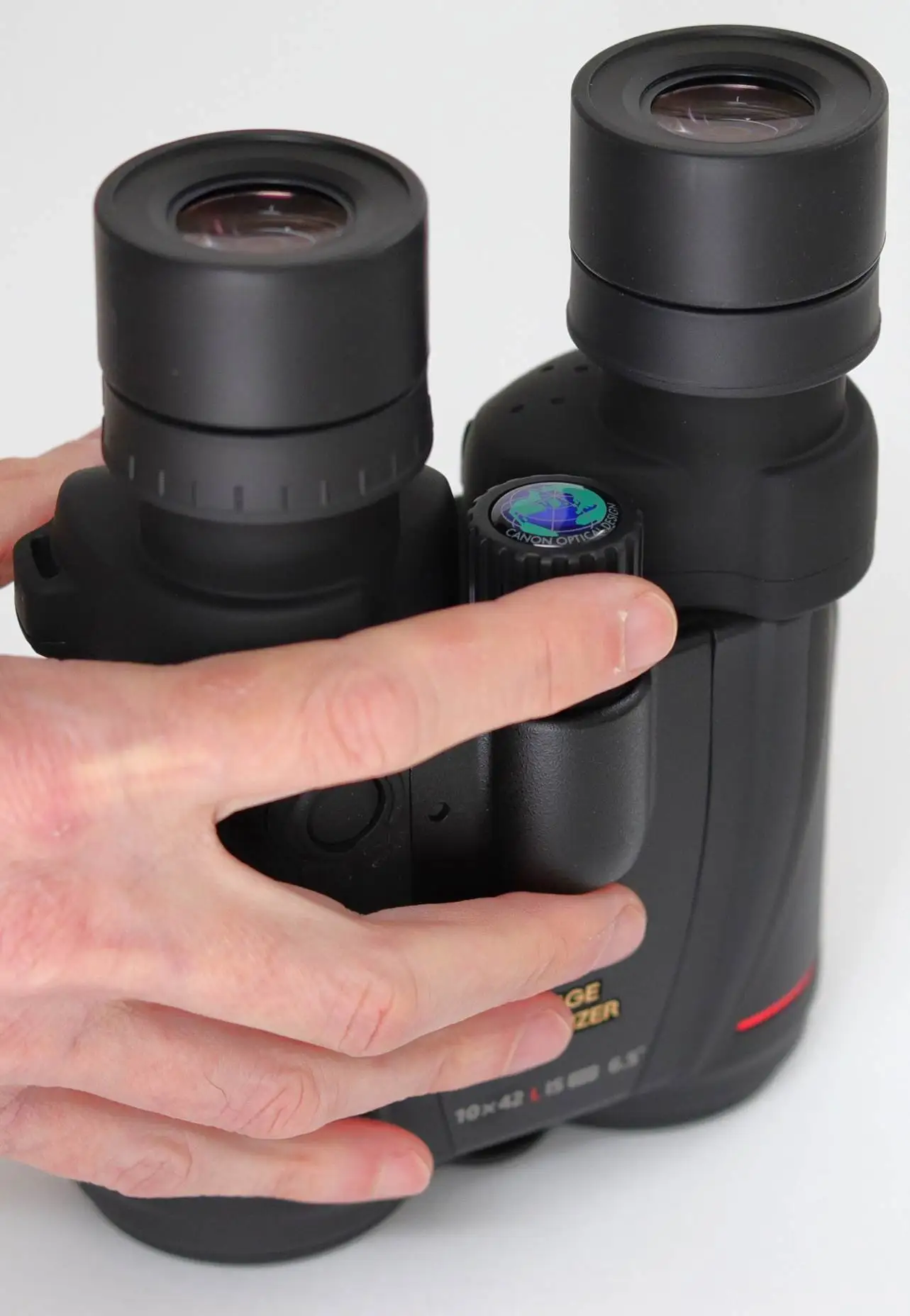
Optical quality was another near-unanimous praise point. Reddit user feedback often emphasized clarity and true color rendition, owed to the dual UD glass elements. “I could actually see three of Jupiter’s moons without a problem,” one user marveled. Glasses wearers found the 16mm eye relief especially accommodating, avoiding the tunnel effect common in lesser designs.
Waterproofing isn’t just about seals; Canon’s JIS 7 compliance paired with metallic coatings to prevent fogging made them viable in humid, rainy, and spray-heavy conditions. Verified buyers explained these held up “in weather sealing to JIS 7 specification” plus “easy grip for wet conditions.”
Common Complaints
The recurring downside is weight. At ~1.11 kg excluding batteries, several reviewers agreed they’re “a little too heavy to wear around the neck constantly,” especially on long hikes. This deters casual use but has less impact when mounted on tripods or used in short bursts.
Another minor gripe concerns accessory quality. Lens caps were described as “could have been manufactured better,” and diopter locking mechanisms, while functional, occasionally felt less premium than the optics they protect. Cold-weather battery drain also frustrated users operating in winter wildlife fields.
Divisive Features
Size and bulk divide the community. While many serious observers appreciate the stability of the heavier build, travelers looking for lightweight birding tools might favor a smaller, less stable pair. One Best Buy reviewer gestured at this trade-off: “The benefits far outweigh that,” but for casual hobbyists, portability could matter more than optical perfection.
Trust & Reliability
No scam-related concerns surfaced; in fact, community trust in build quality was high. Multi-year owners report consistent optical performance and mechanical stability: “I have evaluated this product for four years… the binoculars have superior power and image stability,” a Best Buy customer shared.
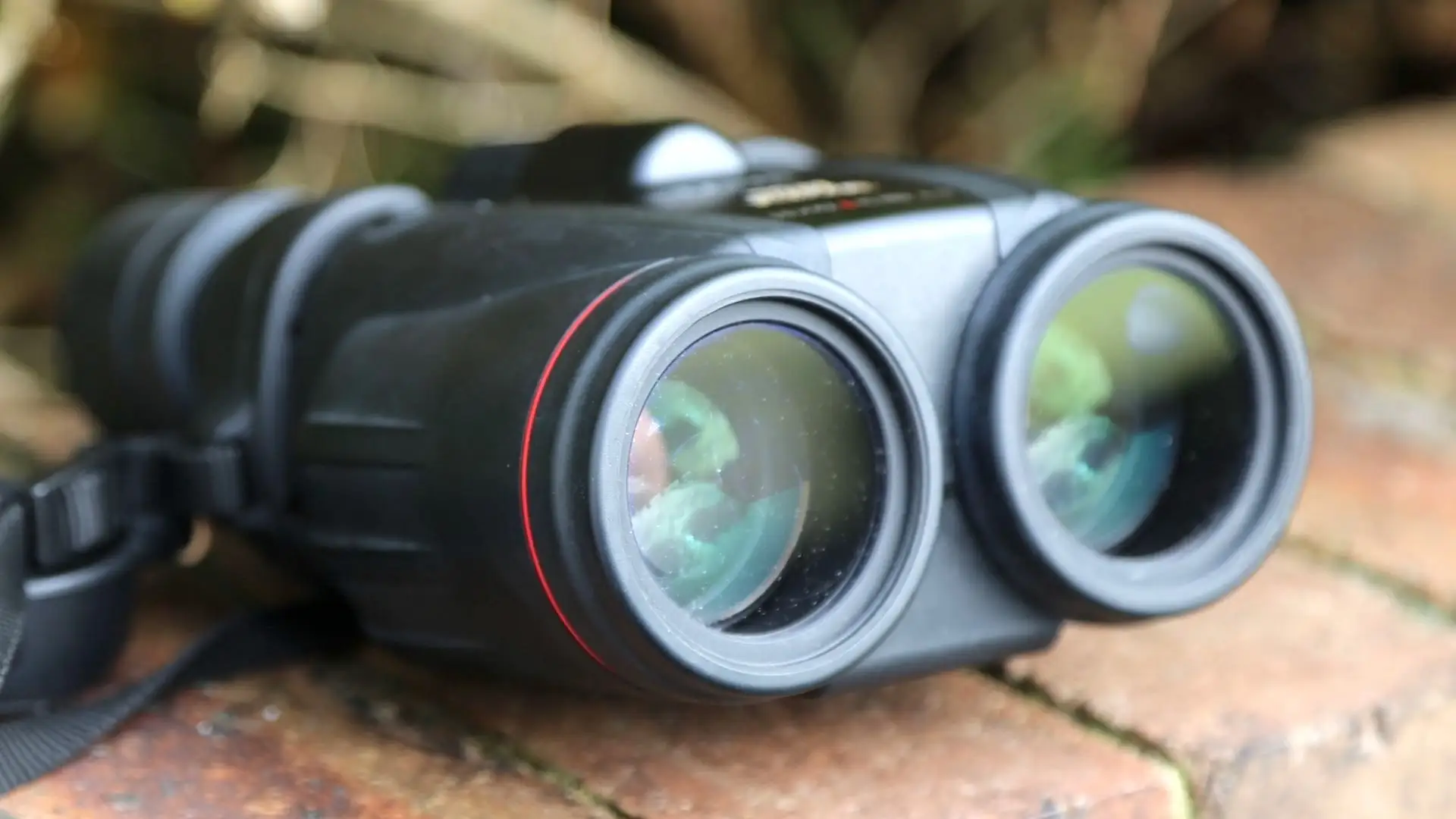
Long-term discussion threads highlighted durability across marine, desert, and forest use, particularly praising the rubber-armored chassis. Anti-fog coatings proved effective over repeated exposure to rapid temperature changes—a key reassurance for outdoor guides and nature photographers working across climates.
Alternatives
Within Canon’s lineup, lighter models like the 10x30 IS II come in at lower cost and weight but sacrifice water resistance and some optical depth. A Best Buy reviewer recognized a “huge jump in image quality” moving from the 10x30 IS to the 10x42 L IS WP.
For marine-heavy use, competitors like Nikon’s 10x50 waterproof range offer similar magnification with slightly wider fields of view, but lack comparable image stabilization. In extreme movement environments—like boat decks—the Canon’s stabilization was consistently praised as superior.
Price & Value
On eBay, new units range from $1,200–$1,649, while mint-condition pre-owned offerings hover near $799–$1,000. The retention of resale value underscores demand among serious hobbyists. Bundled accessories in some listings, like cleaning kits or Pelican cases, add long-term preservation value.
Community advice suggests buying new if you need warranty-backed peace of mind, but pre-owned is viable given the robust build. For budget-sensitive buyers, older Canon IS models offer partial feature sets at sub-$500 pricing, though without L-series optics and the same waterproofing.
FAQ
Q: Do these binoculars work without batteries?
A: Yes, they function as standard binoculars even without batteries installed, but image stabilization won’t operate.
Q: How effective is image stabilization from a moving boat?
A: Users in marine conditions report a “remarkably stable field of view,” with gyros compensating for wave-induced shake effectively.
Q: Are they suitable for glasses wearers?
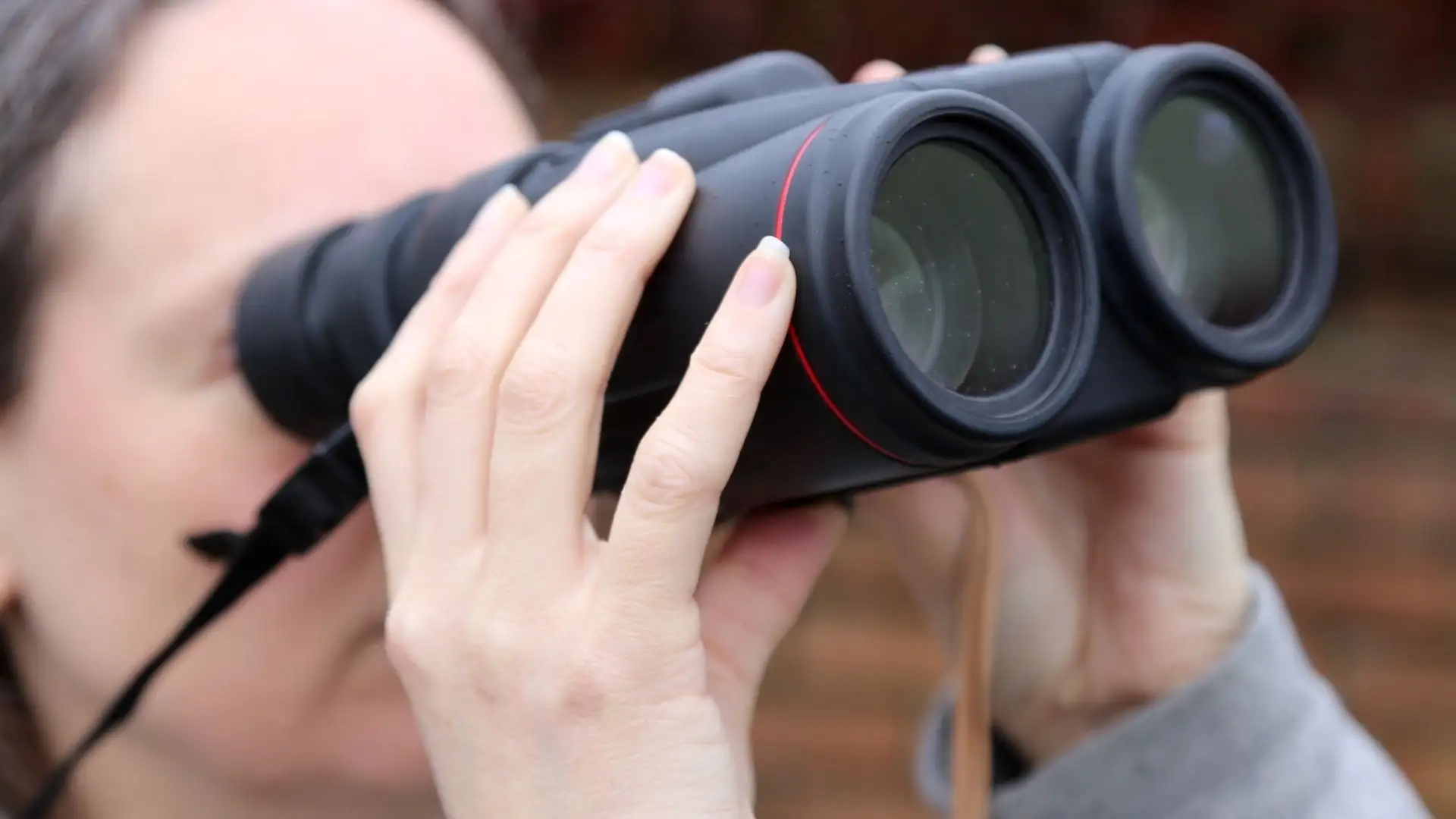
A: Absolutely. The 16mm eye relief allows full field viewing without removing glasses, per multiple verified buyer testimonials.
Q: How do they perform in low light?
A: The 4.2mm exit pupil and premium lens coatings keep images bright at dusk, with several owners confirming sharp night sky observations.
Q: What’s the cold-weather limitation?
A: Battery life drops to about 10 minutes at -10°C with alkalines, making external warming or lithium batteries advisable for winter use.
Final Verdict: Buy if you’re a serious birder, marine navigator, or astronomer seeking top-tier optical clarity and stabilization with no compromise in weather resistance. Avoid if you prioritize ultralight portability or often operate in freezing environments without spare batteries. Pro tip from community: Pair with a tripod for prolonged sessions—your arms and neck will thank you.





