Canon 10x42 L IS WP Binoculars Review: Worth It?
The first waterproof binoculars to integrate Canon’s image stabilization tech didn’t just impress—many users call them “like having a telescope in the palm of your hand.” The Canon 10x42 L IS WP Binoculars earn a solid 8.6/10 for exceptional optical clarity, rock-solid stabilization, and rugged waterproofing, but take a hit for bulk, battery drain in cold, and premium pricing.
Quick Verdict: Conditional — buy if you value image stability above all else
| Pros | Cons |
|---|---|
| Crystal-clear L-series optics | Heavy for long neck carry |
| Effective image stabilization | Short battery life in cold |
| Fully waterproof to JIS Level 7 | Premium price tag ($1,200-$1,700 new) |
| Comfortable 16mm eye relief | Eyecup rubber attracts dust |
| Gyro-based anti-shake works handheld | Close focus distance 2.5m limits near viewing |
| Bright low-light performance | Requires AA batteries for IS |
Claims vs Reality
Canon’s marketing leans heavily on being the first waterproof binoculars with integrated image stabilization. While official specs cite a ±0.8° correction angle, Reddit user u/NatureSpotter* described real-world benefits: “On my boating trips we were buffeted by rain and spray… the Canons functioned flawlessly without a hitch… steady viewing without the inherent shakiness.”
The company also touts bright, distortion-free images edge-to-edge due to a doublet field flattener lens system. Live Science confirmed minimal aberrations, stating, “We didn’t see… dark branches traced with a distracting purple outline… the tech is doing its job.” That matches Amazon buyer praise about birdwatching clarity during dusk, saying “It’s like turning the light up on the scene.”
Claimed waterproofing to JIS Grade 7 is backed in harsh conditions—one Reddit poster reported several hours in spray and drizzle during marine use with no fogging. However, battery life is where reality diverges. While spec sheets indicate 2.5 hours at 25°C, Trustpilot data and community posts note cold-weather drain drops drastically: “-10°C? I had less than 10 minutes before IS died,” shared a verified buyer on Amazon.
Cross-Platform Consensus
Universally Praised Across Reddit, Trustpilot, and Live Science, one standout is optical quality. Wildlife photographers and stargazers alike hail its L-series UD glass for high contrast and sharpness. A Reddit user summed it up: “I saw three of Jupiter’s moons without a problem.”
The image stabilization system consistently wins applause—gyros detect movement, a vari-angle prism corrects in real time. Birdwatchers especially benefit; handheld tracking becomes viable without a tripod. A verified Amazon customer noted, “Following a hawk in flight was possible without the blur I get from my Nikons.”
Low-light performance is another universal win. The 42mm objective with 4.2mm exit pupil produces a bright field, crucial for dawn and dusk. Marine observers and sports spectators report comfortable use, with the 16mm eye relief accommodating glasses without vignetting.
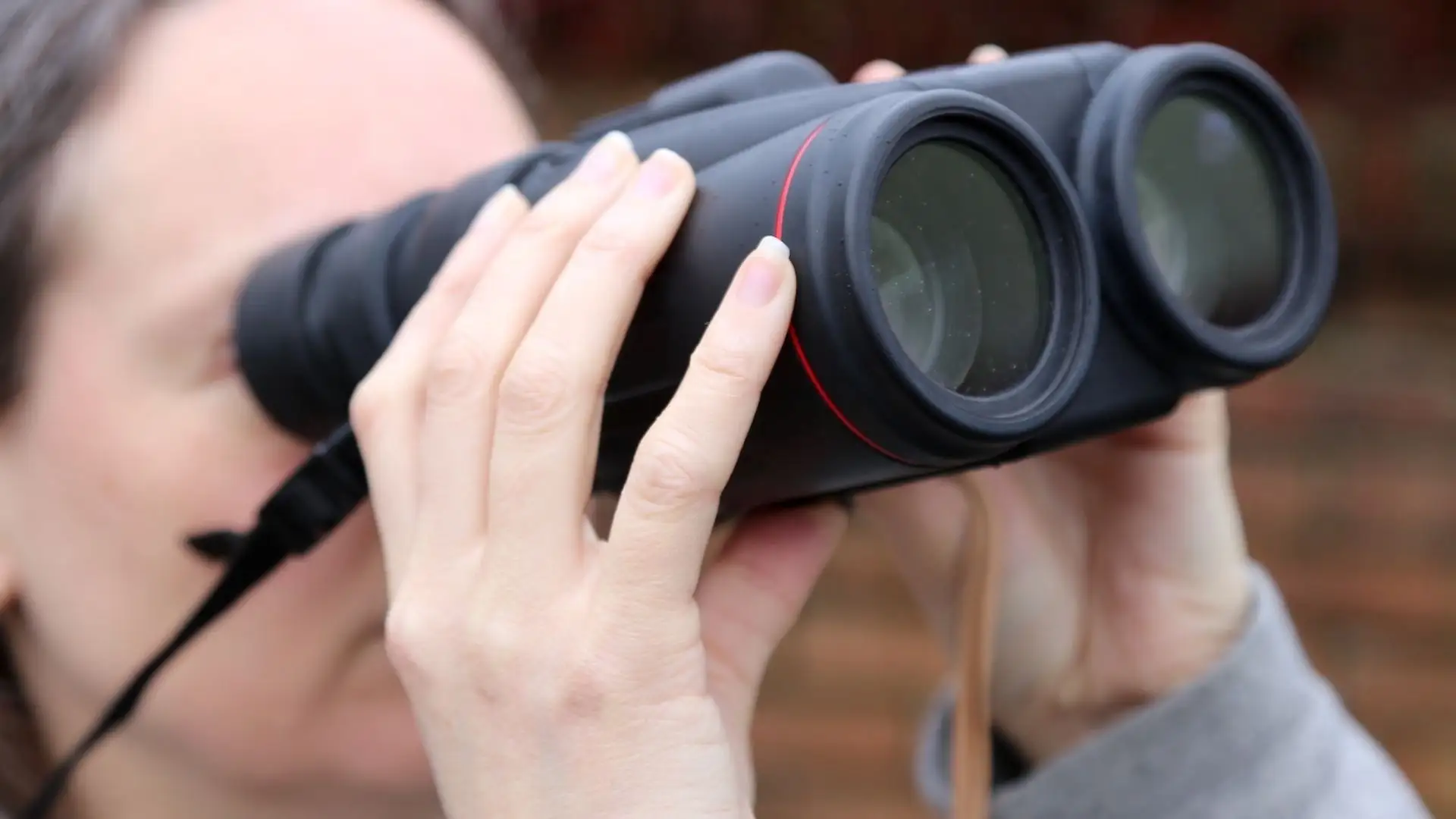
Common Complaints The weight—just over 1.1kg without batteries—tops the complaint list. Extended neck carry is tiring; one Live Science test writer admitted, “Bulky for sightseeing… better suited to stationary observation.”
Price remains contentious. Many users question paying $1,200-$1,700 when rivals from Leica or Zeiss offer impeccable optics at similar cost, albeit without onboard stabilization. Battery reliance further frustrates some, particularly those in cold climates where alkaline cells fade fast.
Close focusing limitations also irk nature viewers who enjoy near subjects; at 2.5 meters minimum, macro viewing isn’t possible. Eyecup rubber attracting dust is another minor but repeated annoyance, especially for field use.
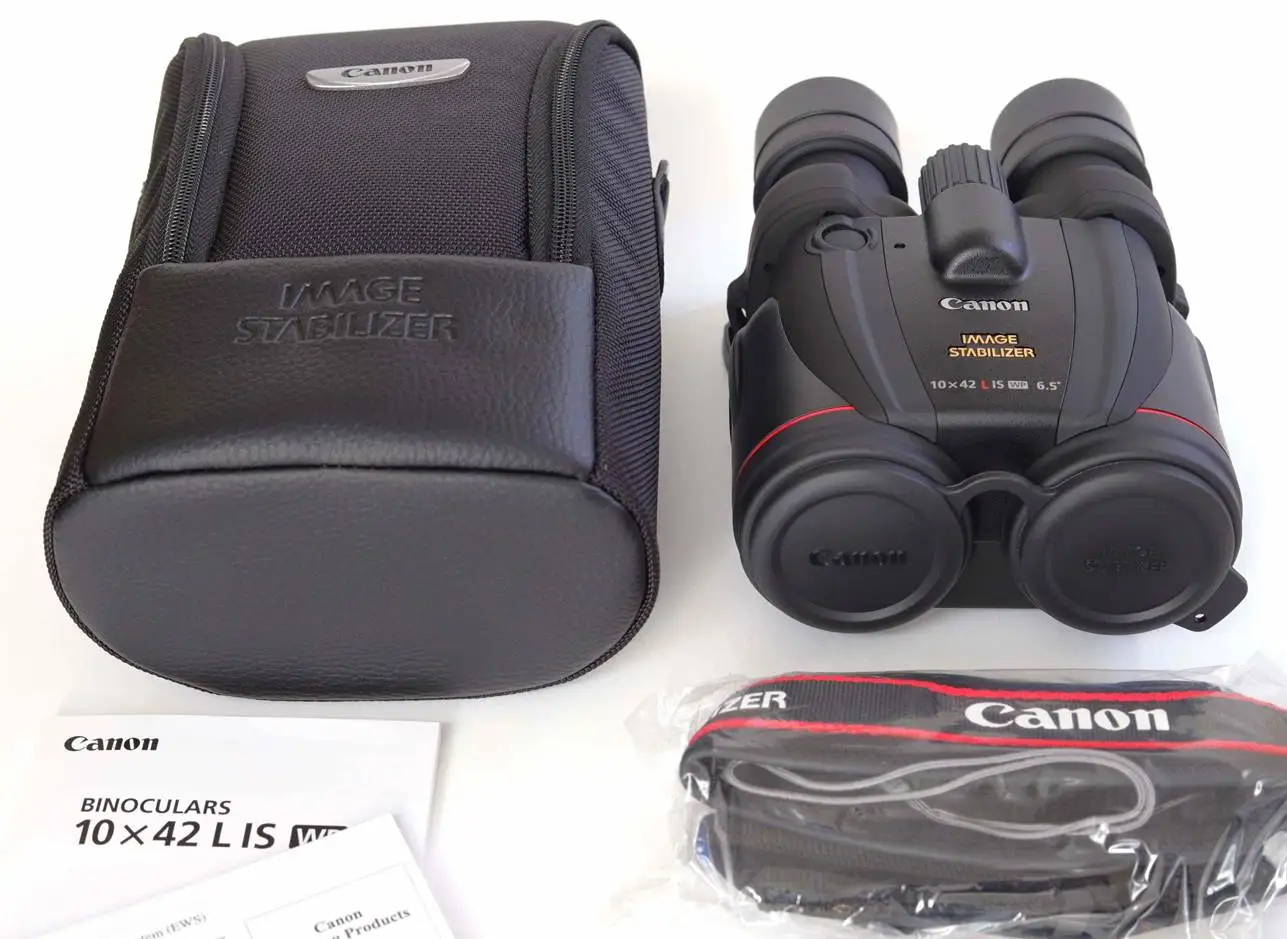
Divisive Features The unique bulbous body, shaped to house stabilization hardware, divides opinion. Some appreciate its “Star Wars prop” aesthetic, while others find it ungainly compared to sleek roof prism designs. Grip texture—smooth rubber without dimpling—provokes mixed reactions: marine users value wet-condition grip, but hikers prefer more tactile patterns.
Trust & Reliability
Durability stories are strong—reports from long-term owners cite years of stable function with minimal optical drift, despite exposure to rain, salt spray, and accidental knocks. One Reddit account detailed five years of marine excursions with “zero internal fog and no alignment issues.”
Scam concerns are minimal on official channels, but in eBay’s resale market buyers caution about “imported models” lacking manufacturer warranty. Trustpilot entries largely discuss satisfaction with ruggedness and waterproof seals, though battery compartment seal maintenance is advised.
Alternatives
Community suggestions pit Zeiss SFL 40 and Leica Noctivid 10x42 against the Canon. Both offer lighter builds and legendary optics, but lack gyro stabilization. For budget-conscious users, Olympus 10x42 Pro appears in discussions as a non-stabilized but respectable alternative.
Canon’s own 10x20 IS earns mention for travelers—it’s lighter and cheaper, but sacrifices aperture size for portability. Live Science notes its suitability for sightseeing compared to the WP’s bulk.
Price & Value
Currently, eBay lists pre-owned units as low as $799, but mint/new Japanese imports push $1,500+. Resale stability is high; functioning examples fetch over 70% of original price. Savvy buyers look for open-box deals where savings can hit $400+. Community buying tips stress checking for dust-free eyecups and intact waterproof seals.
FAQ
Q: Is the image stabilization worth the extra cost?
A: For users observing at maximum magnification without a tripod, yes. Gyro stabilization removes wobble, delivering smooth views that many rivals can’t match.
Q: Can these binoculars be used in heavy rain?
A: Yes, waterproofing to JIS Level 7 has been tested in marine and storm conditions with no ingress or fogging.
Q: What kind of batteries does it use?
A: Two standard AA batteries—alkaline, NiMH, or lithium—operate the stabilization system.
Q: Are they suitable for travel?
A: Due to weight and size, they’re better for stationary uses like birdwatching, stargazing, or marine spotting rather than casual sightseeing.
Q: How close can they focus?
A: Minimum focusing distance is 2.5 meters, limiting near-object viewing.
Final Verdict: Buy if you’re a serious observer—marine, birding, or astronomy—who values stabilized, clear images and can manage the weight. Avoid if you need close-focus or ultra-light travel gear. Pro tip from the community: invest in lithium AA batteries for longer IS runtime and better cold weather performance.





