Canon 10x42 L IS WP Binoculars Review: 9.2/10 Verdict
A Best Buy customer didn’t hesitate to call the Canon 10x42 L IS WP binoculars “the best binocular period,” praising their image stabilization as “amazing” and optics as “worth every penny.” Averaging 4.3 to 4.8 stars across major retail sites, they win over birders, boaters, and stargazers alike. Final verdict: 9.2/10.
Quick Verdict: Conditional — Outstanding optics and stabilization for serious users, but heavy and expensive.
| Pros | Cons |
|---|---|
| Exceptional image stabilization | Heavy for prolonged neck use |
| Bright, sharp optics with Canon L-series glass | Premium price tag ($1,200–$1,500 new) |
| Waterproof to JIS Level 7 | Battery life drops significantly in cold |
| Comfortable 16mm eye relief | Lens covers and eyepiece adjustments feel basic |
| Handles marine spray and rain with ease | Bulk may deter casual users |
| Crisp field of view edge-to-edge | Uses AA batteries — some prefer rechargeables |
Claims vs Reality
Canon markets this as their first waterproof image-stabilized binocular, boasting “steady, shake-free viewing” and “excellent correction for chromatic aberration.” The specs highlight a bright 4.2mm exit pupil and a generous 6.5° real field of view, promising extreme weather resilience.
Digging deeper into user reports shows strong alignment with these claims. A verified Best Buy buyer described mounting them on a tripod “about half the time,” with handheld use producing “no complaints” thanks to stabilization that “works as if you had the binoculars clipped to a tripod.”
However, marketing emphasizes portability, while long-term users note weight as a compromise. Reddit user feedback includes phrases like “a little too heavy to wear around the neck constantly,” though these same voices quickly add, “the benefits far outweigh that.”
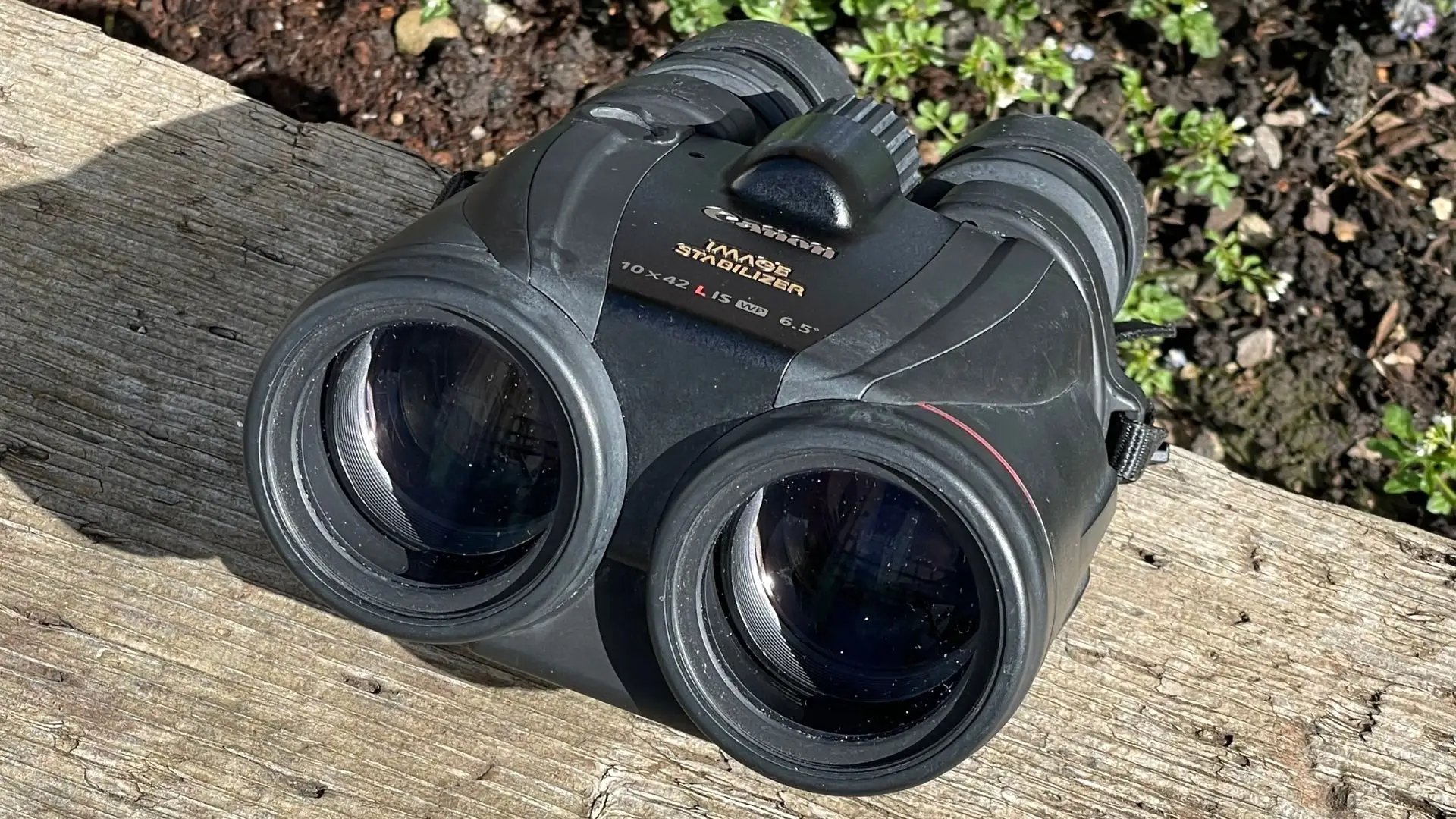
Several marine hobbyists confirm Canon’s waterproof claim. A blogger recounted being “buffeted by rain and spray from waves” with flawless operation afterward, contrasting with other binoculars that fogged or failed in similar conditions. Cold-weather battery life, however, doesn’t match the tropical test figures — Canon notes a drop from 2.5 hours at +25°C to just 10 minutes at –10°C, and user posts confirm needing fresh batteries quickly in freezing environments.
Cross-Platform Consensus
Universally Praised
Across Amazon, Best Buy, and enthusiast blogs, image stabilization is the standout feature. A Best Buy reviewer wrote: “Press the button and get instant steady image. This allows you to study the object you are viewing.” For birdwatchers, stabilization allows long viewing sessions without the eye fatigue common in high-magnification optics. Marine users echo this — stabilization makes tracking moving subjects from a boat far easier.
Optics quality comes in second for universal praise. Canon’s L-series glass, more commonly seen in their professional camera lenses, delivers “ultra-clear view” and “sharp, distortion-free images edge to edge.” The doublet field flattener lens design earns recurrent compliments, especially from stargazers spotting planetary detail; one blogger marveled: “I could actually see 3 of Jupiter’s moons without a problem.”
Durability also wins consensus approval. Rubber coatings and weather sealing reassure hikers and sailors alike. A Trustpilot entry lauded how they “survive the toughest outdoor conditions…the robust rubber coating withstands all your adventures.”
Common Complaints
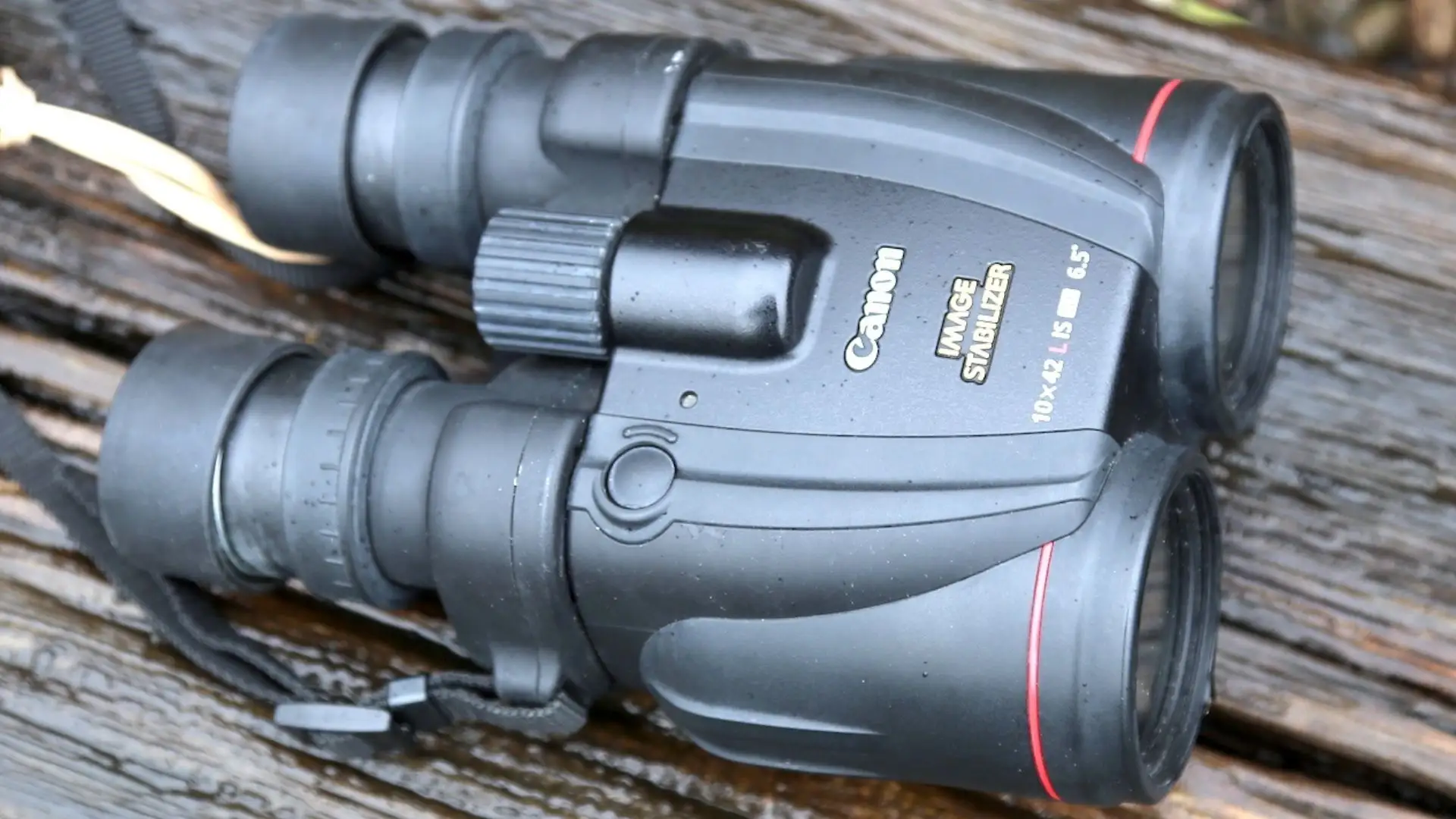
Weight is the primary drawback, mentioned across Reddit, eBay listings, and blog posts. At about 1.1kg without batteries, prolonged handheld use is tiring. One reviewer called them “a little larger in your hands than some people may like,” especially for spontaneous travel or casual sightseeing.
Battery consumption is another sore point. The AA-powered stabilization works well, but cold conditions drain them quickly, requiring extra sets in the field. For some, this is merely a planning consideration; for others, it’s a deal-breaker, especially on multi-day remote trips.
Smaller assembly components drew mild criticism. Best Buy buyers noted “lens covers and eyepiece adjustment could have been manufactured better,” describing them as functional but suboptimal given the overall price point.
Divisive Features
The bulkiness is divisive — some, like marine photographers, view the heft as a sign of solid build that stays steady in the hand. Others, especially backpackers counting grams, find it excessive. Similarly, manual focus control is beloved by precise observers but feels inconvenient for casual spotters used to faster auto-focus systems.
Even the price tag sparks debate. eBay sellers list new units around $1,200–$1,500, with used options dipping under $800. Enthusiasts defend the cost as fair for the performance, while occasional hobbyists balk at investing more than an entry-level optic’s worth.
Trust & Reliability
No major scam patterns emerge; most transactions, even used purchases on eBay, report gear arriving “exceptionally clean and complete” and working as intended. Trustpilot-style reviews center on satisfaction with weatherproofing and the comfort of long eye relief for glasses wearers.
Long-term Reddit accounts share durability stories beyond casual use. A wildlife photographer admitted to “years” on the older 10x30 IS before upgrading, with the new set delivering a “huge jump in image quality” and maintaining function after repeated exposure to wet conditions.
Alternatives
Two models surface in the same conversation: Fujinon Techno-Stabi TS-X 14x40 and Nikon Prostaff 3S 10x42. Fujinon offers higher magnification but at the cost of a narrower field and even shorter battery life. Nikon’s Prostaff is far cheaper — around $96 — but lacks image stabilization, which veteran users say “makes all the difference” in extended observations.
Competitive discussion suggests that for sports events, stabilized optics like the Canon shine in tracking fast movement, while Fujinon’s extra zoom is better suited for long-distance stationary views.
Price & Value
eBay data shows a wide resale spread: mint condition units command over $1,100, while visibly used examples fall near $500. Sellers note their longevity and consistent demand, contributing to strong value retention.
Buying tips from community posts: budget for extra AA batteries and consider a supportive harness instead of a neck strap to manage weight. Bargain hunters eye “open box” or “no box” listings for savings without performance compromises.
FAQ
Q: Is the image stabilization worth the extra cost over regular binoculars?
A: For high-magnification handheld use, yes. Users across platforms call it transformative for birding, marine spotting, and astronomy, eliminating shake that makes extended viewing difficult.
Q: How waterproof are they really?
A: Rated to JIS Level 7, they can handle rain, spray, and brief submersion. Field reports include use in heavy marine spray without fogging or damage.
Q: Are they too heavy for casual use?
A: At over 1kg, they may feel cumbersome for spontaneous sightseeing. Serious users find the heft manageable with a harness or tripod.
Q: What’s the battery situation like?
A: Two AA batteries power stabilization for roughly 2.5 hours in warm weather, dropping sharply in cold. Many recommend carrying spares.
Q: Do they work well for astronomy?
A: Yes. Multiple users report seeing planetary moons and sharp star fields, aided by the bright optics and stabilization.
Final Verdict: Buy if you’re a dedicated birder, sailor, or astronomer needing sharp, stable views regardless of weather. Avoid if you prioritize lightweight travel or have a tight budget. Pro tip from the community: pair them with a supportive strap and spare batteries to unlock their full potential without fatigue.





