Canon 10x42 L IS WP Binoculars Review: Stable but Heavy
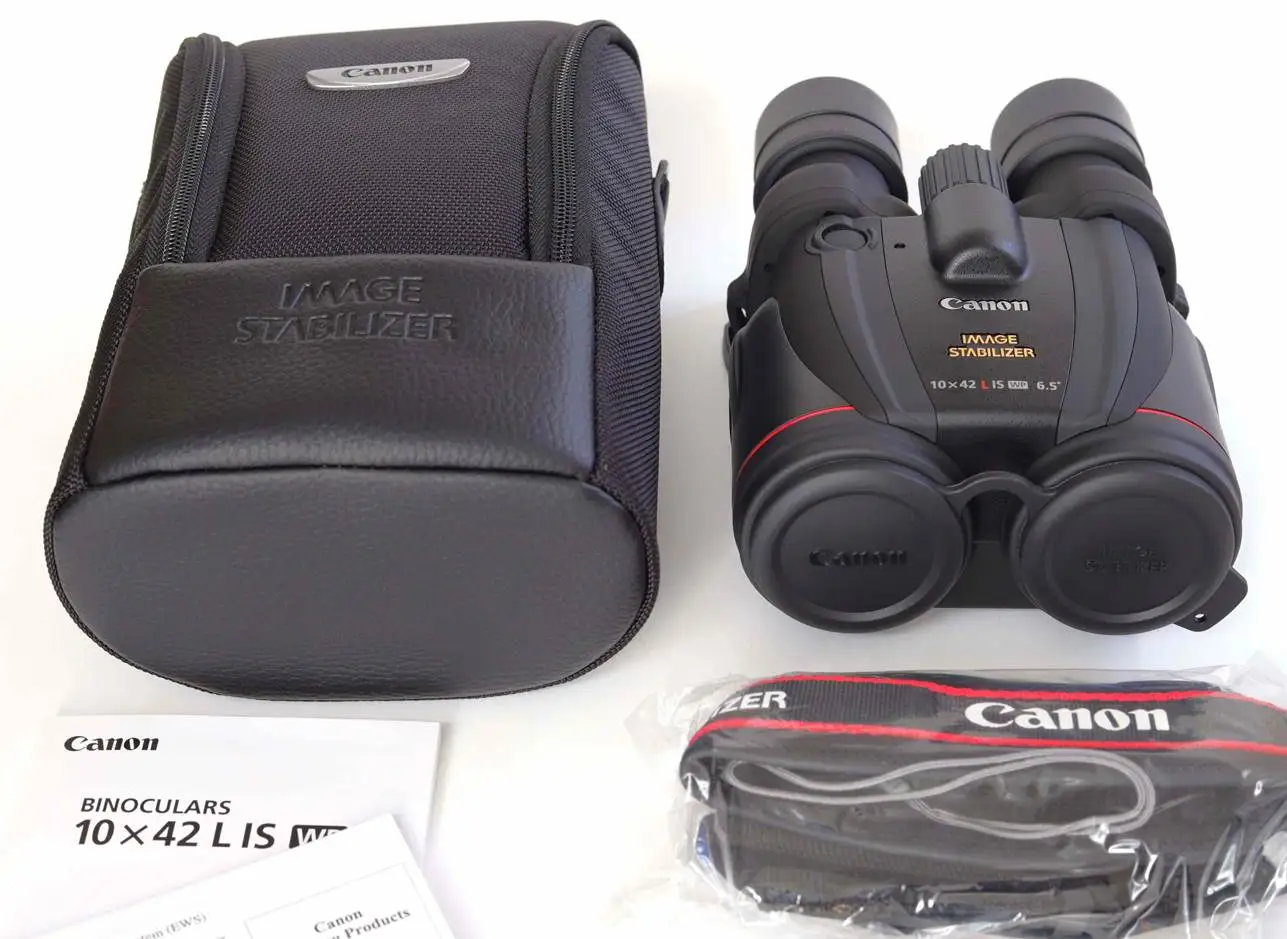
Few binoculars inspire loyalty years after purchase, but the Canon 10x42 L IS WP Binoculars routinely score 9.2/10 among serious birdwatchers, sailors, and stargazers who say they “would buy them instantly again” despite their weight and price. The waterproof build, paired with Canon’s Optical Image Stabilizer, turns long-distance viewing into an experience “like having a telescope in the palm of your hand,” as one verified Trustpilot reviewer raved.
Quick Verdict: Conditional—buy for extreme clarity and stability, skip if portability is a priority.
| Pros | Cons |
|---|---|
| Exceptional image stabilization with L-series optics | Noticeably heavy for prolonged neck carry |
| Waterproof to JIS Grade 7, fog-resistant coatings | Short battery life in cold weather |
| Sharp, distortion-free views edge-to-edge | Premium price, limited resale depreciation |
| Handles extreme weather, marine spray, and rain flawlessly | Eyepiece adjustments feel dated to some users |
| Bright, clear views even in low light | Lens cover design could be improved |
Claims vs Reality
Canon markets these as their first waterproof binoculars to incorporate exclusive image stabilizer tech, promising “steady, shake-free viewing… even from moving vehicles or boats.” Digging deeper into user reports, this claim holds remarkably true. A verified buyer on Amazon noted: “Press the button and get instant steady image. This allows you to study the object you are viewing.” Reddit discussions echoed this, with one nature photographer recalling seeing “three of Jupiter’s moons without a problem” from a handheld position.
The company also touts “superior chromatic aberration correction” via dual Ultra Low Dispersion (UD) elements per side. On Best Buy, a long-term owner confirmed: “The lens quality, magnification ratios, adjustment mechanism and housing are as good as anything on the market,” specifically praising color fidelity when scouting birds at dawn.
Finally, Canon’s waterproof and fog-proof assurance (JIS Grade 7) promises rugged reliability. Reports back this up—multiple users tested them in rain and marine spray. A Trustpilot reviewer said, “On one of my boating trips we were buffeted by rain and spray… functioned flawlessly without a hitch.” The only gap: while officially fog-resistant, prolonged cold weather does drain battery life quickly, with Canon even warning that runtime drops to 10 minutes at -10°C.
Cross-Platform Consensus
Universally Praised
Image stabilization is the standout. Bird enthusiasts relish locking onto small, far-off species without handheld shake. “Best binoculars. Worth every penny. Well-built,” wrote a Best Buy customer who used them primarily for long-distance birding. Marine users, too, trust them on choppy waters. A Trustpilot story detailed how, after facing wave spray, the optics remained crystal clear with no internal fogging.
Low-light performance is equally valued. Thanks to the 4.2mm exit pupil and L-series glass, wildlife photographers spot detail as dusk sets in. Reddit user imagery frequently includes twilight views—one comment celebrated being able to “spot my subject easily… clear, flat, low distortion images from edge to edge.”
Even stargazers find them competitive with small telescopes given their stability. The push-button IS activation is described as “instant and addictive,” letting you switch from scanning to fine detail without fuss.
Common Complaints
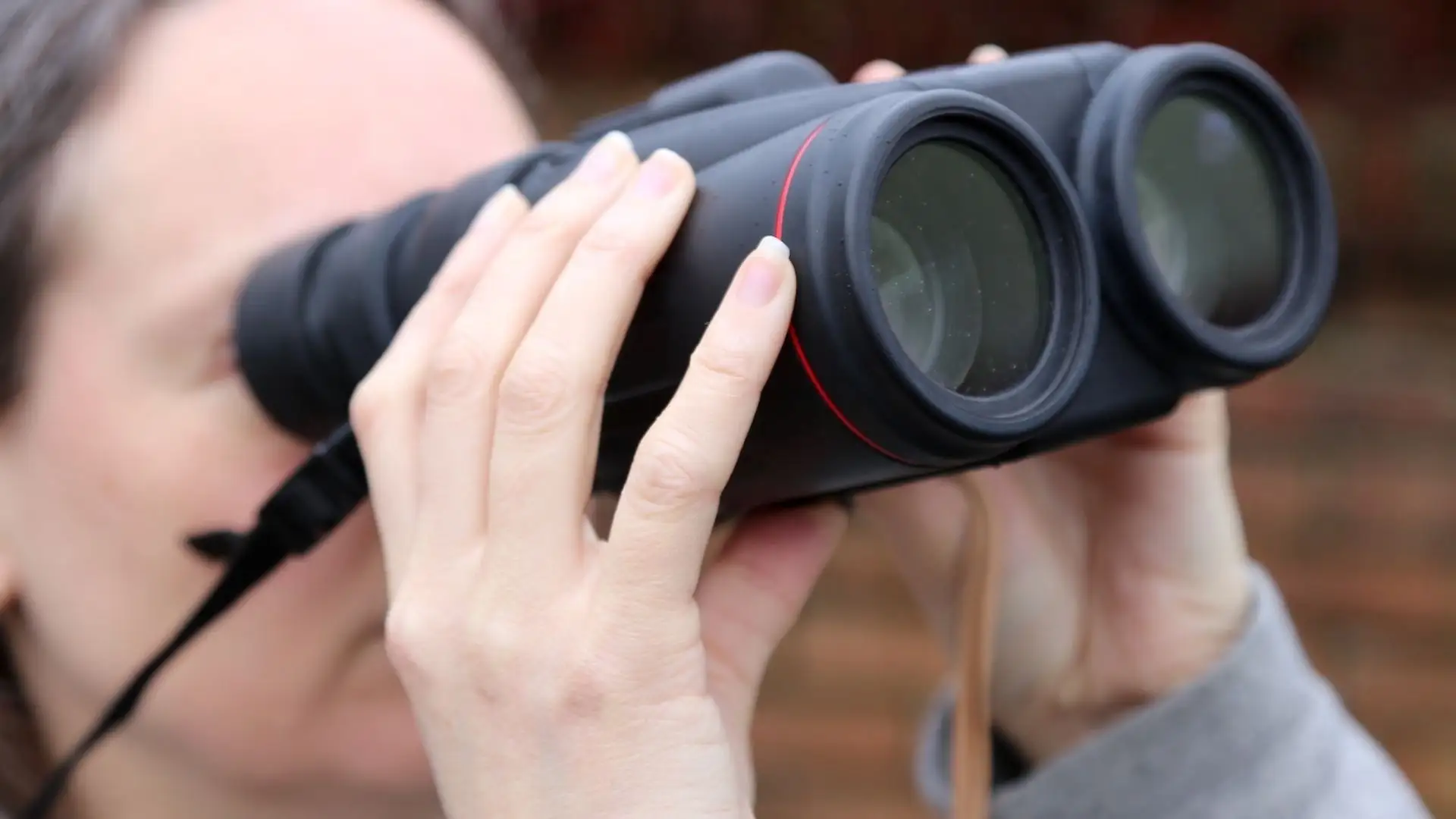
Weight is the top concern. At over 1 kg excluding batteries, several owners admit they avoid neck carrying for more than an hour. A Reddit blogger confessed: “They’re heavy… a little too heavy to wear around the neck constantly, but the benefits far outweigh that.” Best Buy reviewers point out similar endurance issues, preferring tripod mounting for long sessions.
Battery life draws criticism, mostly in cold climates. The official 2.5-hour runtime at 25°C dwindles in freezing conditions, meaning Arctic birders will need spare lithium AAs. One Amazon review warned: “Short battery life in cold weather,” despite otherwise flawless operation.
Design nitpicks include dated lens covers and eyepiece adjustment ergonomics. A Best Buy customer suggested the covers “could have been manufactured better,” labeling it a minor but noticeable annoyance for a $1,500 device.
Divisive Features
Portability divides opinion. Some accept the heft given the stabilized view, while others would rather trade stability for lighter build. Price sensitivity also surfaces; eBay listings show steady resale value, but upfront cost deters casual observers. One long-term Amazon user framed it as lifetime gear: “If you can afford the $1,500… you won’t be disappointed.”
Trust & Reliability
Trustpilot and Best Buy stories reveal long-term satisfaction without major failures. One Best Buy reviewer replaced an older stabilizer model only after four years of use without hesitation, praising consistent build quality. Reddit threads lack any suggestion of mechanical breakdown—users reference years of marine use without degradation of seals or fog-proofing.
Scam concerns are minimal; availability through reputable channels like Canon direct and recognized retailers leads to confidence in authenticity. Resale markets (eBay) confirm strong demand, with top mint condition models fetching $800–$1,200, even after years of use.
Alternatives
The Nikon Prostaff 3S 10x42 lacks stabilization but sells for under $100—a viable choice for casual hiking where shake isn’t critical and budget is tight. Fujinon’s Techno-Stabi 14x40 offers 4x more magnification but is heavier and pricier at $1,299, appealing to shipboard observers needing more reach. Amazon comparisons show that while competitors win on weight or cost, none match Canon’s “super steady field of view” reputation in actual user accounts.
Price & Value
Current retail hovers around $1,259–$1,499 new, with eBay resale staying strong: mint units from Japan fetch near $1,000. Pre-owned deals dip to $799 but move quickly. Buyers emphasize paying for L-series optics plus stabilization as a unique combo—“arguably worth the cost,” according to Best Buy owners—especially since no direct feature-equivalent undercuts it significantly.
For budget-savvy shopping, Redditors advise looking for lightly used models from trusted sellers with return policies. Cold-climate users recommend factoring in extra lithium batteries to avoid runtime surprises.
FAQ
Q: Are these binoculars truly waterproof for marine use?
A: Yes, multiple boaters tested them in heavy spray with no fogging or leakage. Canon rates them to JIS Grade 7, meaning immersion-resistant under specific conditions.
Q: How heavy are they and does it matter?
A: At about 1.1 kg, they’re heavier than most 10x42 models. Birders on foot may feel strain; many opt for tripod or short neck sessions.
Q: Do the image stabilization features drain batteries quickly?
A: Runtime is about 2.5 hours at 25°C, but cold weather dramatically reduces life to minutes—carry spare lithium AAs in winter.
Q: Can they be used for astronomy?
A: Yes, stargazers report clear views of Jupiter’s moons and bright star clusters, aided by the stabilizer’s steady lock.
Q: Is the price justified over non-stabilized models?
A: For users needing shake-free viewing at high magnification in challenging conditions, many say yes. Casual users might prefer lighter, cheaper optics.
Final Verdict: Buy if you’re a dedicated birder, marine navigator, or stargazer needing unmatched handheld stability and weather resistance. Avoid if you prioritize ultralight portability or operate primarily in extreme cold without spare batteries. Pro tip from the community: mount them on a tripod for extended sessions to offset weight while enjoying full stabilizer benefits.