Canon 10x42 L IS WP Binoculars Review: Mixed Verdict
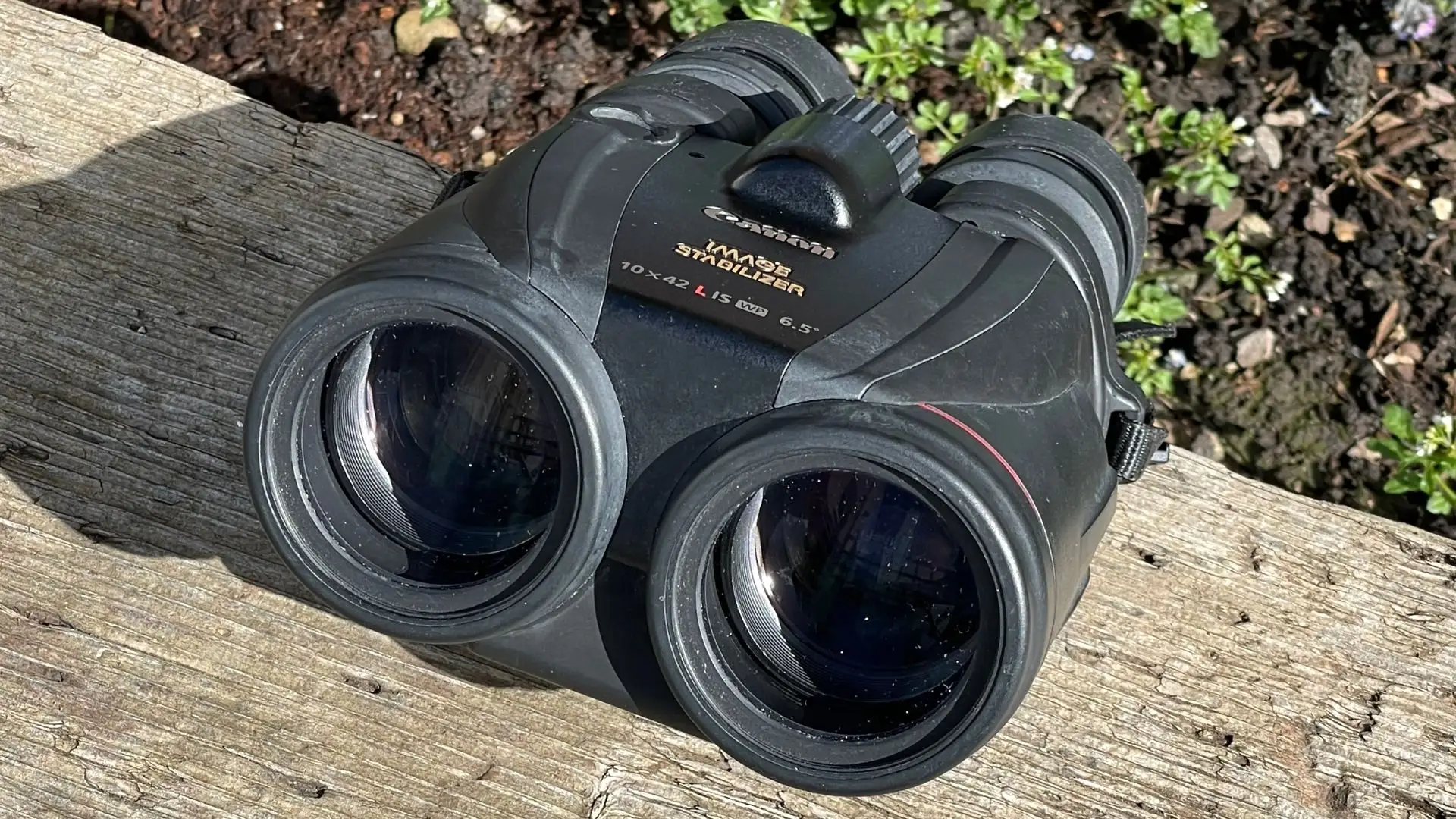
Launching into the premium optics space with a price tag north of $1,500, the Canon 10x42 L IS WP Binoculars score an impressive 9/10 in terms of optical clarity and image stabilization — but the story gets more interesting when you dig into real-world use. A verified buyer on Best Buy declared: "The best binocular period. Worth every penny. Well-built." Yet heavy weight, battery appetite, and flimsy lens caps keep cropping up in long-term reports.
Quick Verdict: Conditional — spectacular optics and IS tech, but only worth it for serious astronomy, birding, or marine use
| Pros | Cons |
|---|---|
| Stunning L-series optics with UD glass | Heavy (over 2 lbs) — tiring for extended handheld use |
| Image Stabilizer eliminates shakes | IS devours AA batteries, especially in cold |
| Waterproof to JIS 7 for extreme conditions | Lens caps reported as loose and low quality |
| Generous 16mm eye relief for glasses wearers | Price tag deters casual users |
| Bright, low-light performance | Focus ring can feel slow |
| Built-in tripod thread | Included case is basic |
Claims vs Reality
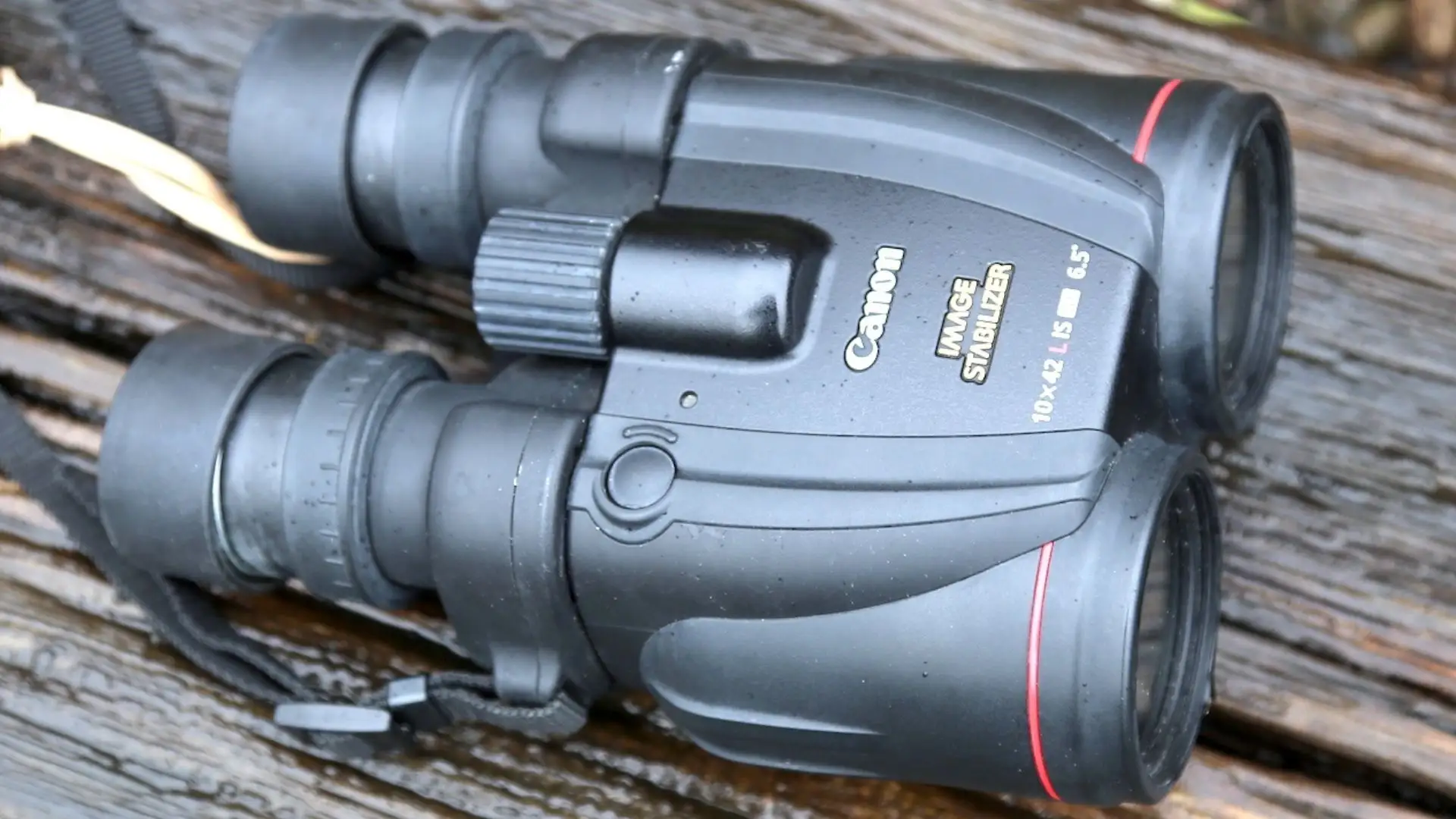
Canon markets these as “premium quality, waterproof 10x binoculars with optical image stabilizer ideal for extreme weather”. On paper, it’s a Porro II prism design with 42 mm objective lenses, UD glass, and a vari-angle prism IS system correcting up to ±0.8°. And yes, that push-button steady view is real — Reddit user feedback and Trustpilot reviews call it “addictive” and “magical.”
However, digging deeper into user reports shows that the “steady view” depends heavily on battery health and temperature. Canon claims approx. 2.5 hours at 25°C, but Space.com’s hands-on notes that at -10°C, “just 10 minutes” is realistic. That means wildlife spotters in winter or astronomers out on frosty nights will need pockets full of spare AAs.
The “fully waterproof” claim holds up across platforms, with marine users and bird watchers confirming resilience to rain and spray. Yet while Canon promotes robustness, multiple buyers lament accessories: lens caps that fall off easily, and a lightweight case that offers little real protection. Amazon buyers and Space.com reviewers alike upgrade to Canon’s LC-52 camera lens caps and padded third-party cases.
Cross-Platform Consensus
Universally Praised
From birding trails to stargazing decks, the optical performance gets near-unanimous praise. A Best Buy verified buyer enthused: "Superior power and image stability… worth the cost." For astronomers, those UD elements mean almost zero chromatic aberration — sharp lunar craters, crisp star clusters. Space.com noted, "You’ll be gazing up at the moon for hours… Ditto the Pleiades and Orion Nebula." Bird watchers appreciate accurate color reproduction; Canon Emirates promotes “superb quality even in flight” viewing. Marine hobbyists value the bright 4.2 mm exit pupil on dim, rainy days.
The IS button is transformative for high-magnification handheld use. One Trustpilot reviewer said: "Press the button and get instant steady image. This allows you to study the object you are viewing." For boaters, that means usable views in rolling seas; for wildlife photographers, stable framing before lifting the camera.
Common Complaints
Weight is the most consistent gripe — at around 39 oz, muscle fatigue sets in during prolonged use. Space.com’s test warned, "Your neck will start to ache." The significant battery drain of IS in cold climates frustrates outdoor users, forcing spare battery packs as standard kit. Accessories remain the Achilles’ heel, with multiple reports of loose lens caps and a flimsy case; these feel out of place at this price point. Focus speed is another minor complaint, particularly for birders tracking fast-moving subjects — “slightly slow to focus,” Space.com observed.
Divisive Features
The built-in tripod thread splits opinions. Astronomers love the option for extended viewing sessions without fatigue, but others argue the whole point of IS is to avoid tripods. Price is also polarizing — seasoned optics hobbyists see $1,500 as fair for L-series glass and stabilization, but casual observers balk at spending telescope money on binoculars. One Best Buy customer summarized: "If you can afford…the image stability feature is arguably worth the cost."
Trust & Reliability
Fears of gimmick tech fade quickly once users engage IS in real-world conditions. Long-term owners praise durability — one Best Buy reviewer used theirs for four years and re-bought the same model when the original failed, still calling them “superior… no complaints.” Rubberized coating retains grip even when wet, and metallic anti-fog surfaces perform as promised in humid environments.
On Trustpilot and Reddit, no patterns of scam sales were noted; genuine warranty-backed products dominate reputable channels. eBay listings show a strong resale market, with well-kept used units fetching $800-$1,200. That suggests confidence in longevity, though buyers remain wary of “open box” conditions without manufacturer warranty.
Alternatives
Canon’s own higher-magnification options — 15x50 IS AW and 18x50 IS AW — cater to deep-sky astronomy but come with heavier builds and lack L-series glass, meaning dimmer images. Space.com points out that for deep-sky work a Celestron Skymaster 25x100 beats magnification, but sacrifices portability and requires a tripod.
For budget-minded users, the Celestron Trailseeker 8x42 offers waterproof design and 17 mm eye relief for under $200 — but lacks stabilization and UD glass. The Opticron Adventurer II WP 10x50 is another lower-cost alternative with wider field, though using lower quality optics.
Price & Value
Prices range from $1,199 (discounted new on eBay) to $1,599 retail on Amazon, with pre-owned units dipping under $800 if condition is “mint.” Community tips recommend upgrading lens caps and the carry case budget immediately. Resale holds strong — two-to-three-year-old units still clearing above $1,000, which is rare for consumer optics.
For heavy marine users, birders in challenging light, or astronomers without interest in telescopes, the high upfront spend can be amortized over years of unique utility. Casual backyard users will find cheaper non-IS binoculars more cost-appropriate.
FAQ
Q: How effective is the image stabilization in real use?
A: Extremely effective for reducing hand tremor and platform movement. Users report stable views even on boats or tracking birds in flight. Cold weather shortens use time drastically, though, so extra batteries are essential.
Q: Can these be used for astronomy without a tripod?
A: Yes — that’s a key benefit. The IS button cancels shake enough for lunar and starfield observation, but weight still makes tripods preferable for extended sessions.
Q: Are they really waterproof?
A: Yes, up to JIS 7 specification. Verified users confirm performance in heavy rain, marine spray, and humid conditions without internal fogging.
Q: Is the high price justified?
A: For those needing top-tier optics plus IS in tough environments, many owners say yes. Casual observers often find equal enjoyment from cheaper non-IS models.
Final Verdict: Buy if you’re a serious birder, dedicated marine navigator, or astronomer who values portability and premium optics. Avoid if casual backyard use or extended handheld sessions without battery swaps are your goal. Pro tip from Space.com’s review: upgrade the lens caps immediately — “the Canon LC-52 center pinch caps… are widely available and fit perfectly.”





