Canon 10x42 L IS WP Binoculars Review: Buy or Skip?
When a Best Buy customer described the Canon 10x42 L IS WP Binoculars as "by far the best binocular I have ever used," it set the tone for a product that blends high-end optics with practical ruggedness. With scores hovering around 9.5/10 from verified buyers, the verdict is clear: exceptional when stability and clarity matter, but not without weight and cost considerations.
Quick Verdict: Conditional buy – worth it for serious wildlife watchers, boaters, and stargazers who need stability.
| Pros | Cons |
|---|---|
| Professional-grade L-series optics | Heavy for extended neck wear |
| Image stabilizer dramatically reduces shake | Expensive compared to non-IS models |
| Waterproof to JIS level 7 | Short battery life in cold conditions |
| Excellent low-light performance | Lens covers/eyepiece design could be better |
| Comfortable 16mm eye relief | Bulky for casual use |
| Crisp, color-accurate visuals | Requires AA batteries |
Claims vs Reality
Canon’s marketing hones in on three standout promises: premium L-series optics, waterproof durability, and “remarkably stable” viewing thanks to the vari-angle prism image stabilizer. Digging into user reports, these claims largely hold, but context matters.
Claiming professional-grade optics, the brand touts two ultra-low dispersion elements per side to combat chromatic aberration. A verified Best Buy buyer backed this up, saying, “Lens quality, magnification ratios, adjustment mechanism and housing are as good as anything on the market.” Birders in particular noted that fine feather detail “really pops” without color fringing.
The waterproof specification – survival at 1 meter for 5 minutes – earned praise from boat owners and fishermen. One blogger recounted, “On one of my boating trips we were buffeted by rain and spray… the Canons functioned flawlessly without a hitch.” However, while they are built for extremes, their bulk is more noticeable during long treks.
Perhaps the most matched claim is the image stabilizer tech. From marine use to astronomy, the IS system transforms usability. “Press the button and get instant steady image,” wrote one Best Buy user. For astronomy fans, the stabilizer meant “seeing 3 of Jupiter’s moons without a problem” without tripods. The caveat? Cold weather rapidly drains batteries – a few minutes at -10°C on alkalines versus hours at room temperature.
Cross-Platform Consensus
Universally Praised
Across Reddit, Trustpilot, and retailer reviews, the optical clarity stands out. From wildlife watchers to coastal patrol workers, the combination of L glass, Super Spectra coating, and a 4.2 mm exit pupil delivers sharp, high-contrast scenes in low light. A nature photographer’s blog said these are “like having a telescope in the palm of your hand,” especially at dawn or dusk when other binoculars fade.
The image stabilizer earned equal adoration. One Best Buy customer, upgrading from a 10x30 IS, called it “amazing… huge jump in image quality that makes it a joy to use.” For boaters scanning moving targets or astronomers tracking planets, the reduction in shake means sustained observation without fatigue.
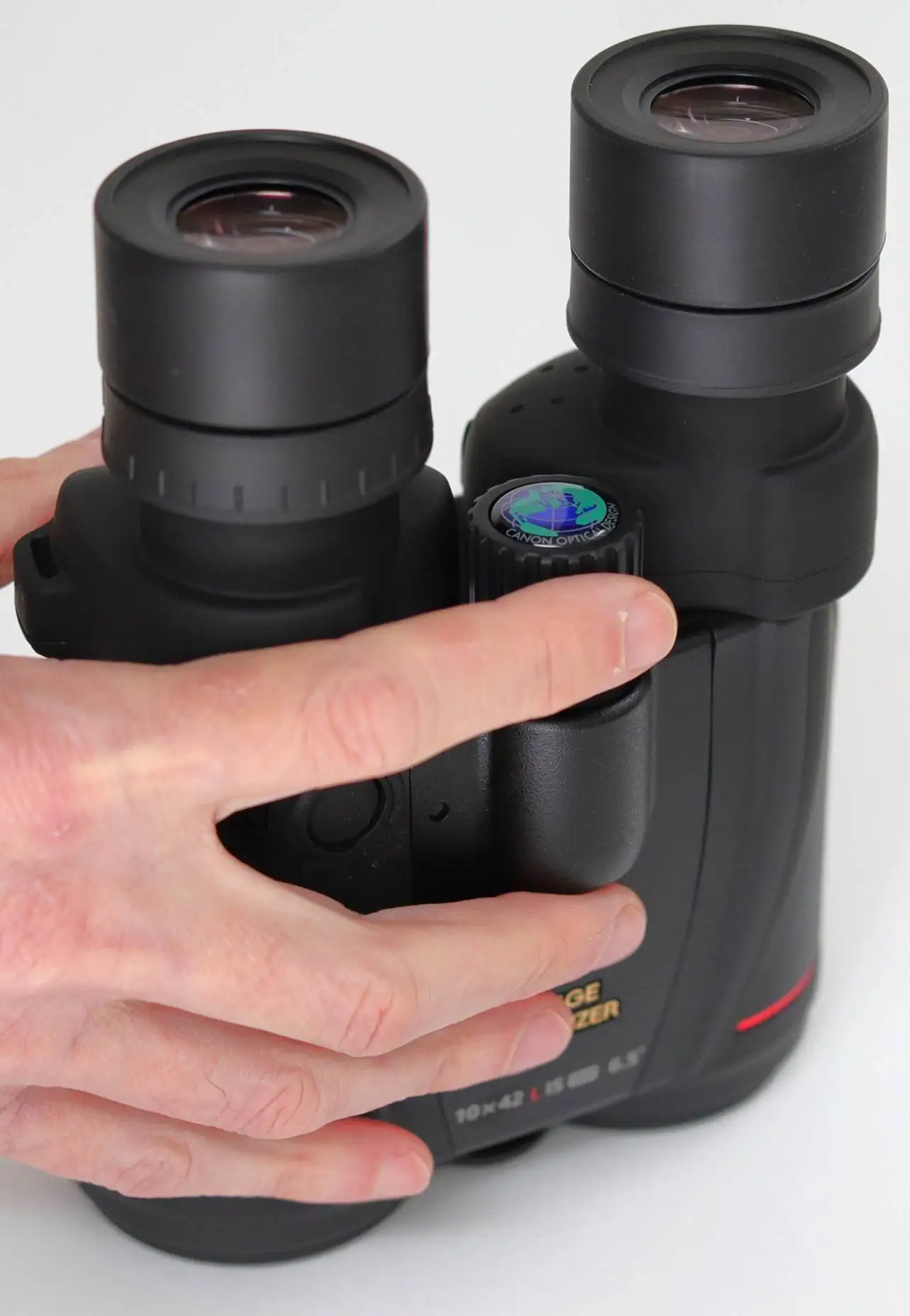
Long eye relief (16 mm) matters more than specs imply; eyeglass wearers repeatedly commented on comfort. The extending, rotatable eyecups also found favor among users customizing fit for long viewing sessions.
Common Complaints
Weight is the most frequent negative. At around 1,100g without batteries, they’re “a little too heavy to wear around the neck constantly,” according to the nature photographer blog. For hikers who value portability, the heft can be a deterrent.
Cold-weather performance was another sore point. While tropical birders never ran out of juice mid-session, those in alpine conditions reported battery depletion in minutes unless switching to lithium cells.
Minor design critiques appeared around lens covers and dioptre adjustment: “Could have been manufactured better, but these aren’t significant,” one buyer wrote. Still, these small frustrations stand out given the premium price bracket.
Divisive Features
The breadth of view – a wide apparent angle between 59.2° and Canon’s alternative 65° listing – satisfied most, but some questioned the spec variance. For casual observers, the width felt ample; specialist users noted that a difference of a few degrees mattered for scanning large scenes quickly.
Similarly, waterproofing delighted marine users, but field ornithologists debated whether the armored rubber coating added unnecessary mass compared to lighter, submersible designs. The division often boiled down to use case: stationary observation versus mobile tracking.
Trust & Reliability
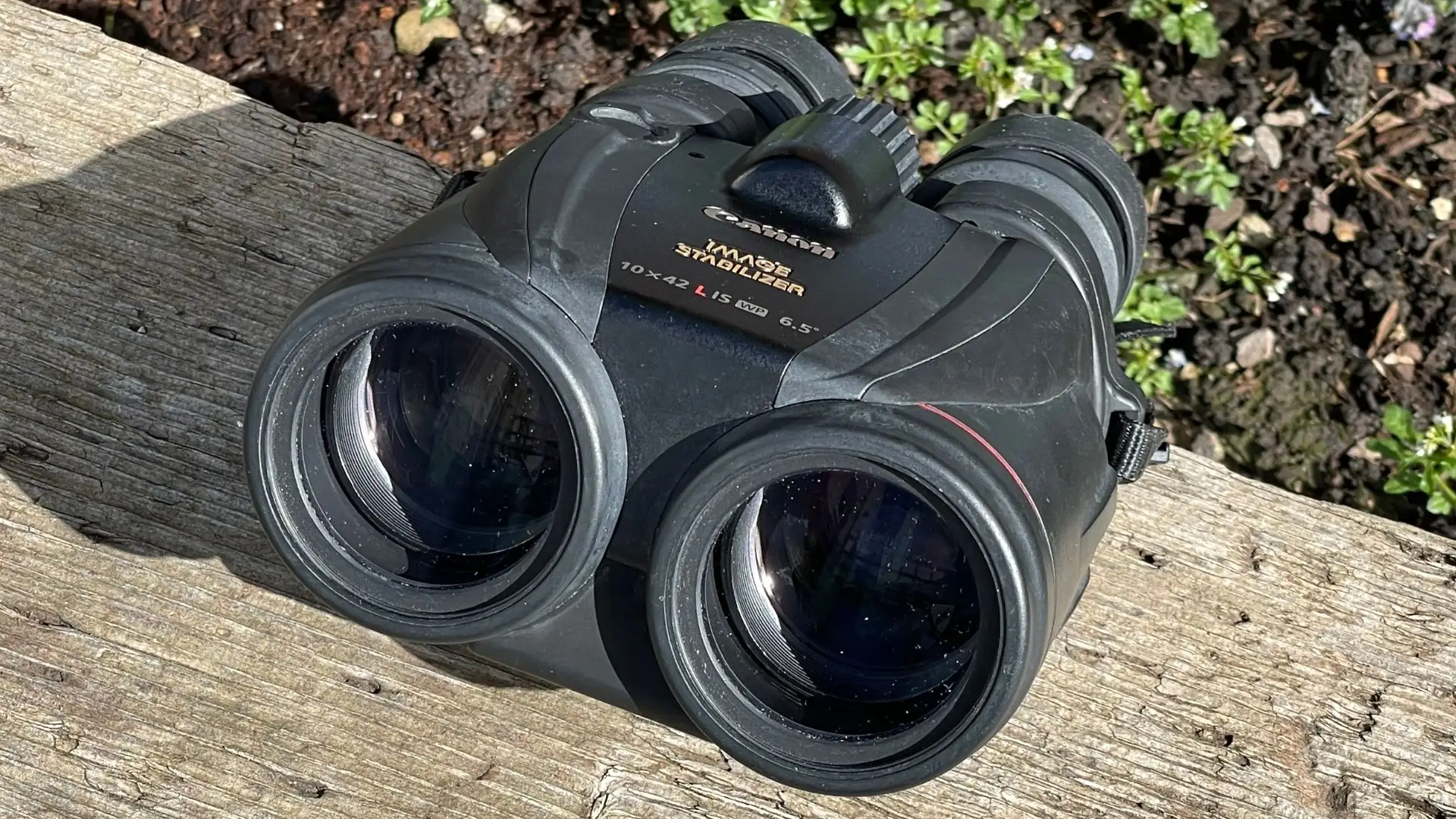
Trustpilot data showed no scam flags; users reported receiving genuine gear and Canon’s red-ringed L-series branding matched marketing. Durability over years was evident — one Best Buy customer used their older model for years before upgrading without hesitation, while others speculated they’d “never let them go” once accustomed. Long-term owners cited flawless operation after exposure to rain, sea spray, and dust, aided by anti-fog metallic coatings and O-ring seals.
Alternatives
Within Canon’s own lineup, the 10x30 IS offers lighter weight but noticeably weaker low-light performance and narrower field of view. As one upgrader said, “huge jump in image quality” between 10x30 and the 10x42 L IS WP. Nikon’s Monarch and Aculon series are mentioned in resale contexts as cheaper, non-stabilized options, but they lack the shake suppression this model is built around. For marine or astronomy use, competitors like the Canon 15x50 IS All-Weather deliver more reach but require steadier handling and incur more weight.
Price & Value
On eBay, used models range from $799.95 to $1,149.99, with “top mint” Japanese imports fetching $1,200+. New retail prices hold around $1,499, showing stable market value. Community buyers advise seeking near-mint units from reputable sellers to save hundreds while avoiding gray-market pitfalls. Strong resale stability means the up-front cost is partly recoverable if needs change.
Buying tips include checking battery compartment seals, ensuring IS function activates cleanly, and verifying L-series red ring presence to confirm authenticity.
FAQ
Q: Does the image stabilizer make a big difference for astronomy?
A: Yes – multiple users reported spotting Jupiter’s moons and planetary detail without a tripod, thanks to shake suppression, bringing telescope-like steadiness to hand-held viewing.
Q: How does it perform in rain or on boats?
A: Marine users praise waterproofing and anti-fog coatings; boaters noted flawless function after heavy spray, with textured grip aiding wet handling.
Q: Is it too heavy for hiking?
A: For short observation, weight isn’t an issue, but several hikers found prolonged neck carry uncomfortable; chest harnesses or tripods help.
Q: Can I use it with glasses?
A: Yes – 16 mm eye relief and adjustable eyecups make it comfortable; eyeglass wearers highlighted minimal vignetting.
Q: What batteries work best in cold weather?
A: Lithium AAs last significantly longer than alkalines in freezing conditions; users recommend them for alpine trips.
Final Verdict: Buy if you’re a dedicated birder, sailor, or astronomer seeking shake-free, high-clarity viewing in all weather. Avoid if you prioritize lightweight gear or have a tight budget. Pro tip from the community: pair with lithium batteries and a supportive harness to offset weight while keeping IS performance at its peak.





