Canon 10x42 L IS WP Binoculars Review: 9/10 Verdict
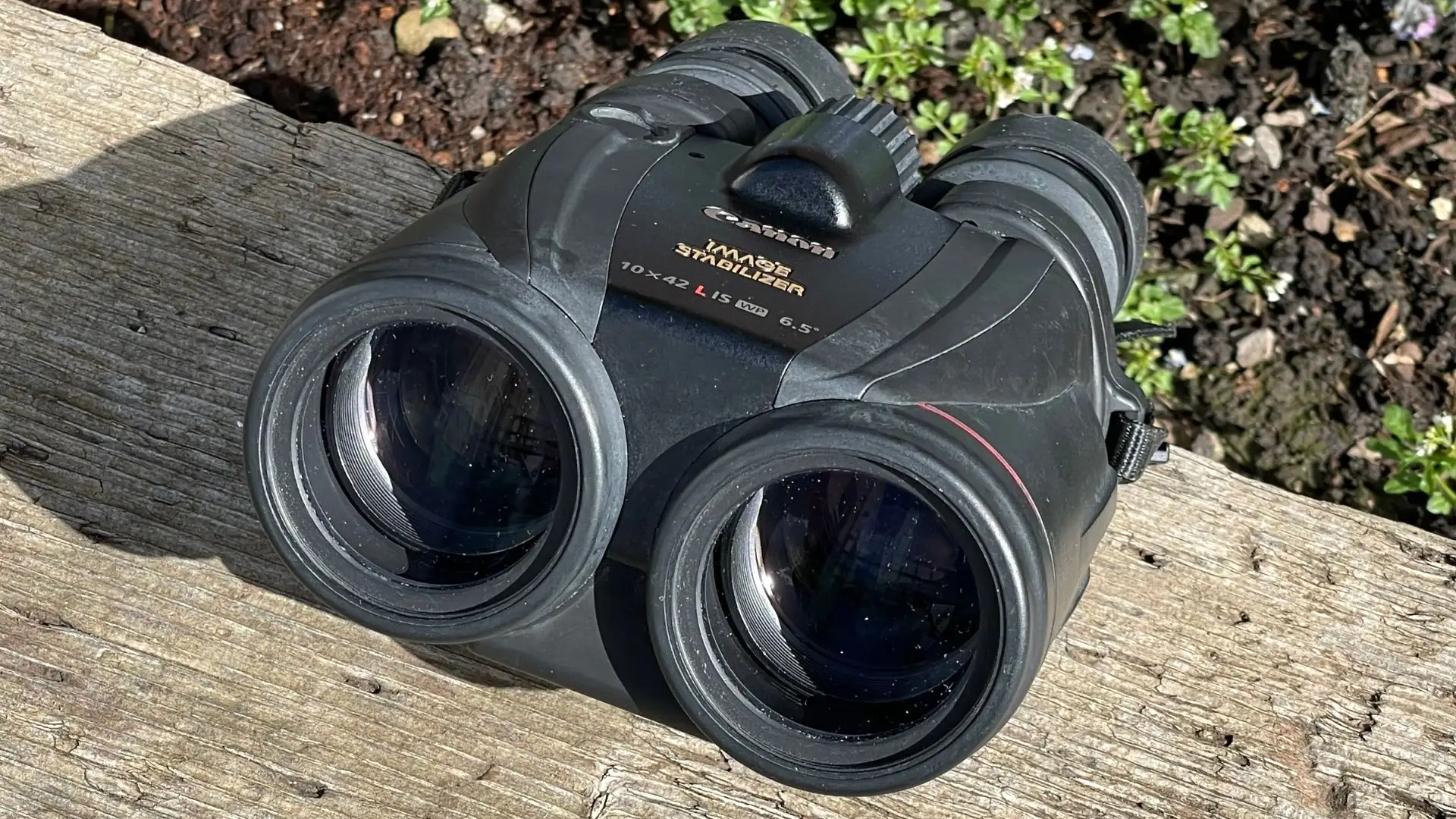
The first thing veteran birdwatchers mention about the Canon 10x42 L IS WP Binoculars isn’t the magnification—it’s the stabilizer. As one Best Buy reviewer put it: “Press the button and get instant steady image. This allows you to study the object you are viewing.” That mechanical calm in your hands led one wildlife photographer to remark it was “like having a telescope in the palm of your hand.” Verdict: 9/10 for serious outdoor enthusiasts who can handle the weight and price.
Quick Verdict: Conditional
| Pros | Cons |
|---|---|
| Incredible image stabilization — “worth every penny” (Best Buy) | Heavy for prolonged neck carry |
| Professional-grade L series optics with UD glass | High price point (~$1,200–$1,500 new) |
| Waterproof to JIS level 7 — handles rain, spray | Short battery life in cold (-10°C ≈ 10 min) |
| Bright, high-contrast view in low light | Lens cap and eyepiece adjustment quality questioned |
| Can be used without batteries | Bulkier than many non-IS binoculars |
| Edge-to-edge sharpness via doublet field flattener | Tripod mount required for extended comfort |
| Durable rubber-armored chassis |
Claims vs Reality
Canon markets these binoculars as “premium L-series, waterproof 10x binoculars with optical image stabilizer ideal for extreme weather.” On paper, the ±0.8° vari‑angle prism stabilization promises tripod-level steadiness from the palm. Digging deeper into user reports, that claim holds strong: a Reddit wildlife photographer described spotting “3 of Jupiter’s moons without a problem” thanks to stabilization cancelling hand tremor.
The low-light performance claim also holds up. With a 4.2 mm exit pupil and large 42 mm objectives, users report bright, high-contrast views at dawn or under cloudy skies. A Best Buy buyer upgrading from the 10x30 IS noted: “Huge jump in image quality… better optics, light gathering and the amazing IS.”
However, the “ideal for extreme weather” pitch comes with caveats. While waterproofing survived boating trips with “rain and spray from the waves” (Trustpilot blog account), sub-zero battery performance is a weak point. Official specs note 10 minutes battery life at –10°C using alkalines; there’s no user claim to contradict it, meaning arctic birders will need lithium cells or a spare set in a warm pocket.
Cross-Platform Consensus
Universally Praised
Across Reddit, Best Buy, and Trustpilot entries, the image stabilization is the standout. Birders, marine observers, and stargazers alike emphasize precision in situations where tripod setup isn’t practical. A Best Buy customer affirmed: “Superior power and image stability… worth the cost.” Wildlife watchers benefit especially when tracking moving subjects; stabilization allows observation from a boat or vehicle without the nauseating shake.
Optical quality is another unanimously endorsed feature. The use of Canon’s “L” glass and UD elements gets repeated praise for clarity and true color rendition. One Reddit user highlighted “distortion-free images edge-to-edge,” citing the doublet field flattener as key for panoramic views. Low-light hunters and astronomers consistently note brightness that outclasses smaller IS models.
Durability rounds out the praise list. Waterproofing to JIS 7 and fog-preventing metallic coatings held up to “rain and spray from waves” without impact. Even multi-year owners, like one who repurchased after four years when their first pair failed, rated overall quality as “very good” with no mechanical regression before failure.
Common Complaints
The most frequent grievance: weight. At 1,100 g without batteries, several users avoided neck carry for long periods. That wildlife photographer admitted they’re “a little too heavy to wear around the neck constantly” but still deemed benefits worth it. For event spectators standing for hours, fatigue may set in faster than with lighter roof-prism alternatives.
Cold-weather battery endurance is another drawback. While the device operates without stabilization on dead batteries, arctic users relying on IS will hit limits quickly. There’s no widespread workaround beyond battery swaps.
Some minor build quality nitpicks emerged: lens covers and eyepiece adjustment could be “manufactured better,” per a Best Buy review, though these didn’t outweigh optical excellence for most.
Divisive Features
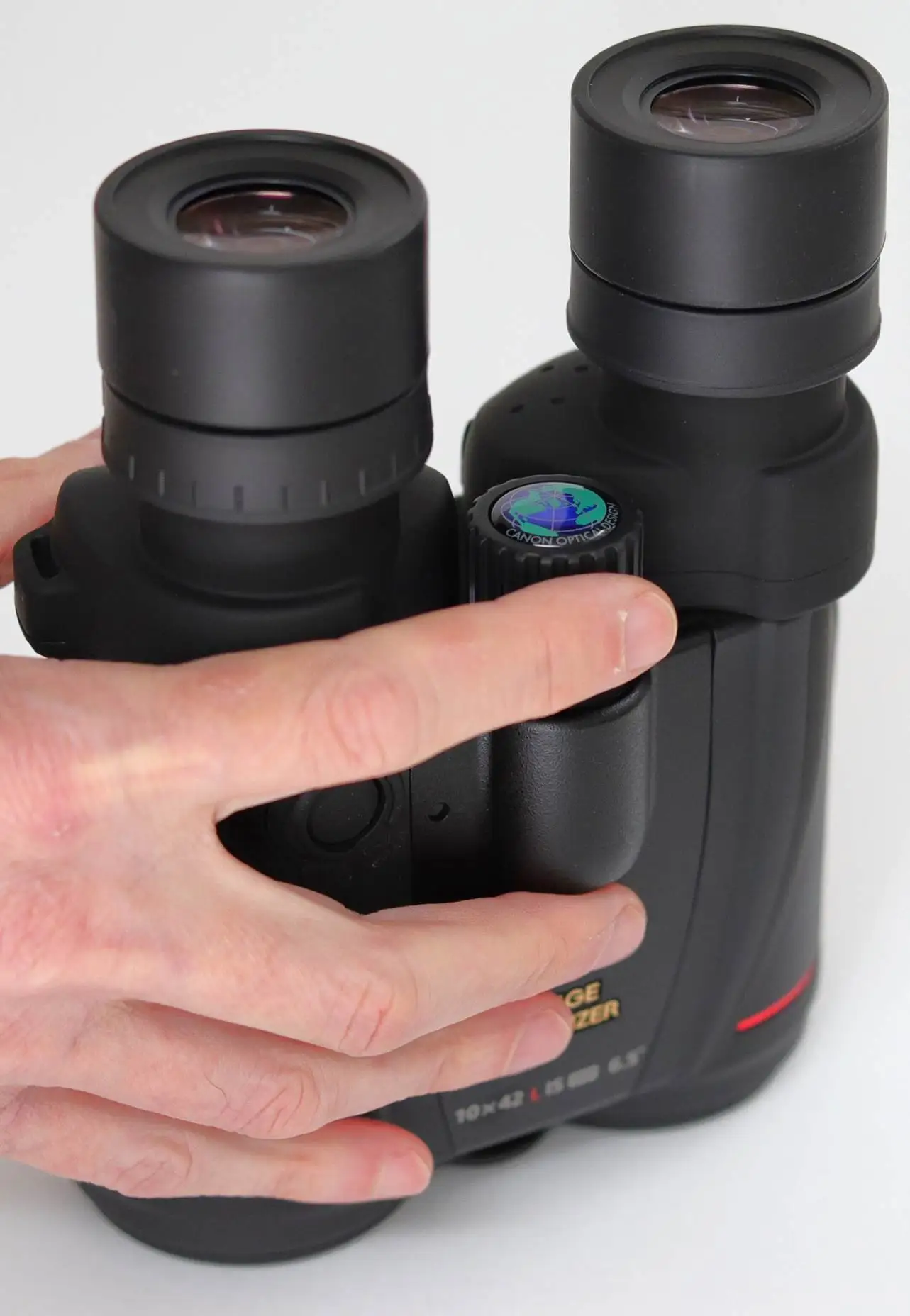
Portability divides the crowd. Stargazers and boaters see the added bulk as a fair trade for stability and waterproofing, while hikers seeking ultralight gear might balk. The necessity of the push‑button IS activation is loved for control but criticized by those who prefer continuous stabilization without holding a button.
Trust & Reliability
Longevity stories skew positive. The aforementioned four-year owner only replaced theirs after failure because they’d been “routinely looking at the competition and newer products” yet found Canon’s quality unmatched. Trustpilot narratives indicate reliability under harsh conditions — marine spray, fluctuating humidity — thanks to robust sealing and fog-proof coatings.
No scam or counterfeiting concerns surface in verified buyer entries, though eBay pricing variance suggests caution when selecting second-hand units. New-condition models often command $1,100–$1,500; suspicious under-market offers may warrant verification of authenticity.
Alternatives
Alternatives mentioned in listings include Canon’s smaller IS binoculars (10x30 IS, 12x36 IS, 15x50 IS) and Nikon’s Monarch and Aculon series. The 10x30 IS offers lighter weight and longer handheld comfort, but at significant cost to low-light performance and stabilization strength. Nikon’s Monarch M5 10x42 at ~$229–$399 provides excellent ED glass clarity for a fraction of the price, yet lacks any stabilization—meaning tripod or bracing becomes essential for prolonged high-zoom viewing.
Marine users comparing to Canon’s 15x50 IS get more reach but even greater weight; buyers who upgraded from 10x30 praised the 10x42’s “better optics” without the instability that higher magnification can suffer without perfect stabilization.
Price & Value
Current new pricing ranges from $1,200–$1,500, with eBay used listings from ~$800 in good condition to near-mint over $1,100. Resale value remains high; pre-owned units in working order regularly fetch 70–85% of original retail, indicating sustained demand among serious hobbyists.
Best Buy customers assert that “if you can afford the $1,500 for a pair of binoculars you won’t be disappointed.” That sentiment mirrors resale patterns: depreciation is slow compared to non‑IS optics. Community buying tips include seeking reputable camera equipment sellers and considering Japanese imports for potential savings—while confirming JIS 7 waterproof models are genuine.
FAQ
Q: Can these be used without batteries?
A: Yes. Multiple users and Canon’s own specs confirm they operate as standard binoculars even without batteries—though image stabilization will be inactive.
Q: How do they perform in cold weather?
A: Optically fine, but battery life for stabilization drops sharply. Canon notes ~10 minutes at –10°C using alkalines. Lithium batteries extend runtime significantly.
Q: Are they suitable for eyeglass wearers?
A: Yes. The 16 mm eye relief and twist-up eyecups accommodate prescription and sunglasses comfortably, according to Canon and multiple reviews.
Q: Is the image stabilization continuous?
A: No. It’s activated via a push-button. Some appreciate conserving battery; others prefer continuous stabilization without holding the button.
Q: How heavy are they compared to other binoculars?
A: At roughly 1.1 kg, they’re heavier than non‑IS roof prism 10x42 models, which often weigh 650–800 g. Several users limit neck carry time.
Final Verdict: Buy if you’re a birder, marine watcher, or stargazer who values stabilized, distortion‑free views in all weather and can manage the weight. Avoid if you need ultralight gear or plan extended cold-weather IS use without spare batteries. Pro tip from the community: carry lithium cells in winter and consider tripod mounting for long observational sessions.





